Understanding the Role of a Quality Changing Table in Your Nursery
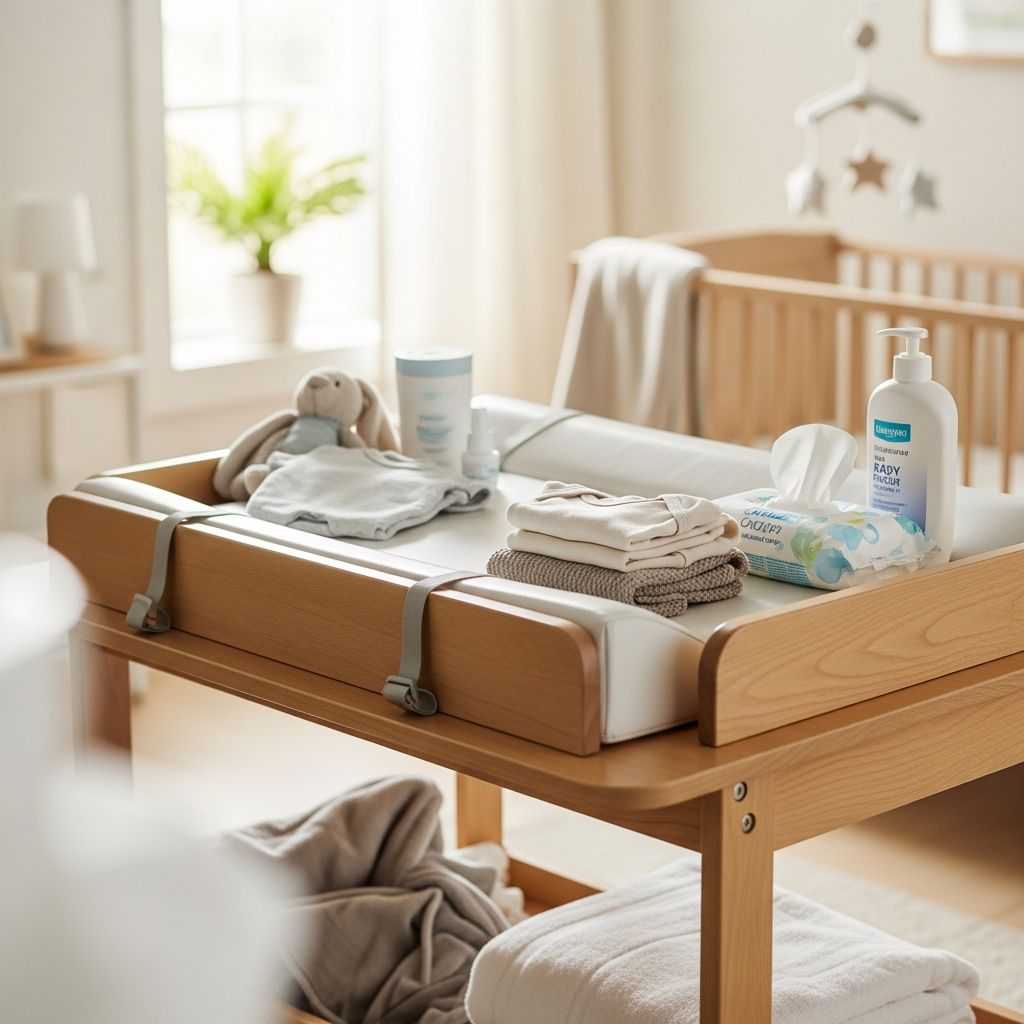
Caring for a newborn involves countless tasks, and diaper changes rank among the most frequent activities during those early months. While some parents manage to change diapers on beds, sofas, or floors, investing in a dedicated changing table transforms this routine into a safer, more comfortable experience for both parent and child. A properly designed changing table combines multiple functional elements—from safety features to ergonomic positioning—that make daily caregiving less physically demanding and more organized. The right table serves as a central hub for all diaper-changing supplies while protecting your baby from unnecessary risks associated with improvised changing surfaces.
Why Your Back and Posture Matter During Diaper Changes
One of the most overlooked benefits of owning a changing table is the relief it provides to your body. When you bend repeatedly over a bed, couch, or floor to change diapers, you subject your back, shoulders, and knees to continuous strain. This repetitive bending motion can lead to chronic pain and discomfort, particularly during the postpartum period when your body is already recovering from pregnancy and childbirth. Parents who have undergone cesarean sections face even greater challenges, as excessive bending can aggravate surgical recovery.
A changing table positioned at waist height allows you to maintain proper posture while performing diaper changes. This elevation keeps your spine aligned and reduces stress on your joints, enabling you to care for your baby without compromising your physical health. For caregivers with existing back problems or chronic pain conditions, the ergonomic advantage of a properly heightened changing surface becomes invaluable. The long-term savings in physical therapy or pain management often justify the initial investment in a quality changing table.
Critical Safety Features That Protect Your Infant
Safety represents the paramount concern when selecting a changing table. Unlike improvised changing surfaces, purpose-built tables incorporate multiple protective elements designed specifically to prevent accidents and injuries.
Structural Integrity and Stability
- A wide, sturdy base that resists wobbling and prevents tipping
- Solid frame construction using durable materials that support your baby’s weight throughout growth stages
- Anti-tip kits when the changing table doubles as a dresser or storage unit
- Absence of sharp corners, protruding screws, or exposed hardware that could injure your baby
- Clear weight capacity markings to ensure the table matches your baby’s size and development stage
Protective Barriers and Restraints
Raised edges and guardrails serve as the first line of defense against accidental rolls. These barriers should encircle at least three sides of the changing surface, with many safety-conscious designs featuring protection on all four sides. Adjustable safety straps add an additional layer of security by keeping even the most active infants securely positioned during changes. These straps are engineered to be easy for adults to operate while remaining resistant to tampering by children. The combination of physical barriers and restraint systems allows parents to focus on the changing task without constantly worrying about sudden movements that could result in falls.
The Changing Pad Foundation
The pad itself deserves as much attention as the table structure. A quality changing pad features a firm, contoured shape that prevents rolling and naturally guides your baby toward the center of the surface. Waterproof covers simplify cleanup and protect against moisture damage, while secure attachment mechanisms prevent slipping during active movements. Loose bedding or soft padding should be avoided entirely, as these materials create suffocation hazards and reduce the stability your baby needs during changes.
Materials, Finishes, and Hygiene Considerations
The materials used in changing table construction directly impact both safety and sanitation. Tables manufactured from non-toxic paints and finishes eliminate exposure to harmful chemicals during your baby’s sensitive early months. Smooth, rounded edges minimize injury risk while creating a pleasant aesthetic in your nursery space.
In commercial or public settings, antimicrobial coatings protect against pathogenic bacteria and help prevent the spread of infections. Even for home use, selecting tables with easy-to-clean surfaces and antimicrobial treatments provides peace of mind. The table should allow for quick wipe-downs with appropriate cleaning solutions without degrading the material or finish. Materials like HDPE and stainless steel offer excellent durability and sanitization properties, though they are more commonly found in professional-grade equipment.
Standards and Certifications: What Labels Actually Mean
When shopping for a changing table, you’ll encounter several certification marks and safety standards. Understanding these designations helps you identify genuinely safe products from those making unsubstantiated claims.
JPMA Certification (Juvenile Products Manufacturers Association) indicates that a product has undergone rigorous third-party testing and meets stringent safety requirements. ASTM Standards (American Society for Testing and Materials) provide detailed specifications for baby furniture construction, materials, and performance. International standards like EN (European Norms) and BS (British Standards) ensure that products meet safety requirements in global markets. Tables meeting these standards have been tested for structural integrity, chemical safety, and protective feature effectiveness. Always verify that any changing table you purchase displays certification from one or more of these recognized organizations.
Comparing Changing Table Options for Different Lifestyles
| Table Type | Best For | Key Advantages | Limitations |
|---|---|---|---|
| Standalone Changing Table | Dedicated nursery space with room to spare | Optimal ergonomic height, built-in storage, excellent safety features | Takes up significant floor space, limited longevity after baby outgrows it |
| Dresser with Changing Topper | Families wanting dual-purpose furniture | Continues serving as dresser after changing phase ends, saves space, better long-term value | May not provide ideal ergonomic height, storage layout depends on dresser design |
| Portable or Foldable Table | Small apartments, frequent travelers, multi-room households | Compact storage, easy to move between locations, affordable | May sacrifice some stability or storage capacity, requires setup time |
| Wall-Mounted Changing Station | Very limited floor space, public restrooms, commercial facilities | Maximizes available space, professional appearance in commercial settings | Installation required, less convenient for home use, may accommodate limited weight |
Organizing Supplies Within Arm’s Reach
An effective changing table includes thoughtfully designed storage that keeps all essential supplies immediately accessible. Built-in shelves, drawers, and compartments eliminate the need to hunt for diapers, wipes, rash cream, or spare clothing while your hands are full attending to your baby. This organization system speeds up the changing process and reduces the temptation to leave your baby unattended while retrieving supplies.
Quality storage solutions feature smooth edges and openings sized to prevent pinching hazards. Drawers should operate smoothly without requiring excessive force that could startle your baby. Some tables include specialized holders for wipe containers or bottle warmers, further streamlining your changing routine. The goal is creating a changing station where every item your baby might need during diaper changes is stored within reach of an adult standing beside the table.
When Your Child Outgrows the Changing Table
Most babies outgrow changing tables by approximately 18 to 24 months of age or once they reach the table’s weight limit, typically around 30 pounds or 13.6 kilograms. At this developmental stage, many children can stand independently and may resist being placed on the changing surface. This natural transition marks an appropriate time to shift toward using a standard bathroom sink or standing changes, depending on your child’s cooperation and development.
If you’ve selected a dresser-style changing table, the furniture continues providing value as a storage piece for clothing and nursery items long after the changing phase concludes. Portable tables can be stored away or repurposed in other spaces. Understanding this limited window of usefulness can influence your buying decision, particularly regarding the amount you invest in this temporary piece of furniture.
Safety Supervision Remains Non-Negotiable
Even the most advanced changing table with every available safety feature cannot substitute for attentive parental supervision. Safety straps, guardrails, and stabilizing design all reduce risks, but they function as supplementary protections rather than replacements for watchful care. Always maintain at least one hand on your baby during changes, never leaving them unattended on the table regardless of age or perceived stillness. Babies can roll unexpectedly, and infants develop new movement capabilities constantly throughout their first two years.
Before beginning a diaper change, gather all necessary supplies within arm’s reach. This preparation prevents the temptation to step away from the table briefly, a moment when accidents most commonly occur. Teaching anyone else who changes your baby—partners, grandparents, childcare providers—about these safety protocols ensures consistent protection across all caregiving situations.
Selecting the Right Size and Height for Your Space
Changing tables come in numerous dimensions to accommodate different nursery layouts and parent heights preferences. Standard tables typically measure around 34 to 36 inches in height, designed to align with average adult waist height. However, taller parents may prefer slightly elevated options, while parents of shorter stature might need tables with more moderate heights.
Measure your available nursery space carefully before purchasing, accounting not just for the table’s footprint but for clearance space needed to move around it comfortably while holding a baby. Consider proximity to doors, windows, and other furniture that might limit access or create safety concerns. Portable tables offer flexibility for those with limited space, though they may sacrifice the stability of fixed installations.
Material Considerations and Durability Expectations
Changing tables constructed from solid wood, engineered wood products, or metal each offer distinct advantages and maintenance requirements. Solid wood provides natural aesthetic appeal and excellent durability, though it may come at a premium price. Engineered wood products offer cost-effective solutions with reasonable longevity when manufactured to quality standards. Metal-frame tables with padded surfaces deliver industrial-strength reliability and excellent sanitization properties.
Regardless of material choice, verify that finishes are non-toxic and free from harmful chemicals like lead, phthalates, or formaldehyde. Paint and stain should be explicitly labeled as safe for children’s furniture. The table’s finish should resist staining and maintain appearance through countless cleanings with appropriate household products.
Creating Your Ideal Changing Station Setup
Beyond the table itself, thoughtful arrangement of your entire changing station contributes to efficiency and safety. Position the table away from windows where direct sunlight could overheat your baby, and ensure adequate lighting—either natural or artificial—to see your baby clearly during changes. Climate control matters; changing tables should not be positioned near heating vents, air conditioning units, or drafty areas that could make your baby uncomfortable.
Install safety gates or barriers if you have older children or pets that might interfere with changing activities. Create a small hamper nearby for soiled clothing and diapers to prevent odor accumulation and maintain hygiene. Consider adding a small nightlight if you frequently change your baby during evening or early morning hours.
Budget Considerations and Long-Term Value Assessment
Changing tables range dramatically in price, from budget options under $100 to premium furniture exceeding $500. Your budget should reflect the table’s durability, safety features, storage capacity, and how long you expect to use it. A less expensive portable table might serve well if you live in small spaces or plan additional pregnancies where you’ll reuse it. A mid-range dresser combination offers better value if you need long-term furniture for your nursery.
Calculate the actual cost per use by dividing the purchase price by the estimated number of diaper changes you’ll perform on the table. Even expensive premium options often provide excellent value when amortized across thousands of diaper changes performed over 18-24 months of daily use. Factor in the potential medical costs of back injury or strain that a low-quality improvised setup might cause.
Frequently Asked Questions
Q: Is a changing table absolutely necessary, or can I manage without one?
A: While technically possible to change diapers on beds or floors, a proper changing table provides significant safety and ergonomic benefits that make daily caregiving substantially easier and safer. It’s highly recommended, though the specific type depends on your space and lifestyle.
Q: What should I do if my changing table starts to wobble?
A: Stop using it immediately. Check for loose fasteners and tighten all bolts and screws. If wobbling persists after tightening, the table may have structural damage and should be replaced to prevent accidents.
Q: Can I use a regular bathroom sink counter for changing diapers?
A: Not safely. Bathroom sinks lack appropriate safety features, guardrails, and dedicated changing pads. Additionally, bathroom surfaces may contain harmful bacteria and chemicals unsuitable for your baby’s skin contact.
Q: How do I clean and maintain my changing table?
A: Wipe down the changing pad after each use with a damp cloth or baby wipes. Periodically clean the entire table with mild soap and warm water. Use disinfectant wipes weekly, and avoid harsh chemicals that might damage finishes or leave residues harmful to your baby.
Q: What’s the difference between JPMA and ASTM certifications?
A: JPMA certification indicates third-party testing and compliance with multiple safety standards. ASTM standards are detailed specifications for specific product categories. Both ensure safety, but JPMA represents a comprehensive certification process while ASTM provides the technical standards being met.
Q: Can I use my changing table as a workspace after my baby outgrows it?
A: If it’s a dresser-style combination table, yes. Standalone changing tables generally lack the structural design for other purposes and are better stored or donated. Always verify stability before repurposing any furniture.
References
- Do You Need a Baby Changing Table? — Craft Child. https://www.craft-child.com/blog/do-you-need-a-baby-changing-table/
- Baby Changing Table Buying Guide: Safety, Size, and Storage — May Dolly Baby. https://www.maydollybaby.com/blogs/baby/changing-table-buying-guide
- Types of Changing Tables: The Best Baby Changing Station — Berls. https://www.berls.com/blog/types-of-changing-tables
- Baby Changing Stations – Antimicrobial Protection Benefits — Rubbermaid Commercial Products. https://www.rubbermaidcommercial.com.au/blog/facility-management/5-benefits-of-baby-changing-stations-for-antimicrobial-protection-and-how-it-benefits-its-users/
- Preventing Accidental Falls: Ensuring Baby Changing Table Safety — Miller Children’s Hospital, MemorialCare. https://www.millerchildrens.memorialcare.org/blog/preventing-accidental-falls-ensuring-baby-changing-table-safety