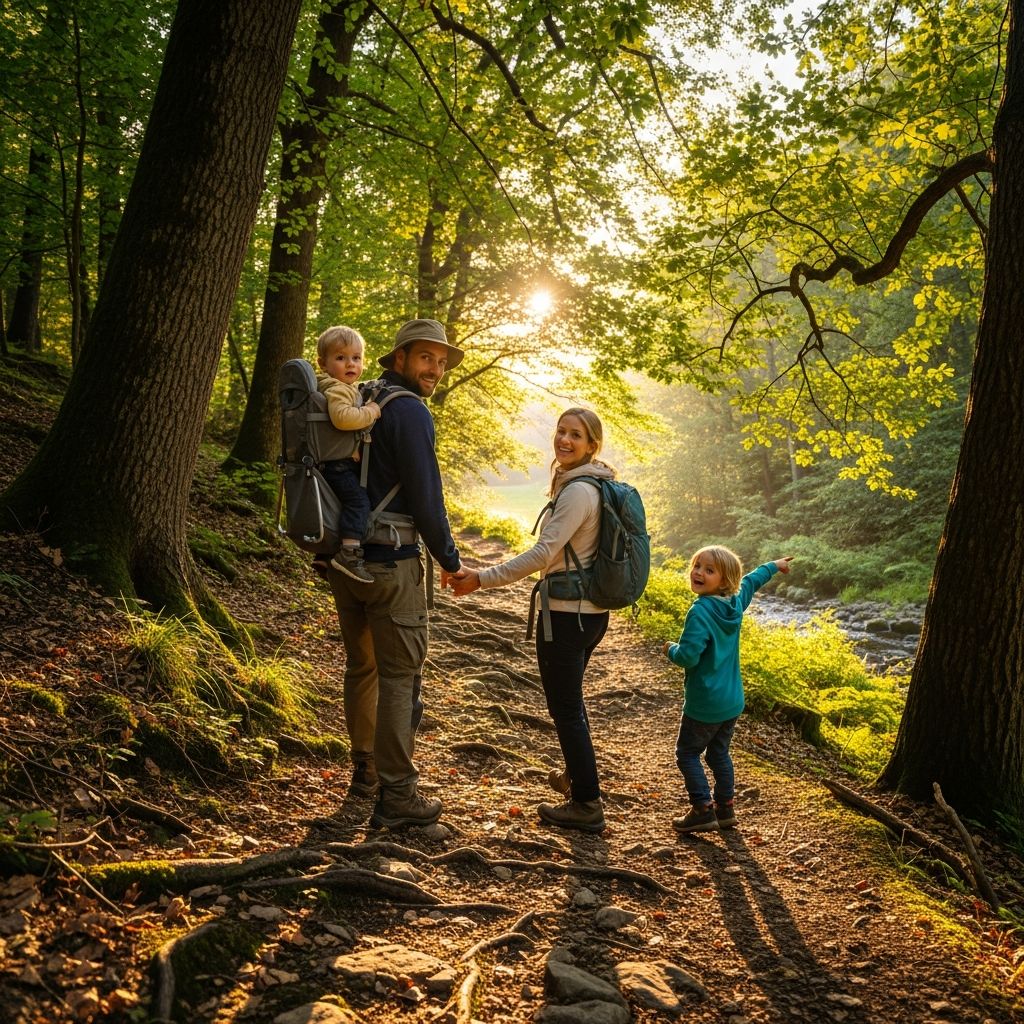
Introducing Your Youngest Family Members to the Outdoors
Camping with infants and toddlers might seem daunting, but with proper preparation and realistic expectations, it becomes an accessible and rewarding family experience. Many parents worry that young children cannot enjoy outdoor adventures, yet thousands of families successfully introduce their babies to camping each year. The key lies in understanding what young children need to feel safe, comfortable, and engaged in a natural environment.
Taking your baby camping creates lasting memories while building a foundation for a lifelong appreciation of nature. Young children are remarkably adaptable, and early exposure to outdoor environments can foster confidence and curiosity. This guide addresses the practical considerations that transform camping from an intimidating prospect into an achievable family goal.
Thermal Comfort and Sleep Solutions
Temperature regulation represents one of the most critical factors when camping with young children. Infants and toddlers cannot communicate discomfort as effectively as older children, making it your responsibility to monitor their thermal needs continuously.
Layering Strategies for Temperature Control
The foundation of thermal comfort begins with proper clothing layers. Your child should wear a base layer, an insulating middle layer, and a protective outer layer. Base layers made from moisture-wicking materials help draw perspiration away from the skin. Fleece and wool provide excellent insulation, maintaining warmth even when damp—an important consideration in unpredictable outdoor conditions. Avoid cotton, which loses insulating properties when wet.
When temperatures drop below 50 degrees Fahrenheit, or even 60 degrees in wet and windy conditions, body temperature can decline rapidly in inadequately dressed infants. Nighttime sleeping requires additional attention, with specialized sleep sacks or fleece bunting providing cozy alternatives to standard blankets that may pose suffocation risks.
Sleep Setup and Bedding Essentials
Establishing a familiar sleep environment helps young children adjust to tent sleeping. If your baby typically sleeps in a specific type of lounger or bassinet at home, bringing that same item camping allows them to maintain sleep routines. Travel bassinets designed specifically for camping provide safe sleeping spaces that keep infants separate from parents while remaining secure.
Shelter setup should include multiple layers: a ground cloth prevents moisture from seeping upward, while extra blankets and sleeping bags provide warmth. For families with toddlers accustomed to independent sleeping, a portable crib maintains familiar sleep boundaries within the tent.
Protective Gear Against Environmental Elements
Sun and Insect Protection
Pediatric guidelines recommend avoiding chemical insect repellents and sunscreen on babies younger than six months, with some sources recommending waiting until two months for any repellent use. This necessitates alternative protection methods that are equally effective when properly implemented.
Clothing provides your first line of defense against both sun and insects. Long-sleeved shirts, pants tucked into socks, and wide-brimmed hats create a physical barrier that protects delicate skin. Lightweight, light-colored fabrics reflect rather than absorb heat, keeping children cooler during warm camping days. For maximum protection, consider specialized sun-protective clothing designed for outdoor activities.
Additional protective measures include setting up camp in naturally shaded areas, using umbrellas to create portable shade, and installing bug nets around play areas or sleeping spaces. Citronella candles and screened enclosures provide environmental insect deterrents without direct application to skin. When your child reaches an appropriate age, consult your pediatrician before introducing any chemical protections, and always test new products on a small skin area first.
Altitude Considerations
Infants under six months should not be taken above 2,500 feet rapidly, as the combination of thin air and cold temperatures can create breathing difficulties. If your camping destination involves high elevation, allow several days for acclimatization or select lower-altitude alternatives for very young babies.
Safety Infrastructure and Hazard Prevention
Campsite Inspection Protocol
Before unpacking any gear, thoroughly inspect your campsite for hazards that pose specific risks to young children. Look for sharp rocks and sticks, broken glass, leftover matches, discarded garbage, and abandoned camping equipment from previous visitors. Babies and toddlers explore their environment by touching and mouthing objects, making debris removal essential.
Vegetation presents hidden dangers that parents often overlook. Poison ivy, St. John’s Wort, poppies, and philodendron can cause skin irritation or systemic illness if ingested by curious toddlers. Familiarize yourself with common plants in your camping region and either avoid them or teach older toddlers to recognize and avoid dangerous species.
Fire and Water Safety
Campfires create both warmth and danger. Keep young children at a safe distance, never leave fires unattended, and ensure complete extinguishment before sleeping. A portable play-yard positioned away from the fire pit, cooking areas, and open water provides a contained space where your baby remains safe while you attend to camp tasks.
Safety-pin tent zippers together at night to prevent curious toddlers from wandering into the dark forest while you sleep. This simple precaution provides peace of mind when supervising multiple children or managing exhaustion from outdoor activities.
Medication and Tool Management
Store all medications, insect repellents, roasting sticks, knives, and other potentially dangerous tools in locations completely inaccessible to children. Establish a designated storage area outside the play zone, and maintain inventory of these items throughout your trip.
Essential Gear and Equipment Selection
Core Camping Equipment
Successful camping requires thoughtful packing of items specifically suited to young children’s needs. The following equipment categories ensure basic comfort and safety:
- Diapers, wipes, and a portable changing pad for sanitation
- Rain gear and extra clothing sets for weather changes
- Flashlights with extra batteries and headlamps for children
- First-aid kits and hand sanitizer
- Feeding supplies appropriate to your child’s developmental stage
- Simple toys for entertainment and development
- Garbage bags for waste management
- Baby carrier or backpack for hiking with infants
Sleeping Solutions for Different Ages
Infants benefit from travel bassinets or portable cribs that provide familiar sleeping surfaces in an outdoor setting. As children grow, inflatable toddler beds or adult-sized sleeping pads with proper insulation offer comfortable alternatives. Whatever sleeping solution you choose, familiarize your child with it before your trip by having them sleep in it at home for several nights.
Activity and Containment Gear
Portable play pens create safe zones for babies during cooking or campfire time. For mobile toddlers, consider bringing standing seats or back carriers that allow them to observe camp activities while remaining secure. An outdoor blanket with a toy or two provides a designated play area with clear boundaries.
Nutrition and Hydration Planning
Camping disrupts normal routines, making nutrition planning essential for maintaining energy and mood. Stick with healthy, easy-to-prepare snacks rather than high-sugar options that create energy crashes and behavioral challenges. Ensure adequate water intake, particularly for children who may not self-regulate hydration in outdoor settings.
Avoid introducing new foods during camping trips, as dietary changes combined with environmental adjustments can create digestive upset. Pack familiar favorites your child already enjoys and tolerates well, allowing nutrition to remain a stable, predictable aspect of an otherwise novel experience.
Clothing Strategy for Variable Conditions
Layering for Activity and Temperature Changes
Lightweight base layers, insulating middle layers, and protective outer layers create a system that adapts to changing conditions throughout the day. Bring an extra complete outfit in case of unexpected rain or accidents. This approach proves far more practical than trying to manage bulky individual pieces.
Practical Clothing Philosophy
Select clothing your family is willing to get dirty, stained, and damaged during outdoor play. This psychological shift reduces parental stress and allows children to explore freely without constant warnings about appearance. Designate an old-clothes fund—items destined for donation anyway—ensuring you maintain comfort with normal camping mess.
Keeping Young Campers Engaged and Active
Activity Planning and Entertainment
A bored toddler gravitated toward dangerous situations like fire pits and garbage. Strategic activity planning prevents behavioral problems while building positive associations with camping. Walking paths through nature, collecting smooth rocks and interesting sticks, and exploring safe areas of the campsite provide entertainment while burning energy for better sleep.
Create a mix of structured and unstructured activities. Structured activities like treasure hunts or nature scavenger hunts engage the mind, while unstructured play with natural materials develops creativity. Balance active pursuits with quiet time to prevent overstimulation.
Age-Appropriate Exploration
Even very young children benefit from supervised exploration. Babies in carriers can observe nature, while toddlers enjoy collecting items and investigating their surroundings under watchful eyes. These experiences build confidence and curiosity about the natural world.
Pre-Trip Preparation and Planning
Research and Assessment
Before selecting a campsite, research conditions and potential hazards. Contact park rangers or campsite hosts to learn about wildlife activity, weather forecasts, air quality, and structural hazards like dead trees or rock fall potential. This information guides decisions about appropriate destinations for your family’s specific needs.
Checklist Development
Create comprehensive packing lists organized by category: shelter and bedding, clothing, safety equipment, food and water, entertainment, and personal care items. Use the same checklist for every trip, refining it based on lessons learned from previous experiences.
Mental Preparation and Realistic Expectations
Attitude and Flexibility
Successful camping with young children requires releasing perfectionism about cleanliness, schedule adherence, and conventional camping activities. Expect tears, unexpected wake-ups, and equipment failures. These challenges become manageable when you anticipate them and maintain perspective about the true goal: building family connections in a natural setting.
Creating Positive Memories
Document your camping experience with photos and videos, creating concrete evidence of outdoor adventures your children will treasure as they grow. These records validate the effort you invested and provide family storytelling material for years to come.
Health Monitoring During Camping
Constant supervision becomes necessary when young children interact with unfamiliar environments. Watch for signs of hypothermia—shivering, cold or pale skin, decreased alertness—particularly in very young infants. Monitor for signs of overheating, dehydration, or insect bites that could become infected.
Keep a well-stocked first-aid kit accessible and know the location of the nearest medical facility. For very young infants or children with health conditions, consider camping closer to civilization initially.
Frequently Asked Questions
Q: At what age can babies first go camping?
A: Babies can camp at any age with proper precautions, though avoiding high altitudes before six months and carefully managing temperature regulation for very young infants is important.
Q: What if my baby won’t sleep in a tent?
A: Familiarizing your baby with their camping sleep setup at home for several nights before the trip increases acceptance. Some families find that RV camping or cabin alternatives work better initially.
Q: How do I prevent my toddler from running into the forest at night?
A: Safety-pinning tent zippers together creates a barrier against accidental wandering while maintaining emergency exit accessibility for parents.
Q: Can I use insect repellent on my baby?
A: The CDC recommends avoiding repellents on babies under two months, while the Environmental Working Group suggests waiting until six months. Consult your pediatrician before applying any chemical products.
Q: What’s the best way to keep babies warm while camping?
A: Layer clothing with moisture-wicking base layers, insulating middle layers, and protective outer layers. Add a specialized sleep sack for nighttime, and include warm socks and hats.
References
- Camping with Babies and Toddlers is Easier Than You Think — San Diego Family Magazine. 2024. https://www.sandiegofamily.com/parenting/baby/camping-with-babies-and-toddlers
- Seattle Children’s Pediatrician Shares Camping Safety Tips — Seattle Children’s Hospital. 2024. https://www.seattlechildrens.org/healthy-tides/safety-tips-camping/
- How to Camp with a Baby — REI Expert Advice. 2024. https://www.rei.com/learn/expert-advice/how-to-camp-with-a-baby.html
- All You Need to Know to Camp with Your Babies and Kids — Born a Backpacker. 2023. https://www.bornabackpacker.com/single-post/all-you-need-to-know-to-camp-with-your-babies-and-kids