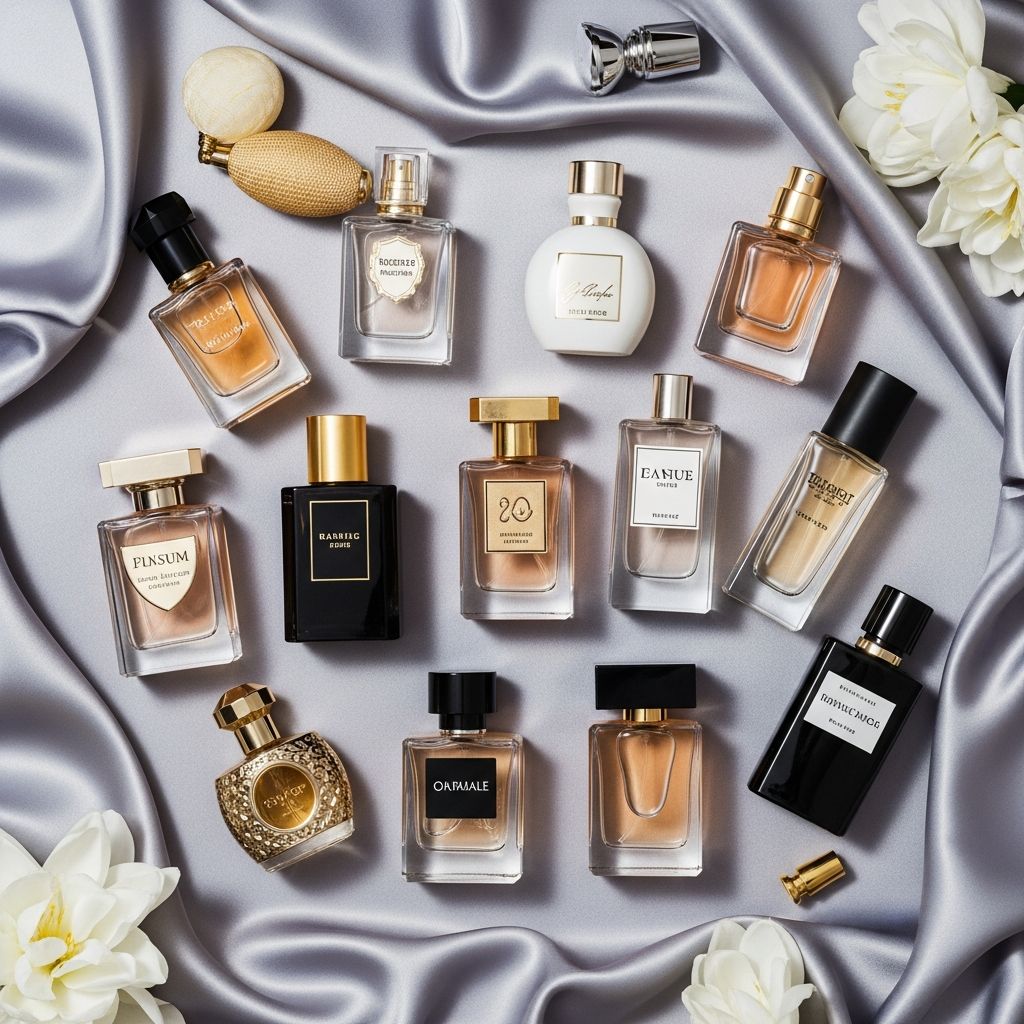
Buying perfume can feel intimidating: rows of beautiful bottles, poetic descriptions, and sales pitches promising that one magical scent that will change your life. Yet fragrance is ultimately personal, and a smart approach can turn confusion into enjoyment. This guide walks through how perfume works, what the jargon means, and how to shop in a way that protects your budget and respects your nose.
Why Fragrance Feels So Personal
Scents are tied closely to memory and emotion, which is why two people can react very differently to the exact same perfume. A fragrance that reminds one person of a favorite vacation might recall an unpleasant memory for someone else. This emotional layer is why trusting your own reaction matters more than trends or hype.
On top of emotions, skin chemistry, lifestyle, and climate all influence how perfume behaves during the day. A scent that smells light and fresh on one person might turn heavier or sweeter on another. Understanding this helps set realistic expectations and encourages you to test rather than blindly follow recommendations.
Understanding Fragrance “Notes”
Most perfumes are described in terms of top, heart, and base notes. These are not separate ingredients you smell in layers, but a convenient way to explain how a scent evolves over time.
- Top notes: The first impression, often citrus, green, or light aromatic notes that fade within minutes to an hour.
- Heart notes: The main character of the scent, commonly florals, spices, or fruits that appear once the top notes soften.
- Base notes: The long-lasting foundation, such as woods, resins, musks, and vanilla, lingering for hours.
Thinking in terms of notes can help you identify patterns you like. If you often enjoy fragrances with citrus openings and woody bases, you can look for perfumes that list similar combinations.
Major Fragrance Families Explained
Fragrances are often grouped into families that share a general style. Knowing these families gives you a shortcut when scanning descriptions online or in-store.
| Fragrance Family | Typical Impression | Common Notes | Good For |
|---|---|---|---|
| Citrus & Fresh | Clean, bright, energizing | Lemon, bergamot, grapefruit, aquatic notes, green leaves | Warm weather, daytime, office wear, beginners |
| Floral | Romantic, soft to bold | Rose, jasmine, iris, orange blossom, peony | Date nights, special occasions, those who like classic perfumes |
| Oriental / Amber | Warm, rich, sometimes spicy | Vanilla, amber, spices, resins, incense | Evenings, cooler weather, statement scents |
| Woody | Grounded, smooth, elegant | Cedar, sandalwood, vetiver, patchouli | Work environments, unisex scents, year-round use |
| Gourmand | Edible, cozy, sweet | Caramel, chocolate, coffee, tonka bean | Casual wear, cooler months, lovers of sweet scents |
Most modern perfumes mix these families, but identifying which direction a fragrance leans can quickly tell you if it is likely to fit your taste.
Perfume Strengths and Concentrations
Not all perfumes are equally strong. The difference usually comes from the concentration of aromatic oils in the formula, not just the bottle size. This affects how intense the scent is and how long it lasts.
- Parfum (Extrait): Highest concentration, usually strongest and longest lasting; often requires only a drop or two.
- Eau de Parfum (EdP): Popular everyday strength with good longevity and noticeable sillage.
- Eau de Toilette (EdT): Lighter, often more airy versions of similar compositions.
- Eau de Cologne: Very light and fresh, often used for quick refreshment with modest staying power.
- Body mists / sprays: Softest and shortest lasting, good for layering or very subtle scent.
Choosing the right concentration depends on where you will wear the fragrance, how subtle or bold you like your scent, and your sensitivity to strong smells.
How to Test Perfume in Store
Testing wisely prevents decision fatigue and helps you understand how a perfume truly behaves on your skin. Over-spraying everything in sight quickly leads to nose fatigue, making all scents blend together.
- Start with blotters: Spray a few options on paper strips to narrow down your picks before applying anything to your skin.
- Limit skin tests: Choose two or three contenders to try on different pulse points such as wrists or the inside of elbows.
- Wait and walk: Give each perfume at least 20–30 minutes to develop while you shop or step outside for fresh air.
- Check in stages: Smell again after an hour or two to see how you feel about the dry-down, not just the opening.
Bringing a small notebook or using your phone to record the names and brief impressions can help you remember which scents stood out once you leave the store.
Smart Strategies for Buying Perfume Online
Online shopping opens access to hundreds of fragrances, but you cannot rely on your nose in real time. Instead, you have to treat descriptions, reviews, and samples as your guides.
- Read the listed notes and see if they match scents you already enjoy from other perfumes or personal care products.
- Pay attention to how reviewers describe the overall mood and strength, not only whether they love or hate the fragrance.
- Look for sample sets or travel sizes before committing to a full bottle, especially for more expensive niche brands.
When possible, buy from retailers with clear return or exchange policies in case the perfume truly does not work for you.
Considering Skin Chemistry and Environment
Even though formulations aim for consistency, temperature, humidity, and skin type can change how a perfume appears. Oily skin can sometimes hold fragrance longer, while very dry skin might cause scents to fade more quickly.
Climate also matters: what smells cozy and comforting in winter may feel overpowering in summer heat. Many people build a small wardrobe of perfumes that suit different seasons and contexts rather than relying on a single bottle for every situation.
Building a Small Perfume Wardrobe
Instead of chasing every new release, focus on a compact set of fragrances that match distinct parts of your life. This approach prevents clutter and gives each scent a clear role.
- Everyday scent: A comfortable, non-intrusive perfume suitable for work or errands.
- Evening scent: Something richer or more dramatic for nights out or special dinners.
- Relaxed weekend scent: A soft, casual fragrance that feels right with jeans and a sweater.
- Memorable occasion scent: A perfume reserved for big milestones, holidays, or events so the smell becomes tied to those memories.
Over time, you can add or swap fragrances in each category as your preferences evolve or as bottles are used up.
Common Mistakes to Avoid
A few widespread perfume habits often lead to disappointment or wasted money. Being aware of them ahead of time can save frustration.
- Blind buying full bottles: Purchasing large bottles purely based on marketing or online hype without ever smelling the perfume.
- Judging by the first minute only: Deciding too quickly during the top-note phase and missing how the scent settles over time.
- Overspraying: Assuming more is better and ending up with a cloud that can overwhelm you and people nearby.
- Ignoring context: Wearing a heavy, sweet scent in a cramped office or a super-fresh cologne to a formal evening event without considering how it will feel.
Learning from these mistakes quickly makes you a more confident and considerate fragrance wearer.
Basic Perfume Etiquette and Application Tips
How you apply perfume influences not only your enjoyment but also the comfort of people around you. A light, thoughtful approach goes a long way.
- Spray from a small distance onto pulse points such as wrists, neck, or the back of knees.
- Avoid rubbing wrists together aggressively, which can slightly alter how the scent opens.
- Adjust the number of sprays based on concentration, season, and how close you will be to others.
- In scent-free or sensitive environments, consider skipping perfume or opting for very subtle body products.
For clothing-safe fragrances, misting lightly over fabric or hair can help the scent last longer, but always test first to avoid staining delicate materials.
Frequently Asked Questions About Buying Perfume
How do I know if a perfume suits me?
A perfume usually suits you if you enjoy smelling it on yourself over several hours, not only in the first minutes. If you find yourself repeatedly sniffing your wrist with pleasure and it does not cause headaches or discomfort, it is likely a good match for your taste, lifestyle, and environment.
How many perfumes do I really need?
There is no required number, but many people feel satisfied with three to five versatile scents that cover work, casual, and special-occasion situations. Collecting more is a hobby for some, yet it is not necessary to own dozens to feel well-fragranced.
Should I buy testers or discounted bottles?
Tester bottles and discounted options from trustworthy retailers can be a budget-friendly way to purchase perfume, provided authenticity is guaranteed. Always prioritize reputable sellers and clear return policies over deals that seem too good to be true.
How long can I keep a bottle of perfume?
Most perfumes stay in good condition for several years if stored away from light, heat, and humidity. Once a fragrance starts smelling sour, flat, or noticeably different from when you bought it, it may be time to retire the bottle.
Can I share my perfume with others?
Perfume is safe to share, but be aware that different skin chemistry may change how it smells on another person. If hygiene is a concern, you can spray onto their wrist from a distance instead of letting them press the nozzle directly against skin.
Final Thoughts
Perfume does not have to be mysterious or intimidating. By learning the basic language of fragrance, testing thoughtfully, and staying honest about what you actually enjoy, you can build a small collection of scents that feel like an extension of your personality rather than a random assortment of bottles.