Self-esteem forms the foundation of a child’s emotional health, influencing how they approach challenges, interact with others, and perceive their own worth. Children with healthy self-esteem are more resilient, willing to try new things, and better equipped to handle setbacks. Parents play a pivotal role in cultivating this vital trait through everyday interactions and intentional practices.
Understanding the Roots of Childhood Self-Esteem
Self-esteem in children aged 1-8 years is essentially their sense of self-worth, which develops through loving relationships, consistent encouragement, and positive feedback. It empowers kids to experiment, persist through difficulties, and build social connections. Research from child development experts emphasizes that early experiences shape this foundation, making parental involvement crucial during formative years.
Highly sensitive children, in particular, may require extra support to gain confidence, as they process emotions deeply. Creating environments that celebrate small wins and validate feelings helps all children, but especially those who feel emotions intensely, to internalize a positive self-image.
Daily Practices for Boosting Confidence
Incorporating simple habits into family routines can profoundly impact a child’s self-view. Here are key strategies drawn from expert recommendations:
- Unconditional Love and Affection: Regularly express delight in your child simply for being themselves. Spend one-on-one time engaging in their interests, offering hugs, high-fives, and sincere physical affection to convey acceptance.
- Positive Self-Talk Modeling: Teach children to replace negative thoughts with affirmations like ‘I can try again’ or ‘I am capable.’ Practice this together daily, using tools like affirmation cards placed visibly around the home.
- Name Recognition and Praise: Address children by name during positive moments and praise specific character traits, such as kindness or perseverance, rather than just accomplishments. This builds intrinsic worth.
- Overheard Positivity: Let children ‘accidentally’ hear you praising their efforts to others, which reinforces belief in the feedback.
Setting Achievable Goals and Celebrating Progress
Helping children set realistic goals teaches them planning, persistence, and the joy of achievement. Break larger objectives into small, manageable steps with deadlines, then celebrate completions enthusiastically. This method fosters a growth mindset, showing kids that effort leads to success.
Create an ‘accomplishments box’ where children store drawings, awards, or notes of pride. Reviewing it during doubtful moments reminds them of past triumphs, reinforcing capability. Similarly, a ‘Wall of Fame’ displaying effort-based achievements provides visual motivation.
| Goal Type | Example for Ages 3-5 | Example for Ages 6-8 | Celebration Idea |
|---|---|---|---|
| Daily Routine | Tie shoes independently | Pack school bag alone | Sticker chart reward |
| Skill-Building | Complete puzzle | Read a short book | Family high-five party |
| Social | Share toy with sibling | Invite friend to play | Special outing snack |
Embracing Failure as a Learning Opportunity
Modeling healthy responses to mistakes is essential. When children fail, listen empathetically, acknowledge their disappointment, and highlight effort: ‘I’m proud of your hard work; let’s try a new way.’ This builds resilience and normalizes setbacks as part of growth.
Encourage retrying tasks with phrases like ‘I believe in you—give it another go.’ Role-play social scenarios, such as joining playgroups with a smile, to build confidence in peer interactions. Parents should demonstrate positivity after their own errors, emphasizing lessons learned over perfection.
Fun Activities to Spark Self-Assurance
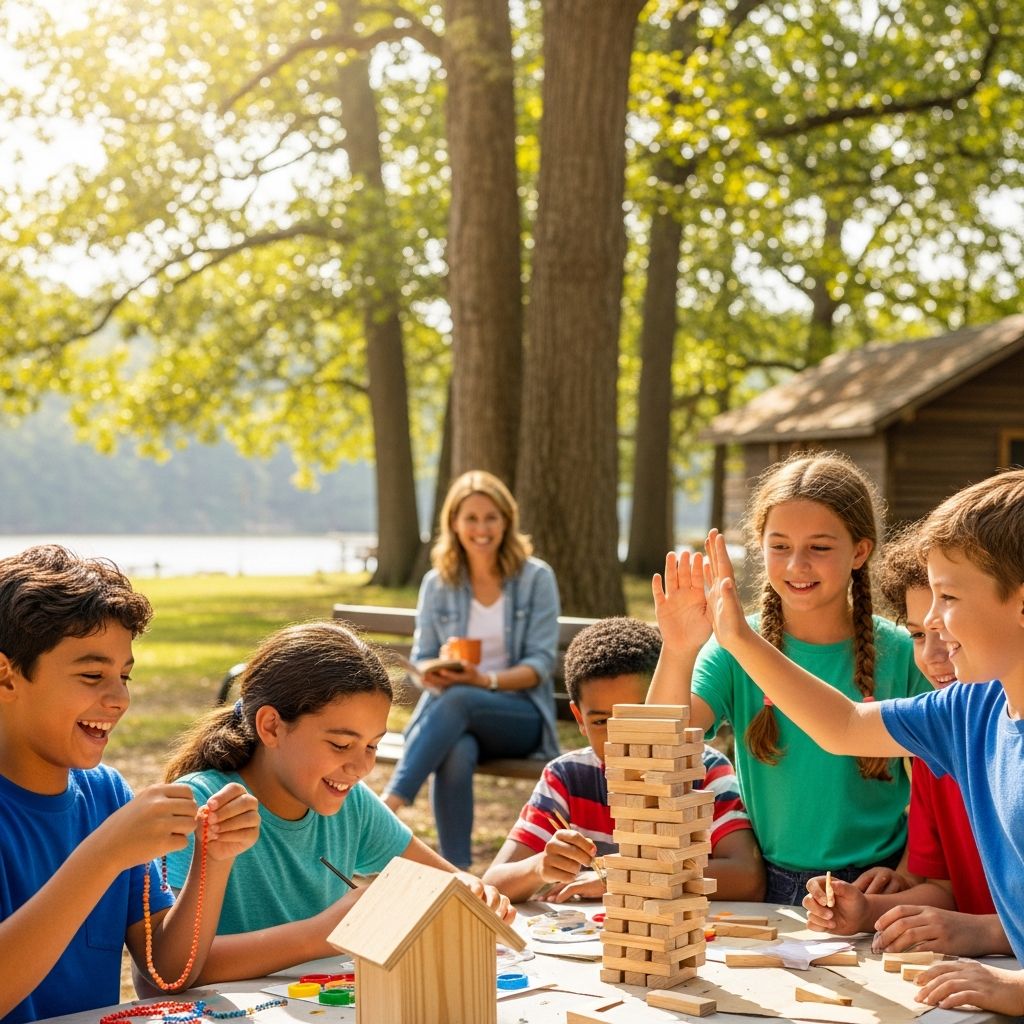
Engaging children in enjoyable challenges naturally boosts confidence through mastery and fun. Select age-appropriate activities they love:
- Obstacle Courses: Use household items for physical challenges that promote problem-solving and visible progress.
- Storytelling and Role-Playing: Let kids invent tales or act out roles like doctor or teacher, enhancing expression and empathy.
- DIY Projects: Simple science experiments or gardening teach responsibility and yield tangible results, like growing plants.
- Puzzles and Games: Board games or chess sharpen thinking, with each win reinforcing competence.
- Community Service: Volunteering instills purpose and pride through positive impact.
- Public Speaking Practice: Family shares or school events reduce anxiety and build communication skills.
Display their artwork or self-portraits at home to foster belonging. Assign ‘special tasks’ like pet care or cooking help, using the word ‘special’ for an extra boost.
Role Modeling and Social Skill Development
Children mirror parental behaviors, so embody the confidence you wish to instill. Show authentic emotions, make decisions visibly, and handle risks positively. Praise character over outcomes in games: ‘Did you enjoy it?’ rather than just ‘Did you win?’.
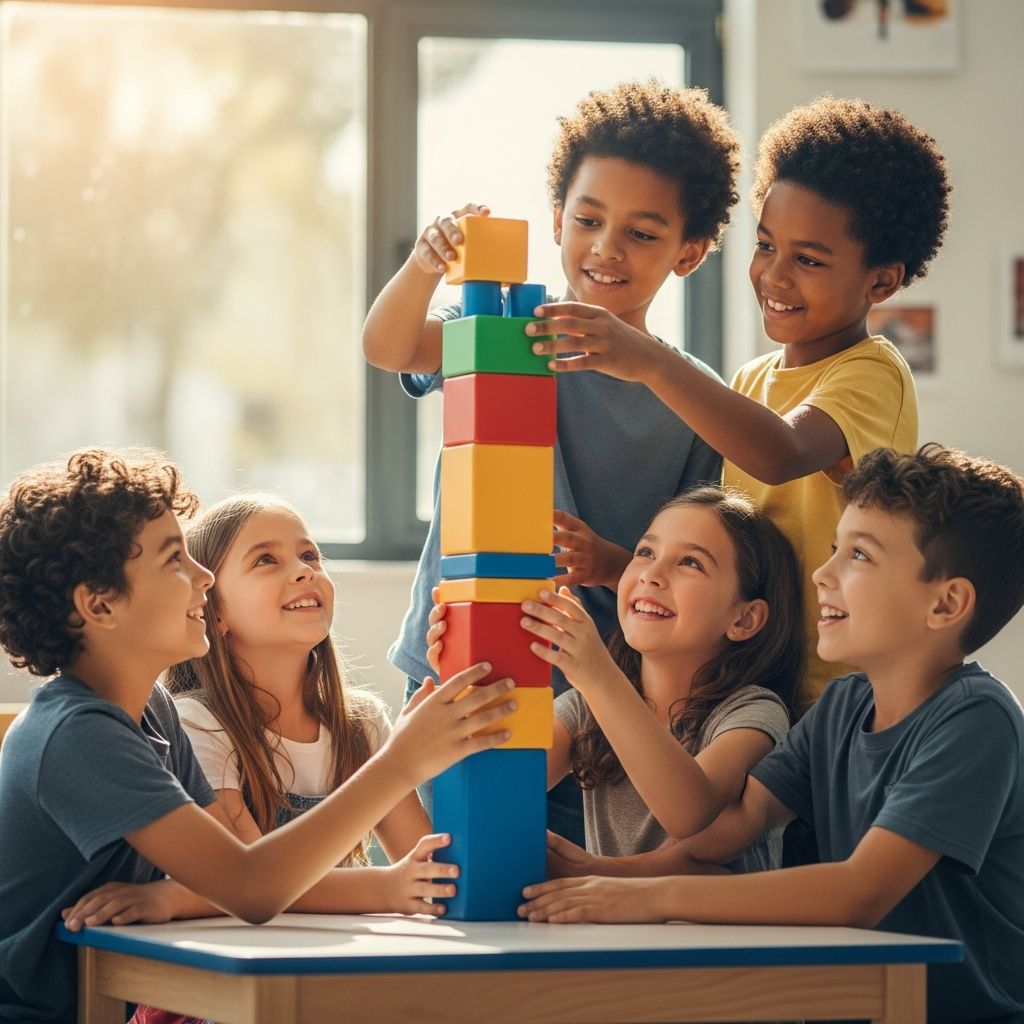
Provide choices like outfit selection to empower decision-making. Coach through social hurdles via role-play, building friendly interaction skills. Turn-taking games enhance cooperation and social ease.
Addressing Unique Needs: Sensitive and Shy Children
For highly sensitive kids, validate emotions deeply and create low-pressure success opportunities. Affirmation routines and accomplishment tracking are particularly effective. Ensure all children feel their authentic selves are valued, encouraging emotional expression.
Frequently Asked Questions (FAQs)
What if my child is afraid to try new things?
Start small with supported activities, praise effort, and model trying yourself. Gradually increase challenges to build comfort.
How much praise is too much?
Focus on specific, effort-based praise rather than generic or excessive flattery to avoid dependency. Quality over quantity builds true esteem.
Can activities like sports help?
Yes, team sports or individual challenges teach perseverance and teamwork, but emphasize fun and participation over winning.
How do I help after a big failure?
Empathize, discuss learnings, and co-plan next steps. Avoid rescuing; let them lead recovery.
What’s the role of school in self-esteem?
Teachers assigning tasks and displaying work reinforces competence. Collaborate with educators for consistent support.
Long-Term Benefits of Nurtured Self-Esteem
Children with strong self-esteem enter adolescence and adulthood better prepared for independence, relationships, and careers. They exhibit lower anxiety, higher academic performance, and healthier coping mechanisms. Consistent parental efforts yield lifelong resilience.
By integrating these strategies—praise, goals, activities, modeling—you equip children to view themselves as capable and worthy. Start today with one practice, like an affirmation or special task, and watch confidence blossom.
References
- Six (6) Strategies to Build a Child’s Confidence and Self-Esteem — Children’s Hunger Safety. 2024-04-01. https://chs-ca.org/chs-blog/six-6-strategies-to-build-a-childs-confidence-and-self-esteem/
- 14 Self Confidence Boosting Activities That Kids Naturally Love — Kong Academy. N/A. https://www.kongacademy.org/14-self-confidence-boosting-activities-that-kids-naturally-love/
- Helping Your Highly Sensitive Child Gain Confidence — GenMindful. N/A. http://genmindful.com/blogs/mindful-moments/helping-your-highly-sensitive-child-gain-confidence
- Self-esteem in children 1-8 years — Raising Children Network (Australian Government-funded). N/A. https://raisingchildren.net.au/toddlers/behaviour/understanding-behaviour/about-self-esteem
- Practical ways to raise confident kids — Mayo Clinic Health System. N/A. https://www.mayoclinichealthsystem.org/hometown-health/speaking-of-health/practical-ways-to-raise-confident-kids
- 25 Things You Can Do Right Now To Build a Child’s Confidence — Big Life Journal. N/A. https://biglifejournal.com/blogs/blog/child-confidence