Understanding Self-Control in Children
Self-control is the ability to manage thoughts, emotions, and behaviors in order to achieve goals and respond appropriately to situations. For children, developing self-control is a crucial part of growing up, as it helps them make thoughtful decisions, handle frustration, and interact positively with others. Unlike innate traits, self-control is a skill that can be nurtured and strengthened over time with consistent support and practice.
Why Self-Control Matters
- Children with strong self-control are better equipped to handle stress and setbacks.
- They tend to have healthier relationships and perform better academically.
- Self-control lays the foundation for responsible decision-making and emotional resilience.
Building Blocks of Self-Control
Self-control is not just about resisting impulses; it also involves planning, patience, and emotional regulation. Parents can help children develop these skills by creating a supportive environment and modeling healthy behaviors.
Establishing Routines and Predictability
Consistent routines help children feel secure and understand what to expect, which reduces anxiety and impulsive reactions. Simple daily rituals—such as regular meal times, bedtime routines, and family play sessions—provide structure and reinforce self-regulation.
Encouraging Choice and Autonomy
Offering children age-appropriate choices empowers them and fosters a sense of control. For example, letting a child decide between two healthy snacks or choose which activity to do first helps them practice decision-making and responsibility.
Teaching Acceptable Behaviors
Instead of focusing only on what children should not do, guide them toward positive alternatives. If a child is throwing toys, show them where and how to play appropriately. This approach helps children learn boundaries while channeling their energy constructively.
Strategies to Strengthen Self-Control
There are many practical ways parents can help children build self-control through everyday interactions and activities.
Play Games That Require Patience
- Games like “Red Light, Green Light” or “Simon Says” encourage children to follow rules and wait their turn.
- Board games and puzzles that require taking turns and following directions also build self-regulation skills.
Practice Mindfulness and Relaxation
Simple breathing exercises, yoga, and stretching can help children calm down when feeling overwhelmed. Encourage children to try deep breathing or muscle relaxation techniques when they feel upset or frustrated.
Use Positive Reinforcement
Recognize and praise children when they demonstrate self-control. For every correction or direction, aim to give several specific compliments. For example, “Thank you for sharing your toys with your friend” reinforces positive behavior.
Model Self-Control
Children learn by observing adults. When parents manage their own emotions and respond calmly to challenges, children are more likely to imitate these behaviors.
Supporting Emotional Regulation
Emotional regulation is a key part of self-control. Children need help identifying and expressing their feelings in healthy ways.
Develop Emotional Vocabulary
Teach children words to describe their emotions, such as “frustrated,” “excited,” or “calm.” This helps them understand and communicate their feelings more effectively.
Create a Peaceful Space
Designate a “peace corner” or calm-down area where children can go when they need to relax or process strong emotions. Stock it with comforting items like stuffed animals, books, or calming music.
Encourage Cooperative Play
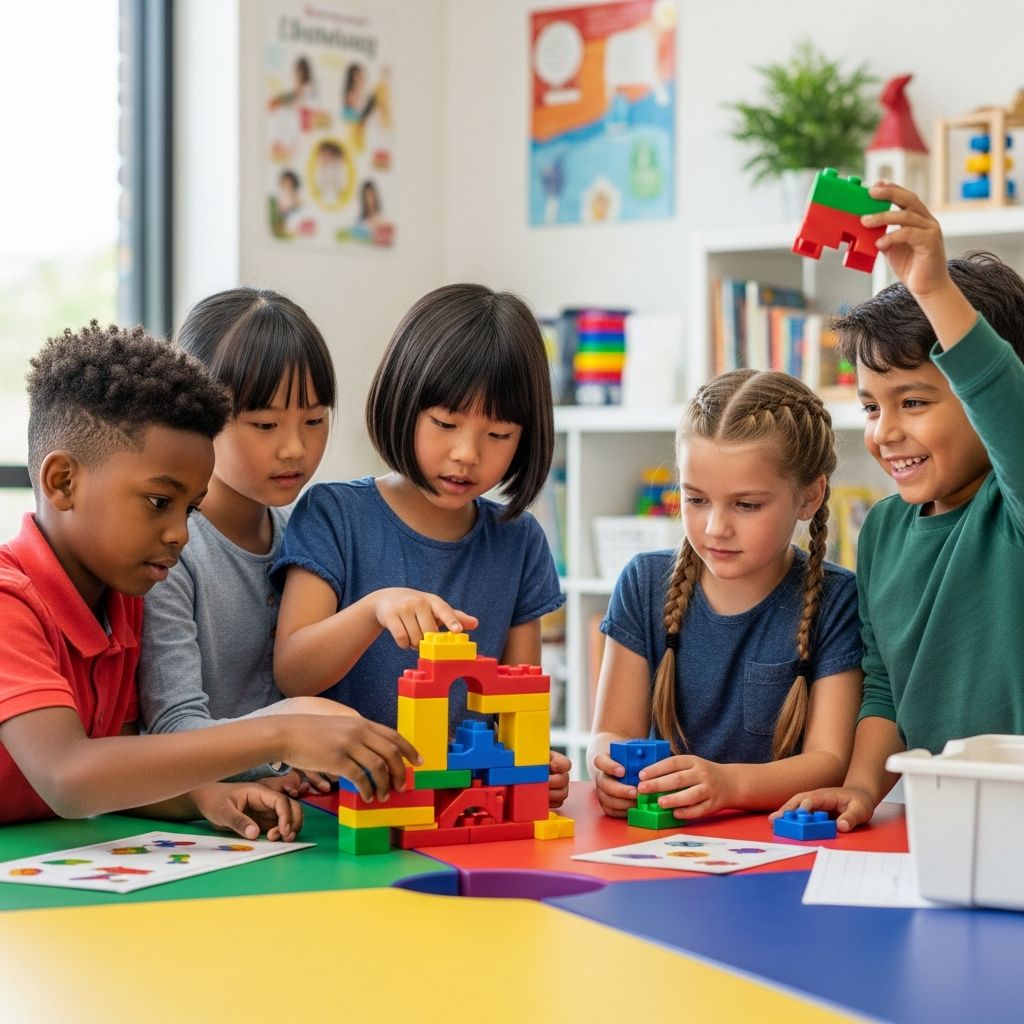
Activities that involve teamwork, such as pretend play or group games, help children practice sharing, taking turns, and resolving conflicts.
Common Challenges and Solutions
| Challenge | Solution |
|---|---|
| Child struggles to wait | Use timers, offer distractions, and gradually increase wait times. |
| Child acts impulsively | Provide clear expectations, use reminders, and practice impulse control games. |
| Child has difficulty calming down | Teach relaxation techniques and create a calming environment. |
FAQs
How can I help my child learn to wait?
Start with short wait times and give your child something to do while waiting, such as a simple activity or a favorite toy. Gradually increase the duration as your child becomes more comfortable.
What are some fun activities to practice self-control?
Games like “Red Light, Green Light,” puzzles, and cooperative pretend play are excellent for building self-control.
How do I handle tantrums or emotional outbursts?
Stay calm, acknowledge your child’s feelings, and guide them through calming strategies like deep breathing or going to their peace corner.
Can self-control be taught at any age?
Yes, self-control can be developed at any age, but early childhood is a critical period for laying the foundation.
How important is parental modeling?
Modeling self-control is essential, as children learn by observing adults’ behavior and responses to challenges.