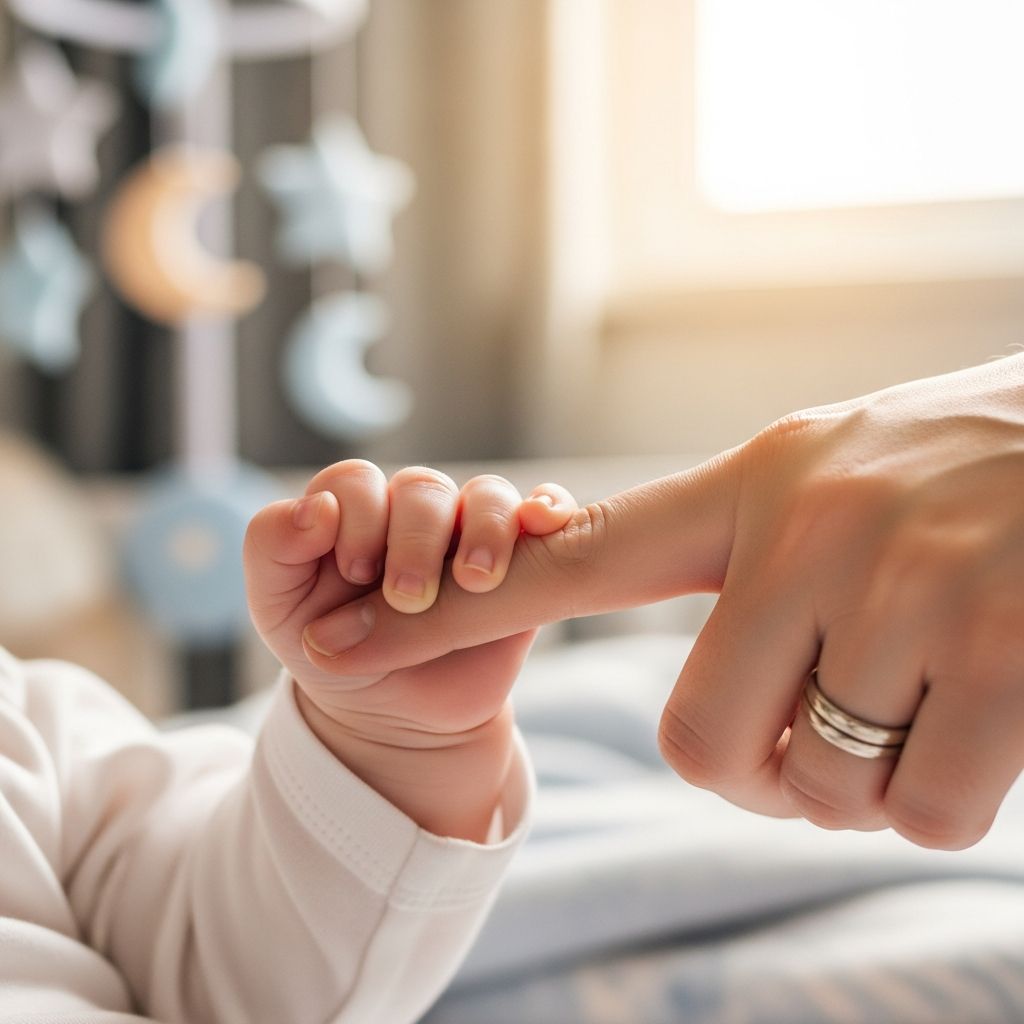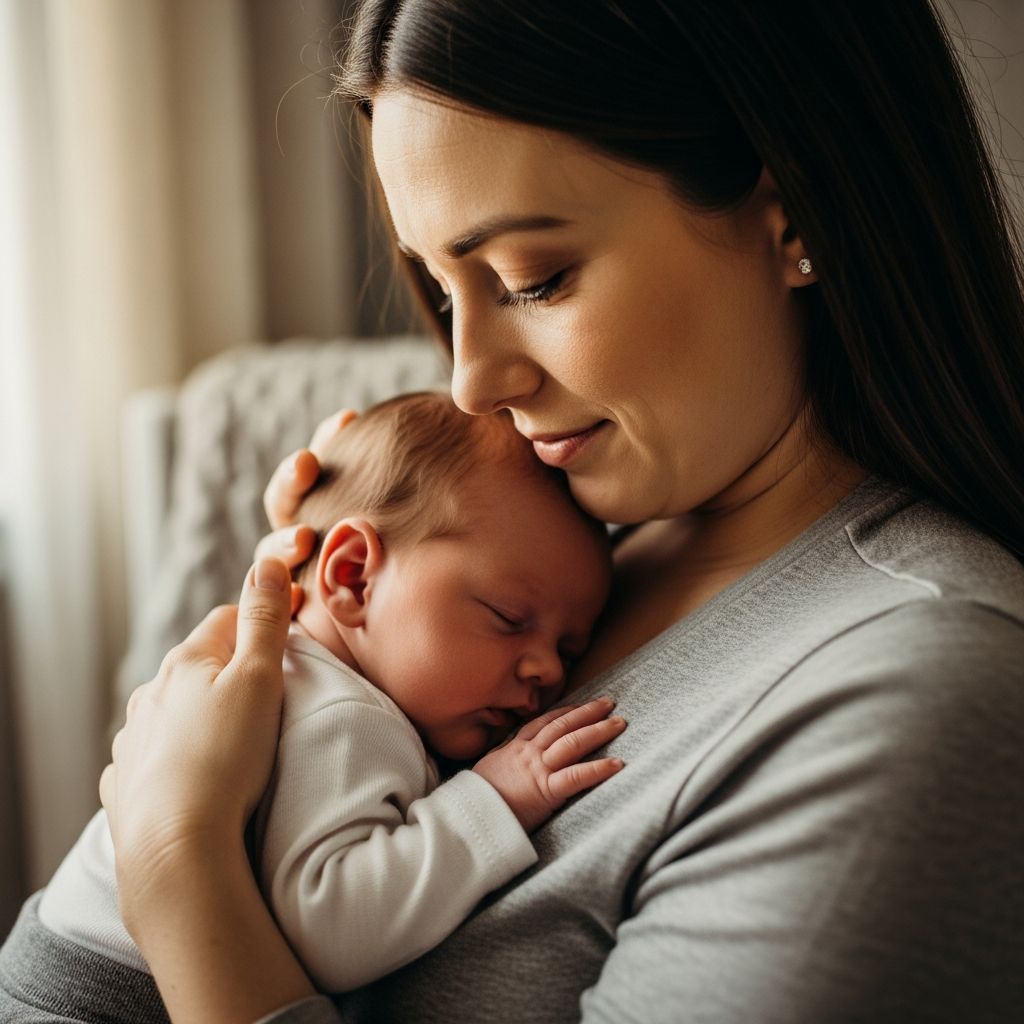
Forming a deep emotional link with your baby begins right after birth and lays the groundwork for their future social, emotional, and cognitive growth. This connection, often called attachment, helps infants feel secure and supports healthy development throughout life.
The Science Behind Parent-Newborn Attachment
Attachment develops through repeated positive interactions that trigger brain changes in parents, particularly in areas linked to reward, motivation, and empathy. For mothers, pregnancy and birth induce structural shifts in the brain, enhancing responses to infant cues like cries or smiles. Studies show these neural adaptations promote nurturing behaviors such as holding and gazing, strengthening the bond.
Fathers experience similar benefits from direct involvement. Research indicates that skin-to-skin contact and interactive care activate paternal brain regions, fostering feelings of closeness and confidence in caregiving. Positive infant responses, like cooing or eye locking, further reinforce this cycle, creating mutual engagement.
Both parents’ bonds correlate weakly but positively, with partner support enhancing paternal attachment. Early interactions, including ultrasound viewings, can jumpstart this process even prenatally.
Essential Physical Touch Techniques
Physical closeness is foundational for attachment. Skin-to-skin contact regulates a newborn’s vital signs—heart rate, breathing, and temperature—while releasing oxytocin, the ‘bonding hormone,’ in both parent and child.
- Skin-to-Skin Holding: Place your bare-chested baby against your bare chest for at least 30-60 minutes daily. Dads and non-biological caregivers benefit equally, reducing infant stress and crying.
- Gentle Massaging: Use soft strokes on the baby’s limbs and back during or after baths to promote relaxation and trust.
- Swaddling and Rocking: Wrap baby snugly and sway rhythmically; observe what soothes them best to build responsiveness.
Baby carriers keep infants close during routines, mimicking womb sensations with your heartbeat and movements, ideal for busy parents.
Harnessing the Power of Voice and Communication
Newborns recognize familiar voices from the womb, associating them with safety. Regular talking, singing, or reading stimulates language centers and emotional security.
- Describe your actions during care: “I’m changing your diaper now” helps baby link sounds to experiences.
- Sing lullabies or nursery rhymes; repetition aids memory and comfort.
- Mimic coos and gurgles to encourage turn-taking, laying groundwork for conversation.
Face-to-face talking with exaggerated expressions captivates their attention, syncing brain activity and deepening ties.
Turning Daily Routines into Bonding Opportunities
Everyday tasks like feeding and diapering offer prime bonding windows if approached mindfully.
| Activity | Bonding Benefits | Tips for All Caregivers |
|---|---|---|
| Feeding (Breast or Bottle) | Learns hunger cues; releases oxytocin; eye contact strengthens link. | Fathers handle night feeds; gaze lovingly while holding. |
| Diaper Changes | Builds trust through gentle touch; chat or sing throughout. | Make eye contact; narrate steps to reduce fussiness. |
| Bathing | Sensory exploration; calming water play fosters playfulness. | Support head securely; explore textures like your face beard. |
| Middle-of-Night Care | Special quiet time; builds unique parent-child rituals. | Dim lights; soothe with voice before returning to sleep. |
Respond promptly to cries—decode needs like hunger or tiredness—to affirm baby’s world is safe and predictable. This prevents insecurity later.
Unique Strategies for Dads and Other Caregivers
Paternal bonding thrives on active participation, not biology. Direct care like feeding and holding elicits joyful responses, boosting connection. Video guidance programs aid fathers post-preterm birth.
- Participate in delivery if possible for immediate contact.
- Use carriers for hands-free bonding during walks.
- Share soothing techniques with co-parents for consistency.
Non-biological caregivers follow the same methods, gaining confidence through repetition. Patience is key—bonds form over time, varying by family.
Brain Development and Long-Term Impacts
Strong attachments shape brain wiring for emotion regulation and relationships. Responsive care activates reward centers, like the orbitofrontal cortex, tuning parents to infant needs. Infants with secure bonds explore confidently and form healthy ties as adults.
Contrary to myths, frequent holding doesn’t spoil babies; it builds secure, independent children. Brain synchronization during gazes enhances warmth and interaction quality.
Overcoming Bonding Challenges
Not all bonds form instantly—postpartum hormones, sleep deprivation, or preterm birth can delay feelings. Persistence pays off; most parents bond through routine interactions.
- Seek partner support and share duties.
- Consult pediatricians early if feelings don’t emerge; interventions like video feedback help.
- Include siblings safely in playpen time for family bonds.
Traumatic births benefit from guided interactions focusing on positive cues.
Frequently Asked Questions (FAQs)
Can fathers bond as strongly as mothers?
Yes, through skin-to-skin, care routines, and responsive interactions; research confirms equal potential with involvement.
What if bonding takes time?
Normal—continue interactions patiently; bonds strengthen gradually for most families.
Does responding to every cry spoil my baby?
No, prompt comfort in early months fosters security and confidence, per child welfare experts.
How does eye contact help?
It synchronizes brain activity, releases oxytocin, and teaches social cues.
Are baby carriers safe for bonding?
Yes, when properly fitted; they promote closeness and security during daily tasks.
Practical Weekly Bonding Plan
Structure your first weeks for maximum connection:
- Days 1-3: Prioritize skin-to-skin hourly; limit visitors.
- Weeks 1-2: Assign care shifts; talk constantly.
- Weeks 3-4: Introduce massages, carriers; floor play.
- Ongoing: Respond to cues; track what works.
Track progress in a journal to celebrate milestones.
References
- Newborn Bonding for Dads and Non-Biological Caregivers — Northwest Family Clinics. 2023. https://www.northwestfamilyclinics.com/blog/newborn-bonding-dads-and-non-biological-caregivers
- The Current Concept of Paternal Bonding: A Systematic Scoping Review — PMC (National Library of Medicine). 2022-11-01. https://pmc.ncbi.nlm.nih.gov/articles/PMC9690989/
- Maternal brain in the process of maternal-infant bonding: Review of structural changes, functional adaptations and behavioral implications — Taylor & Francis Online. 2020-05-27. https://www.tandfonline.com/doi/full/10.1080/17470919.2020.1764093
- Bonding with baby — Pediatric Associates. 2024. https://www.pediatricassociates.com/health-topics/bonding-with-baby
- Bonding With Your Baby — Rady Children’s Health. 2023. https://www.rchsd.org/health-article/bonding-with-your-baby/
- Infant bonding and your baby’s development: Tips for parents to encourage bonding — UC Davis Health. 2023-11. https://health.ucdavis.edu/blog/cultivating-health/infant-bonding-and-your-babys-development-tips-for-parents-to-encourage-bonding/2023/11