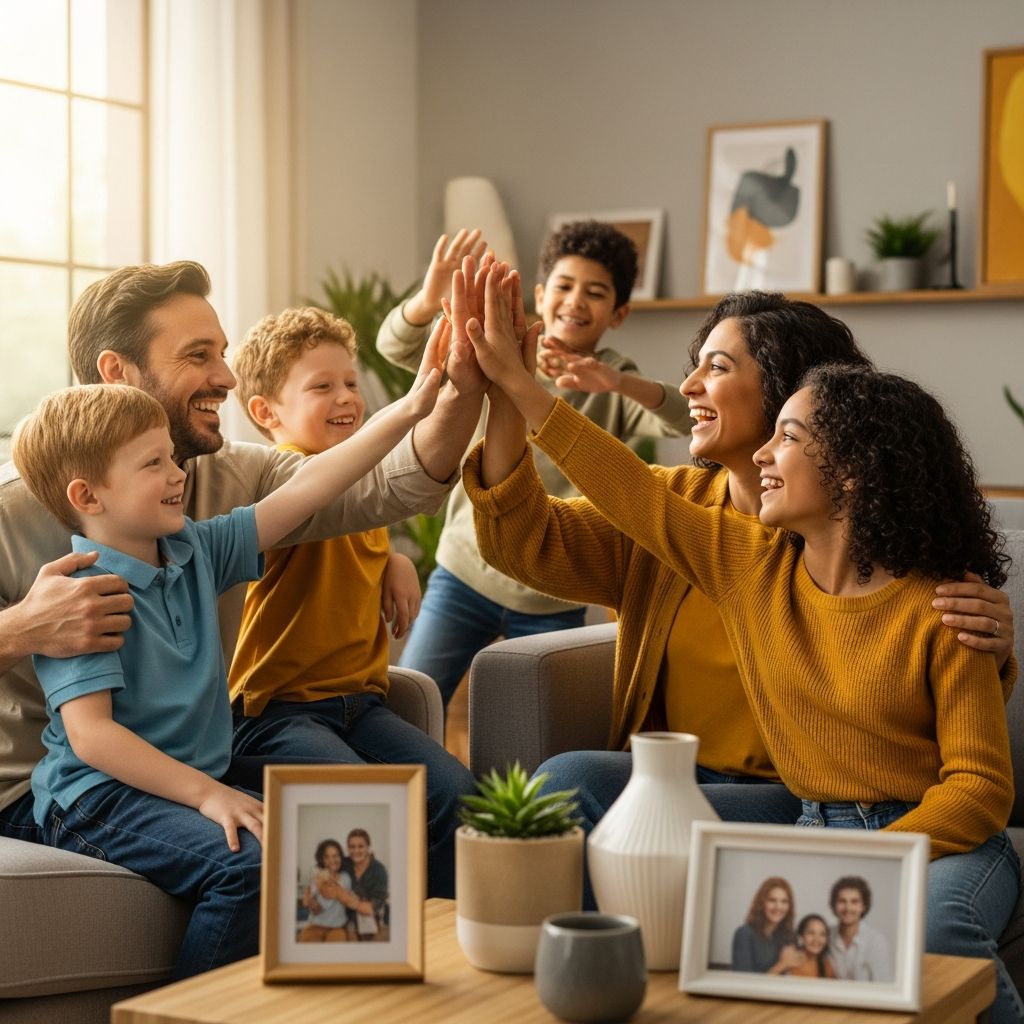
In today’s diverse world, blended families are becoming the norm, bringing together unique heritages, traditions, and values under one roof. When you welcome a partner with a different family background into your life, especially with young children involved, the journey involves more than just merging schedules—it’s about weaving disparate cultural threads into a cohesive family tapestry. This article delves into practical strategies for cultivating appreciation for your partner’s origins, addressing common hurdles, and fostering genuine connections that benefit everyone, particularly the little ones navigating this new landscape.
Understanding the Unique Dynamics of Cultural Fusion
Blended families often encounter a rich mix of cultural influences that can enrich daily life but also spark initial friction. Children from previous relationships may be accustomed to specific holidays, foods, or communication styles, making the introduction of new ones feel disruptive. For instance, one family might celebrate festive meals with spicy dishes from Latin American roots, while another prioritizes quiet, structured European-style gatherings. These differences, if not handled thoughtfully, can lead to misunderstandings or feelings of exclusion.
Research highlights that aligning these elements early prevents long-term resentment. Parents must proactively discuss expectations around traditions to create an inclusive environment where every child’s background is valued. This foundation not only helps kids adapt but also models respect and adaptability—key life skills.
Navigating Parenting Philosophies Across Heritages
One of the most pressing challenges arises from divergent parenting approaches shaped by cultural upbringings. A partner raised in a collectivist culture might emphasize communal responsibilities and firm discipline, contrasting with an individualistic background favoring personal freedom and gentle guidance. Such mismatches can confuse children, who may test boundaries or feel torn between loyalties.
- Discipline Variations: Decisions on timeouts versus verbal reasoning, or physical correction versus natural consequences, require consensus to avoid undermining parental authority.
- Daily Routines: Bedtimes, screen limits, and chore expectations often differ; harmonizing them ensures fairness across siblings.
- Emotional Expression: Some backgrounds encourage open displays of affection, while others value restraint—finding a middle ground prevents emotional whiplash for kids.
To bridge these gaps, couples should schedule dedicated talks, possibly with a family therapist, to outline shared rules. Consistency in enforcement builds trust and stability.
Cultivating Children’s Affection for Step-Relatives
Young children in blended setups often grapple with loyalty conflicts, viewing the stepparent’s family as outsiders. Helping them “learn to love” these new ties involves gradual, positive exposure. Start with low-pressure activities like shared cooking sessions featuring the partner’s childhood recipes, turning potential novelty into fun discoveries.
Storytelling plays a pivotal role: Encourage step-grandparents to share folktales or family histories, sparking curiosity. Over time, this shifts perceptions from “strange” to “special.” Studies show that repeated, joyful interactions foster attachment, reducing behavioral issues linked to family transitions.
| Activity Type | Benefits for Kids | Implementation Tips |
|---|---|---|
| Cultural Games | Builds play-based bonds | Host weekly family game nights with heritage toys |
| Food Explorations | Sensory engagement | Involve kids in prep; celebrate ‘first tastes’ |
| Tradition Shares | Creates belonging | Rotate holidays, blending elements from both sides |
Overcoming Loyalty Tugs and Emotional Hurdles
Children may experience guilt or divided allegiances, fearing that loving step-relatives diminishes bonds with biological ones. Parents must validate these feelings without judgment, reassuring kids that expanded love multiplies joy, not divides it. Open dialogues like “It’s okay to enjoy Grandma Rosa’s stories and Papa Joe’s jokes” normalize dual attachments.
Stepparents, in particular, should avoid forcing roles initially—focus on friendship first. This patient approach garners organic respect, sidestepping resentment. Guilt among biological parents, often stemming from past losses, can exacerbate tensions; self-reflection or counseling helps mitigate this.
Harmonizing Routines and Boundaries
Daily life logistics amplify cultural clashes. Visitation schedules from prior relationships might disrupt new family rituals, causing stress. Create flexible yet predictable calendars that accommodate everyone, using visual aids for young kids to grasp transitions.
Boundary-setting with ex-partners is crucial. Polite, child-focused communication prevents triangulation, where kids become messengers. Tools like co-parenting apps streamline this, preserving peace.
Strengthening Bonds Through Shared New Traditions
The magic of blended families lies in inventing hybrid customs that honor all roots. A “Heritage Night” alternating between partners’ backgrounds, or a family crest combining symbols from both lineages, instills pride and unity. These rituals provide anchors during upheavals, boosting resilience.
Involve children in creation—let them vote on fusion foods or design blended holiday decor. This ownership accelerates acceptance and weaves lasting memories.
Practical Tools for Lasting Family Unity
To sustain progress:
- Seek professional guidance: Therapists specializing in stepfamilies offer tailored strategies.
- Prioritize couple time: A strong parental partnership models healthy dynamics.
- Monitor progress: Regular family meetings gauge feelings and adjust as needed.
- Celebrate milestones: Acknowledge adaptation anniversaries to reinforce positivity.
Patience is paramount—full integration often spans years, but the rewards of a supportive, multicultural home are profound.
Frequently Asked Questions (FAQs)
What if my child rejects the stepfamily’s traditions?
Don’t force participation; introduce gently through play. Consistency and positivity gradually build interest. If resistance persists, explore underlying fears via counseling.
How do we handle discipline disagreements?
Present a united front publicly; discuss privately. Compromise on core rules, with biological parents handling severe issues initially.
Can cultural differences doom a blended family?
No—differences enrich when managed with communication and empathy. Many thrive by embracing diversity as a strength.
What’s the role of extended step-relatives?
They provide love and wisdom but respect primary parents’ lead. Gradual involvement prevents overwhelm.
How long until everyone feels like family?
Typically 2-5 years; focus on progress, not perfection.
References
- Common Blended Family Issues and How to Avoid Them — The Texas Attorneys. 2023-05-15. https://www.thetxattorneys.com/blog/common-blended-family-issues-and-how-to-avoid-them
- Co-Parenting in Blended Families: Overcoming Challenges — Ontario Therapist. 2025-01-04. https://www.ontariotherapist.com/2025/01/04/co-parenting-in-blended-families-overcoming-challenges-and-building-stronger-relationships/
- Blended Family Issues: What It Is, Challenges and Therapy — GoodTherapy.org. 2024-08-20. https://www.goodtherapy.org/learn-about-therapy/issues/blended-family-issues
- Navigating Different Parenting Styles in Blended Families — The Gottman Institute. 2023-11-12. https://www.gottman.com/blog/navigating-different-parenting-styles-in-blended-families/
- Why is blending so difficult for blended families? — Utah State University Extension. 2024-02-10. https://extension.usu.edu/relationships/faq/blendedfamilies
- Parenting in a Blended Family — Lifeway Women. 2023-03-09. https://women.lifeway.com/2023/03/09/parenting-in-a-blended-family/
- The Blended Family — Psychology Today. 2025-01-15. https://www.psychologytoday.com/us/basics/family-dynamics/blended-family