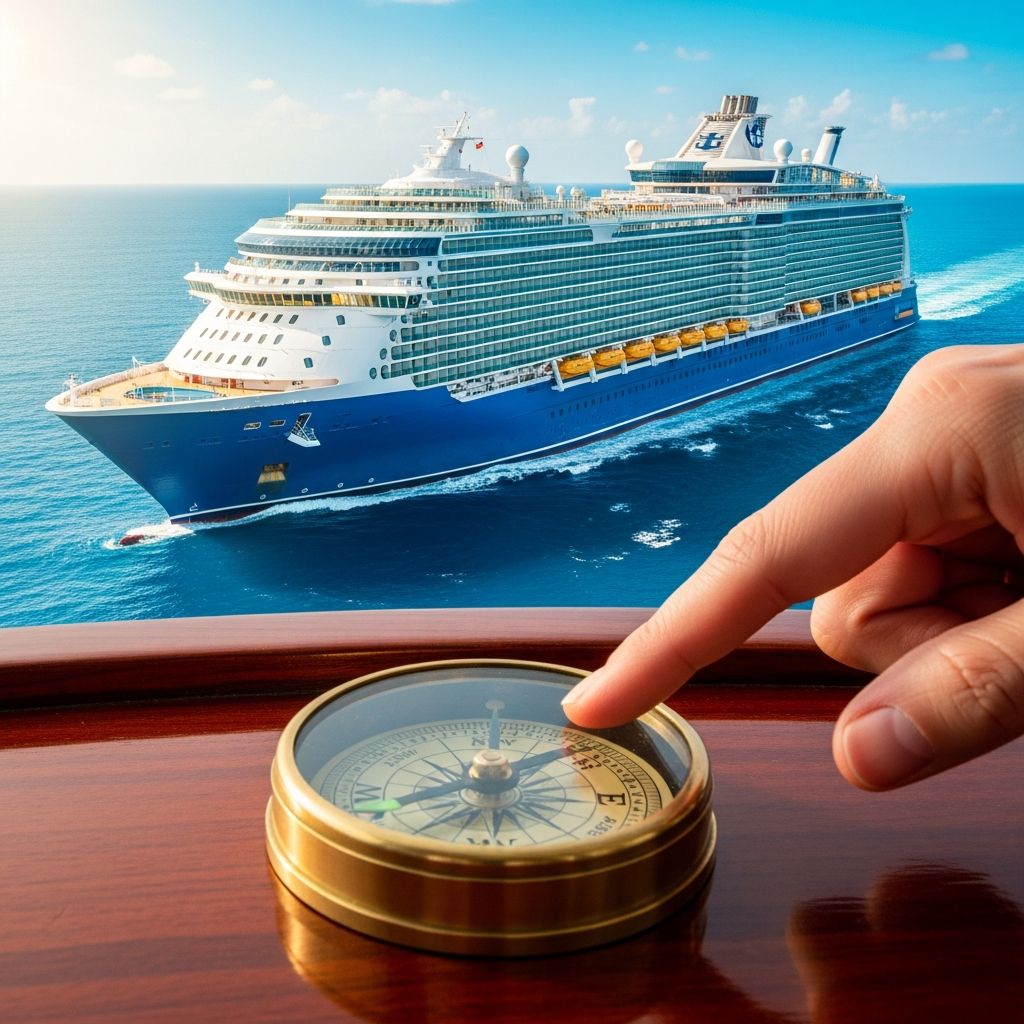
Becoming a travel agent who specializes in Royal Caribbean cruises was never on my childhood dream list, yet it has become one of the most rewarding, flexible, and unexpectedly entrepreneurial paths of my adult life. What started as a simple desire to plan great vacations for my own family slowly evolved into a home-based career helping other families discover the joy of life at sea.
This article walks through that journey in a practical way: what the role really looks like, the skills that matter more than formal credentials, the steps to get started, and the honest pros and cons of building a cruise-focused travel business from home.
Why Cruises (and Why Royal Caribbean)?
There are dozens of ways to work in travel, but cruises quickly became the center of my world. They combine transportation, lodging, food, and entertainment into a single booking, which is both convenient and complex. For busy families, that complexity is exactly why a travel agent can add so much value.
Royal Caribbean in particular stood out for several reasons:
- Ship-as-destination experiences: Rock walls, ice rinks, surf simulators, and kids’ clubs meant I could sell more than just an itinerary; I could sell an entire floating resort experience.
- Family-friendly reputation: The brand consistently attracts multi-generational groups, which makes it ideal for agents who enjoy working with families and coordinating group travel.
- Wide range of budgets: From interior cabins to suites, there is usually a way to fit a client’s budget without sacrificing the overall cruise experience.
Realizing how much my own family enjoyed cruising made it natural to talk about and recommend, which is one of the biggest advantages when you choose a niche: genuine enthusiasm is impossible to fake.
What a Royal Caribbean–Focused Travel Agent Actually Does
To outsiders, the job can look like “planning vacations and getting discounts,” but the day-to-day reality is more like running a small consulting business built around travel. The cruise line is the product; the expertise and service are what clients pay for (indirectly, through commissions).
Core Responsibilities
- Client discovery: Understanding travel dates, budget, family makeup, preferred departure ports, and travel style (non-stop activity vs. relaxation).
- Ship and itinerary matching: Choosing the right ship class, sailing length, and ports of call for each client instead of pushing a one-size-fits-all solution.
- Cabin selection and booking: Explaining cabin categories, deck locations, and pros/cons such as noise levels, views, and motion sensitivity.
- Coordinating add-ons: Airport transfers, pre- or post-cruise hotels, shore excursions, travel insurance, and sometimes flights.
- Ongoing support: Monitoring promotions, helping with changes, providing packing tips, and answering nervous first-timer questions.
In practice, this means a lot of email, some phone calls, and periodic time in cruise booking portals. On busy days, it feels like air-traffic control for vacations.
Skills That Matter More Than a Travel Degree
One of the most surprising aspects of becoming a cruise travel agent is that you do not need a tourism degree or years of industry experience to start. Instead, soft skills and a willingness to learn quickly carry more weight.
| Skill | Why It Matters | How It Shows Up in Daily Work |
|---|---|---|
| Listening | Helps uncover what clients really want vs. what they say they want. | Asking follow-up questions like “How do you picture your ideal sea day?” before suggesting a ship. |
| Organization | Multiple bookings, deadlines, and payment dates can quickly become chaotic. | Using calendars, checklists, and CRM tools to track due dates and reminders. |
| Problem-solving | Travel rarely goes perfectly; clients rely on you when it does not. | Rebooking cabins, adjusting flights, or finding alternative sailings under time pressure. |
| Patience and empathy | First-time cruisers especially need reassurance and simple explanations. | Walking clients through online check-in or explaining gratuities without jargon. |
| Self-motivation | You are effectively running your own micro-business. | Setting your own prospecting targets and blocking time for training without a boss. |
If you enjoy planning, helping people, and learning details about a topic you love, you already have a foundation for success in this field.
Step-by-Step: How the Journey Typically Unfolds
Every story is different, but most modern, home-based cruise agents follow a similar sequence. Here is how that progression looked in my case, and how it might look for you.
1. Falling in Love with Cruising
The first stage is simple exposure. Maybe it is a honeymoon cruise, a multi-generational family trip, or a last-minute sailing you booked on a whim. At some point, the combination of ocean views, onboard entertainment, and simplified logistics clicks.
For many parents, this moment comes when they realize that everyone in the family can find something to do on board without endless negotiation. Once you experience that, it becomes natural to talk about it with friends, and that casual enthusiasm lays the groundwork for a potential business later.
2. Discovering the Home-Based Agent Model
The next step typically comes via a conversation or an online search: you learn that independent contractors can sell cruises from home under a “host agency.” The host provides accreditation, supplier access, training, and back-office support; you bring the clients and the hustle.
This model means:
- You do not have to open a storefront or build supplier relationships from scratch.
- You can generally work part-time at first and scale up as you gain confidence.
- You keep a percentage of the commission that the cruise line pays the agency.
3. Choosing a Host Agency That Fits Your Life
Host agencies vary widely, so this choice shapes your experience. Instead of focusing only on commission splits, it helps to ask lifestyle questions as well.
Important factors to consider include:
- Quotas and expectations: Are there minimum sales requirements or monthly fees you have to justify quickly?
- Training style: Self-paced online modules, live webinars, mentorship, or a mix?
- Specialization support: Does the host have strong cruise partnerships, especially with Royal Caribbean?
- Culture and community: Do they foster collaboration, or is everyone largely on their own?
4. Diving into Training and Certification
Once accepted by a host, you usually get access to a learning portal and vendor-specific training. Cruise lines often provide their own education platforms where you can learn fleet details, cabin categories, and booking procedures. Completing these modules not only builds knowledge, it can unlock perks or recognition within the supplier’s system.
During this stage, your main jobs are:
- Learning the vocabulary of cruising (ship classes, cabin types, dining options).
- Practicing mock bookings to understand how pricing and promotions layer together.
- Shadowing more experienced agents if your host offers mentorship or group chats.
It is common to feel overwhelmed at first, but the learning curve is front-loaded; over time, patterns repeat and the systems begin to feel familiar.
5. Booking for Yourself and Friends First
Many new agents start with their own trips and close friends’ vacations. This provides low-pressure practice while still generating commission.
Early on, focus on:
- Documenting what each client values most (budget, cabin location, kids’ clubs, specialty dining).
- Saving templates for emails you send repeatedly, such as packing tips or check-in instructions.
- Requesting feedback after trips so you can refine your recommendations.
The goal is to build confidence and a small base of satisfied clients who can become your first source of referrals.
6. Turning It into a Real Business
At some point, you move from “I know people who need cruises” to “I need a system for finding and serving clients.” That is when you begin to think more like a business owner than a hobbyist.
Common growth steps include:
- Choosing a niche within cruising (families, groups, first-timers, luxury).
- Setting up a simple website or social media presence that explains who you serve and how.
- Blocking weekly time for marketing tasks such as email newsletters, social posts, or local networking.
- Tracking income, expenses, and goals like any other small business.
Because commissions are usually paid after clients travel, learning to manage cash flow is also essential once your volume grows.
Pros and Cons of the Role (Beyond the Instagram Version)
It is easy to focus only on the perks, but going in with open eyes makes the journey more sustainable. Here is a balanced look at what this career offers.
| Advantages | Challenges |
|---|---|
| Flexible hours that can fit around family life or another job. | Income can be inconsistent, especially in the early stages. |
| Potential to earn from trips you would have planned anyway. | Commissions are often paid after travel, not at booking time. |
| Opportunities for ship tours, travel agent rates, or occasional perks. | Clients may contact you evenings and weekends when they are free. |
| Intellectually engaging—every itinerary is a new puzzle to solve. | Learning curve with booking systems and supplier rules. |
| Emotional reward of helping create milestone vacations and family memories. | Responsibility when things go wrong, like weather disruptions or cancellations. |
If you can accept the variable income and the responsibility that comes with being the point person, the rewards—both financial and emotional—can be significant.
Practical Tips for New and Aspiring Cruise Agents
Years into this journey, a few guiding principles stand out. These do not require advanced tools or huge marketing budgets, just consistency and a service mindset.
- Pick a clear audience: “Anyone who wants to travel” is hard to market to. “Families taking their first Royal Caribbean cruise” is specific and memorable.
- Create reusable resources: Turn your most helpful emails into PDFs or blog posts—packing lists, kid-friendly tips, embarkation-day checklists.
- Invest in relationships, not discounts: Competing only on price is exhausting. Instead, emphasize your availability, education, and ability to simplify complex decisions.
- Stay educated: Ships evolve, itineraries change, and new policies appear. Regular training keeps your advice current and builds credibility.
- Track your wins: Save screenshots of client praise, rebookings, and referral messages. They are confidence boosters and powerful social proof.
These habits turn casual enthusiasm into a repeatable, sustainable service that clients value and recommend to others.
Frequently Asked Questions
Do you have to love cruises to sell them?
Strictly speaking, no—but it helps tremendously. When you have sailed yourself, you can describe small details clients care about, like the feel of embarkation day or how kids’ clubs operate. Your personal experience also makes your marketing more authentic and less scripted.
Is this a full-time income opportunity or just a side gig?
It can be either, depending on your goals, effort, niche, and the support you receive from your host agency. Many agents begin part-time while keeping another job or caring for children, then scale up their client base and marketing as they gain confidence. Treating it like a business from day one—tracking inquiries, setting targets, and continuing education—gives you the best chance of growing into a substantial income source.
What about travel perks—do agents cruise for free?
Perks exist, but they are rarely guaranteed and should not be the primary reason for entering the field. Reduced-rate sailings, ship tours, or educational trips may be available, especially if you demonstrate active selling and complete vendor training. Think of any discount or fam trip as a bonus that also doubles as research for serving your clients better.
How long does it take to get comfortable booking Royal Caribbean?
The technical side can be learned relatively quickly—often within a few weeks of focused training and practice. True comfort comes after booking multiple sailings, watching how clients respond, and experiencing ships firsthand when possible. Expect the first few bookings to take extra time; speed and confidence grow with repetition.
Do you need special licenses or certifications?
Requirements vary by region and by the structure of your host agency. Some locations have specific regulations for selling travel, while others rely heavily on the host’s credentials and compliance infrastructure. Many agents start under a host that already holds the necessary identifiers and then layer on voluntary training or certifications to deepen their expertise and credibility.
Anchoring Your Own Journey
The path from enthusiastic cruiser to trusted Royal Caribbean travel specialist is not a straight line, but it is remarkably accessible for those willing to learn and serve. With a supportive host agency, a commitment to ongoing education, and a genuine love for helping people make memories at sea, it is possible to build a flexible business that fits around real life rather than competing with it.
If you find yourself talking about cruises long after your own vacation is over, sketching hypothetical itineraries for friends, or secretly pricing out sailings “just for fun,” that spark may be the beginning of a new professional chapter—one where your passion for the ocean becomes more than a hobby and starts to chart a new course for your work and your family.