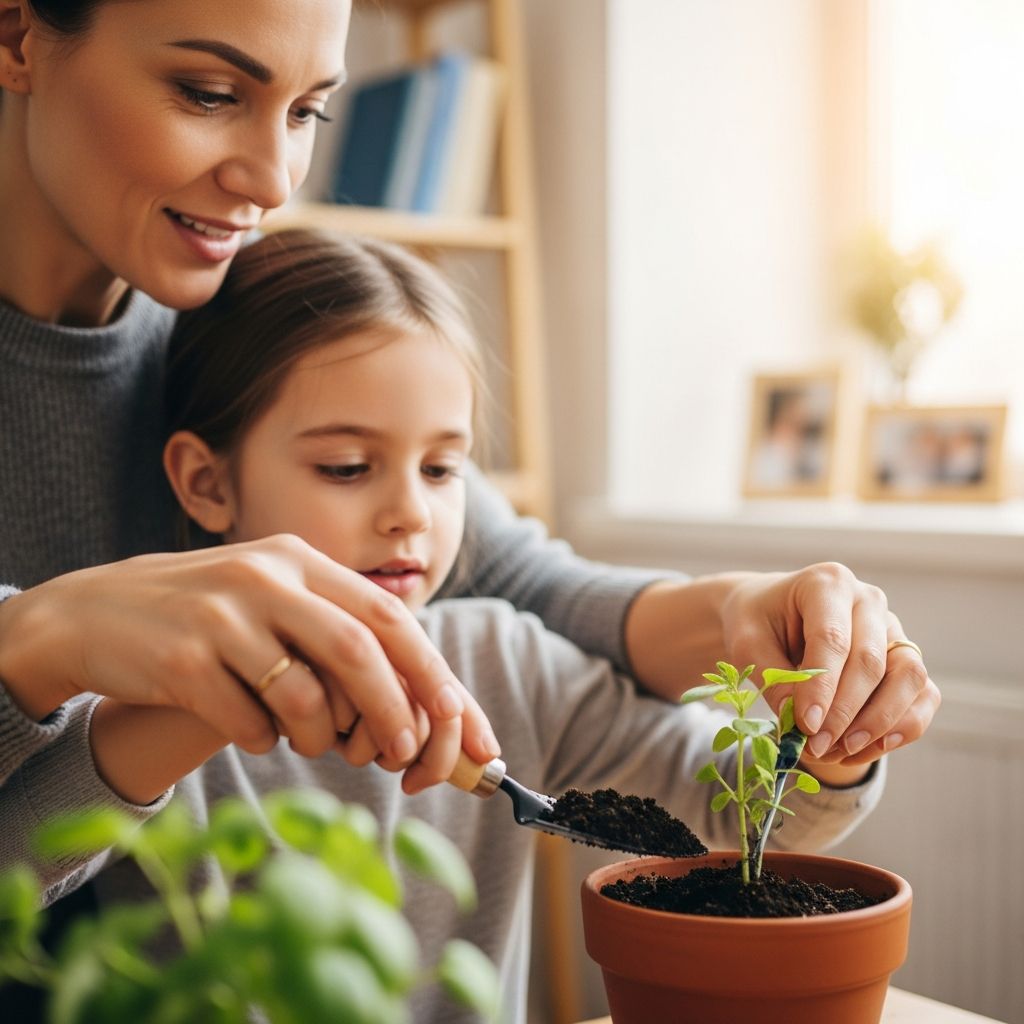
Children learn far more from what they see than from what they are told. Your tone, habits, reactions, and choices quietly teach them who they are and how the world works. When you focus on the example you set, parenting becomes less about controlling your child and more about growing alongside them.
Why Your Example Matters More Than Your Instructions
Children are natural observers and imitators. They watch how adults handle stress, disappointment, joy, and conflict and often copy those patterns without realizing it. A parent who calmly works through a problem teaches problem-solving more effectively than a long lecture ever could.
Being a role model does not mean being perfect. It means living in a way that shows children how to handle imperfection with honesty, responsibility, and compassion. When you treat mistakes as opportunities to learn, your child gains permission to do the same.
- Your behavior sets the “emotional climate” in the home.
- Your daily routines become your child’s internal blueprint for adulthood.
- Your reactions to your own mistakes teach your child how to respond to theirs.
Clarify the Values You Want to Model
Before you can consciously model better behavior, get clear on what matters most to you. Vague goals like “be a better parent” are hard to act on. Concrete values give you a compass, especially in stressful moments when old habits want to take over.
Think less about the behaviors you dislike and more about the qualities you want to nurture. Focusing on values shifts you from reacting to situations to intentionally shaping your responses.
Questions to Define Your Core Values
- What three words describe the kind of adult you hope your child becomes (for example: kind, confident, responsible)?
- How do you want your child to remember your parenting when they are grown?
- Which habits from your own upbringing would you like to continue, and which would you like to change?
From Values to Daily Behaviors
Once you decide on key values, translate each one into observable actions. Children cannot copy abstract ideas, but they can easily copy visible behaviors they witness over and over.
| Value | What Your Child Needs to See | Simple Daily Example |
|---|---|---|
| Respect | Adults speaking politely, even when frustrated. | Saying “please” and “thank you” to your child and apologizing if you raise your voice. |
| Responsibility | Owning mistakes instead of blaming others. | Admitting, “I forgot to pack your lunch today. That was my responsibility, and I’ll set a reminder for tomorrow.” |
| Kindness | Thoughtful actions toward family, friends, and strangers. | Holding the door open, checking on a neighbor, or offering a kind word and letting your child witness it. |
| Perseverance | Adults continuing to work on tasks, even when they are hard. | Talking through a challenge you are facing and explaining how you plan to keep trying. |
| Self-respect | Setting healthy limits and caring for personal needs. | Protecting your rest time, saying “no” when overloaded, and explaining why boundaries matter. |
Modeling Emotional Regulation in Real Time
One of the most powerful things a parent can model is how to handle big feelings. Children learn whether emotions are safe or dangerous by watching how adults manage their own. When you name your emotions and choose healthy responses, you turn everyday stress into a living lesson.
Instead of hiding feelings, show your child that feelings can be acknowledged, expressed, and worked through without hurting anyone. This does not require perfect calm; it simply requires honesty and repair when things go wrong.
Practical Ways to Show Healthy Emotional Responses
- Describe your feelings in simple, non-blaming language (for example: “I feel tired and overwhelmed right now”).
- Demonstrate a calming strategy out loud, such as deep breathing, counting to ten, or taking a short pause before responding.
- Explain your choice: “I’m going to pause for a moment so I can calm down before we talk.”
- After a tense moment, check in: “That was a hard situation. Let’s talk about what happened and how we both felt.”
Repairing After You Lose Your Cool
No parent stays regulated all the time. What matters most is what happens next. When you apologize sincerely and take responsibility for your behavior, you show your child that mistakes are part of relationships and can be repaired.
A genuine apology includes three pieces: naming what you did, acknowledging the impact, and sharing what you will try to do differently next time. This models accountability more powerfully than any lecture about “owning your actions.”
Teaching Respect and Communication Through Your Interactions
Children learn how to speak to others by listening to how adults speak to them and to each other. Sarcasm, constant criticism, or shouting can quietly become their inner voice. Respectful, clear, and firm communication, on the other hand, becomes the template for how they treat themselves and others.
When you practice listening, take turns in conversation, and use calm but firm language, you invite your child into a culture of mutual respect, not one-sided obedience.
Communication Habits Worth Modeling
- Getting down to your child’s eye level when you speak so they feel seen and heard.
- Using a calm tone even while setting limits or saying no.
- Letting your child finish their sentence before responding, to show that their thoughts matter.
- Asking clarifying questions instead of jumping to conclusions: “Can you tell me what happened from your view?”
- Expressing appreciation regularly so your child sees that words can build, not just correct.
How You Talk About Others Teaches Your Child About Empathy
Conversations about relatives, teachers, neighbors, or strangers teach your child how to see other people. Complaining harshly or mocking others shows that judgment is normal. Speaking with curiosity and empathy shows that people are complex and worthy of respect, even when you disagree with them.
Simple shifts—like wondering what someone might be going through instead of assuming the worst—help cultivate a compassionate worldview your child can carry into friendships, school, and future relationships.
Aligning Discipline With the Behavior You Want to See
Discipline is most effective when it mirrors the skills you want your child to build. If you respond to misbehavior with shouting or shame, you are modeling the very behavior you are trying to discourage. When discipline is calm, consistent, and respectful, it teaches both boundaries and self-control.
Think of discipline as coaching rather than punishment. Your role is to guide your child toward better choices while staying connected and emotionally safe.
Ways to Model the Skills Behind Good Behavior
- Explain the reason behind rules in age-appropriate language so your child learns the principle, not just the consequence.
- Show alternative behaviors instead of only saying what not to do (for example, “Hands are for helping and gentle touch”).
- Practice problem-solving together: “What could you try next time instead of hitting when you’re angry?”
- Stay consistent with follow-through, so your child sees that your words and actions match.
Connection as the Foundation for Correction
Children are more likely to follow guidance from adults they feel connected to. Taking even a short moment to connect before correcting behavior can reduce defensiveness and increase cooperation. A warm touch on the shoulder, using your child’s name, or recognizing their feelings can make a big difference.
When your child feels seen and valued, discipline feels less like a battle and more like teamwork. This experience of firm, caring guidance becomes the inner coach they will carry into their own decision-making later in life.
Modeling Healthy Boundaries and Self-Care
Many parents sacrifice their own needs in the name of love, but children learn from this too. If they only ever see overextension and burnout, they may grow up believing their own needs do not matter. Modeling self-respect through boundaries and self-care teaches them that caring for themselves is part of a healthy life.
Self-care is not selfish; it is a living demonstration of balance. When you care for your body, mind, and schedule, you are showing your child how to protect their own energy and wellbeing.
Everyday Boundary-Setting Your Child Can Learn From
- Saying, “I can play with you after I finish this task,” instead of dropping everything instantly.
- Protecting rest time at night rather than regularly staying up late to do non-urgent tasks.
- Choosing not to engage in arguments when you are too tired and calmly postponing the conversation.
- Respecting other people’s limits in front of your child—for example, not pressuring someone who says no.
Making Self-Care Visible
Children benefit from seeing self-care in action, not just hearing about it. When you mention that you are going for a walk to clear your head or reading a book to relax, you are not only meeting your own needs; you are normalizing healthy coping strategies.
Over time, your child learns that taking breaks, asking for help, and making time for things that restore energy are all acceptable and wise choices, not signs of weakness.
Creating a Home Culture That Supports Positive Modeling
Individual moments of good modeling are powerful, but a consistent home culture amplifies their impact. When family routines, expectations, and traditions align with your values, your child receives the same message in many different ways.
This does not mean orchestrating a perfect household. It simply means intentionally shaping a few daily rhythms that reflect the kind of life you hope your child will one day lead.
Simple Practices to Reinforce Your Example
- Regular family check-ins where each person shares a highlight, a challenge, and something they are grateful for.
- Shared responsibilities such as age-appropriate chores that everyone participates in, including adults.
- Technology-free times (like during meals) where listening and conversation are the main focus.
- Small rituals of appreciation, such as thanking each other for specific acts of kindness at the end of the day.
When Your Child Sees You Learn and Grow
One of the most inspiring things you can model is a growth mindset—the belief that skills and behavior can change with effort. When your child sees you read, ask for feedback, or work on your own habits, they learn that improvement is always possible.
Sharing your progress out loud (“I’ve been practicing staying calmer during busy mornings, and it’s getting easier”) shows that growth is a process, not an instant transformation.
Turning Ordinary Moments Into Teaching Opportunities
Most lessons you model will not happen during big, dramatic events. They will unfold in small, ordinary moments: how you react when you spill your coffee, how you respond to a rude driver, or how you treat a server at a restaurant. These tiny choices add up over time.
Instead of striving to be perfectly “on” all the time, aim to be just a bit more aware than yesterday. Even one intentional choice each day can gradually reshape the example you set.
A Simple Daily Reflection Practice
- At the end of the day, ask: “What did my child see me do today that I hope they copy?”
- Then ask: “What did my child see me do today that I hope they do not copy?”
- Choose one small behavior to adjust tomorrow, and one positive behavior to repeat or emphasize.
- Celebrate progress instead of dwelling on missteps; consistency grows from encouragement, not shame.
Frequently Asked Questions About Being a Better Role Model
Do I have to be calm all the time to be a good role model?
No. Children do not need a flawless parent; they need a real one who takes responsibility when things go wrong. What matters is that you recognize when you lose your temper, repair with your child, and keep practicing healthier responses.
What if I grew up without positive role models myself?
Many parents are trying to break cycles they experienced as children. You can still become a powerful model by noticing old patterns, choosing different responses, and seeking support when needed. Every small change you make is a new pattern your child can inherit.
How can I model good behavior when my child is being difficult?
Challenging behavior is often when your example matters most. You might need to step away briefly to calm down, then return with a clearer head. When you respond with firmness and respect, even during conflict, you show your child how to handle their own intense feelings.
Is it helpful to talk to my child about the example I’m trying to set?
Yes, as long as it is not used as pressure or guilt. It can be meaningful to say, “I’m working on being more patient, just like you’re working on listening.” This turns growth into a shared journey rather than a one-sided expectation.
How long does it take for my modeling to make a difference?
Some changes appear quickly, like a softer tone in family conversations. Others show up later, in how your child handles friendships, school challenges, or mistakes. Think of your example as an investment that grows quietly over years, not days.
Becoming a better role model is less about suddenly transforming and more about choosing, again and again, to live the values you want your child to carry. Each time you pause instead of react, apologize instead of defend, or care for yourself instead of ignoring your needs, you are writing a new, healthier story for your family—one action at a time.