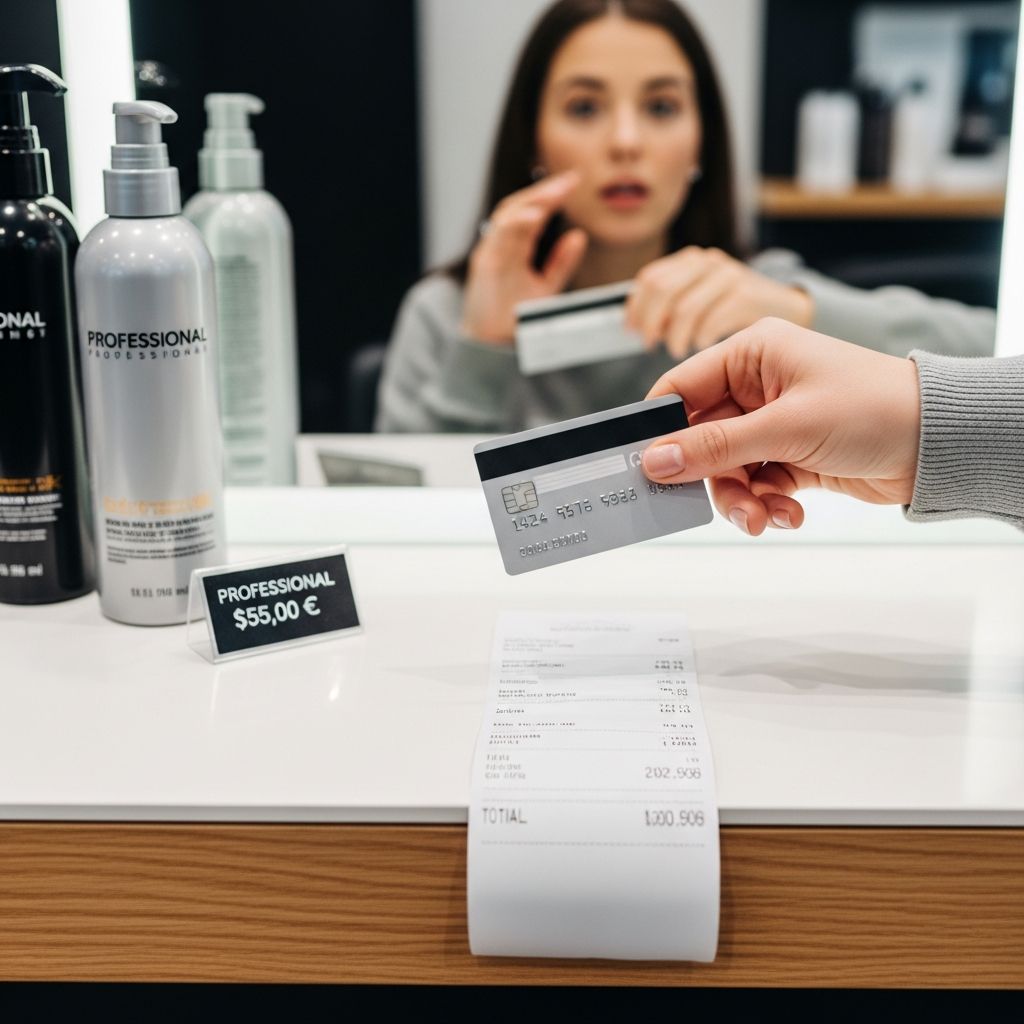
Few things feel worse than walking out of a salon with beautiful hair and a bill that makes your stomach drop. You booked a simple appointment, nodded along to a few suggestions in the chair, and suddenly you owe double what you expected. This guide will help you understand what is happening on that receipt, where surprise costs often hide, and how to take control of your salon experience without being confrontational.
Why Salon Bills Can Feel So Confusing
Salons juggle time, skill level, product costs, and business overhead, and they bundle all of that into a price that is not always obvious to the client. You might see just a few line items on the receipt, while several distinct services and add-ons actually went into your appointment. This lack of clarity creates the perfect setup for misunderstandings, even when nobody is intentionally trying to take advantage of you.
Clients often assume the quoted price covers “everything,” but stylists may be thinking in layers: base service, upgrades, extra product, and finish styling. When these assumptions collide, the end result is sticker shock and frustration, which can damage an otherwise good stylist–client relationship.
What You Are Really Paying For
Salon pricing is rarely just about a haircut or a color. Behind each number on that menu board are separate components that may or may not be included in the base quote you receive. Understanding these pieces makes it easier to judge whether a price is reasonable and spot fees that do not make sense for your situation.
Think of your appointment as a bundle of ingredients. Some are obvious—like the cut or color itself—while others are easy to overlook, such as extra bowls of color or specialized conditioning products. The more you can identify each ingredient, the less likely you are to feel blindsided at checkout.
Common Components of a Salon Price
- Time and expertise: The stylist’s experience level, reputation, and how long your appointment takes.
- Product usage: Color, lightener, gloss, toners, bond builders, treatments, and styling products.
- Complexity: Corrective color, heavy foiling, long or thick hair, and drastic transformations.
- Finishing work: Blow-dry, styling, ironing, or curling that may be priced separately.
- Overhead: Salon rent, assistants, tools, and other behind-the-scenes costs.
Typical Services and Add-Ons
| Item | What It Usually Means | Questions to Ask |
|---|---|---|
| Haircut | Shaping, trimming, and texturizing of your hair. | “Does this include a wash and blow-dry?” |
| Single-process color | One all-over shade or root retouch. | “Will toner or gloss be extra if my color needs adjusting?” |
| Highlights | Foils or painting to lighten select strands. | “Is toner included with highlights, or a separate charge?” |
| Toner / gloss | Adjusts tone, adds shine, or refines color. | “How often will I need this and what does it cost on its own?” |
| Deep treatment | Conditioning or bond-repair service. | “Is this optional, and what benefit should I expect?” |
| Styling | Blow-dry, iron work, waves, or curls. | “Is styling included with my cut/color or separate?” |
Red Flags That You May Be Overpaying
Not every high bill is a sign of dishonesty—major color work and long appointments truly are expensive. However, there are patterns that suggest your stylist or salon is not being as transparent as they should be. When several of these show up together, it is time to pause and reassess.
- Vague or shifting quotes: You receive a rough estimate over the phone, but at checkout the price has climbed significantly with little explanation.
- Surprise add-ons: Treatments, toners, or “upgraded” products are used without your explicit consent, then show up as extra charges.
- No price list in sight: The salon avoids posting a service menu or gives you evasive answers when you ask.
- Pressure tactics: You feel pushed into more services with language that plays on fear, guilt, or embarrassment about your hair.
- Inconsistent billing: The same service costs wildly different amounts from one visit to the next, with no clear justification.
Questions to Ask Before You Sit Down
The easiest time to secure a fair, predictable price is before any color is mixed or hair is cut. A short, focused conversation at the beginning of your appointment can save you a lot of confusion at the end. Think of it as setting a contract: your stylist provides specific results, and you agree to specific costs.
You do not need to understand every technical term. Your job is simply to clarify what is being done and how much you will be expected to pay for it.
Key Questions for Your Consultation
- “What are all the services you recommend for what I want today?”
- “Can you walk me through the price of each part?”
- “Is there a less expensive option that would still move me toward this look?”
- “What is the total estimated cost, including any toners, treatments, and styling?”
- “At what point would the price go up—extra bowls of color, more foils, additional time?”
Simple Script You Can Use
Use a calm, matter-of-fact tone instead of apologizing for asking about money. For example:
“Before we start, I’d love to understand the full cost. For the look we are talking about, what services will you do and what will that add up to? If it starts to go above that, could you check in with me first?”
How Salon Pricing Models Work
Stylists and salons use different systems to calculate what you pay. None of these models are inherently bad, but each one has trade-offs that affect your final bill. When you know which system your salon uses, it becomes much easier to predict cost and spot when something feels off.
Common Salon Pricing Approaches
| Model | How It Works | What to Watch For |
|---|---|---|
| Flat service pricing | Each service has a fixed price regardless of product used or time taken. | May not include toners, treatments, or extra product for long/thick hair. |
| Tiered stylist levels | Prices vary based on the stylist’s seniority or experience. | Confirm which level you are booked with and the price difference. |
| Hourly pricing | You pay a set rate per hour instead of separate fees for each service. | Ask for an estimate of total hours and what is realistically achievable. |
| Parts + labor | You are charged for time plus the actual amount of product used. | Request a rough product estimate so the final bill does not surprise you. |
When an Expensive Visit Is Actually Fair
Not every large bill is a rip-off. Some hair goals genuinely require significant time, expertise, and product. Multi-step color corrections, going from very dark to very light, or reviving damaged hair can demand several hours of focused work. In these cases, a high price can be a reflection of the complexity and risk involved.
Other legitimate reasons for a higher cost include long or extremely thick hair, multiple color formulas mixed specifically for you, or adding a cut and styling to color services. The key distinction is whether the stylist clearly explained these factors and obtained your consent before getting started.
Signs of a Justified High Price
- You received a detailed consultation and clear estimate before the service.
- Your appointment took several hours and involved multiple steps and rinses.
- The stylist explained why extra product or time was needed and asked before proceeding.
- The results represent a significant transformation rather than a minor touch-up.
How to Push Back Without Burning Bridges
Discovering a much higher bill than expected can trigger embarrassment, anger, or even panic. In that moment, it is tempting to lash out or, on the other extreme, silently pay and fume later. There is a more productive middle ground where you can advocate for yourself while preserving the relationship with a stylist you otherwise like.
Steps to Take at Checkout
- Pause before paying: Take a breath, look at the itemized receipt, and locate any unfamiliar charges.
- Ask for clarification: Use neutral language like, “Could you help me understand this line here?” instead of accusations.
- Reference your earlier quote: Calmly mention what you believed the total would be and ask why it is different.
- Request adjustment if appropriate: If something was added without your consent, it is reasonable to ask that it be removed or reduced.
- Decide about returning: If you feel dismissed or disrespected, that is useful information about whether to book again.
Sample Phrases You Can Use
- “I’m seeing a few items I didn’t realize were part of today’s service. Can you walk me through these?”
- “When we consulted, I understood the total to be around this amount. What changed during the process?”
- “I didn’t agree to that add-on. Could we adjust the bill to reflect what we discussed at the start?”
Building a Long-Term, Fair Relationship With Your Stylist
The healthiest salon experiences are partnerships, not battles. A good stylist wants you to be thrilled with both your hair and the price you pay, because satisfied clients return regularly and send referrals. Clear boundaries and honest communication make life easier on both sides of the chair.
Once you find a stylist who is transparent, respectful of your budget, and consistent in their results, it is worth investing in that relationship. Over time, they will learn your hair, your preferences, and your financial comfort zone, which leads to fewer surprises and better outcomes.
Practical Habits for Future Appointments
- Book enough time for a real consultation, not just a rushed check-in at the sink.
- Bring photos of what you want and be honest about your maintenance habits and budget.
- Ask for a maintenance plan that includes how often to return and what those visits are likely to cost.
- Keep notes on services and prices that felt fair so you have a reference for next time.
Smart Budget Strategies for Salon Visits
Beautiful hair does not have to wreck your finances. With a bit of planning, you can prioritize the services that have the biggest impact and stretch the time between expensive appointments. The key is to match your hair goals with your real-world lifestyle rather than an idealized image online.
Ways to Control Costs Without Sacrificing Style
- Choose lower-maintenance color: Techniques like balayage or shadow roots can grow out more softly than solid, high-contrast highlights.
- Space out big services: Alternate major color work with simpler root or gloss appointments.
- Prioritize the cut: A strong haircut often has a bigger day-to-day impact than complex color work.
- Ask about express options: Some salons offer shorter, streamlined services at a reduced price.
- Limit impulse add-ons: Treat deep treatments or luxury extras as intentional splurges, not automatic yeses.
Frequently Asked Questions About Salon Pricing
Is my stylist ripping me off, or is salon work just expensive?
Salon work can genuinely be costly because it combines skilled labor, time, and professional products, especially for complex color or transformations. The real issue is not just the number on the receipt but whether the price was clearly explained ahead of time and matches what you actually received.
How often should I ask about pricing without being annoying?
It is reasonable to ask for a price breakdown and total estimate at every appointment where something more than a simple trim is happening. Framing your questions as wanting to plan your budget shows respect for your stylist’s time while still protecting your own finances.
What if I only find out I am unhappy with the price after I get home?
If you realize later that something felt off, reach out within a day or two with a calm, specific message. Explain what you expected to pay, what you were actually charged, and ask for clarification or an adjustment if an add-on was never discussed.
Should I switch salons if I feel overcharged once?
That depends on how the salon responds when you bring it up. If they listen, clarify, and are willing to make things right, it may be a one-time miscommunication. If they dismiss your concerns or refuse to explain your bill, that is a strong sign to look elsewhere.
Is it rude to tell my stylist I have a budget?
Being clear about your budget is not rude; it is responsible. Stylists who value long-term relationships appreciate clients who are upfront so they can recommend realistic, sustainable options instead of overselling services that create resentment later.
Key Takeaways for Confident Salon Visits
You do not need to understand every technical detail of hair color to protect yourself from surprise salon bills. A short, honest conversation before the appointment starts, a few targeted questions about pricing, and the willingness to speak up at checkout are usually enough to keep things fair.
When you combine that clarity with a stylist who respects your budget and explains their process, you trade salon sticker shock for something better: a long-term partnership that gives you great hair and peace of mind.