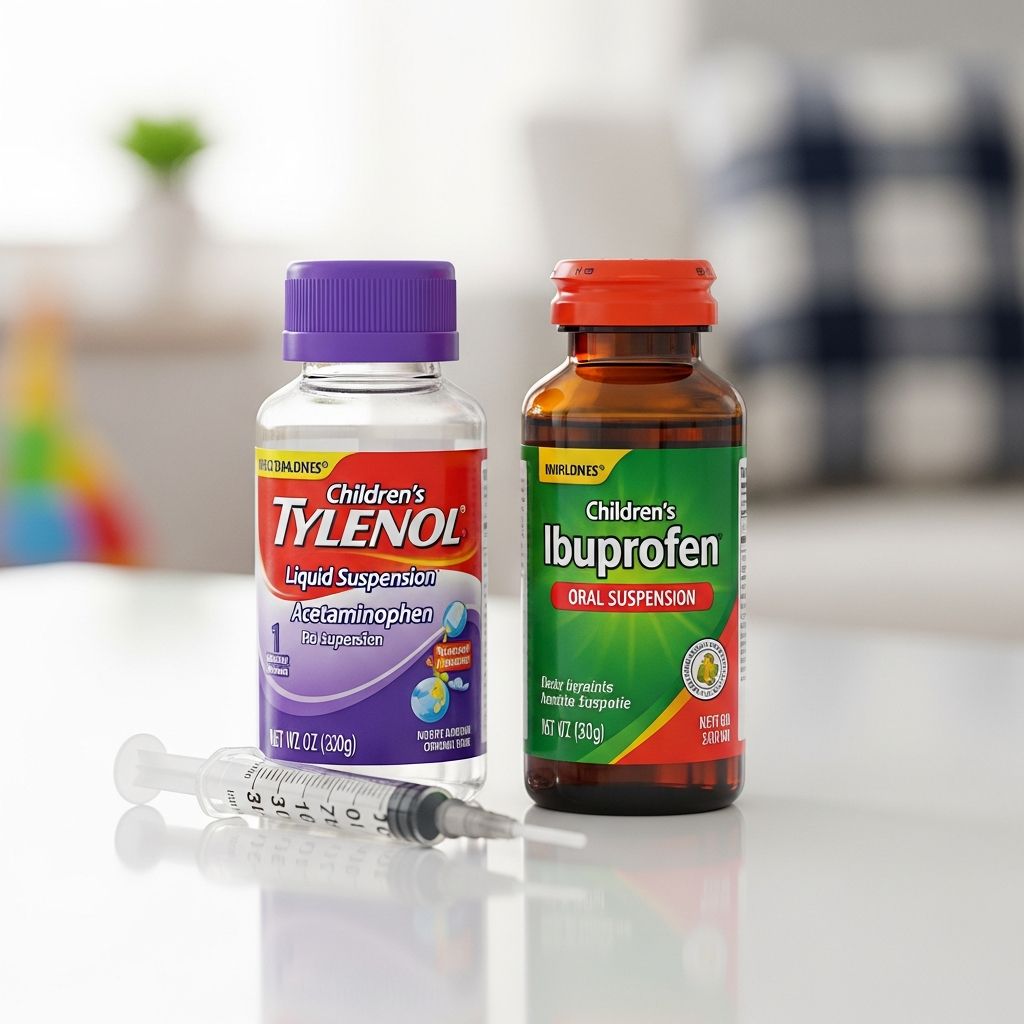
When a child develops a fever, parents often face the challenge of providing relief without overmedicating. **Acetaminophen (Tylenol)** and **ibuprofen (Advil or Motrin)** are two primary over-the-counter options recommended by pediatric experts for reducing fever and discomfort. Alternating these medications can offer more consistent relief, but it requires careful planning to avoid errors.
Understanding Fevers in Children
A fever is the body’s natural response to infection, signaling the immune system is fighting off viruses or bacteria. While fevers are usually harmless, they can cause fussiness, poor sleep, and dehydration if prolonged. The goal of treatment is not to eliminate the fever entirely but to make the child comfortable.
Normal body temperature varies, but a rectal reading above 100.4°F (38°C) in infants under 3 months demands immediate medical attention. For older children, fevers over 102°F (38.9°C) may warrant medication if the child is uncomfortable. Hydration, light clothing, and rest remain first-line supports before reaching for medicine.
How Acetaminophen and Ibuprofen Work Differently
Acetaminophen primarily acts on the brain’s hypothalamus to regulate temperature and relieve pain, suitable from infancy (over 3 months with guidance). It lasts 4-6 hours and reduces fever by 2-3°F.
Ibuprofen, a nonsteroidal anti-inflammatory drug (NSAID), not only lowers fever and pain but also reduces inflammation. Approved for children over 6 months, it provides longer relief (6-8 hours) and may be more effective for higher fevers above 102°F.
| Medication | Minimum Age | Dose Interval | Duration | Key Benefits |
|---|---|---|---|---|
| Acetaminophen (Tylenol) | 3 months+ | 4-6 hours | 4-6 hours | Gentle on stomach, good for pain |
| Ibuprofen (Advil/Motrin) | 6 months+ | 6-8 hours | 6-8 hours | Anti-inflammatory, longer lasting |
Benefits of Alternating the Two Medications
Alternating prevents peaks and valleys in fever control, offering steadier comfort. For instance, give acetaminophen first, then ibuprofen 3-4 hours later, maintaining coverage without overlap. Studies suggest this approach can better manage persistent fevers, especially over 102°F. Some children respond better to one drug per illness, so observation guides choices.
- Provides continuous relief without exceeding safe doses.
- Reduces need for frequent dosing, aiding sleep.
- Combines strengths: acetaminophen for pain, ibuprofen for inflammation.
Safe Dosing Guidelines by Age and Weight
**Always dose by weight, not age**, using the provided measuring device. Consult a pediatrician for exact amounts.
Acetaminophen Dosing
- 10-15 mg/kg every 4-6 hours; max 5 doses/24 hours (up to 75 mg/kg/day).
- Infants 0-3 months: Only under doctor advice.
- Example: 24 lb child = 110-160 mg/dose.
Ibuprofen Dosing
- 10 mg/kg every 6-8 hours; max 40 mg/kg/day.
- Under 6 months: Avoid unless prescribed.
- Example: 24 lb child = 110 mg/dose.
| Age Group | Fever Threshold | Recommended Action |
|---|---|---|
| 0-3 months | ≥100.4°F rectal | Call doctor immediately |
| 3-6 months | ≥102°F rectal | Acetaminophen; call if distressed |
| 6-24 months | ≥102°F | Acetaminophen or ibuprofen |
| 2-17 years | ≥102°F oral/rectal | Either med if uncomfortable |
Never exceed recommended doses or combine with multi-ingredient products containing these drugs.
Step-by-Step Alternating Schedule
Create a simple log: Note time, dose, and temperature.
- Assess: If uncomfortable and fever >102°F, start with acetaminophen.
- 3-4 hours later: Give ibuprofen if needed.
- Repeat cycle: Acetaminophen 3-4 hours after ibuprofen, max daily limits.
- Monitor: Stop if fever resolves or child rests comfortably.
Example for 20 lb toddler: Acetaminophen 120 mg at 8 AM, ibuprofen 100 mg at 12 PM, acetaminophen at 4 PM, etc. Adjust intervals to avoid overlap.
Common Mistakes and How to Avoid Them
Overdosing is a top risk, especially alternating without tracking. Use one brand’s dropper per product. Avoid aspirin due to Reye’s syndrome risk. Don’t wake a sleeping child for meds unless advised. Ibuprofen requires hydration; skip if dehydrated or with stomach issues.
- Mistake: Using adult doses.
- Mistake: Alternating without doctor okay for infants.
- Mistake: Ignoring side effects like rash or vomiting.
Non-Medication Strategies for Fever Management
Supportive care enhances meds:
- Encourage fluids: Water, electrolyte solutions, popsicles.
- Light layers: Avoid bundling.
- Lukewarm sponge baths: 85-90°F water if shivering occurs.
- Rest: Quiet environment promotes recovery.
These steps often suffice for low-grade fevers under 102°F.
When to Contact a Healthcare Provider
Seek help if:
- Fever lasts >1 day (under 2 years) or >3 days (older).
- Child <3 months with any fever.
- Signs of dehydration, lethargy, rash, breathing issues.
- Fever >104°F or unresponsive to meds.
Chronic conditions like kidney issues may contraindicate ibuprofen.
Frequently Asked Questions (FAQs)
Can I alternate Tylenol and ibuprofen in babies under 6 months?
No, stick to acetaminophen only and consult your pediatrician first.
Is it safe to use ibuprofen daily for fever?
Limit to recommended doses; long-term use needs doctor supervision.
What if one medicine doesn’t work?
Some kids prefer one; try the other or alternate after checking with provider.
Does treating fever help the illness resolve faster?
No, it only relieves symptoms; the body fights the infection.
Can I give both at the same time?
Generally no, unless directed; alternating is safer.
Long-Term Considerations for Frequent Fevers
Recurrent fevers may signal underlying issues like ear infections or immune disorders. Track patterns and discuss with a pediatrician. Vaccinations reduce certain fever-causing illnesses. Building immunity through balanced nutrition supports recovery.
For persistent high fevers, advanced imaging or tests may be needed, but most resolve in 3-5 days.
References
- Fever treatment: Quick guide to treating a fever — Mayo Clinic. 2022-10-25. https://www.mayoclinic.org/diseases-conditions/fever/in-depth/fever/art-20050997
- Child Fever Symptoms, Treatment and Medication Dosing Charts — Lake Area Pediatrics. 2023-01-15. https://www.lakeareapediatrics.com/patient-information/fever-instruction-and-medication-dosing-charts.html
- Fever reducing medications: What parents need to know — Parkview Health. 2024-05-10. https://www.parkview.com/blog/fever-reducing-medications-what-parents-need-to-know
- A Guide To Treating Your Child’s Fever — Personal Pediatrics. 2023-08-20. https://www.personalpeds.com/posts/a-guide-to-treating-your-childs-fever/
- Acetaminophen Dosing Tables for Fever and Pain in Children — American Academy of Pediatrics (healthychildren.org). 2024-02-14. https://www.healthychildren.org/English/safety-prevention/at-home/medication-safety/Pages/Acetaminophen-for-Fever-and-Pain.aspx
- Fever – Safety and Wellness — Seattle Children’s Hospital. 2023-11-05. https://www.seattlechildrens.org/health-safety/illness/fever/
- DO – Tylenol vs Motrin: Guidelines and Good Practices — After Hours Pediatrics. 2024-03-12. https://www.afterhourspediatrics.com/resources/tylenol-vs-motrin/