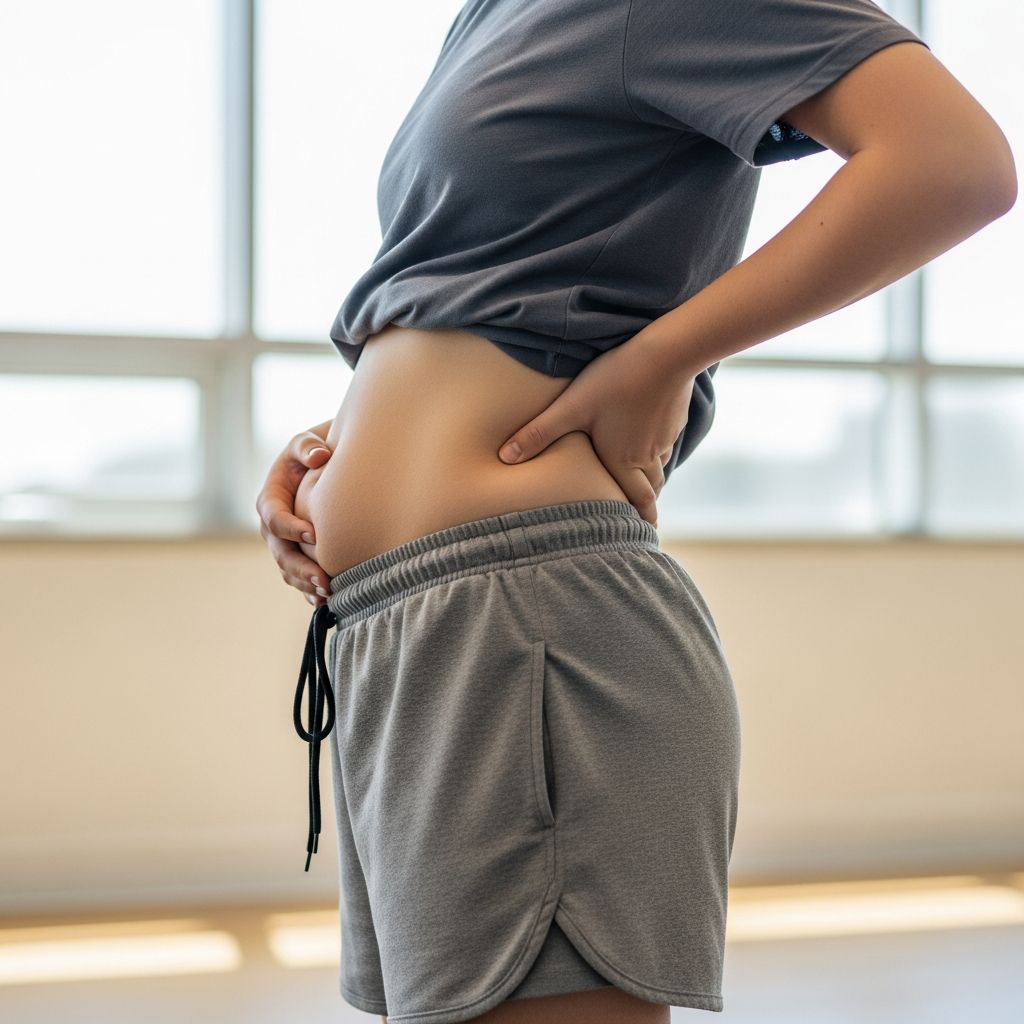
Many teenagers experience loose or excess skin after significant weight loss, rapid growth during puberty, or other body changes. This condition arises when skin stretches beyond its elastic capacity and struggles to shrink back, often leaving hanging folds in areas like the abdomen, arms, thighs, or chest. While common and temporary for most, it can impact self-esteem during a vulnerable time. Understanding the science behind it empowers teens to take proactive steps for improvement.
Why Does Loose Skin Happen to Teens?
Skin is the body’s largest organ, made of collagen and elastin fibers that provide stretch and snap-back ability. During adolescence, hormonal surges trigger growth spurts and fat redistribution, sometimes overstretching these fibers. Rapid weight loss—whether from diet, sports, or health conditions—exacerbates this by removing volume without giving skin time to adapt.
- Hormonal Influences: Puberty increases androgens, boosting oil production and affecting skin firmness, similar to acne triggers.
- Weight Fluctuations: Losing 50+ pounds quickly leaves skin sagging as fat pads diminish faster than skin contracts.
- Genetics and Lifestyle: Family history of poor elasticity, poor nutrition, or smoking impair collagen production.
Teens with conditions like obesity or eating disorders are at higher risk, but even athletes building muscle rapidly may notice temporary looseness.
Common Areas Affected and What to Expect
Excess skin typically appears in high-fat-storage zones. Here’s a breakdown:
| Body Area | Why It Happens | Typical Appearance |
|---|---|---|
| Abdomen (Belly Pouch) | Central fat loss site | Apron-like fold below navel |
| Upper Arms (Bat Wings) | Arm fat reduction | Wobbly skin when waving |
| Thighs/Inner Legs | Lower body weight drop | Rippling or chafing skin |
| Breasts/Chest | Hormonal shifts in puberty | Sagging or stretch-marked |
Skin may feel soft, thin, or irritated, prone to rashes from moisture trapping. In severe cases post-massive loss (100+ lbs), it can interfere with movement or hygiene. Most teens see gradual tightening over 1-2 years as natural collagen rebuilds.
Daily Habits to Tighten Skin Naturally
Patience is key—skin renewal takes months. Focus on these evidence-based routines:
- Strength Training: Build muscle under skin to fill space. Target 3-4 sessions weekly with bodyweight exercises like planks, squats, and push-ups. Resistance bands help beginners.
- Hydration Inside Out: Drink 8-10 glasses of water daily; use gentle, fragrance-free moisturizers with hyaluronic acid to plump skin.
- Nutrition for Collagen Boost: Eat vitamin C-rich foods (citrus, berries), protein (chicken, eggs, beans), and zinc (nuts). Avoid sugar spikes that degrade elastin.
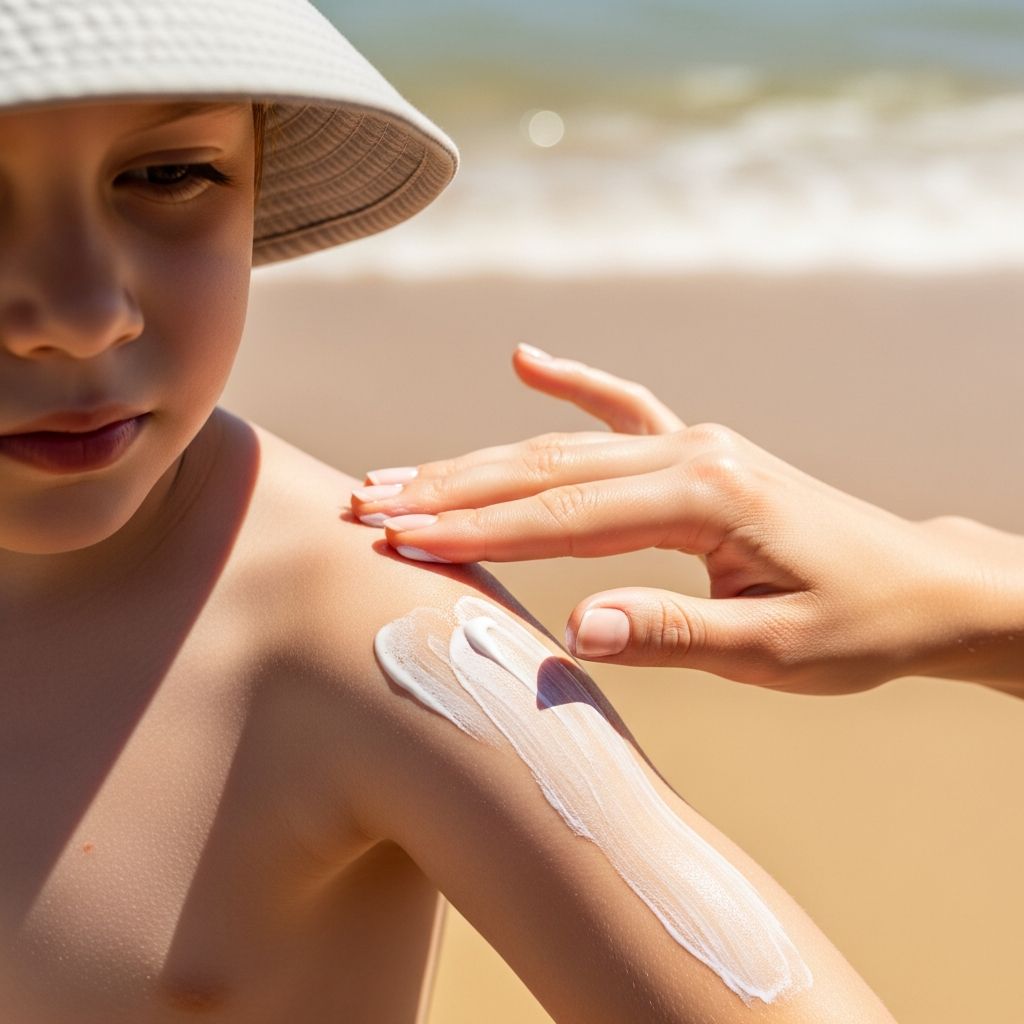
- Sun Protection: UV rays break down collagen; apply SPF 30+ daily, even indoors.
Consistency yields results: studies show weight training improves skin appearance in 6-12 months for post-weight loss patients.
Topical Treatments: Creams and Lotions That Work
Over-the-counter products can support elasticity. Look for:
- Retinoids (retinol): Stimulate collagen, but start low to avoid irritation.
- Peptides and antioxidants: Like vitamin E, protect fibers.
- Hyaluronic acid: Hydrates deeply for firmer feel.
Apply twice daily after cleansing with mild, non-comedogenic washes—avoid harsh scrubs that inflame skin. Prescription tretinoin from a dermatologist accelerates results but requires sun caution.
When to See a Dermatologist: Professional Solutions
If lifestyle changes don’t help after 6 months, or skin causes pain/infection, seek expert care. Options include:
Non-Invasive Therapies:
- Laser resurfacing: Heats deep layers to boost collagen (e.g., fractional lasers).
- Radiofrequency (RF) microneedling: Tightens via controlled injury and heat.
- Microdermabrasion: Exfoliates for smoother texture.
Advanced Interventions: For extreme cases, body contouring surgery removes excess via tummy tucks or arm lifts. Teens usually need parental consent and stable weight for 6+ months.
Dermatologists assess via exam; insurance may cover if medically necessary (e.g., rashes). Early intervention prevents scars.
Mental Health: Building Confidence Amid Changes
Loose skin can spark body image struggles, anxiety, or social withdrawal—especially with social media pressures. Normalize it: 70% of post-weight loss individuals experience it temporarily.
- Talk to trusted adults or counselors.
- Join support groups for weight loss journeys.
- Practice positive affirmations; focus on health gains.
Therapy like CBT helps reframe thoughts. Celebrate non-scale victories: energy, strength, fitting old clothes.
Preventing Loose Skin During Weight Loss
Proactive steps minimize risk:
| Strategy | Benefit | Teen Tip |
|---|---|---|
| Lose slowly (1-2 lbs/week) | Allows skin adaptation | Track with apps, not crash diets |
| Strength train from start | Preserves muscle volume | Pair cardio with weights |
| Balanced diet | Supports repair nutrients | Meal prep veggies/protein |
Avoid yo-yo dieting; maintain habits long-term.
Frequently Asked Questions (FAQs)
Will loose skin go away on its own?
Yes, for mild cases in teens, it often tightens in 1-2 years with healthy habits. Severe cases may need help.
How long until I see improvements?
Noticeable changes in 3-6 months with consistent exercise and care; full results up to 18 months.
Can creams really tighten skin?
They hydrate and mildly boost collagen but work best with other methods. Retinoids show best evidence.
Is surgery safe for teens?
Yes, when weight is stable and medically supervised. Risks include scarring; benefits outweigh for severe issues.
Does age affect recovery?
Younger skin (teens) rebounds faster due to higher collagen production.
Long-Term Skin Health for Lifelong Confidence
Beyond immediate fixes, adopt routines preventing future issues: balanced lifestyle, stress management (yoga/meditation), no smoking. Track progress with photos, not scales. Loose skin is a sign of transformation—wear it as a badge of resilience. Consult professionals for personalized plans; most teens emerge stronger, inside and out.
(Word count: 1678)
References
- Teenage Skin Conditions and Hormonal Changes — Minars Dermatology. 2023. https://www.minarsdermatology.com/teenage-skin-conditions-acne-eczema-hidradenitis-suppurativa-treatment/
- HOW TO TREAT TEENAGE SKIN — Dr Barbara Sturm. 2023. https://www.drsturm.com/doctors-notes/teenage-skin
- Top Teen Skin Problems – and How to Solve Them — WebMD. 2023-10-15. https://www.webmd.com/skin-problems-and-treatments/acne/features/top-teen-skin-problems-how-to-solve-them
- What Triggers Teen Acne? — Schweiger Dermatology. 2024. https://www.schweigerderm.com/skin-care-articles/acne/what-triggers-teen-acne/
- 7 Common Teen Skin Conditions — U.S. Dermatology Partners. 2024. https://www.usdermatologypartners.com/blog/7-common-teen-skin-conditions/
- Top 5 Teen Skin Problems — Short Hills Dermatology. 2023. https://www.shorthillsderm.com/blog/skin-care/what-are-the-top-5-teen-skin-problems-and-how-can-a-dermatologist-help-solve-them/
- Stretch Marks (for Teens) — Nemours KidsHealth. 2024. https://kidshealth.org/en/teens/stretch-marks.html