The Intersection of Solar Radiation and Permanent Body Art
Tattoos represent a significant investment in personal expression, requiring careful attention to aftercare and long-term maintenance. One of the most overlooked threats to tattoo longevity is exposure to solar radiation. Understanding how the sun’s ultraviolet rays interact with tattoo ink is essential for anyone who wants their body art to remain vibrant and clearly defined throughout their lifetime. The relationship between sun exposure and tattoo degradation involves multiple biological mechanisms that can compromise both the aesthetic appeal and structural integrity of your ink.
Understanding Tattoo Ink Placement and Sun Vulnerability
Tattoo ink resides in the dermis, which is the second and thickest layer of human skin, situated beneath the epidermis. While this deeper placement offers some protection from surface-level damage, it does not provide immunity from ultraviolet radiation. The dermis remains vulnerable to both UVA and UVB rays, which penetrate through the outer skin layers and interact directly with the pigment molecules. UVA rays, in particular, are capable of continuous penetration into the dermal layer where tattoo ink is stored. When these rays encounter the ink particles, they initiate a photochemical breakdown process that gradually diminishes the vibrancy and clarity of your tattoo.
How Ultraviolet Rays Break Down Tattoo Pigments
The mechanism of UV-induced tattoo fading occurs through a process where ultraviolet radiation directly attacks the chemical bonds within tattoo pigment molecules. Different colored inks respond differently to solar exposure based on their chemical composition. Light-colored pigments, particularly white and pastel inks, are the most susceptible to rapid fading because their chemical structures are less stable when exposed to UV energy. Red, yellow, and orange inks also fade relatively quickly due to their molecular vulnerabilities. Black and gray inks demonstrate greater resistance to fading but are not immune to long-term degradation and color distortion.
As UV rays break down these pigment molecules, the body’s immune system recognizes the fragmented ink particles as foreign matter. White blood cells then migrate to the affected area and gradually remove the dispersed ink fragments, similar to how they would respond to an infection or invading pathogen. This biological process results in ink particles becoming increasingly spread out and diffuse, creating a splotchy appearance that blurs the defined lines and details of your original tattoo design.
The Specific Dangers of Getting Tattooed on Sunburned Skin
Getting a tattoo when your skin is actively sunburned represents one of the most harmful decisions you can make for your body art. When the epidermis and dermis are inflamed from sunburn, the tissue is compromised at a cellular level. This inflammation creates an unstable foundation for the tattooing process, making it significantly more difficult for the needle to deposit ink evenly and consistently. The damaged tissue cannot maintain the precise placement of ink particles, often resulting in patchy, uneven coloration that may require extensive touch-ups once the skin has healed.
Sunburned skin is in a heightened state of cellular damage and repair activity. The damaged cells are scheduled to shed as the skin undergoes its natural recovery process. When a tattoo needle penetrates this compromised tissue, the ink has difficulty establishing stable anchors within the dermal layer. Additionally, sunburned skin often begins peeling within days or weeks of the burn, and this accelerated shedding process can physically pull out freshly inserted tattoo ink, causing it to fall out of the skin before it has time to fully integrate.
Infection Risk When Tattooing Compromised Skin
Beyond aesthetic concerns, getting tattooed on sunburned skin significantly elevates the infection risk. Sunburned tissue has already sustained damage to its protective barrier and immune response mechanisms. The skin’s natural ability to fight off bacteria and prevent infection is compromised during the healing phase of a sunburn. Introducing a tattoo needle into this already-vulnerable tissue creates an opportunity for opportunistic infections to take hold.
Fresh tattoos are essentially open wounds, and when those wounds occur in skin that is actively recovering from UV damage, the healing process becomes substantially more complicated. The combination of sunburn damage and fresh tattooing can lead to excessive inflammation, blistering, weeping of fluid, increased scabbing, and potentially serious infections that may require medical intervention. These complications not only cause pain and discomfort but can also result in permanent scarring that distorts the appearance of the tattoo.
Long-Term Consequences of Sun Exposure on Established Tattoos
Even after a tattoo has fully healed and stabilized, ongoing sun exposure continues to damage the ink throughout your life. The fading process from UV rays is insidious because it happens gradually over months and years, making it difficult to notice until significant degradation has already occurred. Many people don’t realize their tattoo has faded until they suddenly notice that once-vibrant colors have become muted or that previously crisp lines have become blurry and indistinct.
Prolonged sun exposure also affects the skin itself, accelerating aging processes that make your tattoo appear older than it should. As skin loses elasticity and develops sun damage, your tattoo naturally becomes less clear and vibrant simply because the skin quality around it has deteriorated. In some cases, color distortion occurs as ink fades unevenly, potentially causing black and gray tattoos to develop unwanted green or blue hues as certain pigment concentrations diminish faster than others.
Protection Strategies for New Tattoos
Protecting a freshly applied tattoo from sun exposure requires deliberate action during the critical healing phase, which typically lasts two to four weeks depending on the tattoo’s size and complexity.
- Clothing Coverage: The most effective protection for new tattoos is simply keeping the tattooed area covered with light, breathable clothing. This physical barrier prevents any direct UV exposure during the vulnerable healing period.
- Avoiding Direct Sunlight: When possible, stay in shaded areas and avoid peak sun hours when UV radiation is most intense, typically between 10 AM and 4 PM.
- Swimming Avoidance: Water exposure, whether from swimming, bathing, or prolonged shower exposure, can disrupt the healing process and increase infection risk. Avoid these activities during the initial healing phase.
- Temperature Management: Keep your body cool in the shade rather than using air conditioning or excessive heat, which can complicate the healing process. Cool compresses can help manage inflammation without impeding recovery.
- Moisture Management: Use your regular moisturizer as directed by your tattoo artist to maintain skin hydration without introducing potentially problematic sunscreen into freshly healing skin.
Advanced Protection for Healed Tattoos
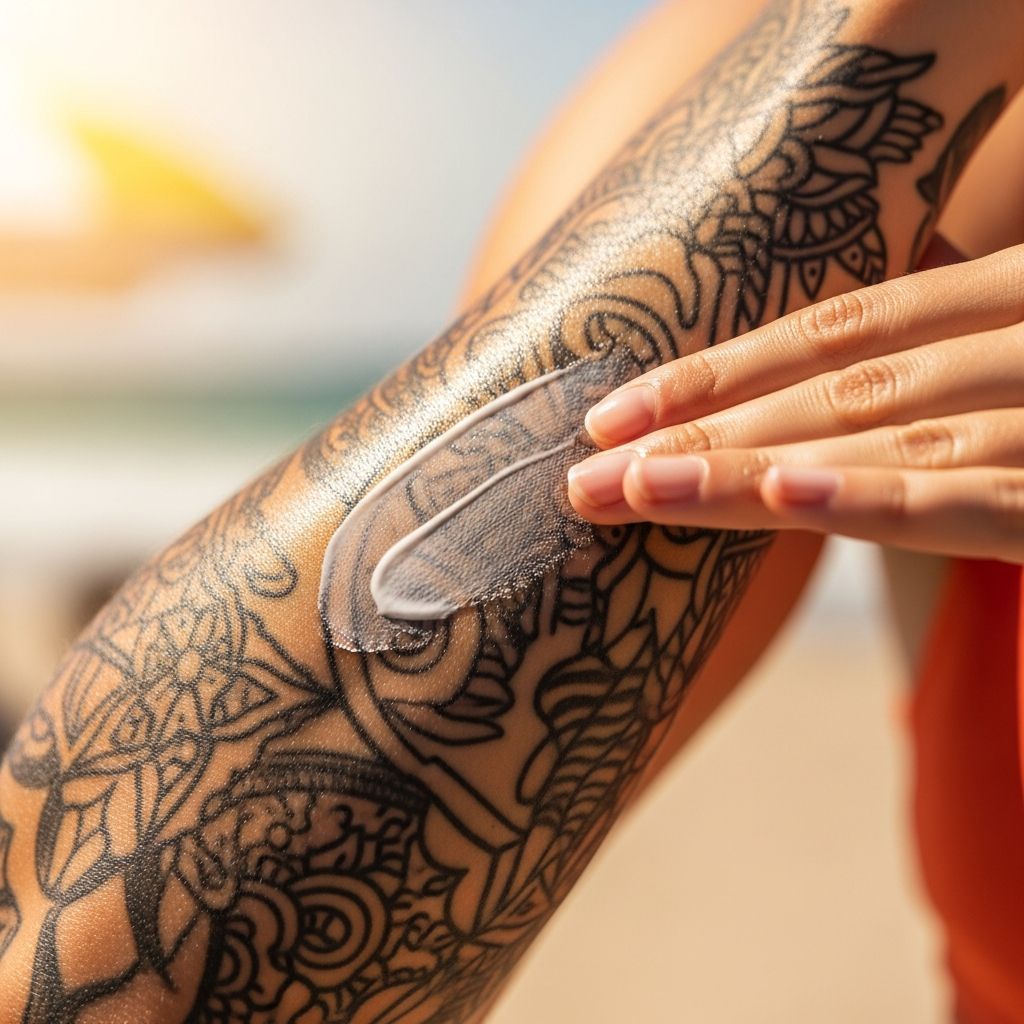
Once your tattoo has completely healed, you can begin applying sunscreen specifically to the tattooed area. Using a broad-spectrum sunscreen with SPF 30 or higher provides critical protection against both UVA and UVB rays. The key is consistency—reapplying sunscreen regularly, especially after swimming or perspiring, ensures continuous protection. In addition to sunscreen, consider using UV-protective clothing designed to block solar radiation, particularly during extended outdoor activities or beach days.
For those with multiple tattoos or extensive body art, exploring comprehensive sun protection strategies becomes increasingly important. This might include planning outdoor activities during early morning or late evening hours when UV intensity is lower, seeking shade whenever possible, and wearing wide-brimmed hats and UV-blocking sunglasses to protect both your tattoos and overall skin health.
Post-Sunburn Care for Tattooed Skin
If you accidentally expose a new or healing tattoo to excessive sun and develop a sunburn, immediate care is essential to minimize damage.
- Cool the Skin: Use cool (not cold) showers or compresses to reduce inflammation and pain without shocking the system.
- Increase Hydration: Drink plenty of water to support your body’s healing response from the inside out.
- Moisturize Thoroughly: Proper moisturization helps your skin recover while potentially reducing ink loss that can occur from excessive peeling.
- Avoid Further Sun Exposure: Keep the affected area covered and protected from any additional UV exposure during recovery.
- Monitor for Infection: Watch for signs of infection including unusual warmth, pus, excessive redness, or swelling, and seek medical attention if concerning symptoms develop.
Understanding Color-Specific Vulnerability
Different tattoo colors require different levels of sun protection based on their chemical properties. White, yellow, orange, and red inks fade most rapidly when exposed to UV rays. These lighter and warmer pigments have molecular structures that are inherently less stable under solar radiation. Black and gray inks hold up comparatively better, though they too will eventually fade and may develop color distortion over decades without proper protection. Even a single black ink tattoo can lose its crispness and sharpness if consistently exposed to unprotected sun.
If you have a multicolored tattoo with a range of hues, the fading will likely be uneven, with lighter colors disappearing first while darker colors persist longer. This can eventually make intricate designs difficult to read and appreciate. Understanding your tattoo’s specific color composition helps you prioritize protection for the most vulnerable pigments.
Professional Recommendations for Tattoo Longevity
Tattoo artists and dermatologists consistently recommend treating your tattoo like the permanent art investment it is. This means planning your beach trips and outdoor activities with your tattoos in mind, making sun protection a non-negotiable aspect of your daily routine during warm months, and recognizing that protecting your ink is just as important as the aftercare immediately following the procedure.
Many professional tattoo studios provide specific aftercare instructions tailored to the individual tattoo’s characteristics, size, and color composition. Following these guidelines carefully and extending protective measures beyond the initial healing phase ensures that your body art remains vibrant and clearly defined for decades to come.
Frequently Asked Questions
How long does it take for UV rays to fade a tattoo?
Fading from UV exposure typically occurs gradually over months and years, making it difficult to notice until significant degradation has already occurred. However, unprotected exposure can cause noticeable fading within weeks or months, particularly with lighter-colored inks.
Can I use regular sunscreen on a healing tattoo?
No, regular sunscreen should not be applied to freshly tattooed skin. Wait until your tattoo is fully healed (typically 2-4 weeks) before applying sunscreen. During healing, rely on clothing coverage and shade for protection.
What SPF level is best for protecting established tattoos?A: A broad-spectrum sunscreen with SPF 30 or higher is recommended for protecting healed tattoos. SPF 50+ provides enhanced protection, particularly for light-colored or vibrant inks that fade more quickly.
Q: Will a tattoo definitely fade if exposed to sun?
UV exposure will eventually cause tattoo fading, but proper protection significantly slows this process. Unprotected tattoos will fade noticeably over time, while well-protected tattoos can maintain their appearance for many years.
Can faded tattoos be repaired?
Yes, faded tattoos can typically be refreshed through touch-ups and cover-up sessions. However, prevention through consistent sun protection is far more effective and economical than repeatedly repairing sun-damaged tattoos.
References
- Understanding Sunburnt Skin and Tattoo Risks — Numbastay. 2025. https://numbastay.com/blogs/news/understanding-sunburnt-skin-and-tattoo-risks
- Sun Damage and Your Tattoo — Paper Crane Tattoo Studio. https://www.papercranetattoo.com/blog/sun-damage-and-your-tattoo
- How Sun Damage Affects Tattoos & Tips to Protect Your Ink — Golden Tarot Ink Club. 2025-01-16. https://www.goldentarotinkclub.com/blog/2025/how-sun-damage-affects-tattoos-tips-to-protect-your-ink.html
- How Does the Sun Damage a Tattoo — Blue Lizard Sunscreen. https://bluelizardsunscreen.com/blogs/news/how-does-the-sun-damage-a-tattoo
- Sunscreen For Tattoos: How To Keep Your Tattoo Looking Its Best — Brush on Block. https://brushonblock.com/blogs/news/spf-sunscreen-tattoos
- Tattoos and Sunburns – A Cautionary Tale — Vivid Ink Tattoos. https://vividinktattoos.co.uk/tattoos-and-sunburns-a-cautionary-tale/
- Tattoos & Sunburns: What You Should Know — Hush Anesthetic. https://hushanesthetic.com/blogs/community/tattoo-sun-burn