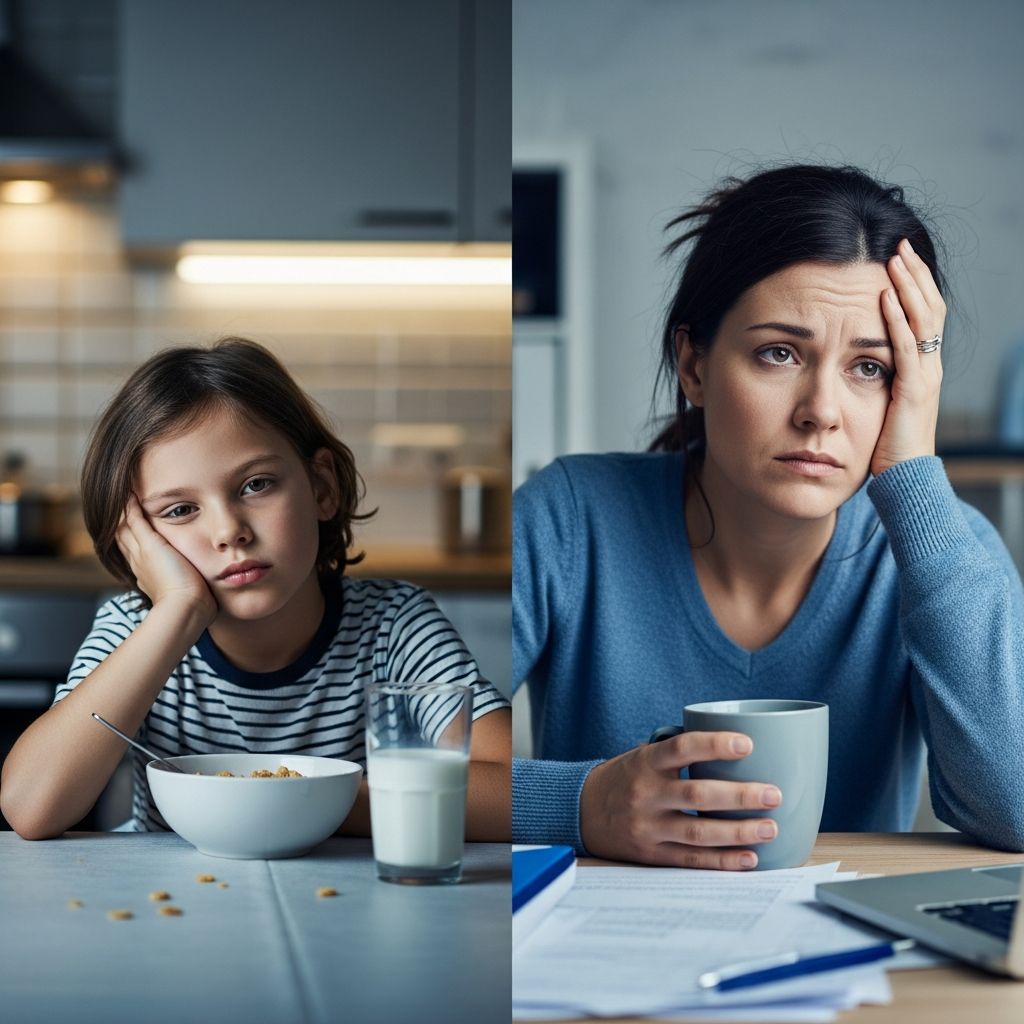
Insufficient sleep creates profound mental health challenges for both children and their parents, disrupting emotional regulation, cognitive function, and family dynamics. Research reveals that chronic sleep shortages alter brain structure, heighten risks for anxiety and depression, and strain parental resilience, underscoring the need for proactive sleep interventions.
Why Sleep Deprivation Hits Children Hardest
Young minds rely on sleep for healthy development, yet many children fall short of recommended hours, leading to cascading mental health effects. Preschoolers and early school-age kids averaging under 9-11 hours nightly show heightened vulnerability to emotional and behavioral disruptions.
- Impaired attention and executive function persist into mid-childhood, as evidenced by parent and teacher reports.
- Brain imaging confirms reduced gray matter in areas governing memory, inhibition, and attention among sleep-deficient youth.
- Behavioral shifts include impulsivity, aggression, and social withdrawal, mimicking or exacerbating ADHD symptoms.
These changes endure over years, with longitudinal studies linking early sleep deficits to ongoing neurobehavioral impairments.
Brain Changes from Chronic Sleep Shortfalls in Youth
Sleep deprivation remodels developing brains, shrinking volumes in critical regions. Children with persistent short sleep exhibit smaller prefrontal cortex areas responsible for decision-making and emotional control, differences that remain after two years.
| Brain Region Affected | Function Impacted | Observed Changes |
|---|---|---|
| Prefrontal Cortex | Attention, Inhibition | Reduced gray matter volume |
| Hippocampus | Memory, Learning | Smaller size, impaired function |
| Amygdala | Emotional Regulation | Heightened reactivity to stress |
Such alterations correlate with real-world struggles: lower academic scores, peer conflicts, and elevated anxiety.
Mental Health Disorders Fueled by Poor Sleep
Sleep issues bidirectionally intertwine with psychiatric conditions. Children with anxiety, depression, or ADHD face 40-48% higher rates of short sleep, which in turn amplifies symptoms.
- Anxiety and depression risk climbs with persistent sleep problems from school age into adolescence.
- ADHD-like inattention and hyperactivity worsen, often leading to misdiagnosis without sleep evaluation.
- Behavioral disorders manifest as irritability, oppositionality, and aggression in sleep-deprived kids.
CDC data affirm these links hold after adjusting for demographics, with mental-emotional-behavioral disorders (MEBDs) strongly predicting insufficient rest.
Parents Under Siege: Sleep’s Toll on Caregiver Mental Health
Parental sleep suffers alongside children’s, fostering a cycle of exhaustion and emotional strain. Night wakings, bedtime battles, and co-sleeping demands erode adults’ rest, mirroring child impacts on mood and cognition.
Exhausted parents report heightened anxiety, irritability, and depressive symptoms, with studies showing parallels to pediatric risks: diminished executive function and relational tensions. Caregivers of sleep-disrupted kids face amplified stress, as fragmented nights impair coping and amplify family conflicts.
The Vicious Cycle in Family Sleep Patterns
Sleep deprivation creates feedback loops within households. A child’s poor rest provokes parental interventions that further fragment adult sleep, heightening mutual irritability and mental strain.
- Infant sleep predicts later child patterns, extending risks if unaddressed early.
- Parental fatigue reduces capacity for consistent routines, perpetuating disruptions.
- Shared bedrooms or irregular schedules compound issues for all.
Breaking this requires family-wide strategies targeting root causes like screen exposure and caffeine.
Signs Your Child’s Restlessness Signals Deeper Issues
Recognize red flags beyond yawns: chronic mood swings, academic slips, peer isolation, or hyperactivity spikes. Teacher feedback on inattention or oppositionality, paired with parental notes on nighttime wakings, warrants professional review.
For parents: persistent overwhelm, resentment toward routines, or uncharacteristic snappiness signal sleep’s mental toll. Pediatricians emphasize screening both child and caregiver sleep during visits.
Evidence-Based Fixes for Restorative Family Sleep
Targeted habits yield measurable gains. Prioritize age-appropriate durations: 10-13 hours for ages 3-5, 9-12 for 6-12, per expert consensus.
- Consistent Schedules: Fixed bed/wake times anchor circadian rhythms, reducing resistance.
- Sleep Sanctuary: Dark, cool rooms sans screens 1-2 hours pre-bed; blue light suppresses melatonin.
- Wind-Down Rituals: Calming activities like reading ease transitions, boosting REM cycles vital for mood.
- Daytime Balance: 60+ minutes exercise, limited naps post-preschool age.
- Nutrition Tweaks: No caffeine post-noon; light evening meals.
Behavioral therapies like graduated extinction resolve 80% of toddler issues within weeks, per reviews. Cognitive aids like white noise or weighted aids show adjunctive promise.
Role of Healthcare in Sleep-Mental Health Integration
Pediatric guidelines urge routine sleep histories, as deficits mimic disorders. Multidisciplinary teams—sleep specialists, psychologists—address bidirectional links, with CBT-I adapted for youth proving efficacious.
For parents, primary care referrals to therapy or apps tracking patterns bridge gaps. Early action prevents escalation to chronic conditions.
Long-Term Gains from Prioritizing Sleep
Families reclaiming rest report sharper focus, stable moods, and stronger bonds. Neuroplasticity allows partial reversals, but prevention trumps remediation—consistent habits from infancy build resilience.
Schools integrating sleep education see behavioral upticks; workplaces offering parent resources curb absenteeism. Systemic shifts amplify individual wins.
Frequently Asked Questions About Sleep and Mental Health
How much sleep do school-age children really need?
Ages 6-12 require 9-12 hours nightly; under this threshold risks cognitive and emotional deficits.
Can fixing sleep alone resolve my child’s anxiety?
Sleep optimization alleviates symptoms in many, but co-existing disorders need comprehensive evaluation.
What if my baby wakes constantly—does it affect later development?
Infant patterns predict preschool sleep; early interventions safeguard neurobehavioral health.
Are screens really that bad before bed?
Yes—blue light delays melatonin by 1-2 hours, fragmenting cycles and heightening next-day irritability.
How does parental sleep impact child outcomes?
Exhausted caregivers model poor habits and struggle with enforcement, perpetuating family-wide issues.
References
- Study flags later risks for sleep-deprived kids — Harvard Gazette. 2017-03-01. https://news.harvard.edu/gazette/story/2017/03/study-flags-later-risks-for-sleep-deprived-kids/
- Children’s sleep linked to brain development — NIH Research Matters. 2022-07-29. https://www.nih.gov/news-events/nih-research-matters/childrens-sleep-linked-brain-development
- Short Sleep Duration: Children’s Mental, Behavioral, and Developmental Disorders — CDC. 2023. https://www.cdc.gov/pcd/issues/2023/22_0408.htm
- Childhood sleep: physical, cognitive, and behavioral consequences — PMC (Peer-reviewed). 2022. https://pmc.ncbi.nlm.nih.gov/articles/PMC9685105/
- Insufficient Sleep in Children — Children’s Hospital Colorado. Accessed 2026. https://www.childrenscolorado.org/conditions-and-advice/conditions-and-symptoms/conditions/sleep-deprivation/
- The role of sleep in children’s mental health — Illinois Behavioral Health Workforce Center. 2025-10-30. https://illinoisbhwc.org/2025/10/30/the-role-of-sleep-in-childrens-mental-health/