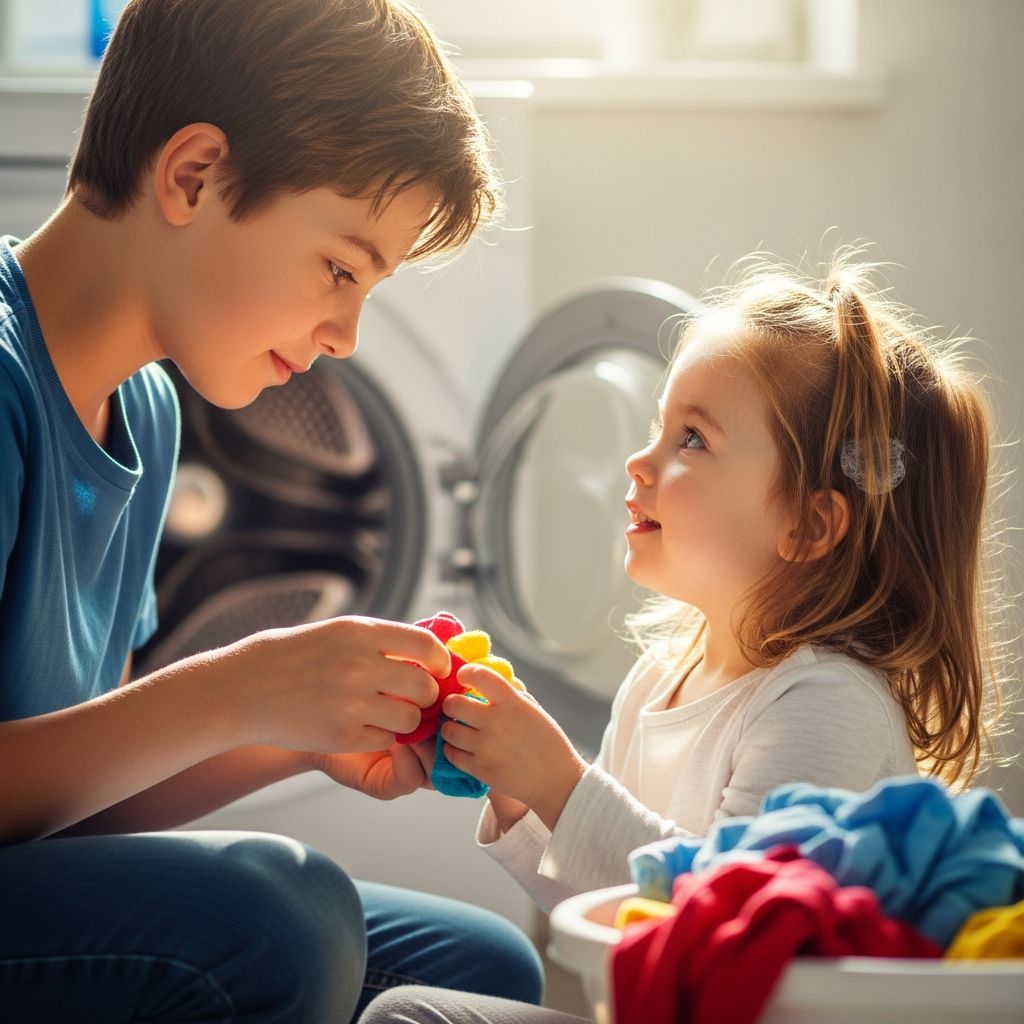
Many parents brace themselves for tears when it is time for loud, sensory-heavy routines like hair wash or a trip through the car wash. Yet every now and then, a child surprises everyone by stepping into the role of steady, gentle comforter for a scared sibling. Those tiny acts of kindness can reshape how the whole family experiences stressful moments.
Why Wash Day Can Feel So Scary to Little Kids
To adults, wash day is just another chore: get in the shower, lean back for shampoo, or drive through the automatic car wash and come out with a clean vehicle. For a young child, though, the same routine can feel like stepping into a noisy, unpredictable storm. Their brains and bodies are still learning how to process intense sensory input.
- Noise and motion feel overwhelming. The pounding of water, the roar of dryers, or the clanking of brushes can sound far louder and more chaotic to a toddler than to an adult.
- Loss of control heightens fear. Leaning back, closing eyes, and trusting someone else to pour water can feel like a loss of safety, especially if a child fears that water will get in their eyes, ears, or nose.
- Past bad experiences intensify reactions. One tough wash-day experience—soap in the eyes, a sudden blast of air, a slip in the tub—can stick in a child’s memory and make every later wash day feel dangerous.
Parents might see these outbursts as overreactions, but for a small child whose nervous system is still maturing, their fear is very real. Recognizing that fear is the first step toward helping them feel safe.
The Heartwarming Scene: A Brother Steps In
Imagine a nervous little girl strapped into her seat or perched on a bathroom stool, already on edge as the wash-day routine begins. The sounds grow louder, maybe the lights flicker, or the water starts rushing. Her body stiffens and she looks close to tears. Then, instead of a meltdown, something else happens: her older brother gently reaches out to reassure her.
He might hold her hand, put an arm around her shoulders, or simply lean close and speak softly. His calm presence sends a powerful message: “You are not alone. I am here with you, and you are safe.” In a moment, her breathing slows, her muscles relax, and the panic in her eyes fades. Without any formal training, he has just modeled emotional regulation and co-regulation more effectively than many adults.
- His body language shows safety: relaxed shoulders, soft eyes, and a gentle touch.
- His voice provides a steady anchor: talking about what is happening, reminding her it will end soon, or even making light jokes to distract her.
- His closeness communicates belonging: standing or sitting right beside her rather than watching from a distance.
What This Moment Teaches About Sibling Bonds
Scenes like this reveal that siblings are more than just built-in playmates or occasional rivals. They are often some of the earliest and most consistent emotional partners children have. The older child in this situation is not simply performing a cute act for the camera; he is practicing empathy in real time.
When a big brother helps his sister calm down, several deep lessons are unfolding at once. He learns that his actions matter, that he can be a source of comfort, and that caring for others feels meaningful. She learns that she can lean on people she trusts and that scary experiences can be shared and survived together.
- The younger sibling internalizes: “When I am scared, someone will stand by me.”
- The older sibling internalizes: “I am capable, helpful, and needed in this family.”
- The family as a whole sees: “We can face stressful routines as a team, not as opponents.”
Emotional Regulation in Action
From a developmental perspective, the brother is acting as a co-regulator. Very young children do not yet have the full ability to calm themselves down during stress; they borrow the nervous system of a nearby adult or, in this case, a caring sibling. The calm person’s slow breathing, steady tone, and relaxed posture all act as nonverbal messages of safety.
Over time, repeated experiences of co-regulation help children build their own inner tools. They learn to talk themselves through fear, notice that intense feelings eventually pass, and recall past times when they coped successfully.
| Sibling Behavior | Effect on Anxious Child |
|---|---|
| Holding hands or sitting close | Signals physical safety and reduces feelings of isolation |
| Using a calm, soft voice | Encourages slower breathing and reduces overall arousal |
| Explaining what is happening step-by-step | Makes the situation more predictable and less mysterious |
| Making gentle jokes or singing | Shifts focus away from fear and introduces positive emotion |
How Parents Can Encourage Gentle Sibling Support
Parents cannot script every tender moment between siblings, but they can set the stage. The goal is not to pressure an older child into being a miniature parent, but to invite them into age-appropriate opportunities to help and connect. When done thoughtfully, these moments strengthen bonds rather than creating resentment.
- Model gentle reassurance yourself. Use simple, calm language during stressful routines so your children see what comforting support looks and sounds like.
- Invite, don’t assign. Saying, “Would you like to hold her hand while we go through the car wash?” gives the older child a choice, which preserves goodwill.
- Notice and name their kindness. Afterward, quietly reflect: “She really calmed down when you talked to her. You helped her feel safe.” This reinforces the behavior without turning it into a performance.
- Protect the helper’s boundaries. Make clear that it is never their job to fix everything or absorb mistreatment; they are a helper, not a Replacement parent.
Making Wash Day Less Stressful for Everyone
Even with a wonderfully supportive sibling in the picture, it helps to design wash-day routines that respect a child’s limits. Small adjustments to the environment and schedule can make overwhelming experiences much more manageable. The goal is to work with your child’s nervous system, not against it.
- Give a simple, visual countdown before starting, such as fingers for “3, 2, 1” or a short song that ends when the water begins.
- Offer a job or role: holding a favorite toy, pressing a pretend “start” button, or choosing a towel.
- Use comfort items: noise-dampening headphones for loud car washes, a washcloth over the eyes for shampoo, or a favorite stuffed animal nearby.
- Keep the routine as predictable as possible: same order, same phrases, same steps each time.
When parents and siblings work together, wash day gradually shifts from a dreaded event into a familiar, manageable part of life. It may never be a favorite activity, but it does not have to be a battleground.
Benefits of Strong Sibling Relationships Beyond Wash Day
A single moment of comfort during a noisy wash is powerful, but its impact does not stop there. Siblings who practice caring for each other in small, everyday stresses build a foundation that helps them navigate bigger challenges later in life.
As they grow, these children carry several long-term benefits:
- Better social skills. Children who regularly practice empathy at home tend to find it easier to understand classmates and friends.
- A shared emotional language. Having a sibling who “gets it” can make it easier to talk about fear, embarrassment, or sadness in future situations.
- Resilience in the face of stress. Knowing there is someone in your corner—even a younger or older sibling—can make life’s challenges feel more bearable.
Practical Ideas for Nurturing Sibling Empathy
Empathy is partly natural temperament and partly a skill that grows with practice. Parents cannot force siblings to adore each other, but they can create conditions where kindness has room to thrive. Everyday routines, such as wash day, bedtime, and mealtimes, become practice grounds for emotional awareness.
- Highlight perspectives gently: “Your sister looks a little worried about the noise. What do you think might help?”
- Read stories or watch age-appropriate videos where siblings support one another, then briefly discuss what the characters did well.
- Encourage simple check-ins: “Can you ask your brother if he’s okay?” without demanding a particular response.
- Avoid labeling children as “the brave one” or “the scared one,” which can trap them in rigid roles.
Common Concerns Parents Have About Sibling Roles
Parents sometimes worry that praising an older child’s caregiving will encourage “parentification,” where a child takes on adult responsibilities too early. This is a valid concern, especially in families facing high levels of stress. The goal is to celebrate individual moments of genuine care—like comforting a sister on wash day—without turning them into a constant expectation.
Healthy sibling support looks like occasional, voluntary acts of kindness, not a standing obligation to manage a younger sibling’s emotions. Parents safeguard this boundary by stepping in quickly when conflicts escalate, providing adult regulation themselves, and reminding the older child that their main jobs are to learn, play, and grow.
Sample Wash-Day Routine That Encourages Connection
Every family’s routine will differ, but the outline below shows one way to combine practical steps with emotional support from both parents and siblings. This example focuses on a hair-wash night or a loud car wash, but the principles can be adapted to any stressful routine.
- Prepare together. Briefly explain what is going to happen, show any tools that will be used (cup, shower head, or car wash ticket), and invite both children to ask questions.
- Assign simple, fun roles. The older sibling might be the “comfort captain,” offering a hand to hold or choosing a silly song to sing during the loudest part.
- Practice calm cues. Teach a short phrase like “We’re safe together” or “This will be over soon,” and let either child say it whenever things feel intense.
- Decompress afterward. Once wash day is done, snuggle up, talk briefly about the experience, and thank both children for any ways they helped each other.
Frequently Asked Questions
Is it healthy for an older sibling to comfort a younger one during stressful routines?
Yes, as long as it is voluntary and age-appropriate, it can be very healthy. Occasional, genuine acts of comfort help both children practice empathy, cooperation, and emotional regulation, while parents remain ultimately responsible for safety and discipline.
What if my older child refuses to help when the younger sibling is scared?
That is okay and actually quite normal. Look at it as information about their current capacity rather than a moral failure. Continue modeling gentle support yourself, offer low-pressure opportunities to help, and avoid shaming or comparing siblings.
How can I make noisy wash routines less frightening for my toddler?
Start by reducing sensory overload: use ear protection for loud environments, keep water temperature consistent, and give clear, simple explanations of each step. Comfort items, predictable rituals, and a calm, present adult or sibling can all lower anxiety significantly.
Won’t focusing on their fear make things worse?
Ignoring fear often intensifies it, while gently acknowledging it can help it move through more quickly. Briefly naming what you see—“This is loud; it makes you feel nervous, but you are safe with us”—validates your child without dwelling on the fear.
How do I praise my child’s kindness without making them feel responsible for their sibling’s emotions?
Keep praise specific and short, and emphasize choice: “You chose to hold her hand and that helped her. Thank you.” Pair that with reminders that grownups are in charge of keeping everyone safe and handling big problems.
Turning Everyday Stress Into Connection
Wash days, car washes, and other noisy routines will probably never be your children’s favorite moments, but they do not have to be constant battlegrounds. When a big brother leans over to comfort a frightened sister, he is doing more than surviving a chore—he is building trust, practicing empathy, and helping create a family story in which everyone looks out for one another.
Parents who slow down enough to notice and nurture these small acts of care often find that the benefits ripple far beyond the tub, the sink, or the car wash tunnel. Over time, siblings who learn to stand together in the face of everyday fears are better prepared to face life’s bigger storms side by side.