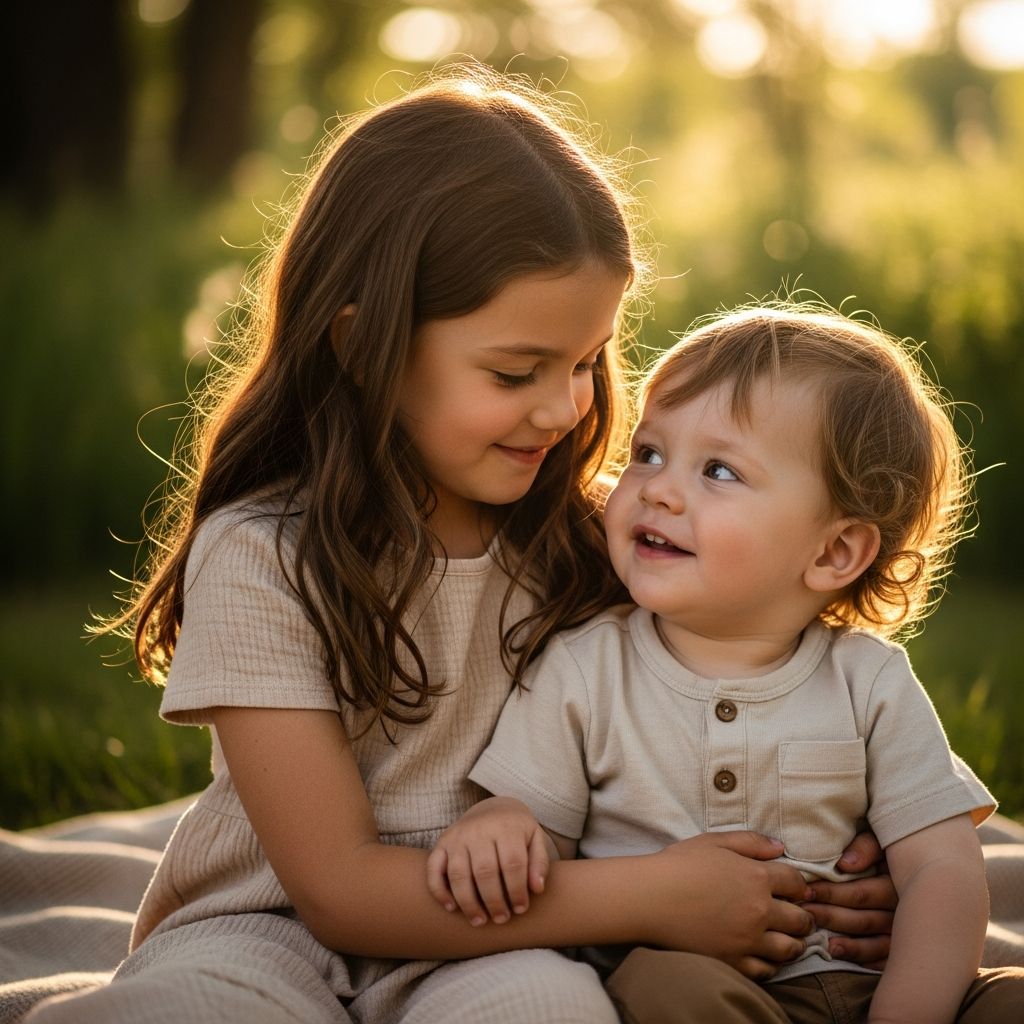
Sibling bonds serve as one of the earliest and most enduring social environments for children, profoundly impacting their emotional, social, cognitive, and behavioral development. These relationships, often marked by a mix of affection, rivalry, and mutual learning, act as a training ground for navigating complex human interactions.
Emotional Foundations Built Through Sibling Ties
From toddlerhood, children engage in emotionally intense exchanges with siblings that sharpen their ability to recognize and manage feelings. Siblings help each other decode emotions, intentions, and beliefs during play, conflicts, and daily routines, fostering an advanced theory of mind earlier than formal tests might reveal. For instance, teasing, shared laughter, and pretend play reveal deep insights into others’ mental states, promoting empathy and emotional literacy.
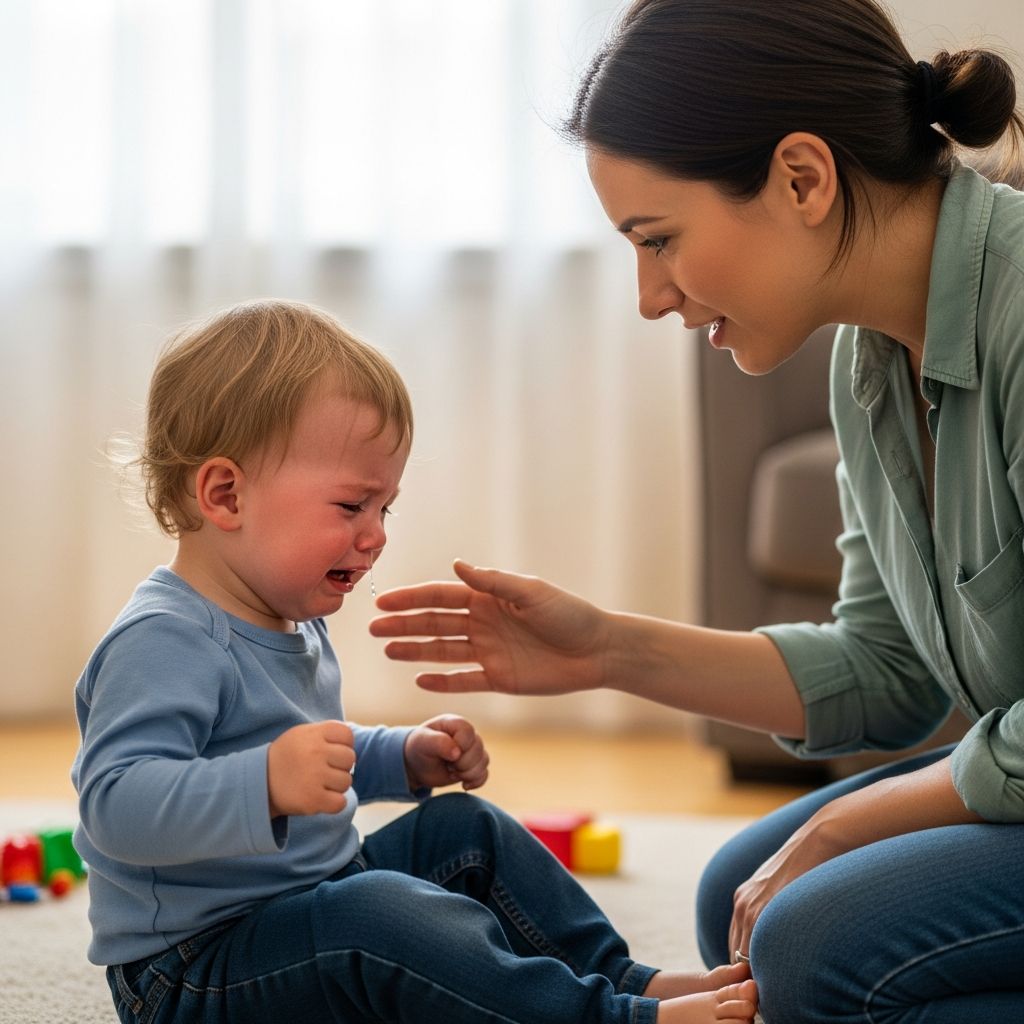
Positive sibling interactions correlate with better emotional regulation. Children in warm relationships learn to express feelings constructively, reducing externalizing behaviors like aggression. Research shows that supportive sibling dynamics predict lower depression risk in adolescence, especially for girls, and buffer against stressors like bullying. Conversely, strained ties can amplify negative emotions, highlighting the need for parental guidance to balance these dynamics.
- Imitation in play builds shared emotional understanding.
- Conflict resolution teaches perspective-taking and self-control.
- Warm bonds encourage open discussions about feelings.
Social Skills Honed in the Sibling Arena
Siblings provide a safe space to practice social competencies, from prosocial acts to peer negotiations. Older siblings model behaviors like sharing and complimenting, which younger ones mimic, reinforcing positive habits. This bidirectional influence extends to older children, who refine empathy through responding to younger siblings’ needs.
Studies indicate that children with siblings, particularly older ones, exhibit stronger social competence and peer acceptance. Sibling warmth links to academic engagement and smoother transitions to school, as kids master conflict management and cooperation at home. Gender dynamics add nuance: mixed-sex sibling pairs often accelerate romantic competence in adolescence compared to same-sex groups.
| Sibling Dynamic | Impact on Social Skills | Example |
|---|---|---|
| Older-Younger | Modeling prosocial behavior | Teaching turn-taking during games |
| Same-Sex | Familiar peer practice | Group play reinforcing norms |
| Mixed-Sex | Broadened perspectives | Navigating diverse communication styles |
Cognitive Growth Accelerated by Brother-Sister Pairs
Having a sibling, especially an older one, boosts cognitive milestones like working memory and flexibility. Older siblings introduce advanced strategies for learning and problem-solving, speeding up younger ones’ progress. Pretend play with siblings enhances creativity and shared meaning-making, predicting better adjustment in early schooling.
Longitudinal data reveals cognitive advantages persisting into adulthood for those with older siblings, from infancy to senior years. Teaching moments during play—adjusting explanations to a sibling’s level—further hones cognitive skills for both. Gender may influence this: brothers might emphasize spatial tasks, while sisters foster verbal reasoning, diversifying cognitive exposure.
Behavioral Patterns Shaped by Family Roles
Sibling interactions mold behavioral trajectories, with positive relationships promoting prosociality and resilience. Children learn independence and stress navigation by observing older siblings handle challenges. However, negative patterns like chronic rivalry can spill into peer groups, underscoring the importance of early intervention.
Power shifts occur over time: childhood focuses on prosocial play, adolescence on equality, and adulthood on companionship. Regardless of age, sibling closeness fosters emotional support, reducing adjustment issues.
Gender Dynamics in Sibling Development
The sex of siblings introduces unique influences. Opposite-sex pairs expose children to diverse social cues, enhancing adaptability in romantic and cross-gender contexts. All-boy or all-girl groups may intensify gender-typical behaviors, while mixed groups promote flexibility.
Research notes that boys with older brothers show varied sexual orientation patterns, linked to maternal immune responses, though environmental sibling effects interplay. Girls with brothers often develop assertive communication earlier.
- Opposite-sex siblings: Faster romantic maturity.
- Same-sex siblings: Stronger gender role reinforcement.
- Age gaps under 5 years: Heightened mutual prosocial learning.
Long-Term Lifespan Effects of Sibling Bonds
Sibling influences endure across life stages. Childhood warmth predicts adult intimacy and well-being; difficult early ties link to poorer outcomes without repair. As adults, siblings offer support networks, with communication deepening closeness despite distance.
Even in later years, positive histories correlate with better mental health and social integration. Parents play a pivotal role in nurturing these bonds for lifelong benefits.
Practical Strategies for Parents to Strengthen Sibling Connections
Parents can optimize sibling impacts through intentional support:
- Encourage joint play without over-directing to build autonomy.
- Model conflict resolution during disputes.
- Foster individual strengths to reduce rivalry.
- Promote empathy by discussing each child’s viewpoint.
- Schedule family rituals for bonding.
These steps transform potential rivalries into assets for growth.
Frequently Asked Questions (FAQs)
What age gap is ideal for sibling learning?
Closes gaps (under 5 years) maximize prosocial modeling and play, but wider gaps offer mentorship benefits.
Do only children miss out on sibling lessons?
They develop similar skills through peers and parents, but siblings provide unique intensity and longevity.
How does sibling gender affect personality?
Mixed pairs build versatility; same-sex may strengthen conformity to gender norms.
Can poor sibling ties be fixed later?
Yes, adolescence and adulthood allow rebuilding through open communication and shared experiences.
Are sibling fights always harmful?
No, moderated conflicts teach negotiation; parental involvement ensures positive outcomes.
References
- Sibling Relations and Their Impact on Children’s Development — Child Encyclopedia. 2019. https://www.child-encyclopedia.com/peer-relations/according-experts/sibling-relations-and-their-impact-childrens-development
- Harnessing the Power of Sibling Relationships as a Tool for Optimizing Early Childhood Interventions — PMC (NIH). 2016-03-15. https://pmc.ncbi.nlm.nih.gov/articles/PMC4801185/
- The Impacts of Siblings on Development Across the Lifespan — University of Tennessee at Chattanooga Scholar. 2023. https://scholar.utc.edu/cgi/viewcontent.cgi?article=1606&context=mps
- Improving Sibling Relationships — American Psychological Association. 2022-03. https://www.apa.org/monitor/2022/03/feature-sibling-relationships
- How Siblings’ Gender Can Affect a Child’s Development — Penn State SSRI. N/A. https://ssri.psu.edu/news/how-siblings-gender-can-affect-childs-development