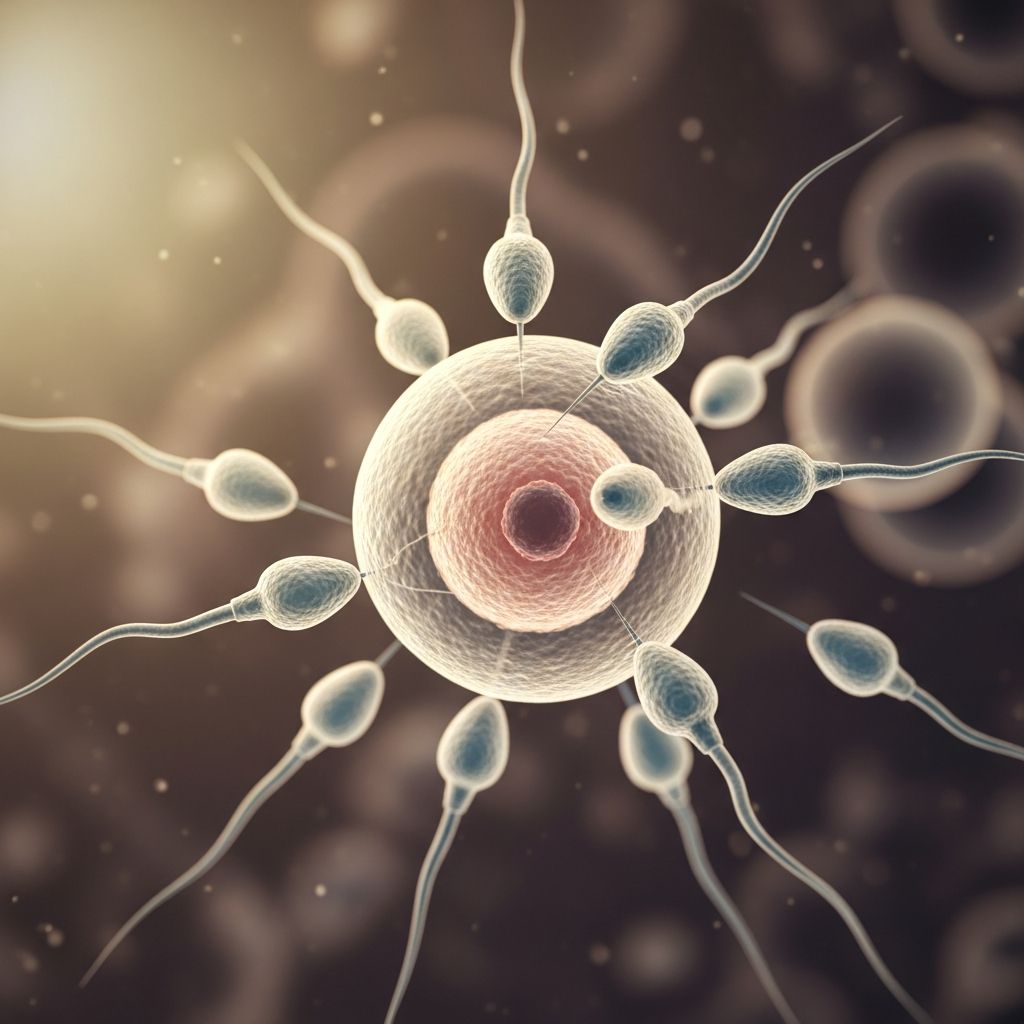
Semen plays a multifaceted role in reproduction beyond mere fertilization, influencing maternal immune responses, embryo implantation, and long-term pregnancy health. Recent studies reveal that components in sperm and seminal plasma signal to female reproductive tissues, promoting tolerance for the embryo and optimizing placental function.
Understanding Semen’s Composition and Initial Interactions
Semen consists of sperm cells suspended in seminal plasma, a nutrient-rich fluid produced by the prostate, seminal vesicles, and other glands. Upon ejaculation, this mixture contacts the female reproductive tract, triggering a cascade of biological responses. Seminal plasma contains proteins, cytokines, chemokines, and microRNAs that interact with cervical, uterine, and ovarian tissues.
These interactions initiate a controlled inflammatory-like response in the female, which paradoxically supports conception. Unlike typical inflammation that rejects foreign invaders, this process fosters an environment conducive to embryo acceptance. For instance, seminal fluid induces immune cells to release factors that enhance progesterone production post-ovulation, vital for maintaining early pregnancy.
- Seminal plasma proteins: Modulate gene expression in the uterus, suppressing rejection pathways.
- Cytokines and chemokines: Promote sperm survival and selection of the healthiest gametes.
- MicroRNAs and growth factors: Influence endometrial receptivity for implantation.
Research using mouse models demonstrates that females exposed to intact semen exhibit altered uterine gene expression, particularly in immune pathways, compared to those mated with vasectomized males lacking sperm. This highlights sperm’s direct signaling role alongside seminal plasma.
Sperm Signaling: Beyond Genetic Delivery
Traditionally viewed as passive carriers of DNA, sperm actively communicate with female cells. They deliver signals that ‘persuade’ the maternal immune system to tolerate the semi-foreign embryo, which carries paternal antigens. A University of Adelaide study found that sperm induce stronger immune tolerance than seminal plasma alone, overturning prior assumptions.
In cell culture experiments, sperm-female cell interactions confirmed direct modulation of immune responses. This has implications for pregnancy viability: poor sperm quality may impair this tolerance, elevating risks for miscarriage, preeclampsia, preterm birth, and stillbirth.
| Sperm Factor | Impact on Pregnancy | Supporting Evidence |
|---|---|---|
| Epigenetic markers | Shapes placental formation and function | Jazwiec et al., Biology of Reproduction (2022) |
| RNA and proteins | Influences early embryo gene expression | PubMed review on paternal contributions (2023) |
| Centriole | Drives first embryonic divisions | Semen’s role in embryogenesis |
| DNA integrity | Reduces miscarriage risk | Lund University study (2022) |
Sperm epigenetic aging, a biological clock distinct from chronological age, predicts time to pregnancy. Men with advanced sperm epigenetic age face 17% lower 12-month pregnancy probability, linked to lifestyle factors like smoking.
Seminal Plasma’s Immune-Modulating Power
Seminal plasma exposure prior to conception correlates with fewer gestational disorders. Women conceiving via IVF with limited paternal semen contact show higher preeclampsia rates, as do those using donor gametes. Regular intercourse with the prospective father ‘primes’ the reproductive tract.
In mice, seminal fluid boosts ovarian function, embryo trophic factors, and apoptosis suppression, aiding development. Human parallels suggest preconception semen exposure improves IVF success by enhancing endometrial receptivity and reducing implantation failure.
Paternal Contributions to Placental Health
The placenta, crucial for nutrient and oxygen exchange, develops under paternal influence via sperm-borne epigenetic instructions. These chemical tags on DNA dictate gene activation without altering the sequence, affecting trophoblast cells that form the placenta.
Men with high sperm DNA fragmentation double their partner’s preeclampsia risk in IVF, underscoring sperm quality’s role. Fragmented DNA disrupts normal placental gene expression, leading to shallow implantation and vascular issues characteristic of preeclampsia.
- Preeclampsia risk: Elevated with poor sperm parameters.
- Preterm birth: Linked to suboptimal seminal signaling.
- Miscarriage: Higher in couples with aged or damaged sperm.
Lifestyle Factors Affecting Semen Quality
Sperm health reflects paternal lifestyle, impacting pregnancy outcomes. Age, obesity, smoking, alcohol, diet, and environmental toxins alter epigenetic profiles and DNA integrity.
A Wayne State University study linked sperm epigenetic aging to prolonged time-to-pregnancy and shorter gestations, reversible via interventions. Optimizing semen quality preconception—through balanced nutrition, exercise, and toxin avoidance—enhances family planning success.
Clinical Implications for Fertility Treatments
ART like IVF often bypasses natural semen exposure, potentially contributing to higher complication rates. Incorporating paternal semen in protocols, such as intrauterine insemination before embryo transfer, may mimic natural priming.
Emerging biomarkers, including sperm epigenetic clocks, offer predictive tools for natural and assisted conceptions. They outperform traditional semen analysis, capturing biological aging influenced by environment.
Understanding paternal factors urges male preconception care, paralleling maternal folic acid recommendations. This holistic approach could reduce infertility, recurrent loss, and adverse outcomes.
Frequently Asked Questions
Does frequent intercourse improve pregnancy chances?
Yes, regular exposure to partner’s semen enhances immune tolerance and receptivity, boosting natural and IVF success rates.
Can poor sperm quality cause pregnancy complications?
Absolutely; high DNA fragmentation doubles preeclampsia risk, while epigenetic issues prolong conception time.
Should men improve lifestyle before trying to conceive?
Strongly recommended—quit smoking, maintain healthy weight, and eat antioxidant-rich foods to optimize sperm for better outcomes.
Is semen exposure safe during early pregnancy?
It supports ongoing immune adaptation; consult a doctor, but no natural conception contraindications exist.
How does sperm affect the baby long-term?
Epigenetic marks influence placental function and potentially fetal development, with older sperm linked to neurological risks.
Practical Tips for Optimizing Paternal Contributions
To leverage semen’s benefits:
- Engage in unprotected intercourse 2-3 times weekly preconception.
- Males: Adopt Mediterranean diet, exercise 150 min/week, avoid heat (saunas).
- Both partners: Limit alcohol (<14 units/week), quit tobacco.
- Test sperm analysis if delays exceed 6-12 months.
- Consider epigenetic assessments for recurrent issues.
These strategies, grounded in research, empower couples toward healthier pregnancies.
References
- Sperm help ‘persuade’ the female to accept pregnancy — University of Adelaide. 2021-05-17. https://www.adelaide.edu.au/newsroom/news/list/2021/05/17/sperm-help-persuade-the-female-to-accept-pregnancy
- Sperm Health and Pregnancy Outcomes: Why It Matters More Than You Think — Kirsten Mooring. 2022. https://kirstenmooring.com/sperm-health-and-pregnancy-outcomes-why-it-matters-more-than-you-think
- New measure of sperm age may be predictor of pregnancy success — Wayne State University. 2022-05-13. https://today.wayne.edu/medicine/news/2022/05/13/new-measure-of-sperm-age-may-be-predictor-of-pregnancy-success-47890
- Contribution of semen to early embryo development: fertilization and beyond — PubMed. 2023-03-07. https://pubmed.ncbi.nlm.nih.gov/36882116/
- The Female Response to Seminal Fluid — Physiological Reviews (American Physiological Society). 2019. https://journals.physiology.org/doi/abs/10.1152/physrev.00013.2018