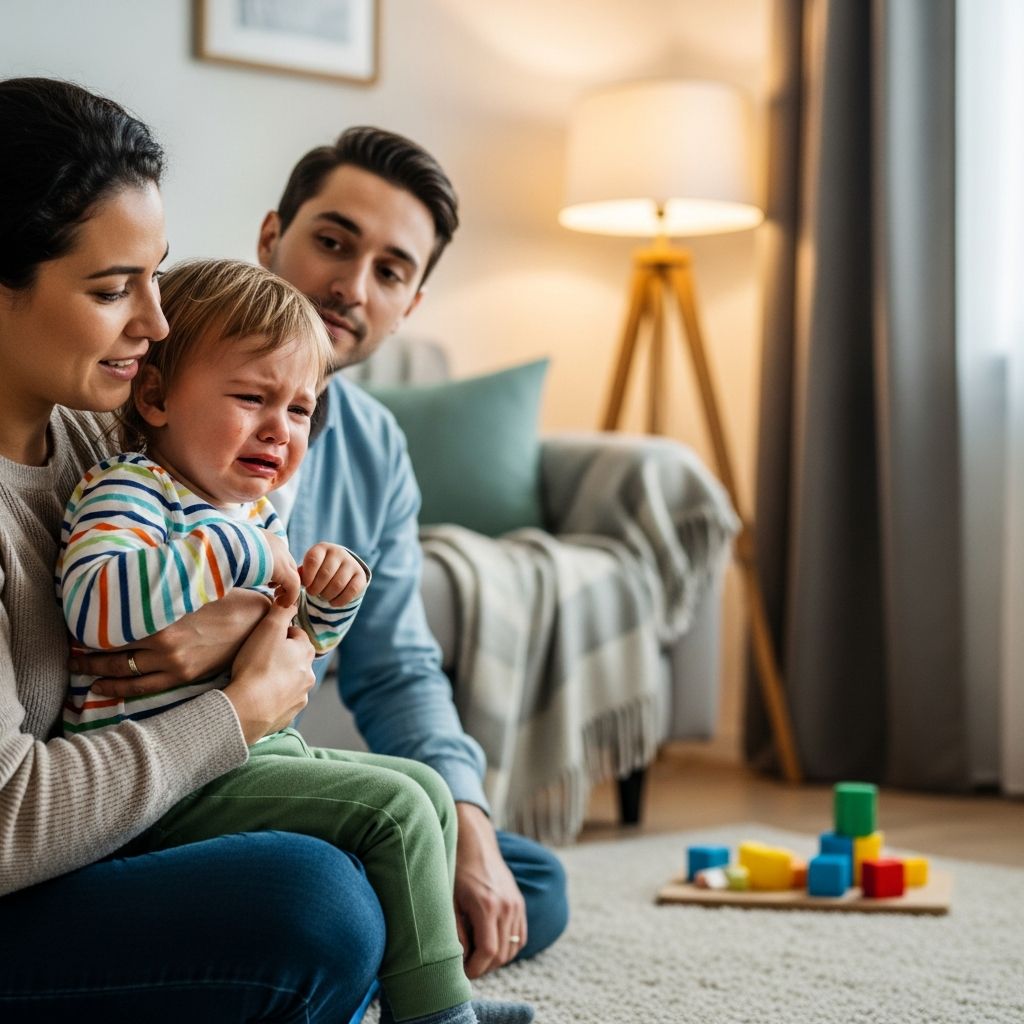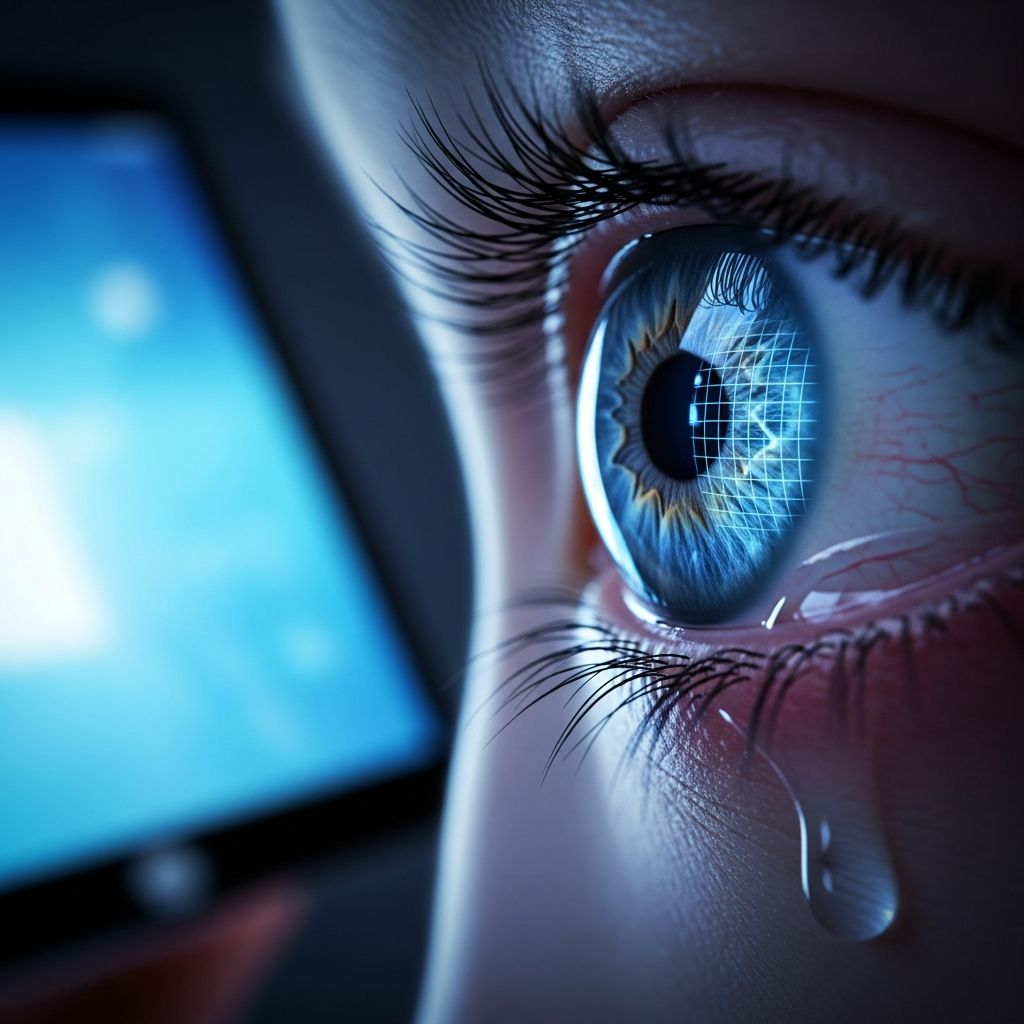
Today’s children spend hours glued to tablets, smartphones, TVs, and computers, often exceeding seven hours daily on entertainment alone. This digital immersion raises concerns for their developing eyes, potentially leading to strain, nearsightedness, and other issues. Balancing screen use with healthy habits is key to preserving clear vision.
The Surge in Children’s Screen Exposure
Children aged 8-18 average 7.5 hours of screen time daily for fun, excluding schoolwork, equating to over 100 days yearly. Infants as young as six months engage with devices, and by teens, usage nears seven hours. This shift from outdoor play to close-up digital focus alters eye development patterns evolved for varied distances.
Key Vision Problems Linked to Screens
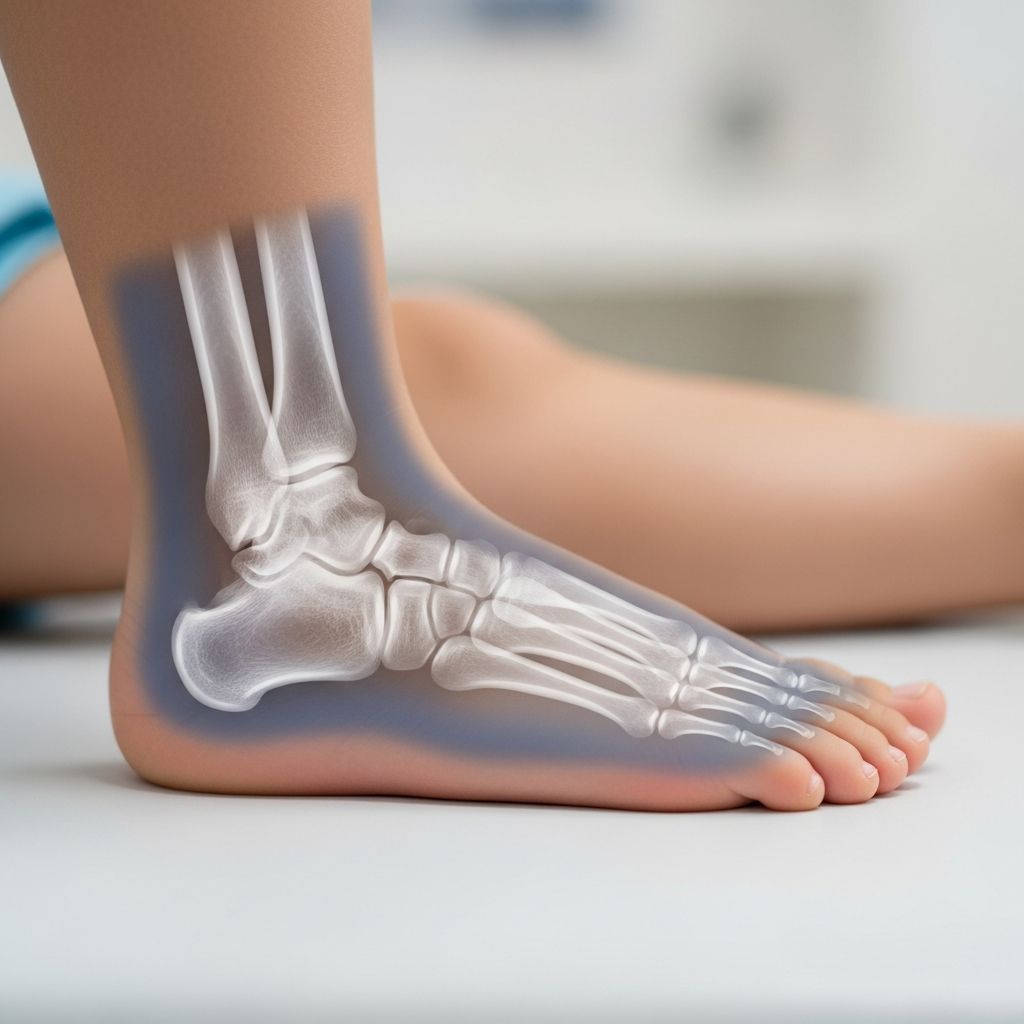
Prolonged screen staring triggers multiple eye health challenges in kids. Reduced blinking dries out eyes, while constant near-focus strains eye muscles and may elongate the eyeball, fostering myopia.
- Digital Eye Strain: Symptoms include headaches, fatigue, and temporary blur when shifting focus, from the eye’s focusing system spasming after fixed-distance gazing.
- Dry Eyes: Blinking drops 60% during screen use, disrupting tear films and causing irritation, redness, and discomfort, worsened by screens positioned higher than books.
- Myopia Progression: Nearsightedness risk rises with excessive near work; screens before age 3 correlate with preschool myopia, impacting distant clarity and future complications.
Why Screens Differ from Books or Outdoor Views
Screens demand unwavering near-focus, unlike reading’s occasional shifts or outdoor scenes’ distance variety. Their brightness, rectangular shapes, and attention-holding designs overload young visual systems, potentially reshaping brain-eye coordination. Blue light further disrupts melatonin, hindering sleep essential for eye recovery.
| Activity | Eye Focus | Risk Level |
|---|---|---|
| Outdoor Play | Low – Protective against myopia | |
| Reading Book | Moderate near, with breaks | Medium if prolonged |
| Screen Time | Constant close-up | High – Strain and myopia risk |
Sleep Disruption from Blue Light
Devices emit blue-violet light mimicking daylight, suppressing sleep hormones at bedtime. This leads to shorter sleep, affecting eye healing and overall health. Evening screen habits exacerbate issues, with studies linking them to delayed bedtimes in kids.
Age-Specific Screen Guidelines
Health organizations like the American Academy of Pediatrics provide tailored limits to minimize harm while allowing educational benefits.
- Under 18 months: Avoid screens except video chats.
- 18-24 months: No solo use; prioritize interaction.
- 2-5 years: Max 1 hour/day, co-viewed with parents.
- 6+ years: Set limits avoiding sleep/exercise interference; aim under 2 hours leisure time.
Follow the 20-20-20 rule: Every 20 minutes, look 20 feet away for 20 seconds. Encourage 60 minutes daily physical activity.
Boosting Eye Health with Outdoor Time
Natural light and distant viewing outdoors counteract screen effects, slashing myopia odds. Just 1-2 hours daily outside promotes healthier eye growth, benefiting body and mind too. Combine with reduced indoor close work for optimal results.
Practical Tips for Parents
Shield kids’ eyes through daily routines:
- Position screens at arm’s length, slightly below eye level.
- Use blue-light filters or night modes post-sunset.
- Schedule screen-free zones like meals and bedrooms.
- Promote blinking games and regular breaks.
- Schedule annual eye exams from age 3, or sooner if issues arise.
Long-Term Consequences of Unchecked Habits
Unchecked screen overuse heightens myopia, raising later risks like retinal detachment or glaucoma. Acute issues like esotropia (eye crossing) have emerged in heavy users, sometimes needing surgery. Early intervention via balanced habits prevents these.
Recognizing Warning Signs
Watch for squinting, eye rubbing, headaches, or blur complaints. Close one eye during tasks or hold devices too near signals problems. Prompt optometrist visits catch issues early.
Frequently Asked Questions
Is all screen time bad for my child’s eyes?
No, moderated educational use is fine. Excess, especially recreational, poses risks; balance with outdoor time.
How much outdoor time prevents myopia?
1-2 hours daily in natural light significantly lowers risk during key growth days.
Can blue light glasses help kids?
They may reduce strain, but aren’t proven myopia preventers; prioritize time limits first.
At what age should eye exams start?
By age 3, or earlier if family history or symptoms appear.
Does device type matter?
All screens pose similar near-focus risks; usage duration trumps type.
Building Healthy Digital Habits
Create family media plans: Set schedules, model good behavior, choose quality content. Apps track time, but real connections matter more. Empower kids to self-regulate for lifelong eye wellness.
By weaving these strategies, parents foster resilient vision amid digital life. Healthy eyes enable learning, play, and exploration without limits.
References
- The effect of screen time on children’s eyes — ACUVUE. 2023. https://www.acuvue.com/en-us/blog/screen-time-childrens-eyes/
- The childhood visual environment — My Kids Vision. 2024. https://www.mykidsvision.org/knowledge-centre/the-childhood-visual-environment
- The Effects of Too Much Screen Time on Children’s Vision — CHOC Children’s. 2023-05-15. https://health.choc.org/effects-of-screen-time-on-childrens-vision/
- What Too Much Screen Time Does to Your Child’s Eyes — American Academy of Pediatrics (healthychildren.org). 2023. https://www.healthychildren.org/English/health-issues/conditions/eyes/Pages/What-Too-Much-Screen-Time-Does-to-Your-Childs-Eyes.aspx
- How does screen use impact vision? — Children and Screens. 2024. https://www.childrenandscreens.org/learn-explore/research/how-does-screen-use-impact-vision/