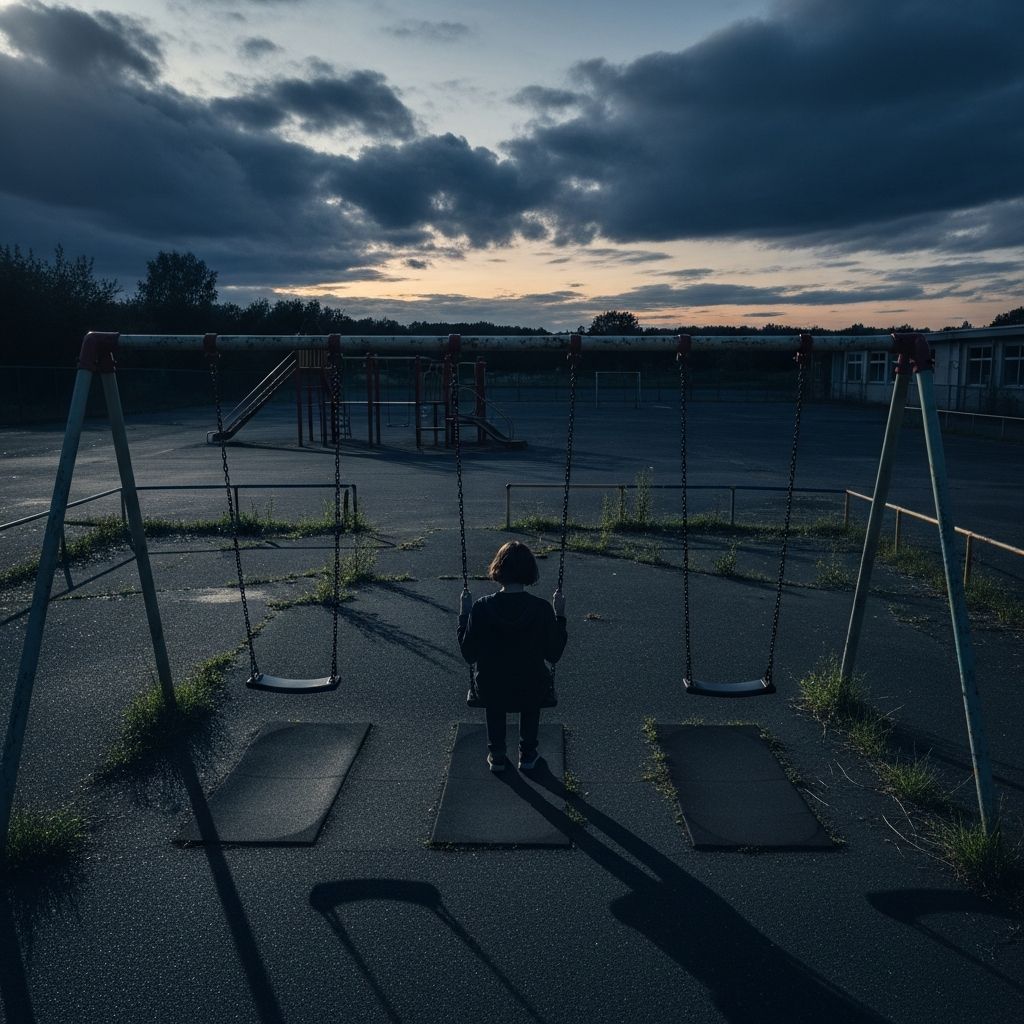
School disruptions, whether due to public health crises or institutional consolidations, extend far beyond temporary inconveniences. Research reveals declines in academic performance, behavioral challenges, reduced postsecondary attainment, and lower lifetime earnings, with disproportionate harm to disadvantaged students.
Academic Performance: Short-Term Dips and Uneven Recovery
Students facing school closures often see immediate drops in standardized test scores in subjects like math and reading. One comprehensive analysis of Texas schools closed between 1998 and 2015 found statistically significant declines in these areas post-closure. While primary school students typically recover within three years, secondary students experience more persistent deficits.
- Math and reading scores fall notably after disruptions, with slower rebound for older learners.
- Attendance rates decline by up to 1.8% in the years following closures, persisting longer for economically disadvantaged groups (7.3% increase).
- Recovery patterns vary: elementary pupils regain ground faster than middle and high schoolers.
These patterns underscore how disruptions interrupt skill-building at critical developmental stages, compounding over time for adolescents navigating complex curricula.
Behavioral Repercussions: A Persistent Challenge
Beyond academics, closures correlate with heightened disciplinary issues. Data shows a 15% rise in days spent in suspensions or expulsions in the three years post-closure, escalating further over time. Economically vulnerable students face the steepest increases, at 38%.
| Group | Absence Increase | Disciplinary Days Increase |
|---|---|---|
| All Students | 1.8% | 15% |
| Economically Disadvantaged | 7.3% | 38% |
| Secondary Students | Higher persistence | 0.9 days (4 years post) |
Such behavioral shifts signal broader emotional distress, potentially rooted in disrupted routines, social isolation, and instability from school transitions.
Pathways to Postsecondary Education: Diminished Opportunities
The ripple effects reach higher education. Affected students are 4.8% less likely to attend college, 4.7% less likely to complete it by age 26, and face reduced enrollment in top-tier institutions. High school graduation rates drop by 1-1.8 percentage points (2.7%).
- College enrollment falls 1.2-1.4 percentage points.
- Quality of institutions attended declines, limiting network and credential value.
- Hispanic students and those from low-performing schools suffer amplified setbacks.
These barriers perpetuate cycles of limited mobility, as early disruptions erode foundational preparation for advanced studies.
Economic Consequences: Earnings and Lifetime Losses
By ages 25-27, closure-impacted individuals earn 3.4-3.6% less annually ($793 lower), with lifetime present discounted value losses estimated at $31,000 per student. Aggregate U.S. costs could reach $7.8 billion yearly for 250,000 displaced students.
International models project -1% long-term wage losses from COVID-era closures, driven by reduced human capital and higher dropout rates (high school dropouts up 4.1%, college down 2.6%). Fiscal implications loom large: future tax revenues may fall 1.8% due to progressive systems.
Mental Health Toll: Vulnerability Amplified
School closures exacerbate mental health risks, with elevated anxiety, depression, PTSD, insomnia, and social impairments. Girls and adolescents face heightened dangers like exploitation, early pregnancies, and household burdens hindering remote learning.
Disrupted access to school-based services, routines, and peers intensifies these issues, fostering long-term emotional scars.
Disparities: Who Bears the Brunt?
Vulnerable populations endure outsized harm:
- Hispanic and low-income students: Sharpest test score, attendance, and behavior declines.
- Secondary learners: Persistent academic gaps and postsecondary shortfalls.
- Low-performing schools: Amplified long-term attainment losses.
- Duration matters: One-year closures double welfare losses versus six months.
These inequities widen societal divides, slowing human capital growth in knowledge economies.
Policy Implications: Mitigating Future Disruptions
Evidence demands proactive strategies:
- Prioritize in-person learning continuity where feasible.
- Target supports for at-risk groups: tutoring, mental health resources, transition aid.
- Invest in remote learning equity to bridge gaps.
- Plan consolidations with data-driven student protections.
Short-term fiscal strains from closures foreshadow long-run crises; governments must balance health with educational imperatives.
Frequently Asked Questions
Do school closures affect all students equally?
No, secondary, Hispanic, low-income, and low-performing school students face the most severe, persistent impacts on academics and outcomes.
How long do academic effects last?
Primary students recover test scores in 3 years; secondary effects linger, influencing postsecondary paths.
What are the economic costs?
Individuals lose ~3.4% annual earnings ($793/year ages 25-27); lifetime per-student loss ~$31,000, national scale billions.
Can behavioral issues from closures be reversed?
Increases in suspensions (15-38%) persist years later, especially for disadvantaged youth, signaling need for interventions.
Why do closures harm mental health?
Loss of structure, services, and socialization heightens anxiety, depression, and risks like exploitation for girls.
References
- The Long Shadow of School Closures: Impacts on Students — EdWorkingPapers. 2024. https://edworkingpapers.com/ai24-963
- The long-term effects of school closures — CEPR VoxEU. 2020. https://cepr.org/voxeu/columns/long-term-effects-school-closures
- New Study Reveals Harmful Effects of School Closures — F3 Law. 2024. https://www.f3law.com/insights/new-study-reveals-harmful-effects-of-school-closures-102jbjw/
- The Harm of School Closures Can Last a Lifetime, New Research Shows — Education Week. 2024-06. https://www.edweek.org/leadership/the-harm-of-school-closures-can-last-a-lifetime-new-research-shows/2024/06
- Short- and long-term impacts of school closure on student outcomes — Fordham Institute. N/D. https://fordhaminstitute.org/national/commentary/short-and-long-term-impacts-school-closure-student-outcomes
- School Closure and Student Outcomes — Jeonghyeok Kim (PDF). N/D. https://jeonghyeok-kim.github.io/assets/School_Closure_and_Student_Outcomes.pdf
- The impact of school closure on children’s well-being during COVID-19 — PMC/NCBI. 2021. https://pmc.ncbi.nlm.nih.gov/articles/PMC8641925/