Understanding Physical Movement as a Foundation for Child Development
Physical activity represents far more than simple exercise—it constitutes a fundamental pillar of childhood development that influences multiple dimensions of health and well-being. When children engage regularly in movement, they experience improvements across physical, cognitive, and emotional domains. The cumulative effect of consistent activity during formative years establishes patterns that often persist into adulthood, making early encouragement of movement one of the most valuable investments parents can make in their children’s futures.
The significance of movement extends beyond visible fitness benefits. Children who maintain consistent activity levels demonstrate enhanced concentration in academic settings, improved emotional regulation, and greater confidence in social interactions. These interconnected benefits underscore why fostering an active lifestyle should be a central concern for parents committed to their children’s comprehensive development.
Age-Appropriate Activity Requirements Across Childhood
Physical activity needs vary substantially depending on a child’s developmental stage. Understanding these age-specific recommendations allows parents to tailor their approach to what their child can realistically accomplish while maintaining motivation and enjoyment.
Young Children (Ages 3-5 Years)
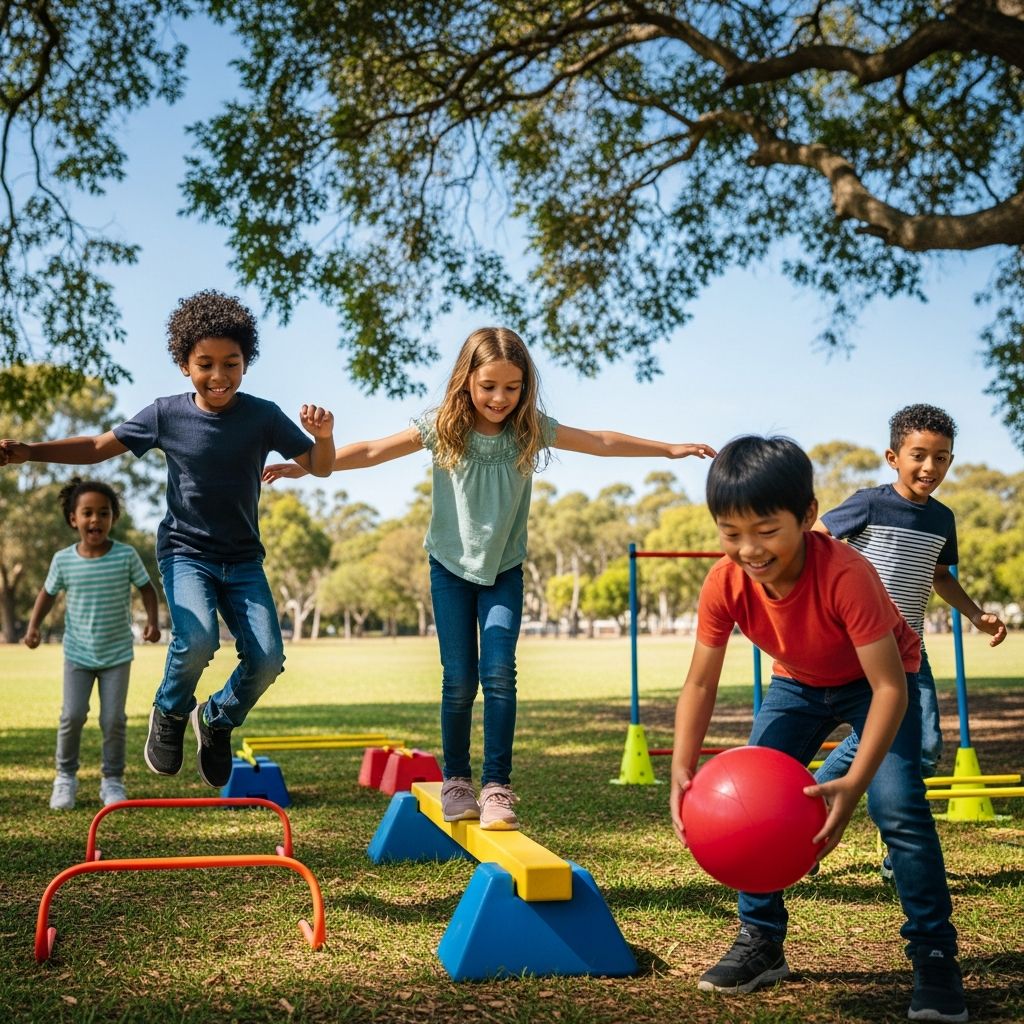
Preschool-aged children require approximately three hours of physical activity distributed throughout their waking day, translating roughly to fifteen minutes of movement for every hour they remain awake. At this stage, activity should emphasize unstructured play, exploration, and the development of basic movement competencies. Parents should recognize that activities like climbing playground equipment, dancing to music, running through open spaces, and playing with balls satisfy these requirements naturally when integrated into daily routines.
Elementary-Aged Children (Ages 6-12 Years)
Children from age six onward should accumulate a minimum of sixty minutes daily through moderate to vigorous intensity activity. This requirement can be met through multiple shorter sessions rather than one prolonged period, making it achievable for busy families. The activity should incorporate both aerobic components and strength-building exercises to maximize developmental benefits.
Teenagers and Adolescents (Ages 13-18 Years)
The sixty-minute daily requirement continues through the teenage years, with the addition of structured strength and bone-strengthening activities incorporated at least three times weekly. During adolescence, organized sports, fitness classes, and recreational activities become increasingly viable and often preferred by teens who can participate in decision-making about their chosen activities.
Comprehensive Physical and Mental Health Benefits of Active Participation
The research supporting regular physical activity in children documents benefits that extend across virtually every aspect of development and health status. Understanding these advantages helps parents recognize that encouraging movement investment time in their child’s overall thriving.
Physiological Advantages
Regular activity strengthens the cardiovascular system, improving heart and lung function while establishing healthy blood pressure patterns. Children who remain physically active develop stronger bones and muscles, establishing greater bone density that provides protection against osteoporosis later in life. Active children also maintain healthier body weight, reducing their risk of obesity and the chronic conditions associated with excess weight, including type 2 diabetes and certain cancers.
Cognitive and Academic Performance
Movement significantly enhances brain function and academic achievement. Physical activity improves attention span, memory retention, and executive functioning—the mental processes essential for planning, organization, and problem-solving. Children who engage in regular physical activity demonstrate measurably better performance in mathematics, reading, and writing, alongside improved school attendance rates. Structured physical activity programs even in early childhood settings produce measurable gains in executive functioning capabilities.
Emotional and Social Well-being
Physical activity serves as a powerful buffer against mental health challenges, reducing symptoms of anxiety and depression while enhancing overall psychological well-being. Children gain confidence and self-esteem through movement competency and achievement. Group activities and team sports provide natural opportunities for friendship formation and social skill development, teaching cooperation, communication, and resilience through shared experience.
Reducing Sedentary Time and Breaking Inactivity Patterns
Modern childhood presents unprecedented challenges regarding sedentary behavior. Screen-based activities, transportation by vehicle, and structured indoor commitments can quickly accumulate into extended periods of physical inactivity that undermine health. Parents should deliberately interrupt lengthy inactive periods by integrating brief activity breaks throughout the day.
Health organizations recommend avoiding extended periods of inactivity lasting two hours or longer, particularly during daytime hours. Simple strategies include standing and stretching during television viewing, incorporating movement into household responsibilities, encouraging children to walk or cycle for short distances, and creating opportunities for outdoor play. These interventions need not be time-intensive—even brief movement sessions provide measurable benefits when accumulated across the day.
Practical Strategies for Fostering Active Engagement
Creating Environmental Opportunities
Parents establish the foundation for active lifestyles by providing accessible resources and environments that invite movement. Equipping homes and accessible spaces with age-appropriate equipment—bicycles, jump ropes, balls, skateboards, roller skates, and scooters—removes barriers to spontaneous activity. Regular visits to parks, playgrounds, recreation centers, and natural spaces expose children to varied movement opportunities and create positive associations with physical activity venues.
Modeling Active Behavior
Children internalize parental attitudes toward movement and fitness. Parents who visibly enjoy physical activity, participate in their own exercise routines, and prioritize movement in family planning communicate powerful messages about valuing health. Engaging directly in activities alongside children—playing catch, walking together, dancing, or participating in recreational pursuits—strengthens bonds while demonstrating that movement is a normal, enjoyable component of family life.
Expanding Skill Development
Children with limited movement skills often avoid physical activities, creating cycles of inactivity and reduced confidence. Parents can teach fundamental skills including throwing, catching, jumping, skipping, and balance activities. Enrolling children in age-appropriate classes—gymnastics, dance, martial arts, swimming, or team sports—provides professional instruction and social motivation while building competency in varied movement types.
Encouraging Exploration and Choice
Children remain more engaged with activities they have selected or that align with personal interests. Rather than imposing specific sports or activities, parents should expose children to diverse options and follow their emerging preferences. Responding enthusiastically when children express interest in movement—joining them when they ask to play, providing transportation to tryouts or classes, attending performances or competitions—communicates that their activity interests matter.
Integrating Movement into Daily Family Life
Active Transportation
Transforming routine travel into activity opportunities significantly increases daily movement accumulation. Walking or cycling to school, the store, or transit stops accumulates substantial activity minutes while reducing vehicle dependence. Even partial active transportation—walking part of the way or biking part of the journey—contributes meaningfully to daily totals while creating environmental and financial benefits.
Household Activity Integration
Involving children in gardening, yard work, car washing, and house cleaning accomplishes household objectives while providing physical activity benefits. These activities develop competency in practical skills while naturally incorporating movement variation that structured exercise alone cannot replicate. Framing participation as shared family responsibility rather than chores encourages engagement and contributions.
Recreational Family Outings
Deliberately planning family outings around active pursuits—hiking, picnicking with walking components, visiting playgrounds, water activities, or recreational sports—embeds movement into leisure time. These experiences create positive memories while normalizing active recreation as a preferred family activity category.
Addressing Seasonal and Environmental Challenges
Cold weather, heat, limited daylight, and other seasonal factors present obstacles to outdoor activity. Parents can maintain consistent activity through creative adaptations including indoor play spaces, mall walking, gymnasium memberships, home-based activities, and structured programs continuing through seasonal transitions. Many gymnastics, dance, and sports programs accommodate year-round participation, providing continuity when weather restricts outdoor options.
Supporting Children with Disabilities and Special Circumstances
Children living with disabilities have specific activity guidance acknowledging their individual capacities and needs. These children should aim for a minimum of twenty minutes daily of physical activity, which can be divided into shorter sessions throughout the day. Strength and balance activities suited to individual abilities should be incorporated three times weekly. Working with healthcare providers and specialists to identify appropriate, safe activities tailored to individual abilities ensures meaningful participation.
Motivational Approaches and Overcoming Resistance
Children accustomed to sedentary patterns may initially resist activity increases. Parents Should increase activity gradually, avoiding sudden intensity jumps that create discomfort or discouragement. Praise, encouragement, and recognition of effort—rather than exclusive focus on competitive outcomes—maintain motivation and build confidence. Creating challenges aligned with individual abilities, celebrating milestone achievements, and framing activity as enjoyable rather than obligatory support sustained engagement.
Technology and Screen Time Considerations
Modern technology presents significant competition for children’s time and attention. While screens have legitimate uses, excessive consumption directly displaces potential activity time. Parents benefit from establishing reasonable screen time boundaries, using technology as a reward following activity engagement, and exploring active technology alternatives like interactive gaming or fitness apps that incorporate movement components.
Frequently Asked Questions
Q: How can I get my child interested in physical activity if they prefer indoor sedentary activities?
A: Start by identifying what aspects of their preferred activities appeal to them—if they enjoy technology, explore active gaming; if they like creativity, try dance or movement-based arts. Gradually introduce physical activities framed around their interests, allow them to choose from activity options, and ensure initial experiences feel enjoyable rather than obligatory. Participating alongside them and providing genuine encouragement build positive associations with movement.
Q: Is it necessary for children to participate in organized sports to meet activity requirements?
A: No. While organized sports provide excellent structure and social opportunities, the required sixty minutes of activity can be met through varied approaches including recreational play, cycling, walking, dancing, household activities, and unstructured outdoor play. The key is consistent accumulation of moderate to vigorous activity rather than the specific format through which it occurs.
Q: What should I do if my child becomes injured or experiences health limitations affecting activity?
A: Consult with your child’s healthcare provider to understand what activities remain safe and appropriate given their specific circumstances. Many activities can be modified or adapted to accommodate limitations. Physical therapists and specialists can suggest alternatives that maintain activity benefits while respecting medical restrictions during recovery or ongoing management.
Q: How can I balance encouraging activity with preventing overtraining or burnout?
A: Ensure variety in activity types, allow rest days, maintain age-appropriate intensity levels, and watch for signs of excessive fatigue or declining enjoyment. Listen to your child’s preferences regarding activity choices and intensity. Emphasizing enjoyment and skill development rather than competitive success helps prevent the pressure-induced burnout that sometimes emerges in highly structured programs.
References
- Physical activity guidelines for children and young people — National Health Service (NHS). 2024. https://www.nhs.uk/live-well/exercise/physical-activity-guidelines-children-and-young-people/
- Physical Activity for Children 5-12 — SHAPE America. 2024. https://www.shapeamerica.org/MemberPortal/standards/guidelines/pa-children-5-12.aspx
- Children – keeping them active — Better Health Channel, Victoria State Government. 2024. https://www.betterhealth.vic.gov.au/health/healthyliving/children-keeping-them-active
- How Can I Help My Child Be More Physically Active? — American Heart Association. 2025. https://www.heart.org/en/healthy-living/fitness/fitness-basics/aha-recs-for-physical-activity-in-children
- Health Benefits of Physical Activity for Children — Centers for Disease Control and Prevention (CDC). 2024. https://www.cdc.gov/physical-activity-basics/health-benefits/children.html
- Physical Activity in Children’s Health and Cognition — National Institutes of Health (NIH/PMC). 2018. https://pmc.ncbi.nlm.nih.gov/articles/PMC6036844/
- Making Physical Activity a Way of Life: AAP Policy Explained — American Academy of Pediatrics (AAP). 2025. https://www.healthychildren.org/English/healthy-living/fitness/Pages/Making-Fitness-a-Way-of-Life.aspx