How Animal Companions Shape Responsible and Emotionally Intelligent Children
The journey toward raising confident, compassionate, and responsible children involves many influences—from parental guidance to educational experiences. Yet one of the most powerful and often underestimated catalysts for personal growth comes in the form of a four-legged (or scaled, or feathered) companion. Pet ownership during childhood creates a unique environment where children naturally develop core character traits that serve them throughout their lives. Unlike structured lessons or formal instruction, caring for an animal provides organic, daily opportunities for children to learn accountability, practice empathy, and build emotional resilience. The process unfolds gradually through routine interactions, challenges, and the unconditional relationship that develops between child and animal.
The Foundation: Understanding the Pet-Child Bond
Before exploring specific developmental benefits, it’s important to recognize what makes the relationship between children and pets so uniquely powerful. Pets offer something that human relationships, despite their immense value, sometimes cannot: complete acceptance without judgment. Animals respond to a child’s actions in real-time and authentic ways, without the complex social layers that characterize human interactions. A child does not need to worry about impressing a pet, competing for attention, or managing social hierarchies. This creates a safe psychological space where children can experiment with caregiving behaviors, express emotions freely, and develop confidence in their abilities to nurture another being.
Research demonstrates that this bond extends beyond emotional comfort. The presence of a companion animal during formative years influences how children perceive themselves and their capacity to make a positive difference in the world. Children begin to see themselves not merely as dependents requiring care, but as caregivers capable of meeting another’s needs—a fundamental shift in self-perception that ripples through all aspects of their development.
Cultivating Responsibility Through Daily Care Routines
Perhaps the most direct pathway from pet ownership to responsibility emerges through the concrete demands of animal care. Pets require consistent, daily attention—feeding, watering, grooming, exercise, and cleaning—with no exceptions for a child’s mood, schedule, or preferences. Unlike academic assignments that can be delayed or rescheduled, a hungry dog or thirsty cat creates immediate, non-negotiable needs that children learn to prioritize.
Age-Appropriate Caregiving Responsibilities
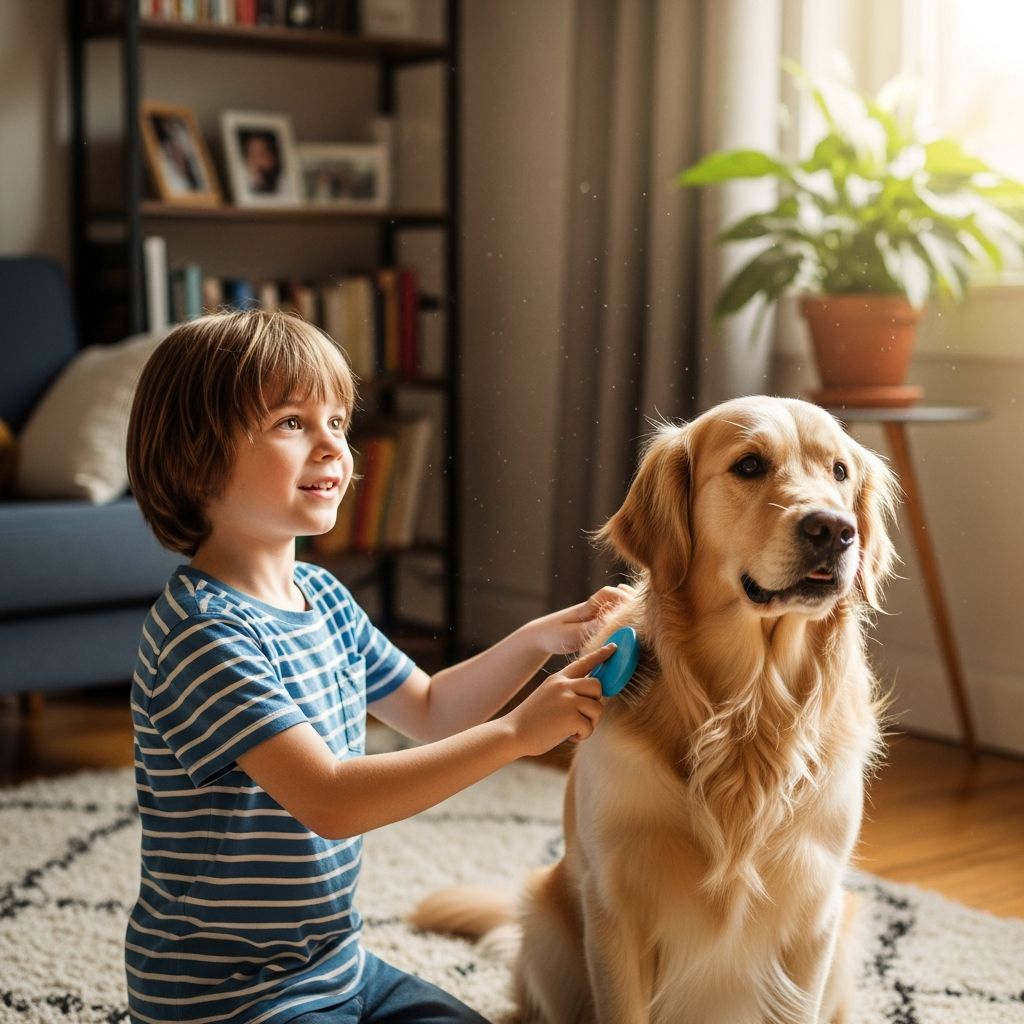
The specific tasks children undertake should align with their developmental stage. Young children aged 4 to 7 can manage simple, supervised responsibilities such as filling water bowls, helping with brushing, or assisting with basic feeding under adult guidance. As children mature into ages 8 to 12, they can assume greater autonomy over feeding schedules, walking dogs, cleaning living spaces, and monitoring general well-being. By adolescence, teens can manage comprehensive pet care with minimal supervision, handling health appointments, grooming, training, and problem-solving when issues arise.
This graduated approach ensures that responsibility develops naturally alongside cognitive and physical capability. A child who successfully manages progressively complex tasks experiences tangible proof of their growing competence. They learn that reliability produces positive outcomes—a pet that is fed regularly thrives; one that receives inconsistent care suffers. This cause-and-effect relationship cements the understanding that individual actions have consequences, a cornerstone of personal responsibility.
Developing Empathy and Emotional Intelligence
Beyond routine tasks, caring for an animal requires children to develop the capacity to recognize and respond to another being’s needs—the foundation of empathy. A pet cannot verbally communicate discomfort, hunger, or fear; instead, children must learn to interpret body language, behavioral changes, and subtle signals. This interpretive skill translates directly to improved emotional intelligence in human relationships.
Reading Non-Verbal Communication
Learning to understand an animal’s non-verbal cues trains children’s emotional perception in profound ways. A dog’s lowered ears, tucked tail, and avoidant gaze communicate anxiety or fear just as clearly as words, yet children must actively learn this language. A cat’s purring, slow blinks, and relaxed posture convey contentment. Children who develop fluency in animal communication often show enhanced ability to read human emotions and social cues as well. They become more attuned to peers who are withdrawn, anxious, or struggling, and more likely to respond with compassion rather than judgment.
This heightened emotional awareness contributes to improved social skills. Children who understand that different individuals (animal or human) have different preferences, comfort levels, and communication styles become more adaptable and considerate social partners. They recognize that approaching a fearful dog requires a different strategy than greeting an enthusiastic one—and apply similar flexibility when interacting with siblings, classmates, and teachers.
Building Self-Esteem and Sense of Purpose
Psychological research consistently shows that children derive profound meaning from the experience of being needed. Caring for a dependent creature fulfills a fundamental human need for purpose and importance. A child who feeds, walks, and comforts their pet understands on a visceral level that they make a meaningful difference in another’s life. This realization—that they are capable of providing genuine value—becomes a cornerstone of healthy self-esteem.
Unlike praise or external validation, which can feel superficial or conditional, the evidence of a pet’s reliance is tangible and real. A neglected pet suffers; a well-cared-for pet thrives. This direct correlation between effort and outcome gives children concrete proof of their competence and importance. Over time, this internalized sense of capability extends beyond the pet relationship into academic endeavors, family dynamics, and social interactions.
Emotional Regulation and Stress Management
The benefits of pet ownership extend into emotional well-being and mental health. Research supported by the National Institute of Health documents that regular interaction with pets—particularly rhythmic activities like petting or stroking—reduces stress hormones and lowers blood pressure. For children navigating the inevitable stressors of school, social dynamics, and personal development, a pet provides immediate access to a calming mechanism.
Pets as Emotional Anchors
Children often turn to their pets during moments of distress, anger, or sadness. Unlike human relationships, where a child might fear burdening others with negative emotions, pets offer unconditional acceptance. A pet does not judge, criticize, or tire of emotional expression. This creates a psychologically safe space for children to process difficult emotions without fear of rejection.
Additionally, pets can sense emotional shifts in their human companions. Many dogs and cats demonstrate increased attentiveness when children are anxious or upset, offering physical comfort through proximity or physical contact. This responsiveness helps children regulate their emotions more effectively, as they learn that their feelings are recognized and that comfort is available.
Strengthening Family Bonds and Social Connection
Pets function as connectors within family systems and in broader social contexts. Shared responsibility for a family pet creates a common purpose that can unite family members around collaborative caregiving. Family members coordinate schedules to ensure the animal is never neglected, celebrate milestones (a pet’s birthday, successful training of a new behavior), and provide mutual support during difficult times such as pet illness or loss.
Social Bridge Building
Outside the family, pets serve as natural conversation starters. Children walking dogs, or speaking about their pets, attract positive social interactions from peers and adults alike. These interactions provide low-pressure opportunities to practice social skills, build friendships, and develop confidence in social situations. Research shows that children who read to animals demonstrate improved social skills, greater willingness to share and cooperate, and fewer behavioral problems overall.
Special Considerations for Neurodivergent Children
For children with autism spectrum disorder, ADHD, anxiety disorders, or other neurodevelopmental differences, pets can serve as particularly powerful therapeutic companions. A child with autism who struggles with verbal communication may find non-verbal connection with an animal deeply meaningful and less anxiety-provoking than human social interaction. Children with ADHD benefit from the structured routines and physical activity that pet care demands.
Studies show that children with autism spectrum disorder experience reduced anxiety levels and improved social engagement when interacting with animals in structured settings. The animals’ lack of judgment, combined with their consistent responsiveness to care, creates an ideal environment for building confidence in social connection.
Selecting the Right Pet for Your Family
Not all families are equally suited to all types of animals. The decision to bring a pet into a home requires thoughtful consideration of family lifestyle, available resources, and children’s ages and temperament.
| Pet Type | Best Age Group | Care Demands | Developmental Benefits |
|---|---|---|---|
| Dogs | 5 years and older | High (daily walks, exercise, training) | Responsibility, physical activity, social skills, emotional support |
| Cats | 4 years and older | Moderate (feeding, litter, play) | Gentle caregiving, routine management, emotional comfort |
| Small rodents (hamsters, guinea pigs) | 5 years and older | Moderate (daily feeding, cage cleaning) | Basic responsibility, observation skills, routine management |
| Fish | 5 years and older | Low to moderate (feeding, tank maintenance) | Observation, basic routine responsibility, calming effects |
| Reptiles | 8 years and older | Moderate to high (specialized care, feeding) | Scientific curiosity, specialized knowledge development, routine responsibility |
Younger children (under age 4) require constant supervision with any animal and should not be held responsible for independent pet care. These children benefit emotionally from the presence of a family pet, but caregiving responsibility must remain with adults.
Preparing Your Child for Pet Ownership
Before acquiring a pet, parents should prepare children by establishing realistic expectations and discussing responsibilities. The pre-pet conversation might include topics such as:
- The daily tasks involved in animal care and frequency of each responsibility
- The long-term commitment required (pets live for years or decades)
- How to interact gently and respectfully with animals
- Emergency protocols if the pet becomes ill or injured
- The costs associated with pet ownership (food, veterinary care, supplies)
This preparation creates a shared understanding between parent and child about what pet ownership entails, reducing mismatches between expectations and reality.
Navigating Challenges and Teaching Problem-Solving
Pet ownership inevitably involves challenges—behavioral issues, health concerns, conflicting schedules. These challenges become opportunities for children to develop problem-solving skills and resilience. A dog that refuses to obey commands presents a puzzle to solve; a pet with health issues requires research and decision-making; a busy week forces prioritization and time management.
Parents who guide children through these challenges without immediately solving problems help develop independent thinking. Questions like “What do you think the dog needs?” or “How might we adjust our schedule to ensure the pet is properly cared for?” encourage children to think critically and take ownership of solutions.
The Lasting Impact of Childhood Pet Experience
The benefits of pet ownership during childhood extend far beyond the years when the pet is present. Adults who grew up with pets report higher levels of empathy, greater comfort with vulnerability, and more robust social skills compared to those without childhood pet experience. The character traits developed through animal care—responsibility, empathy, patience, problem-solving—become integrated into personality and carry forward into professional relationships, parenting, and civic engagement.
Frequently Asked Questions
At what age can children safely care for a pet?
Children ages 5 and older can begin managing age-appropriate pet responsibilities under supervision. Children under 4 should always be monitored with animals, while children under 10 should not be solely responsible for complex pet care without adult oversight.
How does pet ownership specifically help children with anxiety?
Pets reduce anxiety through multiple mechanisms: rhythmic petting lowers blood pressure and stress hormones, animals provide non-judgmental emotional support, and predictable routines create a sense of control and stability in a child’s environment.
Can pet ownership improve academic performance?
Yes. Research shows that children who care for pets develop internal motivation and demonstrate better grades at school. The responsibility and time management skills transfer to academic domains, and reduced stress supports better learning.
What if a child shows no interest in caring for a pet?
While pet ownership offers many benefits, it should not be forced. A child who is indifferent or resistant may not benefit fully from the experience. Instead, explore why the child is hesitant—fear, allergies, or simply lack of interest—and respect their perspective. The benefits of pet ownership require genuine engagement.
Do the developmental benefits vary based on pet type?
While all pets offer emotional and developmental benefits, different animals provide varying challenges and learning opportunities. Dogs typically offer the most extensive social benefits through public outings and behavioral training; cats require gentle, respectful caregiving; small animals teach foundational responsibility; and fish provide calming effects with minimal physical interaction demands.
References
- Child Health & Development | Research | HABRI — Human Animal Bond Research Institute. 2024. https://habri.org/research/child-health/
- The benefits of owning a pet for children — People’s Dispensary for Sick Animals (PDSA). 2024. https://www.pdsa.org.uk/what-we-do/blog/kids-and-pets-the-benefits-of-owning-a-pet-for-children
- Benefits of Pets for Child Development — The Goddard School. 2020. https://www.goddardschool.com/blog/are-pets-good-for-children
- Companion Animals and Child/Adolescent Development — National Institute of Health, PMC. 2017. https://pmc.ncbi.nlm.nih.gov/articles/PMC5369070/
- How Pets Can Support Healthy Child Development — Orchid Pediatrics. 2024. https://orchidpediatrics.com/how-pets-can-support-healthy-child-development/
- Benefits of Pets for Kids — Children’s Hospital Colorado. 2024. https://www.childrenscolorado.org/just-ask-childrens/articles/benefits-of-pets/
- The Power of Pets — National Institute of Health News in Health. 2018. https://newsinhealth.nih.gov/2018/02/power-pets
- The benefits of a family pet — Michigan State University Extension. 2024. https://www.canr.msu.edu/news/the_benefits_of_a_family_pet