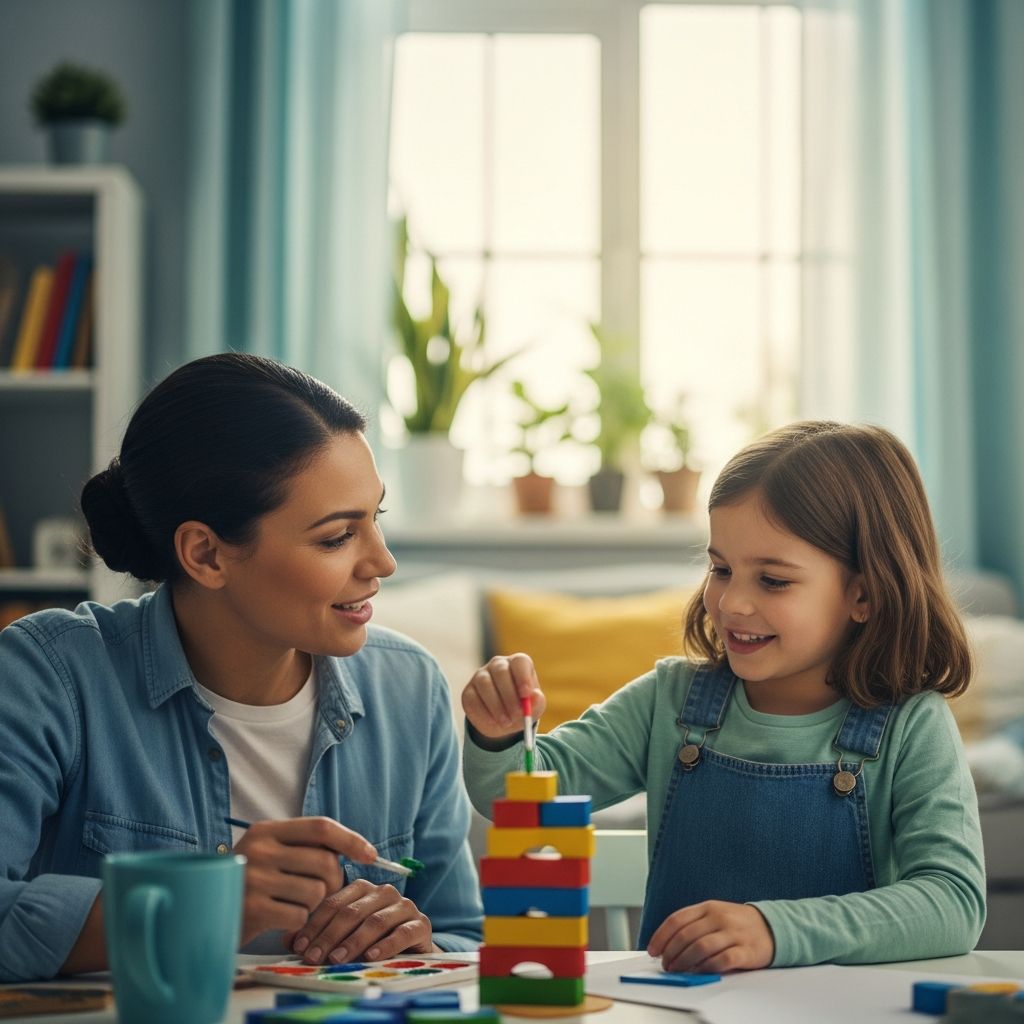
In today’s fast-paced family life, many parents grapple with an innate drive to keep everyone happy, often at the expense of their own needs and, unintentionally, their children’s emotional growth. This tendency, known as people-pleasing, stems from well-intentioned efforts to maintain harmony but can lead to patterns where kids learn to prioritize others’ approval over their authentic selves. Understanding this dynamic is crucial for fostering children who are resilient, assertive, and capable of healthy relationships.
Understanding People-Pleasing in the Parenting Context
People-pleasing manifests when parents habitually place the emotional comfort of spouses, extended family, or even strangers above their own boundaries or their child’s developing independence. This behavior often originates from the parent’s own upbringing, where love felt tied to compliance or achievement. In parenting, it translates to over-accommodating requests, avoiding conflict, or modeling self-sacrifice as the norm.
Psychologically, this creates a family environment where children’s needs are secondary if they disrupt the peace. Over time, kids internalize that their value lies in being ‘easy’ or agreeable, setting the stage for lifelong struggles with assertiveness.
Roots of People-Pleasing: From Childhood to Parenthood
The cycle frequently begins in the parent’s childhood. Children of emotionally unavailable, critical, or narcissistic caregivers learn that survival emotionally depends on pleasing the authority figure. They adopt beliefs like ‘I exist only if others are happy’ or ‘I’m responsible for everyone’s mood,’ which persist into adulthood.
These ingrained patterns become amplified in parenting. A mother who once soothed a volatile parent might now suppress her exhaustion to host perfect playdates, signaling to her kids that personal limits are negotiable. Fathers might agree to endless extracurriculars to avoid spousal tension, teaching sons that dissent invites rejection.
- Emotional unavailability: Parents who were overwhelmed themselves raise kids who become hyper-vigilant to adult moods.
- Conditional affection: Praise tied to obedience rather than effort reinforces approval-seeking.
- Modeling sacrifice: Constantly yielding to others shows children that self-neglect equals love.
Research highlights how these early adaptations form survival strategies that the nervous system clings to, even when no longer needed. Breaking free requires conscious rewiring.
How People-Pleasing Parents Shape Their Children’s Behavior
Children are astute observers, absorbing not just words but parental actions. When parents praise compliance over curiosity—’You’re such a good boy for sitting quietly!’—kids link worth to passivity rather than exploration. This stifles emotional expression, as frustration or disagreement risks disapproval.
Moreover, suppressing a child’s needs for adult comfort, like urging them to eat disliked food to spare Grandma’s feelings, teaches hierarchy: others first, always. Over years, this breeds adults who struggle with ‘no,’ resentful yet unable to prioritize themselves.
| Parental Behavior | Child’s Learned Response | Adult Outcome |
|---|---|---|
| Praising only ‘good’ behavior | Suppressing dissent | Fear of conflict |
| Modeling constant yes-saying | Prioritizing others | Burnout, resentment |
| Conditional warmth post-achievement | Performance for love | Low self-worth |
| Dismissing kid emotions | Emotional invisibility | Codependency |
Such patterns contribute to codependency, where individuals feel overly responsible for others’ happiness, a direct echo of childhood parent-pleasing.
Recognizing People-Pleasing Tendencies in Yourself as a Parent
Self-awareness is the first step. Do you feel anxious saying no to extra commitments? End up depleted from over-helping? Believe your family’s view of you hinges on constant agreeability? These are red flags.
- Over-apologizing: Saying sorry for normal boundaries, like bedtime routines.
- Resentment buildup: Agreeing outwardly but fuming inside.
- Kid-directed over-accommodation: Letting children dictate to avoid tantrums, fearing ‘bad parent’ labels.
- Guilt over self-care: Skipping rest because ‘family needs me more.’
- Controlling perceptions: Shaping actions to curate how others see you, like perfect holidays.
If these resonate, you’re not alone—many empathetic parents fall into this trap from a desire to nurture harmony.
Practical Strategies to Stop People-Pleasing and Empower Your Kids
Transformation starts small. Begin by validating your child’s full emotional spectrum: ‘I see you’re upset about sharing; your feelings matter.’ This counters suppression.
Model boundaries openly: ‘I’m tired, so I’ll rest now—carry on without me.’ Kids learn self-prioritization is healthy, not selfish. Praise intrinsic qualities: ‘I love how curious you are!’ over mere obedience.
Teach assertive language through role-play:
- ‘No thank you, that doesn’t work for me.’
- ‘I need a break right now.’
- ‘I feel [emotion] when [situation].’
Encourage age-appropriate decisions, like outfit choices, to build agency. When facing family pressures, prioritize consistency: explain calmly why a ‘no’ stands firm.
Self-care rituals, like scheduled alone time, demonstrate balance. Track progress in a journal: note instances of honoring your needs and kids’ positive responses.
Long-Term Benefits for Family Dynamics and Child Development
Families shift from tension-filled compliance to open communication. Children develop secure attachments, knowing their authentic selves are valued. They enter adulthood with tools for boundaries, reducing risks of anxiety or unhealthy relationships.
Parents reclaim energy, modeling resilience. Studies affirm that emotionally regulated parents raise similarly skilled kids, breaking generational cycles.
Frequently Asked Questions
Can people-pleasing be unlearned in adulthood?
Yes, through therapy like IFS or EMDR, mindfulness, and consistent boundary practice, many rewire these patterns effectively.
Is people-pleasing the same as being kind?
No—kindness respects mutual needs; people-pleasing sacrifices self for approval, often breeding resentment.
What if my partner is also a people-pleaser?
Discuss openly, align on family rules, and seek couples counseling to unify approaches.
How young can I start teaching boundaries to kids?
From toddlerhood: simple ‘yes/no’ games build early assertiveness without rigidity.
Does this mean I should let kids run wild?
Not at all—firm, empathetic limits teach respect alongside self-advocacy.
References
- 9 Behaviors Parents Display That Accidentally Make Their Kids People-Pleasers, According to Psychology — Artful Parent. 2023-05-15. https://artfulparent.com/a-9-behaviors-parents-display-that-accidentally-make-their-kids-people-pleasers-according-to-psychology/
- People-Pleasing Starts as Parent-Pleasing — Jay Reid Psychotherapy. 2022-08-10. https://jreidtherapy.com/people-pleasing-starts-as-parent-pleasing/
- Breaking Free from People-Pleasing: How Childhood Parent-Pleasing Shapes Codependency and Steps to Heal — IFS EMDR Therapy. 2024-03-22. https://ifsemdrtherapy.com/blog/breaking-free-from-people-pleasing-how-childhood-parent-pleasing-shapes-codependency-and-steps-to-heal
- 11 Signs You’re A People Pleaser — Mom On Purpose. 2023-11-07. https://momonpurpose.com/signs-youre-a-people-pleaser/
- Being a ‘People Pleaser’ Can Affect Your Parenting, Too — Motherly. 2024-01-19. https://www.mother.ly/life/people-pleaser-parent/