Everyone pees, but many kids are surprised to learn how much work the body does to make that happen. Your urinary system is like a quiet cleaning crew that never takes a day off, helping your body get rid of extra water and waste so you can stay healthy and active.
This guide explains what pee is, how it is made, how it leaves your body, and how to take good care of your bladder and kidneys. It is written in simple language for kids, but parents and caregivers can read along too.
What Exactly Is Pee?
Pee, also called urine, is a yellowish liquid your body creates to remove things it does not need. Every time you pee, your body is sending out extra water and tiny waste chemicals that would build up and make you feel sick if they stayed inside you.
Pee is mostly water, but it also contains dissolved substances that come from food, drinks, and the natural processes that keep your body running. Because of these substances, pee can have a particular color and smell that doctors sometimes use as a clue about your health.
What Is Pee Made Of?
- Water: This is the main ingredient and helps carry waste out of the body.
- Urea and other wastes: These are leftover chemicals from when your body uses protein and energy.
- Salts and minerals: Small amounts of sodium, potassium, and other minerals leave through pee to help keep the body in balance.
The exact mix of these parts can change during the day depending on what you eat, drink, and how active you are.
Why Does Pee Change Color?
You may have noticed that pee does not always look the same. Its color can give you simple hints about your hydration, which means how much water your body has. A pale, light-yellow color usually means you are well hydrated, while dark yellow or orange-like pee can be a sign that you need more water.
- Clear or very light yellow pee often appears when you have been drinking plenty of water.
- Dark yellow or strong-smelling pee can mean your body is trying to save water and is concentrating the waste into less liquid.
- Some foods, like beets or certain vitamins, can change the color of your pee for a short time.
If pee suddenly looks red, brown, or very cloudy and this does not go away, it is important to tell a parent or trusted adult so they can talk to a doctor.
Meet the Urinary System Team
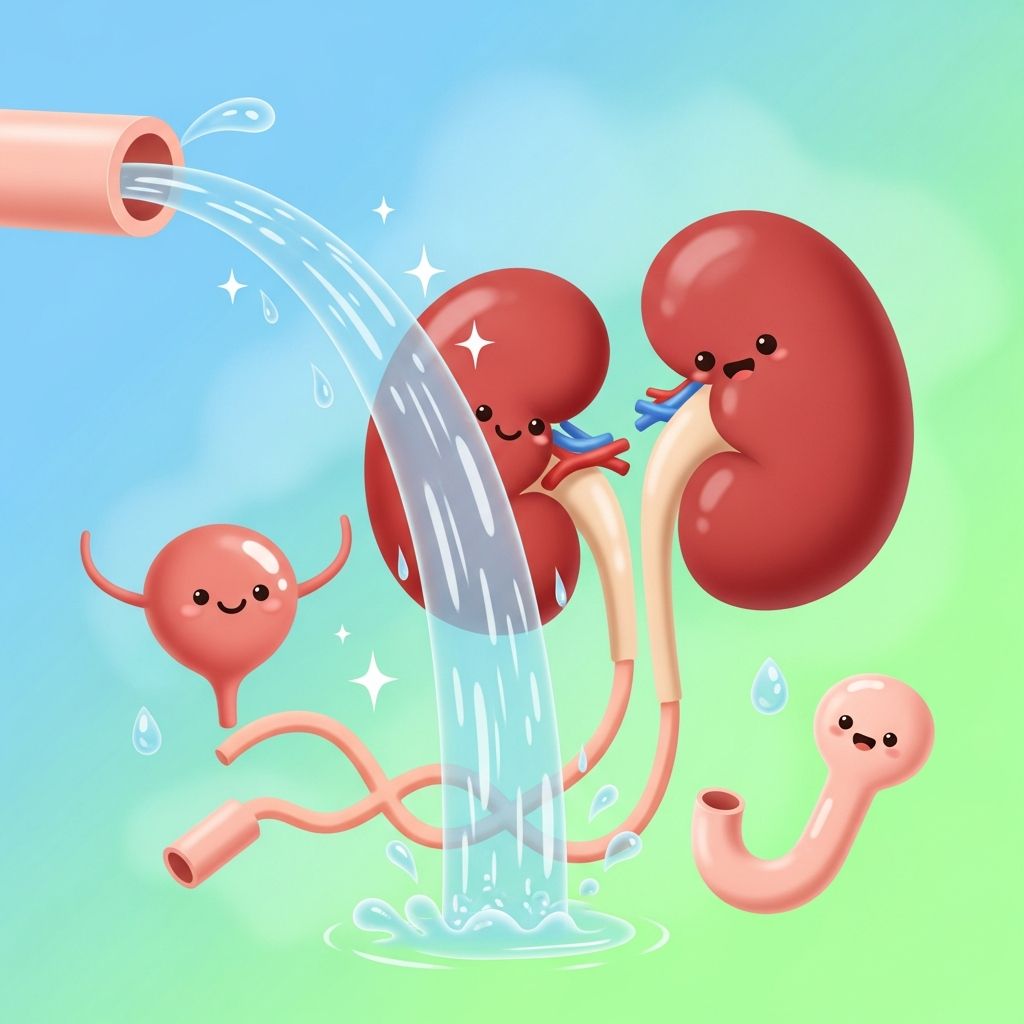
Your urinary system is a group of organs that work together to make, store, and release pee. Each part has a special job, and they stay connected by tubes that let urine flow smoothly along its path out of the body.
| Part | Where It Is | Main Job |
|---|---|---|
| Kidneys | In your lower back, one on each side of the spine | Filter blood, remove waste and extra water, and make urine |
| Ureters | Thin tubes between the kidneys and bladder | Carry pee from each kidney down to the bladder |
| Bladder | In the lower belly, behind the bones at the front of your hips | Stores pee until it is time to go to the bathroom |
| Urethra | Tube that leaves the bladder and opens to the outside | Lets pee flow out of your body when you urinate |
All of these parts work together constantly, even while you sleep, so that waste does not stay in your body for too long.
How Your Kidneys Clean Your Blood
The kidneys are the starting point for every drop of pee you make. They are shaped a bit like beans and are packed with millions of tiny filters that clean your blood again and again throughout the day.
As blood flows through the kidneys, these small filters let water and waste chemicals move out while holding on to useful things like most proteins and blood cells. The useful parts are returned to your bloodstream, and the extra water and waste are turned into urine.
- Your kidneys help control how much water is in your body, which affects your blood pressure and how you feel.
- They help keep the balance of salts and minerals just right for your muscles and nerves to work properly.
- They also release special hormones that help control blood pressure and help your body make red blood cells.
Even though they are not very big, your kidneys do a huge amount of work, which is why it is important to keep them healthy.
From Kidneys to Bladder: The Pee Path
Once the kidneys have made urine, your body still needs a way to move it out. That is where the ureters and bladder come in. The ureters are like flexible straws that gently squeeze and push urine down into the bladder without you having to think about it.
The bladder is a stretchy, muscular bag that can grow larger as it fills with urine. It does not stay stiff like a bottle. Instead, its walls relax so more pee can fit without causing pain. As it fills, nerves in the bladder wall send signals to your brain to let you know that a bathroom break is coming soon.
What Happens When You “Have to Go”?
When your bladder reaches a certain level of fullness, your brain starts to pay more attention to it. You feel a stronger urge to pee, especially if you jump, run, or laugh. When you decide it is time to go, a set of muscles around the bladder and urethra work together to let urine out.
- Muscles at the bottom of the bladder and around the urethra relax to open the way out.
- At the same time, muscles in the bladder wall squeeze, pushing pee through the urethra.
- You can start and stop the flow with the help of muscles you control, which is one of the skills learned during toilet training.
For babies, this process is automatic, but as kids grow, the brain and bladder learn to work together so you can hold urine until you reach a bathroom.
Why Your Body Needs to Pee
Peeing is more than just a daily habit. It is one of the main ways your body keeps itself clean and in balance. When you urinate, you are not just getting rid of extra water; you are sending away waste that your body cannot use.
If you never peed, waste would build up in your blood, and the extra fluid would make you feel swollen, tired, and very sick. That is why people whose kidneys do not work properly need special treatments to clean their blood.
- Pee helps keep the right amount of water in your body.
- It removes wastes that come from normal body activities.
- It helps keep salt and mineral levels balanced so your organs can work correctly.
How Often Do Kids Need to Pee?
There is no single number of bathroom trips that is correct for every child. Many kids pee about four to eight times a day, but the exact number depends on how much they drink and what kinds of drinks they choose.
If you are very active, playing sports, or spending time outside on a hot day, your body may use some water for sweat, so you might pee a bit less. On days when you drink a lot of water or juices, you may find yourself running to the bathroom more often.
- Going many hours without peeing at all might be a sign that you are not drinking enough.
- Having to pee very often and feeling a burning sensation can be signs of an infection and should be mentioned to an adult.
Healthy Habits for Your Bladder and Kidneys
Even though you cannot see your urinary system, the choices you make every day can help keep it working well. Small habits can make a big difference in how comfortable you feel and how well your body handles waste.
Drink Smart
- Choose water most of the time, especially during school, sports, and playtime.
- Limit sugary drinks and sodas, which can be hard on your teeth and do not hydrate as well as water.
- Drink more water when you are sweating a lot, such as on hot days or during intense exercise.
Kids may not notice thirst right away, so it is helpful to sip water regularly instead of waiting until you feel very thirsty.
Bathroom Habits That Help
- Go to the bathroom when you feel the urge; try not to hold pee for very long just to keep playing or watching a show.
- Take your time on the toilet so your bladder can fully empty, instead of rushing out quickly.
- For girls, wiping from front to back after using the toilet helps keep germs away from the urethra.
- Wear clean, dry underwear every day, and change out of wet clothes as soon as possible after swimming or accidents.
Good bathroom habits can lower the chance of infections and make peeing more comfortable.
When Peeing Hurts or Feels Different
Most of the time, peeing should not hurt or cause strong discomfort. If something feels different, your body may be trying to warn you that something is wrong. Paying attention to your pee can help catch problems early.
Signs You Should Tell an Adult
- Burning, stinging, or pain when you pee.
- Needing to pee very often but only letting out small amounts.
- Pee that looks cloudy, very dark, or has blood in it.
- Strong-smelling urine that is very different from usual.
- Lower belly or back pain, especially along with fever or chills.
These changes can sometimes be caused by a urinary tract infection or other conditions that need a doctor’s care. The good news is that many of these problems can be treated, especially when they are found early.
Bedwetting and Accidents: You Are Not Alone
Many kids feel embarrassed if they sometimes wet the bed or have accidents during the day, but this is much more common than people talk about. The brain, bladder, and the muscles that control pee take time to grow and learn how to work together.
Some children stay dry at night earlier than others, and that is okay. For many kids, bedwetting slowly gets better as they grow, especially with patience and helpful habits.
- Avoid drinking large amounts of liquid right before bedtime, unless your doctor suggests differently.
- Use the bathroom before getting into bed, even if you are not sure you need to go.
- Talk openly with a parent or caregiver so they can support you and, if needed, ask a doctor for advice.
Bedwetting is not a child’s fault. It is usually related to how quickly the body is developing, not to laziness or bad behavior.
Fun and Surprising Pee Facts
The urinary system is not only important; it is full of interesting details that can make learning about it more fun. Here are a few kid-friendly facts that might surprise you.
- Your kidneys filter a large amount of blood many times a day, even though each kidney is only about the size of your fist.
- Pee used to be studied by doctors long ago as one of the main ways to learn about a person’s health, even before modern tests existed.
- Animals have urinary systems too, and some species save or use their urine in special ways, such as marking territory.
Knowing these facts can help you appreciate how busy your kidneys and bladder are, even when you are just sitting in class or playing a game.
Simple Checklist for a Happy Bladder
Use this quick checklist to remind yourself of good habits that support your urinary system. You do not need to be perfect every day, but trying most of the time can make a big difference.
- Drink water regularly throughout the day.
- Use the bathroom when you feel you need to pee.
- Wipe correctly and keep the area around your private parts clean and dry.
- Tell an adult if peeing hurts or your pee looks very different from usual.
- Wear comfortable, breathable underwear, such as cotton, to help keep the area dry.
Small steps like these help keep both your bladder and kidneys comfortable and strong.
FAQs: Kids’ Questions About Pee
Is it bad if I do not pee very often?
If you sometimes go longer between bathroom trips on a quiet day, that can be normal. But if you almost never need to pee or your urine is always very dark, it may mean you are not drinking enough, so talk to an adult and try to drink more water.
Why does my pee smell strong sometimes?
Strong-smelling pee can happen when you have not been drinking enough water, when you first wake up, or after eating certain foods. If the smell is very strong, lasts for many days, or comes with pain or burning, let a parent or caregiver know.
Is clear pee better than yellow pee?
Very pale or almost clear pee usually means you are well hydrated, especially if it happens after drinking a lot of fluids. Light yellow is also healthy, so there is no need to try to make your pee completely clear all the time.
Can I hold my pee during games or movies?
Sometimes everyone waits a little while to find a bathroom, and that is usually fine. But holding pee for a long time on purpose again and again can bother your bladder, so it is healthier to pause your game or show and use the toilet when you feel you need to go.
When should I see a doctor about my pee?
You should ask an adult to call a doctor if peeing hurts, you see blood in your pee, you have to go very often and only pass a little each time, or you have belly or back pain with a fever. Doctors can use questions, exams, and sometimes simple urine tests to find out what is going on and how to help.
Helping Kids Feel Comfortable Talking About Pee
Talking about pee can feel embarrassing, but it is just another part of health, like brushing teeth or washing hands. Adults and kids can make it easier by using simple words, keeping a calm tone, and treating bathroom issues as normal topics to discuss when needed.
When children feel safe asking questions, they are more likely to speak up early if something feels wrong. That helps families and doctors solve problems faster and keeps the urinary system working at its best.
Key Takeaways for Kids and Parents
The urinary system may be out of sight, but it is always protecting the body by removing waste and keeping water and minerals balanced. Learning how pee is made and why it matters can help kids understand their own bodies and feel more confident about bathroom routines.
With good hydration, smart bathroom habits, and open communication, most kids can enjoy healthy kidneys and a comfortable bladder for many years to come. Remember, asking questions about pee is a smart way to take care of your health, not something to feel ashamed of.