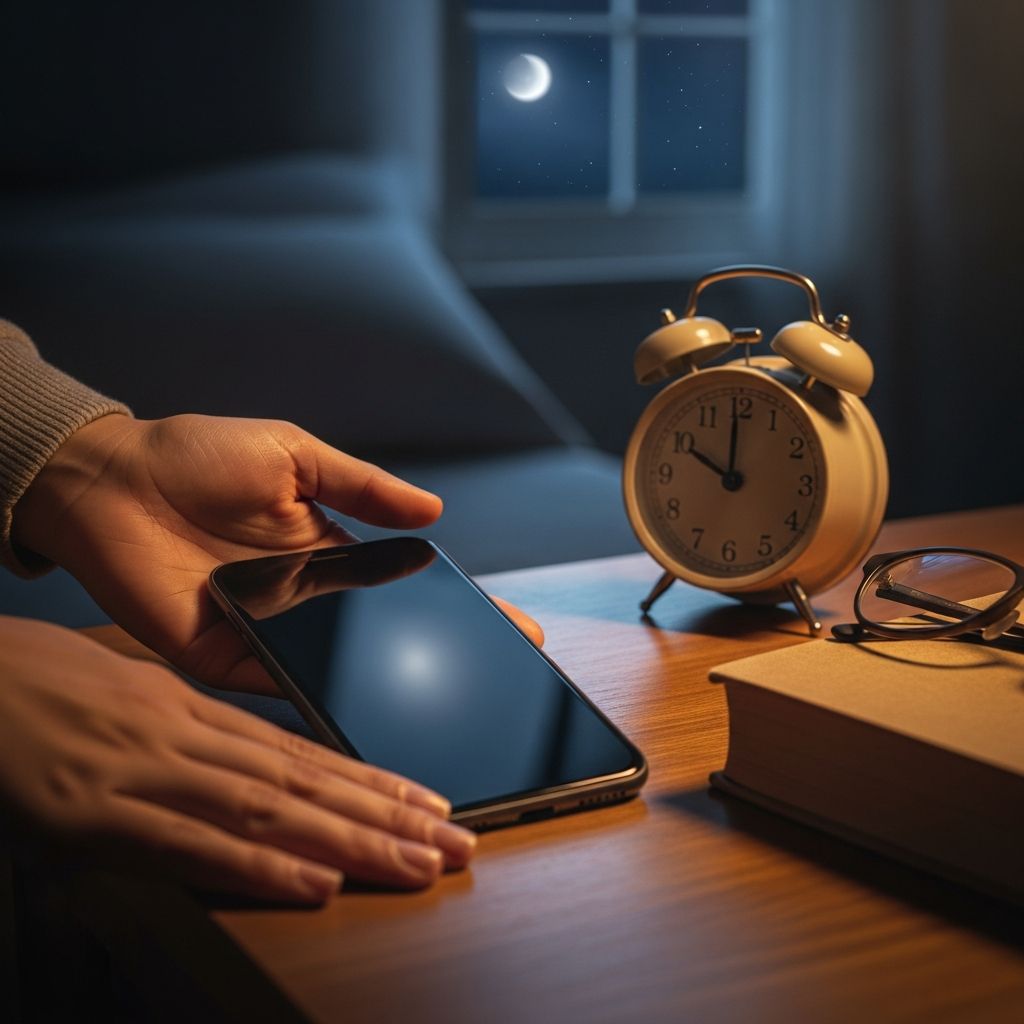
Many parents face the challenge of endless phone scrolling once their children are tucked in for the night. This habit, driven by social media’s addictive design, disrupts sleep and heightens stress levels, creating a cycle that’s hard to break. Establishing healthier evening routines can restore balance and improve overall well-being.
Understanding the Pull of Late-Night Screens
The compulsion to check notifications or browse feeds after bedtime stems from smartphone features engineered for engagement. Platforms use algorithms that deliver dopamine hits through likes, comments, and endless content, making it difficult to disengage. For parents, this often fills the quiet hours post-bedtime routine, but it comes at a cost: fragmented sleep and diminished energy for the next day.
Research highlights how excessive mobile use correlates with sleep disturbances and heightened anxiety. A study on mobile phone addiction in youth notes associations with staying up late, low mood, and tension, effects that extend to adults as well. Parents modeling poor screen habits may inadvertently influence their children’s future behaviors, underscoring the need for personal change.
Recognizing When Evening Scrolling Becomes Problematic
Signs of problematic phone use include lying awake longer than intended, feeling irritable without the device, or neglecting relaxation activities like reading. Physical cues such as eye strain or headaches signal overuse, while emotional ones like FOMO—fear of missing out—drive compulsive checks. If screens dominate your wind-down time, it’s impacting rest quality and daily functioning.
- Prolonged time in bed before falling asleep due to scrolling
- Irritability or restlessness when trying to unplug
- Neglecting pre-sleep rituals like journaling or stretching
- Persistent fatigue despite adequate sleep hours
Building a Phone-Free Bedtime Foundation
Creating intentional boundaries starts with designating evenings as device-limited zones. Begin by charging phones outside the bedroom to physically separate from temptation. This simple shift promotes better sleep hygiene, as blue light from screens suppresses melatonin production, delaying drowsiness.
Replace scrolling with calming alternatives: dim lighting, herbal tea, or light stretching. Consistency reinforces these habits, training the brain to associate bedtime with rest rather than stimulation.
Practical Strategies to Curb the Habit
Implement these actionable steps to reduce nighttime phone dependency:
- Set a Digital Curfew: Choose a cutoff time, like 9 PM, and use built-in phone features or apps to enforce it automatically.
- Create a Wind-Down Ritual: Engage in 20-30 minutes of non-screen activities, such as meditation or planning the next day.
- Track Usage Patterns: Review screen time reports weekly to identify triggers and progress.
- Partner Accountability: If co-parenting, agree on mutual no-phone rules for evenings.
These methods draw from recommendations by health organizations emphasizing structured limits for healthier tech relationships.
Enhancing Sleep Quality Through Tech Detachment
Quality rest is foundational for parenting demands. Disrupting scrolling allows the body to enter natural sleep cycles sooner. Studies link screen exposure to insomnia symptoms, with users reporting tension and behavioral issues. Parents who unplug report sharper focus and patience with children the following day.
| Habit | Impact on Sleep | Alternative |
|---|---|---|
| Late-night scrolling | Delays melatonin, fragments sleep | Reading a physical book |
| Notification checks | Increases alertness and anxiety | Journaling gratitude |
| Doomscrolling news | Heightens stress hormones | Listening to soothing podcasts offline |
Fostering Family-Wide Digital Balance
Parental changes ripple through the household. By modeling restraint, you encourage kids to develop healthy device attitudes. Designate family tech-free evenings, perhaps for board games or storytelling, strengthening bonds without screens.
Address underlying needs scrolling fulfills, like connection or escapism. Schedule calls with friends during daylight or pursue hobbies that provide fulfillment offline.
Leveraging Tools and Apps for Control
Technology can counter its own excesses. Parental control apps enforce limits, while grayscale mode reduces visual appeal. Mindfulness apps offer guided sessions to build resistance to urges. Explore options like:
- Screen time trackers with auto-lock
- Focus modes silencing non-essential alerts
- Bedtime reminders synced across devices
Overcoming Common Challenges in Detoxing
Resistance is normal; expect initial discomfort as the brain adjusts to less stimulation. Combat boredom by preparing engaging alternatives in advance. If anxiety surfaces, consider cognitive behavioral techniques to reframe thoughts, such as “This break will improve my rest”.
For persistent struggles, professional support like therapy can address root causes. Cognitive behavioral therapy proves effective for managing compulsive behaviors tied to screens. Resources like SAMHSA’s helpline offer confidential guidance for mental health concerns.
Long-Term Benefits of Evening Digital Detox
Consistent practice yields profound rewards: deeper sleep, elevated mood, and enriched relationships. Parents report more presence during family time and sustained energy. Over time, this cultivates resilience against digital overload, benefiting the entire family unit.
Research supports reduced screen time correlating with lower hyperactivity and emotional symptoms, principles applicable beyond youth. Embrace this shift for lasting vitality.
Frequently Asked Questions
What if I can’t fall asleep without my phone?
Gradually shorten screen time by 10 minutes nightly, replacing it with deep breathing or progressive muscle relaxation to ease into sleep naturally.
How do I handle work notifications after hours?
Set an out-of-office auto-reply and designate a specific evening check-in window, silencing alerts otherwise to protect personal time.
Will this affect my social connections?
No—shift interactions to daytime or voice calls. Quality over quantity strengthens real relationships without sacrificing rest.
What about using the phone as an alarm?
Opt for a standalone alarm clock to eliminate bedroom device presence entirely, enhancing detachment.
Can kids notice and mimic my changes?
Yes, positively. Demonstrating healthy habits inspires them, potentially improving family-wide screen dynamics.
References
- Teen Phone Addiction – Advice from Matone Mental Health Pros — Matone Counseling. 2023. https://matonecounseling.com/is-your-child-addicted-to-their-phone-how-to-end-smartphone-overuse-and-promote-independence-in-teens/
- Screen Addiction in Teens & Kids | It’s Time to Stop — Ascend Behavioral Health. 2023. https://ascendbh.com/stop-screen-addiction/
- Mobile Phone Addiction Among Children and Adolescents — PubMed (J Addict Nurs). 2019-10-01. https://pubmed.ncbi.nlm.nih.gov/31800517/
- National Helpline for Mental Health, Drug, Alcohol Issues — SAMHSA (.gov). Accessed 2026. https://www.samhsa.gov/find-help/helplines/national-helpline