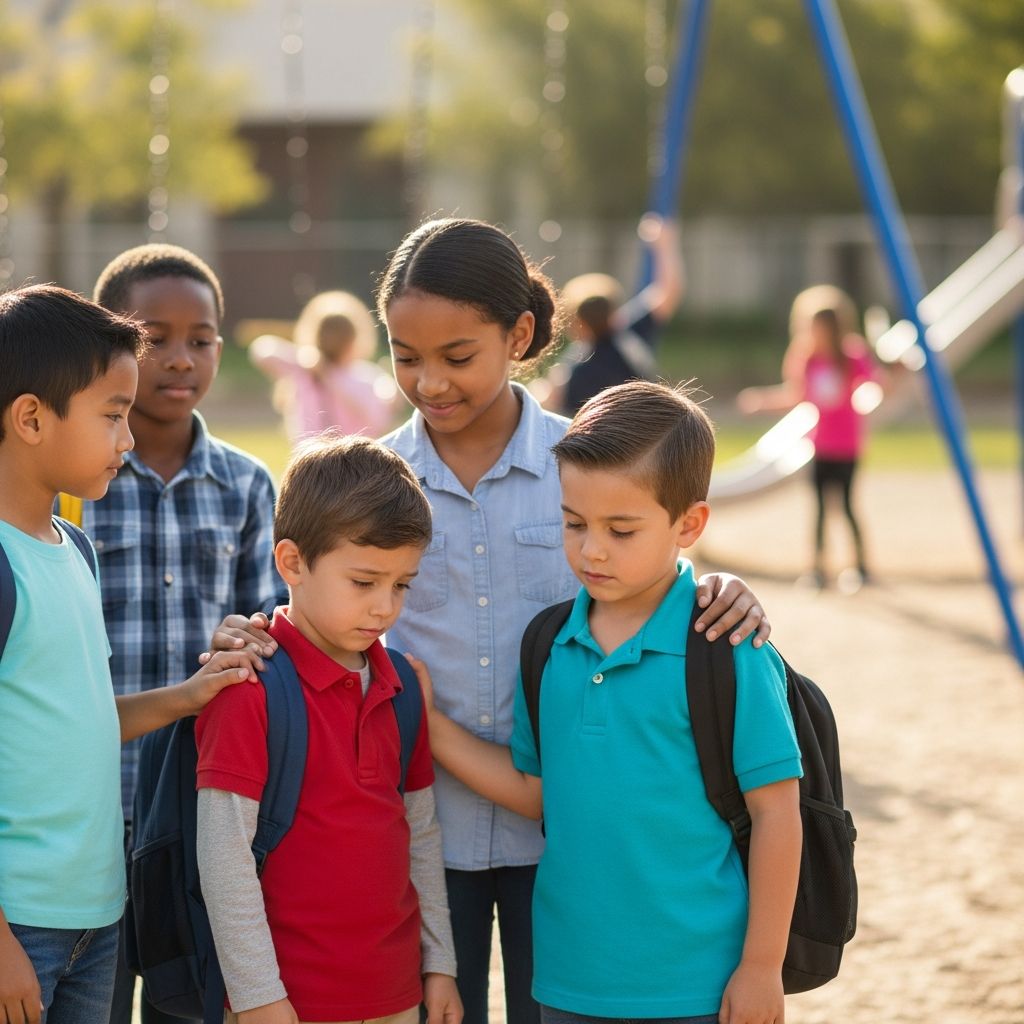
Bullying affects millions of children worldwide, creating emotional distress that can linger into adulthood. As a parent, your role is pivotal in identifying the issue early, providing emotional support, and taking decisive action to protect your child while teaching them lifelong coping skills.
Recognizing the Signs of Bullying in Your Child
Children often hide bullying due to fear or shame, making it essential for parents to watch for subtle indicators. Physical signs include unexplained bruises, torn clothing, or reluctance to attend school. Emotionally, look for sudden mood swings, anxiety, low self-esteem, or withdrawal from social activities. Changes in eating habits, sleep disturbances, or declining grades also signal potential problems.
- Physical cues: Frequent injuries or lost belongings without explanation.
- Emotional shifts: Increased tearfulness, anger outbursts, or loss of interest in hobbies.
- Behavioral changes: Avoiding certain routes home, faking illness to skip school, or sudden academic drops.
Engage in open conversations by asking specific, non-judgmental questions like, “How was your day with friends?” This builds trust and encourages disclosure.
Initial Steps: Listening and Validating Your Child’s Experience
Upon suspecting bullying, prioritize a calm, empathetic discussion. Let your child share their story without interruption, validating their feelings with phrases like, “That sounds really tough; I’m here for you.” Avoid immediate promises of confrontation, as this can heighten their anxiety. Instead, reassure them that bullying is never their fault and that you’re committed to resolving it together.
Document incidents meticulously: note dates, locations, descriptions, and witnesses. This record proves invaluable when approaching school officials or authorities.
Building Your Child’s Confidence and Coping Skills
Empowerment starts at home. Teach non-violent responses such as walking away confidently, using assertive language like “Stop that, I don’t like it,” or seeking help from trusted adults. Role-play scenarios to practice eye contact, upright posture, and calm responses, boosting self-assurance.
| Scenario | Response Strategy | Expected Outcome |
|---|---|---|
| Name-calling | Say “That’s not nice, please stop” and walk away | Denies bully power, preserves dignity |
| Physical pushing | Step back, report to adult immediately | Ensures safety without retaliation |
| Exclusion from group | Seek alternative friends, focus on strengths | Builds resilience and new connections |
Encourage participation in extracurriculars to nurture talents and form positive peer bonds, acting as a buffer against bullies.
Navigating School Involvement Effectively
Report bullying promptly to teachers or administrators, providing your detailed log. Request a meeting to discuss interventions, emphasizing collaboration over accusation. Schools with strong anti-bullying policies, like DoDEA’s No Bullying Zones, can implement monitoring and mediation.
Avoid confronting the bully’s parents directly, as this may escalate tensions. Instead, let school professionals handle peer dynamics while you focus on your child’s support.
- Prepare for the meeting: List specific incidents and desired outcomes.
- Follow up in writing to ensure accountability.
- Advocate for a safety plan, including supervised transitions and buddy systems.
Addressing Cyberbullying and Digital Safety
Online harassment amplifies traditional bullying. Monitor your child’s digital interactions, set privacy controls, and teach rules like never sharing passwords or responding to taunts. Report cyberbullying to platforms and authorities, preserving evidence via screenshots.
Promote balanced screen time and discuss online empathy to prevent your child from becoming a bystander or perpetrator.
When Bullying Occurs Outside School
Neighborhood or family bullying requires different tactics. Develop a safety plan: identify safe routes, trusted neighbors, and emergency contacts. Log incidents and involve community leaders if needed. Stay calm to model composure for your child.
Cultivating Resilience Through Parenting Practices
Adopt an authoritative parenting style—warm yet firm—to foster emotional intelligence. Discuss feelings regularly, praise efforts, and model respectful conflict resolution. This equips children to navigate social challenges proactively.
Research underscores parental involvement’s role in anti-bullying success. Interventions aligning parents and schools enhance cooperation and reduce incidents over time.
Supporting Children Who Bully Others
If your child bullies, address it seriously without defensiveness. Listen objectively, explain impacts, and set clear behavioral rules with consequences. Increase supervision, monitor friendships, and channel energies positively through activities. Collaborate with school for consistent messaging.
Long-Term Strategies for a Bully-Free Future
Prevention involves ongoing dialogue about empathy and inclusion. Participate in school programs, stay informed on local laws, and nurture diverse friendships. Track progress and celebrate small victories to reinforce positive changes.
Frequently Asked Questions (FAQs)
What should I do first if I suspect my child is being bullied?
Talk calmly with your child to understand the situation, validate their feelings, and document details before involving others.
Should I confront the bully or their parents?
No, contact school staff instead to avoid escalation and ensure professional handling.
How can I help my child build confidence against bullies?
Role-play responses, teach assertive language, and encourage strength-based activities.
What if bullying continues despite school intervention?
Escalate to higher administrators, consider legal options per state laws, and seek counseling.
Is cyberbullying different from in-person bullying?
Yes, it persists online; preserve evidence and report to platforms while supporting emotional recovery.
Empowering Families for Lasting Change
By combining empathy, action, and collaboration, parents can transform bullying experiences into growth opportunities. Consistent support not only halts harm but instills resilience, preparing children for a confident future.
References
- For Parents – Bullying Awareness and Prevention — DoDEA. Accessed 2026. https://www.dodea.edu/education/student-services/bullying-awareness-and-prevention/parents
- Working with parents to counteract bullying: A randomized controlled trial — PMC (Wiley). 2020-02-10. https://pmc.ncbi.nlm.nih.gov/articles/PMC7004196/
- What Parents Should Know About Bullying — Helping Your Child — PACER’s National Bullying Prevention Center. Accessed 2026. https://www.pacer.org/bullying/parents/helping-your-child/
- What Can Parents Do About Bullying? — Greater Good Science Center, UC Berkeley. Accessed 2026. https://greatergood.berkeley.edu/article/item/what_can_parents_do_about_bullying
- Parents Act Now! Bullying Prevention — Children’s Wisconsin. Accessed 2026. https://childrenswi.org/elearningcenter/topics/bullying-prevention/bullying-prevention-for-parents-and-caregivers
- What You Can Do | StopBullying.gov — StopBullying.gov. Accessed 2026. https://www.stopbullying.gov/resources/what-you-can-do
- How parents, teachers, and kids can take action to prevent bullying — American Psychological Association. Accessed 2026. https://www.apa.org/topics/bullying/prevent