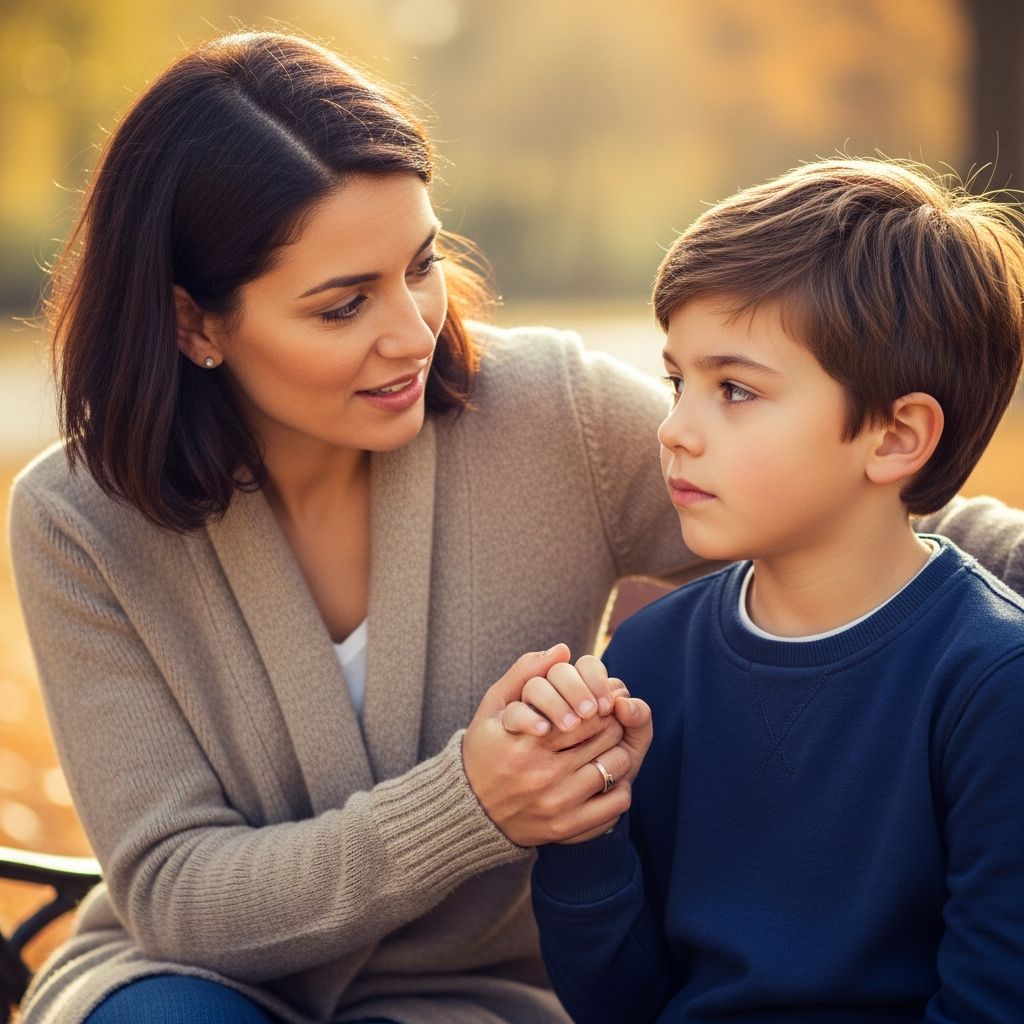
Bullying affects millions of children, leading to emotional distress, poor academic performance, and long-term mental health challenges. Parents play a pivotal role in prevention by creating supportive homes and collaborating with schools. This guide outlines actionable steps to identify, prevent, and address bullying effectively.
Recognizing the Signs of Bullying in Your Child
Early detection is crucial for intervention. Children experiencing bullying may show unexplained injuries, lost possessions, frequent stomachaches, or sudden changes in eating habits. Emotional indicators include anxiety, low self-esteem, depression, or reluctance to attend school. Watch for declining grades, withdrawal from friends, or nightmares, which signal deeper issues.
Physical signs like bruises or torn clothing often accompany verbal or relational bullying. Behavioral shifts, such as avoiding certain routes home or bus rides, can indicate targeted harassment. Parents should note patterns rather than isolated incidents to distinguish bullying from typical playground conflicts.
- Unexplained absences from school or activities
- Sudden fear of specific peers or locations
- Emotional outbursts or excessive clinginess
- Changes in sleep or appetite patterns
Proactively discuss daily experiences to uncover subtle relational bullying, like exclusion from groups, which lacks visible marks but erodes confidence over time.
Building Strong Foundations: Open Family Communication
Encouraging dialogue creates a safe space for children to share concerns without fear. Regular family check-ins normalize discussions about friendships and challenges. Use open-ended questions like “What was the best part of your day?” to build trust gradually.
Active listening validates feelings, reassuring kids that reporting issues leads to supportive action. Avoid immediate problem-solving; first empathize to strengthen bonds. Consistent conversations reduce isolation, making children more likely to disclose bullying early.
Establish daily rituals, such as dinner table talks, to monitor social dynamics. Teach children that seeking help is a strength, not weakness, empowering them against aggressors.
Cultivating Empathy: Teaching Kindness from Within
Empathy counters bullying by helping children value others’ perspectives. Role-playing scenarios, like switching roles in a conflict, illustrates emotional impacts. Books and media featuring compassionate characters spark discussions on respect and inclusion.
Daily practices reinforce this: encourage helping peers or inviting outsiders to play. Model empathy in adult interactions, as children mimic observed behaviors. Programs integrating social-emotional learning show reduced bullying incidents by fostering mutual understanding.
| Activity | Empathy Benefit | Age Group |
|---|---|---|
| Role-Playing Games | Understands peer feelings | 5-10 |
| Kindness Journals | Tracks positive acts | 8-12 |
| Group Discussions | Builds collective respect | 10-14 |
These targeted exercises build emotional intelligence, decreasing aggressive tendencies and promoting supportive peer networks.
Establishing Firm Rules and Expectations at Home
Clear boundaries guide behavior. Define unacceptable actions like name-calling or exclusion, linking them to consequences. Reinforce positive choices with praise, creating a respectful household culture.
Discuss conflict resolution: staying calm, expressing feelings assertively, and seeking compromises. Align home rules with school policies for consistency, amplifying anti-bullying messages.
Family contracts outlining expectations, signed by all, provide visual commitments. Regular reviews ensure understanding and adaptation as children grow.
Strengthening Your Child’s Inner Confidence
Resilient children resist bullies and support peers. Enroll in activities matching interests—sports, arts, clubs—to build skills and friendships. Achievements boost self-worth, reducing vulnerability.
Teach assertiveness: firm voice, eye contact, and boundary-setting phrases like “Stop, I don’t like that.” Practice through mock scenarios. Self-esteem programs correlate with lower victimization rates.
- Encourage hobby exploration for accomplishment
- Praise effort over innate talent
- Facilitate healthy peer connections
Navigating the Digital World: Cyberbullying Safeguards
Online harassment mirrors traditional bullying but reaches 24/7. Monitor usage, set screen limits, and review privacy settings. Educate on permanence of digital footprints and recognizing toxic interactions.
Teach reporting mechanisms on platforms and to adults. Discuss safe distancing from aggressors online. Parental controls aid supervision without invading privacy fully.
Family media agreements outline rules, reviewed monthly. Warn against sharing personal info or engaging provocatively, preventing escalation.
Turning Peers into Allies: Bystander Empowerment
Bystanders can halt 57% of incidents by intervening safely. Train children to speak up, distract, or report without direct confrontation. Small acts like befriending targets disrupt bullying dynamics.
Role-play bystander strategies, emphasizing safety. School programs teaching upstander skills foster collective responsibility, shifting from passive observation to active prevention.
Collaborative Efforts: Schools, Parents, and Communities Unite
Comprehensive prevention requires teamwork. Support school policies with home reinforcement. Attend workshops, volunteer in programs, and advocate for evidence-based curricula.
Communities host events promoting inclusion. Data-driven adjustments, like enhanced supervision, optimize outcomes. Multi-tiered approaches—universal education, targeted interventions—yield best results.
Responding Swiftly: Effective Intervention Steps
If bullying occurs, stay calm and gather facts privately. Document incidents with dates, descriptions, and witnesses. Notify school promptly, following protocols.
Support your child emotionally while coordinating with educators. Avoid confronting bullies or parents directly to prevent retaliation. Professional counseling aids recovery.
Follow up persistently, tracking resolutions. Empower children throughout, reinforcing their value.
Frequently Asked Questions (FAQs)
What should I do if my child is bullying others?
Address root causes like stress or insecurity through calm discussions. Enforce consequences, teach empathy, and involve school counselors for behavior plans.
How can I tell if it’s bullying or just teasing?
Bullying involves power imbalance, repetition, and intent to harm; teasing is playful and mutual.
Is cyberbullying more dangerous than in-person?
It can be, due to anonymity and constant access, amplifying emotional damage.
What role do schools play in prevention?
Implementing policies, training staff, and social-emotional programs create safer climates.
How long does bullying recovery take?
Varies; with support, many improve quickly, but therapy helps lingering effects.
Long-Term Strategies for a Bullying-Free Future
Sustained efforts evolve with age. Adolescence demands digital literacy and peer leadership focus. Track progress via journals, adjusting tactics. Celebrate milestones to maintain momentum.
Advocate policy changes locally, sharing successes. Research-backed multi-component programs reduce bullying by up to 25%. Parental vigilance ensures lasting safety.
By integrating these strategies, parents cultivate resilient, empathetic children in supportive networks, minimizing bullying risks comprehensively.
References
- Effective Strategies and Resources for Preventing Childhood Bullying — Hughes & Coleman. 2023. https://www.hughesandcoleman.com/resources/effective-strategies-and-resources-for-preventing-childhood-bullying/
- Building a Safe Space: Strategies for Bullying Prevention Year-Round — Elite DNA Behavioral Health. 2024. https://elitedna.com/building-a-safe-space-strategies-for-bullying-prevention-year-round/
- Preventive Interventions – Preventing Bullying Through Science, Policy, and Practice — National Center for Biotechnology Information (NCBI). 2016-09-01. https://www.ncbi.nlm.nih.gov/books/NBK390407/
- Bullying Prevention and Intervention Strategies — Nebraska Department of Education. 2024. https://www.education.ne.gov/safety/bullying-cyberbullying/bullying-prevention-and-intervention-strategies/
- Bullying and Cyberbullying Prevention Strategies and Resources — SchoolSafety.gov / National Center on Safe Supportive Learning Environments. 2025-09. https://www.ncsby.org/sites/default/files/2025-09/SchoolSafety.gov_Bullying%20and%20Cyberbullying%20Prevention%20Strategies%20and%20Resources_508_0.pdf
- How to Prevent Bullying — StopBullying.gov (U.S. Department of Health and Human Services). 2024. https://www.stopbullying.gov/prevention/how-to-prevent-bullying