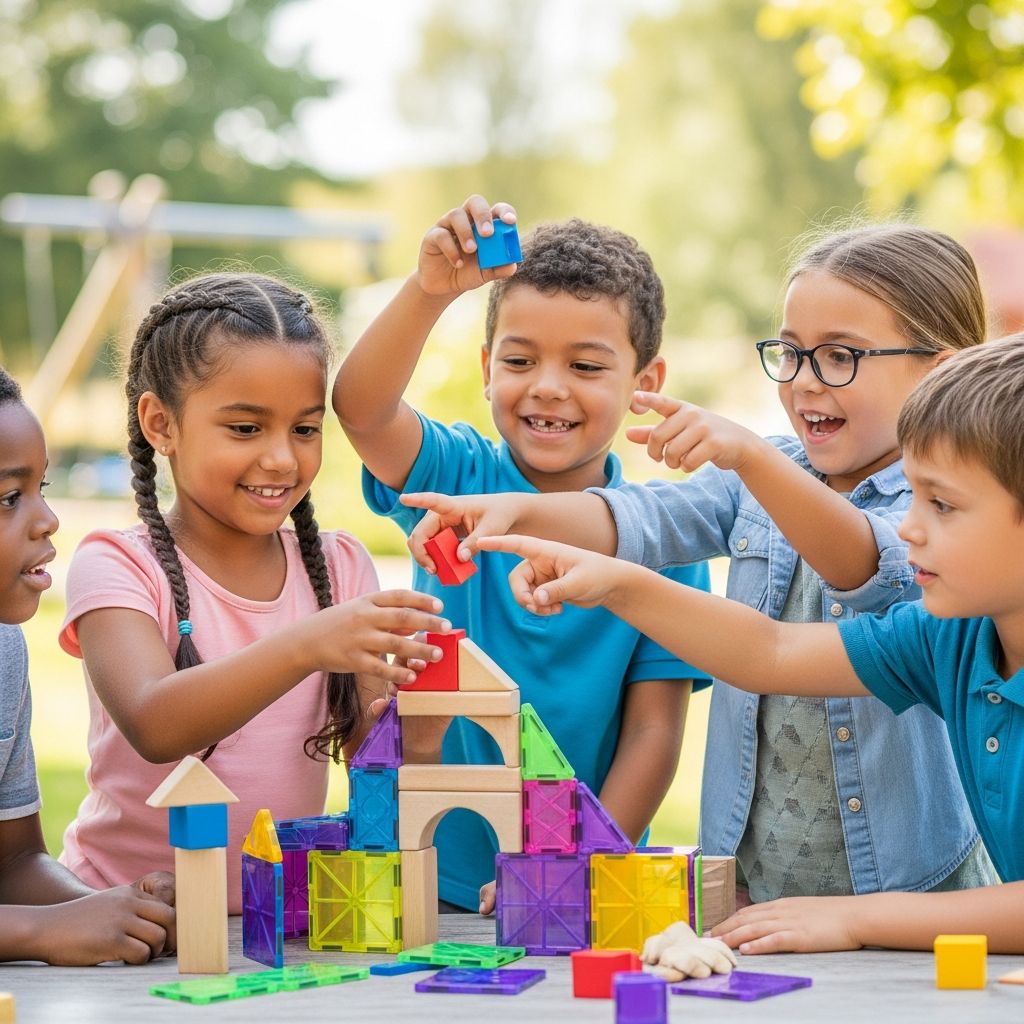
Self-esteem represents a child’s fundamental sense of personal value and competence, shaping how they approach challenges, relationships, and personal growth. Parents play a pivotal role in cultivating this vital trait, which correlates with better mental health, academic performance, and social skills throughout life.
Understanding Self-Esteem: The Foundation of Emotional Health
At its core, self-esteem is an individual’s appraisal of their own worth, encompassing beliefs about abilities, morals, and social acceptance. In children, it develops progressively, influenced by family dynamics, peer interactions, and personal achievements. Psychologist William James described it as success relative to expectations, a concept still relevant today.
Healthy self-esteem empowers children to recognize their strengths, accept imperfections, and bounce back from setbacks. Conversely, low self-esteem can lead to anxiety, withdrawal, or risky behaviors. Research from the National Institutes of Health underscores self-esteem as a complex interplay of self-meaning, identity, and image, forming the bedrock of psychological well-being.
Why Self-Esteem Matters for Your Child’s Future
Children with robust self-esteem exhibit greater resilience, pursuing goals with optimism and handling criticism constructively. Studies link high self-esteem to improved academic outcomes, healthier relationships, and reduced vulnerability to depression or substance use.
In Abraham Maslow’s hierarchy of needs, self-esteem ranks high, essential for motivation and fulfillment beyond basic survival. For parents, investing in this area yields lifelong dividends, as positive self-regard buffers against life’s stresses.
Age-Specific Milestones in Self-Esteem Development
Self-esteem evolves through distinct stages, requiring tailored parental support.
- Infancy and Toddlers (0-3 years): Babies build initial trust through consistent caregiving, laying groundwork for security.
- Preschoolers (3-5 years): Focus shifts to autonomy; children test independence via play and simple choices.
- School-Age (6-12 years): Peer approval and school performance heavily influence feelings of competence.
- Teens (13+ years): Identity exploration intensifies, with social media amplifying pressures.
Understanding these phases allows parents to intervene effectively, aligning encouragement with developmental needs.
Practical Strategies to Boost Your Child’s Confidence Daily
Daily habits profoundly impact self-esteem. Here are evidence-based approaches:
- Praise Effort Over Innate Talent: Highlight persistence to foster a growth mindset, as fixed praise can hinder resilience.
- Encourage Independence: Let children solve age-appropriate problems, building mastery and self-efficacy.
- Model Positive Self-Talk: Children mirror parental attitudes; demonstrate self-compassion to normalize it.
- Set Realistic Expectations: Balance challenges with achievable wins to avoid frustration.
| Age Group | Key Strategy | Expected Outcome |
|---|---|---|
| 0-5 years | Responsive caregiving and play-based learning | Secure attachment and basic self-trust |
| 6-12 years | Skill-building activities and peer involvement | Competence in academics and social settings |
| 13+ years | Open discussions on identity and failures | Resilient self-identity |
Navigating Common Challenges That Erode Self-Esteem
Obstacles like bullying, academic struggles, or family stress can undermine confidence. Watch for signs such as excessive self-criticism, avoidance of activities, or mood swings.
To counteract:
- Validate emotions without overprotecting; teach coping skills like deep breathing.
- Limit comparisons; celebrate unique qualities.
- Address issues promptly, involving schools or counselors if needed.
Longitudinal studies show early intervention prevents entrenched low self-esteem.
The Role of Family Dynamics in Fostering Self-Worth
A supportive home environment is crucial. Consistent routines, open communication, and unconditional love signal inherent value. Avoid conditional approval tied solely to achievements, which breeds insecurity.
Siblings can influence self-perception; promote fairness to minimize rivalry. Shared family activities reinforce belonging and teamwork.
School and Peers: External Influences on Inner Strength
Beyond home, school experiences shape self-view. Encourage involvement in clubs or sports to build skills and friendships. Monitor online interactions, as social media can distort self-comparisons.
Teach digital literacy: Curate positive feeds and discuss curated realities versus authentic lives.
Signs of Healthy Versus Low Self-Esteem
| Healthy Self-Esteem | Low Self-Esteem |
|---|---|
| Confident in abilities, tries new things | Fears failure, avoids challenges |
| Accepts constructive feedback | Takes criticism personally |
| Forms healthy relationships | Struggles with boundaries or isolation |
| Bounces back from mistakes | Dwells on errors, self-blames |
Recognizing these helps parents act proactively.
Long-Term Benefits: From Childhood Confidence to Adult Success
Investing in self-esteem yields compounding returns. Adults with strong foundations report higher job satisfaction, better health, and fulfilling relationships. It equips children to navigate adolescence’s turbulence and adulthood’s demands.
Frequently Asked Questions (FAQs)
What if my child has low self-esteem?
Start with empathetic listening, then implement small successes and professional help if persistent. Therapy like CBT can rebuild patterns.
How much praise is too much?
Quality trumps quantity; specific, effort-focused praise sustains motivation without entitlement.
Can self-esteem be too high?
Balanced self-esteem avoids narcissism; it promotes equality and empathy, not superiority.
Does screen time affect self-esteem?
Yes, excessive exposure to idealized images can lower it; enforce limits and media literacy.
When should I seek professional help?
If low self-esteem leads to depression, anxiety, or self-harm, consult a child psychologist promptly.
Conclusion: Empowering Your Child for Life
Building self-esteem is an ongoing journey requiring patience and consistency. By providing tools for self-appraisal and resilience, parents equip children for a confident future. Start today—small actions create profound change.
References
- Self-esteem — Wikipedia. 2023-10-15. https://en.wikipedia.org/wiki/Self-esteem
- Self-esteem | Research Starters — EBSCO. 2023. https://www.ebsco.com/research-starters/health-and-medicine/self-esteem
- Self-Esteem: What Is It? — University of Maryland. 2023. https://socy.umd.edu/about-us/self-esteem-what-it
- About self-esteem — Mind.org.uk. 2023-11-01. https://www.mind.org.uk/information-support/types-of-mental-health-problems/self-esteem/about-self-esteem/
- The foundation of self-esteem — PMC – NIH. 2008-11-18. https://pmc.ncbi.nlm.nih.gov/articles/PMC2594522/
- The Significance of Self-Esteem — Ontario Psychological Association. 2023-05-15. https://www.psych.on.ca/Public/Blog/2023/the-significance-of-self-esteem