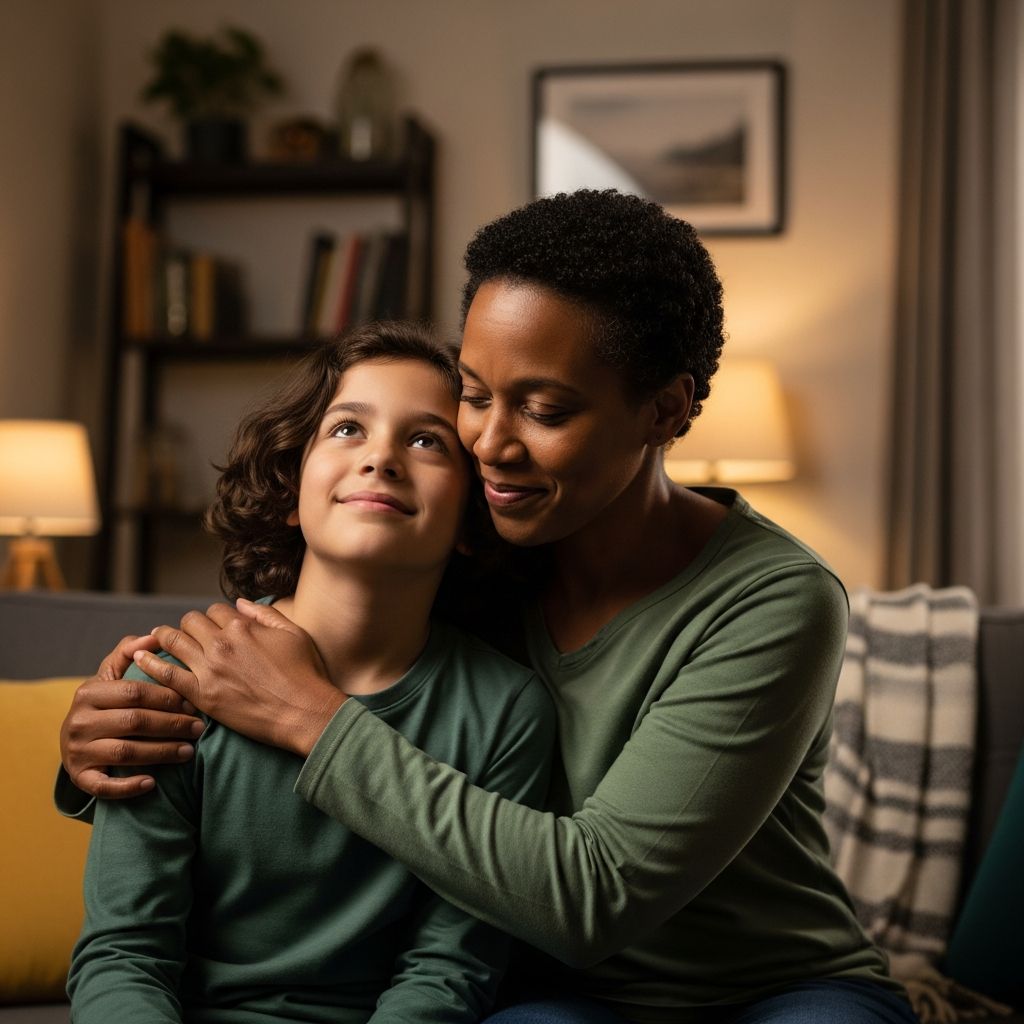
Parents hold a unique power to shape their children’s emotional world by serving as a constant source of security and understanding. This role evolves from the earliest attachments in infancy to supportive partnerships in adulthood, influencing everything from daily confidence to long-term mental health. High-quality parent-child connections provide the foundation for resilience, helping kids navigate challenges with assurance.
Understanding the Foundations of Emotional Security
The concept of a ‘safe haven’ in parenting draws directly from attachment theory, where caregivers offer a reliable base for exploration and comfort. Children who experience consistent emotional responsiveness develop secure attachments, enabling them to venture into the world boldly while knowing support awaits. This bond mitigates risks like aggression, particularly when psychological control from one parent is balanced by strong ties with the other.
Research shows that positive parent-child interactions foster affection, trust, and instrumental aid, shaping how children perceive and interact with their environment. Conversely, low-quality relationships can amplify negative parenting effects, leading to behavioral issues during adolescence. Establishing this security begins at birth and requires ongoing nurturing.
Key Principles for Creating a Secure Base
To build an enduring safe space, parents must prioritize several core principles rooted in developmental psychology.
- Emotional Availability: Being fully present to acknowledge a child’s feelings validates their experiences and builds trust. This means setting aside distractions to engage genuinely.
- Consistency in Responses: Predictable reactions to needs—whether comfort after a fall or guidance during frustration—create reliability. Inconsistent parenting can lead to ambivalent attachments marked by high expectations without support.
- Empathy as a Bridge: Viewing situations from the child’s perspective strengthens connections. Empathetic responses teach emotional regulation and encourage open expression.
- Balanced Autonomy: Encouraging independence while providing a safety net prevents over-control, which research links to increased aggression in teens.
These elements form the bedrock, adaptable across ages to maintain the safe haven as children grow.
Navigating Early Childhood: Laying the Groundwork
In the first years, safe havens manifest through responsive caregiving. Infants rely on parents for co-regulation of emotions, learning that distress elicits comfort. Studies confirm that secure early attachments correlate with better social skills and fewer externalizing behaviors later.
Practical steps include:
- Daily routines like shared play or bedtime rituals to reinforce security.
- Labeling emotions (“You seem frustrated”) to build vocabulary and self-awareness.
- Physical affection, which releases oxytocin, enhancing bonding hormones.
Parents modeling positive behaviors—such as calm problem-solving—instills high self-esteem and emotional competence from the start.
Adolescence: Adapting the Safe Space Amid Change
Teen years bring bids for independence, often straining bonds. Conflicts rise as adolescents seek autonomy, yet they still crave parental reliability. Here, the safe haven shifts to a sounding board for identity exploration without judgment.
Evidence indicates that high-quality relationships buffer against aggression, especially when one parent’s controlling tendencies are offset by the other’s warmth. For instance, paternal support can reduce maternal control’s negative impacts on boys.
| Challenge | Safe Haven Response | Outcome |
|---|---|---|
| Peer pressure | Open discussions without lectures | Enhanced decision-making skills |
| Mood swings | Validate feelings, offer perspective | Better emotional control |
| Risk-taking | Set boundaries with empathy | Reduced problem behaviors |
This period tests parental adaptability, but consistent presence prevents escalation into lasting rifts.
Transitioning to Adulthood: Evolving Mutual Support
As children become adults, the safe haven transforms into a reciprocal alliance. Strong foundations enable adult children to seek advice confidently while offering parents support in return. Key contributors include early secure attachments, quality time, and open communication.
- Respect autonomy: Avoid over-involvement, which strains ties.
- Provide emotional backing during life transitions like careers or relationships.
- Cultivate mutual respect, recognizing each other’s independence.
Research from the American Psychological Association highlights how resolved conflicts and empathetic listening sustain these bonds lifelong.
Practical Strategies to Strengthen Bonds Daily
Incorporate these evidence-based tactics to reinforce your role as a safe space:
- Active Listening: Reflect back what you hear (“It sounds like school was tough today”) to show understanding.
- Quality Time Rituals: Weekly one-on-one activities build connection without agenda.
- Affirmation Practices: Regular praise for efforts boosts self-worth and attachment security.
- Conflict Resolution: Use ‘I’ statements (“I feel worried when…”) to de-escalate.
- Self-Care for Parents: Modeling emotional health ensures you remain available.
Consistency in these habits yields compounding benefits over time.
Overcoming Common Obstacles
Not all paths are smooth. Parentification—where children assume adult roles—erodes safety, leading to role confusion. Ambivalent dynamics, with mismatched expectations and support, foster insecurity.
To counter:
- Identify patterns: Reflect on your upbringing’s influence.
- Seek professional guidance if conflicts persist.
- Rebuild through small, consistent gestures of vulnerability.
Awareness empowers correction, restoring the haven.
Frequently Asked Questions (FAQs)
What if my teen pushes me away?
Teens often test boundaries; respond with steady availability rather than withdrawal. Research shows persistent warmth reduces long-term aggression risks.
How does attachment theory apply lifelong?
Early secure bases evolve into adult mutual support, promoting resilience across stages.
Can I repair a strained bond?
Yes, through empathy, active listening, and respecting autonomy—building blocks for healthier dynamics.
What’s the role of fathers in safe havens?
Paternal relationships uniquely buffer maternal control effects, especially for sons, highlighting dual-parent importance.
How much time is ‘quality time’?
Focused, distraction-free interactions matter more than quantity; even 20 minutes daily strengthens ties.
Long-Term Impacts of Being a Safe Haven
Children with reliable parental safe spaces exhibit lower aggression, better emotional regulation, and stronger adult relationships. They enter adulthood equipped for healthy partnerships, passing on these patterns. Parents benefit too, gaining reciprocal support that enriches later life.
Investing in this role demands intention but yields profound rewards: resilient families enduring life’s ebbs and flows.
References
- Parent–Child Relationships, Parental Psychological Control, and Adolescent Aggression — National Library of Medicine (NIH). 2021-12-15. https://pmc.ncbi.nlm.nih.gov/articles/PMC8715731/
- How Parent-Child Relationships Evolve Over the Life Span — Psychology Writing. 2023-05-10. https://psychologywriting.com/how-parent-child-relationships-evolve-over-the-life-span/
- Fostering Healthy Parent-Child Relationships — M1 Psychology. 2024-08-20. https://m1psychology.com/fostering-healthy-parent-child-relationships/
- What Contributes to Strong Parent-Adult Child Relationships? — Psychology Today. 2025-04-01. https://www.psychologytoday.com/us/blog/hope-and-healing/202504/what-contributes-to-strong-parent-adult-child-relationships
- Parent-Child Relationships | Overview, Types & Importance — Study.com. 2024-11-12. https://study.com/academy/lesson/parent-child-relationships-definition-lesson-quiz.html
- People who played the parent role as children share this striking personality trait — Shopatgood. 2023-07-31. https://shopatgood.com/31-173885-people-who-played-the-parent-role-as-children-share-this-striking-personality-trait/
- How parents and their adult children can build strong relationships — American Psychological Association (APA). 2024-03-05. https://www.apa.org/news/podcasts/speaking-of-psychology/parent-adult-children-relationships