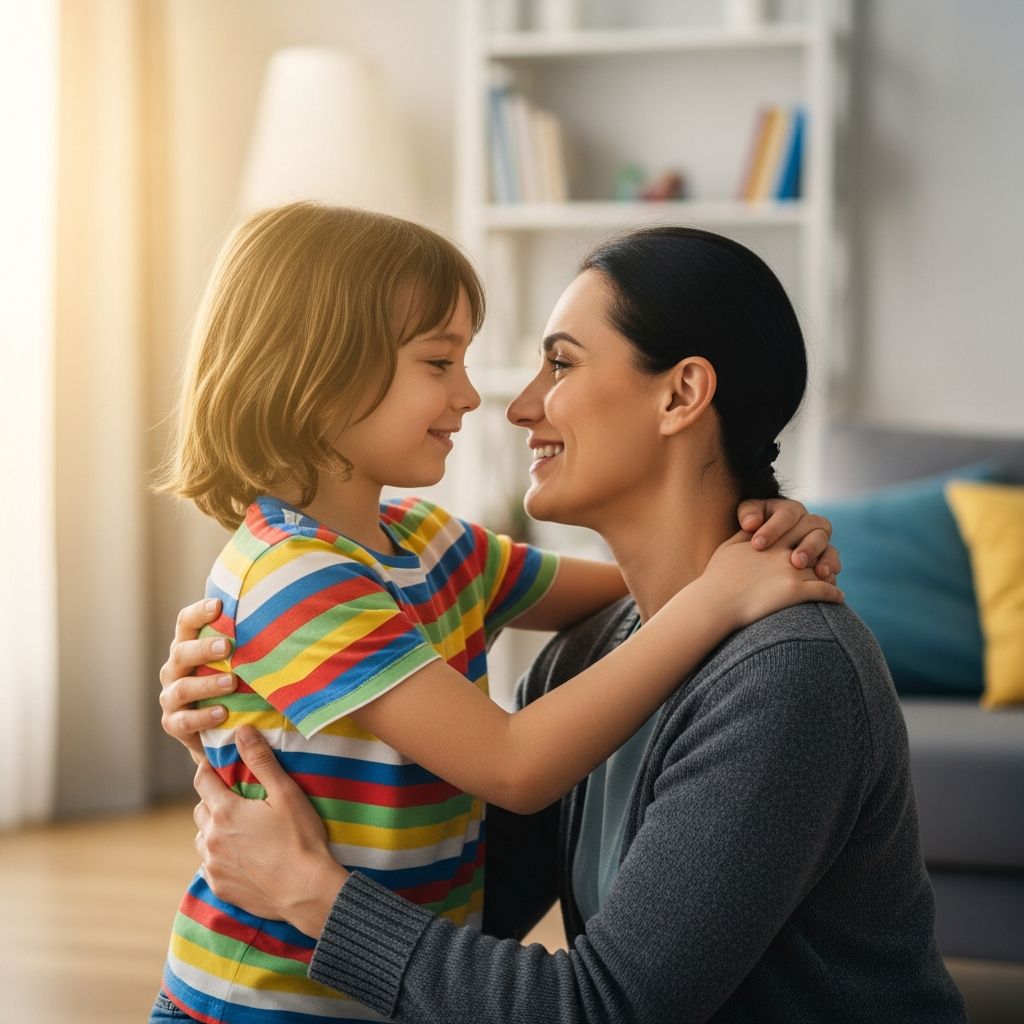
Apologizing as a parent isn’t about admitting defeat—it’s a powerful tool for building trust and modeling emotional maturity. When parents own their mistakes, children learn resilience, empathy, and healthy conflict resolution, creating lasting family harmony.
Why Parents Need to Say Sorry: The Developmental Impact
Children observe and mimic parental behavior more than any lecture. A heartfelt apology demonstrates humility and accountability, teaching kids that everyone errs and recovery is possible. This process strengthens emotional bonds and equips children with skills for their own relationships.
Research highlights that consistent parental apologies foster secure attachments. Kids who witness parents taking responsibility develop better self-regulation and interpersonal skills. Conversely, unaddressed parental errors can erode trust, leading to resentment or withdrawal.
- Boosts emotional intelligence: Children learn to identify and express feelings healthily.
- Models accountability: Shows that actions have consequences, regardless of age or role.
- Repairs ruptures: Quick apologies prevent small issues from escalating into major conflicts.
Recognizing When an Apology is Essential
Not every parenting misstep requires a formal apology, but key moments demand it. Yelling in frustration, breaking a promise, or dismissing a child’s emotions signal the need for repair. Ignoring these erodes credibility; addressing them promptly reinforces reliability.
Common triggers include:
- Loss of temper during routine stresses like bedtime battles.
- Overlooking commitments, such as missing a school event.
- Impatient responses to a child’s questions or needs.
Core Elements of a Genuine Parental Apology
A effective apology contains three pillars: acknowledgment, remorse with empathy, and commitment to change. Skipping any undermines sincerity. Start with “I” statements to own the action fully, avoiding deflections.
| Element | Poor Example | Strong Example |
|---|---|---|
| Acknowledgment | “Sorry, but you were being difficult.” | “I yelled at you during dinner.” |
| Remorse & Empathy | “It’s not a big deal, get over it.” | “I feel terrible knowing that scared you.” |
| Future Action | “Won’t happen again, probably.” | “Next time, I’ll take a breath before responding.” |
This structure, drawn from psychological principles, ensures the apology lands authentically.
Navigating Common Apology Pitfalls
Many apologies fail due to subtle sabotages. Blame-shifting, conditional language, or exaggeration dilutes impact. Parents often default to these under stress, but awareness transforms them.
- Avoid blame-shifting: “I’m sorry you left your toys out” blames the child. Instead: “I’m sorry I stepped on your toy.”
- Skip conditionals: “Sorry if that upset you” dodges ownership. Use: “I’m sorry I upset you.”
- Reject over-dramatization: “I’m the worst parent ever” invites reassurance, not repair. Opt for: “I strive to do better, and I fell short here.”
- No sweeping under the rug: “Let’s move on” ignores hurt. Acknowledge first.
Practical Steps: Delivering the Apology Effectively
Timing and delivery amplify sincerity. Wait until calm—rushed apologies ring hollow. Get to eye level, use a gentle tone, and maintain open body language. Keep it concise for young kids; elaborate for teens.
- Regulate yourself: Breathe deeply to center emotions.
- Acknowledge impact: Name the action and its effect.
- Express regret: Share genuine remorse and validate their feelings.
- Commit to change: Outline a specific, realistic plan.
- Invite response: Ask how they feel, but guide toward resolution.
For minor slips, a simple “Oops, my mistake—sorry about that” suffices, paired with a hug.
Age-Appropriate Apology Strategies
Tailor approaches to developmental stages for maximum effect.
For Toddlers and Preschoolers (Ages 2-5)
Focus on actions over words. Use short phrases, gestures, and repairs like helping rebuild a knocked-over tower. “I’m sorry I knocked it down. Let’s fix it together.” This teaches cause-effect without overwhelming.
For School-Age Kids (Ages 6-12)
Incorporate the three-sentence model: “I’m sorry for…, this was wrong because…, in the future I’ll….” Encourage them to share feelings, modeling dialogue.
For Teens (Ages 13+)
Respect autonomy. Acknowledge their perspective fully: “I see how my sarcasm hurt you, and I’m sorry.” Discuss mutual growth, avoiding lectures.
Follow-Through: Turning Words into Action
An apology without change is empty. Track patterns—journal triggers like fatigue—and implement preventives, such as scheduled breaks. Involve kids: “What would help next time?” This empowers them.
Reparation ideas:
- Replace a discarded item without judgment.
- Spend extra one-on-one time.
- Write a note for absent parents.
Long-Term Benefits for Family Dynamics
Routine apologies cultivate a culture of openness. Families report fewer arguments, deeper trust, and better problem-solving. Children grow into empathetic adults, breaking cycles of defensiveness.
Benefits include:
- Reduced sibling rivalry through modeled resolution.
- Enhanced parent-child communication.
- Resilience against external conflicts.
Frequently Asked Questions
What if my child rejects my apology?
Give space—pressuring backfires. Revisit later: “I know you’re still upset; I’m here when ready.” Persistence shows commitment.
How often should parents apologize?
As needed, without overdoing for trivia. Aim for authenticity over frequency to maintain weight.
Does apologizing make me seem weak?
No—it’s strength. It positions you as reliable and human, earning respect.
Should I apologize for discipline?
Yes, if delivery was harsh. Separate the rule from the method: “The boundary stands, but my tone was off—sorry.”
What about cultural differences in apologies?
Adapt to family norms, but core sincerity transcends. Discuss values openly.
References
- Sorry, Not Sorry: The Dangers of the Non-Apology — Edwin Battistella, PhD, Southern Oregon University. 2014 (authoritative linguistic analysis on apology structures). https://www.sou.edu/academics/linguistics/faculty/battistella/sorry.php
- Handbook of Child Psychology and Developmental Science — American Psychological Association (via .edu references on attachment). 2015. https://www.apa.org/pubs/books/4318134
- Parent-Child Interaction Therapy — U.S. Department of Health & Human Services (.gov). 2023-09-15. https://www.childwelfare.gov/pubpdfs/literature-review.pdf
- Emotional Development in Young Children — National Institute of Child Health and Human Development (.gov). 2024-05-20. https://www.nichd.nih.gov/publications/pubs/documents/emotional_dev_yc.pdf
- The Power of Apology in Family Systems — Dr. Robert M. Gordon, Psychoanalyst. 2022. https://robertmgordon.com/apology-family/