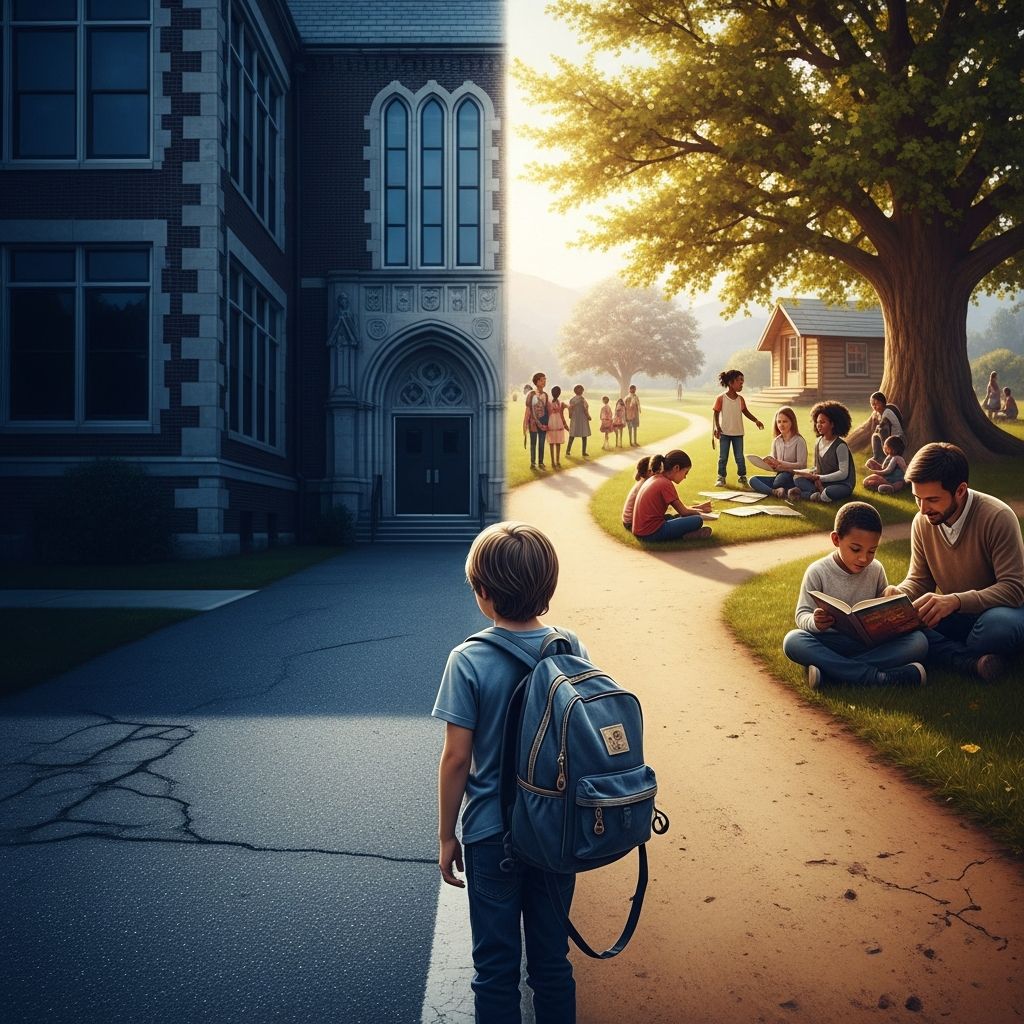
Exposing children to news media presents a delicate balance between fostering informed citizens and protecting developing minds from overwhelming content. Research reveals both potential advantages in building awareness and significant risks to emotional health, urging parents to adopt guided approaches.
Understanding News Exposure in Children’s Lives
Today’s digital landscape bombards children with constant news access through TVs, smartphones, and social platforms. Unlike past generations limited to evening broadcasts, kids now encounter breaking stories in real-time. This shift raises critical questions about developmental readiness. Studies indicate that while some exposure can spark curiosity about the world, excessive or unfiltered viewing often leads to unintended psychological strain.
Children process information differently from adults due to immature brain regions like the amygdala, which heightens threat detection. When news features disasters or violence, even remote events can trigger intense fear responses, mimicking direct trauma. Parents must recognize these vulnerabilities to make informed choices.
Potential Upsides of Introducing News to Children
Despite risks, controlled news exposure offers educational value. It cultivates empathy by highlighting global issues, encourages critical thinking through discussion of events, and builds vocabulary via diverse terminology. For instance, age-appropriate segments on community achievements or scientific breakthroughs can inspire interest in current affairs without distress.
- Enhances civic awareness: Understanding local elections or environmental efforts prepares kids for responsible adulthood.
- Promotes family dialogue: Shared viewing sessions spark conversations about values and problem-solving.
- Supports skill development: Analyzing news accuracy hones media literacy, vital in an era of misinformation.
Evidence suggests limited, positive-framed content correlates with improved social understanding, particularly in underserved communities where screens supplement learning resources.
Key Risks: How News Can Harm Young Minds
News often prioritizes sensationalism, amplifying crime, conflicts, and catastrophes. This focus distorts reality—despite declining crime rates, coverage has surged 240% in some markets. Children, prone to literal interpretation, may perceive the world as perpetually dangerous, fostering chronic anxiety.
Trauma from Indirect Exposure
Research from Florida International University shows that heavy media coverage of events like Hurricane Irma induced post-traumatic stress symptoms in children far from the disaster. Brain scans revealed amygdala hyperactivity predicting symptom severity, regardless of physical proximity. Such findings challenge the DSM-5 by suggesting media as a trauma vector.
Imitation and Desensitization Effects
The American Academy of Child and Adolescent Psychiatry warns of “copycat” behaviors, where youth mimic reported violence. Persistent exposure numbs emotions, heightens aggression, or instills unfounded fears. Younger children suffer most, lacking spatial context to distance remote events, leading to helplessness and conduct issues.
Broader Screen Time Concerns
News viewing contributes to overall screen overload, linked to emotional dysregulation. A vicious cycle emerges: distressed kids turn to screens for comfort, exacerbating problems. WHO data ties problematic media use to diminished well-being in teens.
| Age Group | Primary Risks | Example Impacts |
|---|---|---|
| Under 7 | Intense fear, sleep disruption | Clinging behavior, nightmares from disaster imagery |
| 8-12 | Anxiety, aggression | PTS symptoms, imitation of risky acts |
| 13+ | Desensitization, mental health dips | Poor well-being from >3 hours daily social/news feeds |
Age-Appropriate Guidelines for News Consumption
Tailor exposure by developmental stage. Toddlers and preschoolers should avoid news entirely, opting for playful educational content. School-age children benefit from brief, parent-vetted clips followed by debriefing. Teens can handle more but need tools to discern bias.
- Avoid live, unfiltered broadcasts; choose summarized family editions.
- Limit to 15-30 minutes daily, integrated into routines.
- Prioritize positive stories to counter negativity bias.
Practical Parental Strategies for Safe Viewing
Active involvement transforms news from passive consumption to teachable moments. Co-viewing allows real-time clarification, reducing misconceptions. Post-viewing talks validate feelings, contextualize events, and reinforce resilience.
- Preview content: Scan ahead to skip graphic details.
- Set boundaries: Designate news-free zones like bedrooms or mealtimes.
- Encourage questions: Prompt “What surprised you?” to process emotions.
- Balance with offline activities: Follow news with play or reading to restore calm.
- Monitor reactions: Watch for withdrawal or aggression, seeking professional help if persistent.
These steps mitigate risks while harnessing benefits, aligning with expert calls for parental mediation.
Recognizing Warning Signs and Seeking Support
Not all children react visibly; delayed effects like irritability or avoidance may surface weeks later. High-risk kids—those with prior anxiety or adversity—face amplified impacts. Pediatric guidelines urge screening during checkups, with therapy for trauma processing.
Chronic stress from media elevates cortisol, impairing brain growth and raising lifelong health risks per CDC ACE studies referenced in violence exposure research. Early intervention prevents escalation.
Building Media Literacy from the Ground Up
Equip kids with skills to navigate news independently. Teach source evaluation, fact-checking, and perspective-taking. Programs emphasizing these reduce vulnerability to sensationalism.
- Discuss headlines: “Why this story now?”
- Compare outlets: Note varying emphases.
- Explore solutions: Shift from problems to actions.
Alternatives to Traditional News for Young Audiences
Supplement with kid-friendly formats like podcasts, illustrated summaries, or apps curating uplifting global tales. These maintain engagement sans graphic intensity, supporting emotional growth.
Frequently Asked Questions
What age is safe for kids to start watching news?
Generally, wait until age 7-8 for brief, guided sessions; younger children lack context for processing effectively.
Does news cause PTSD in children?
Indirect exposure can trigger PTS symptoms, as shown in studies on disaster coverage, even without direct involvement.
How can I tell if news is affecting my child?
Look for anxiety spikes, sleep issues, or behavioral changes post-viewing; discuss openly to gauge internal impact.
Is all screen time from news equally harmful?
No—educational content may aid skills, but violent news poses unique trauma risks.
What if my teen scrolls news on social media?
Monitor usage; more than three hours daily links to poorer mental health—set limits and teach verification.
Empowering Families in a News-Saturated World
Navigating news requires intentionality. By weighing evidence-based risks against gains and implementing safeguards, parents foster resilient, aware children ready for tomorrow’s challenges. Ongoing research underscores the need for vigilance, but empowered families thrive.
References
- Excessive media exposure to traumatic events could harm kids — Florida International University News. 2021-10-26. https://news.fiu.edu/2021/excessive-media-exposure-to-traumatic-events-could-harm-kids
- News and Children – AACAP — American Academy of Child and Adolescent Psychiatry. Accessed 2026. https://www.aacap.org/AACAP/Families_and_Youth/Facts_for_Families/FFF-Guide/Children-And-The-News-067.aspx
- Mental and Emotional Health of Children Exposed to News Media of … — PMC (National Library of Medicine). 2016-03-01. https://pmc.ncbi.nlm.nih.gov/articles/PMC4803729/
- The effects of screen time on children: The latest research parents … — Children’s Hospital of Orange County (CHOC). Accessed 2026. https://health.choc.org/the-effects-of-screen-time-on-children-the-latest-research-parents-should-know/
- Screens, Violence, and the Impact on Children — Brown University Health. Accessed 2026. https://www.brownhealth.org/be-well/screens-violence-and-impact-children