Music has long been a cornerstone of early education, helping young children grasp language, rhythm, and memory skills in engaging ways. When celebrity moms like Kate Hudson share glimpses of their family life, they highlight how simple musical moments can create lasting developmental benefits. These heartwarming interactions not only entertain fans but also inspire everyday parents to incorporate songs into routines.
The Magic of Musical Milestones in Toddlerhood
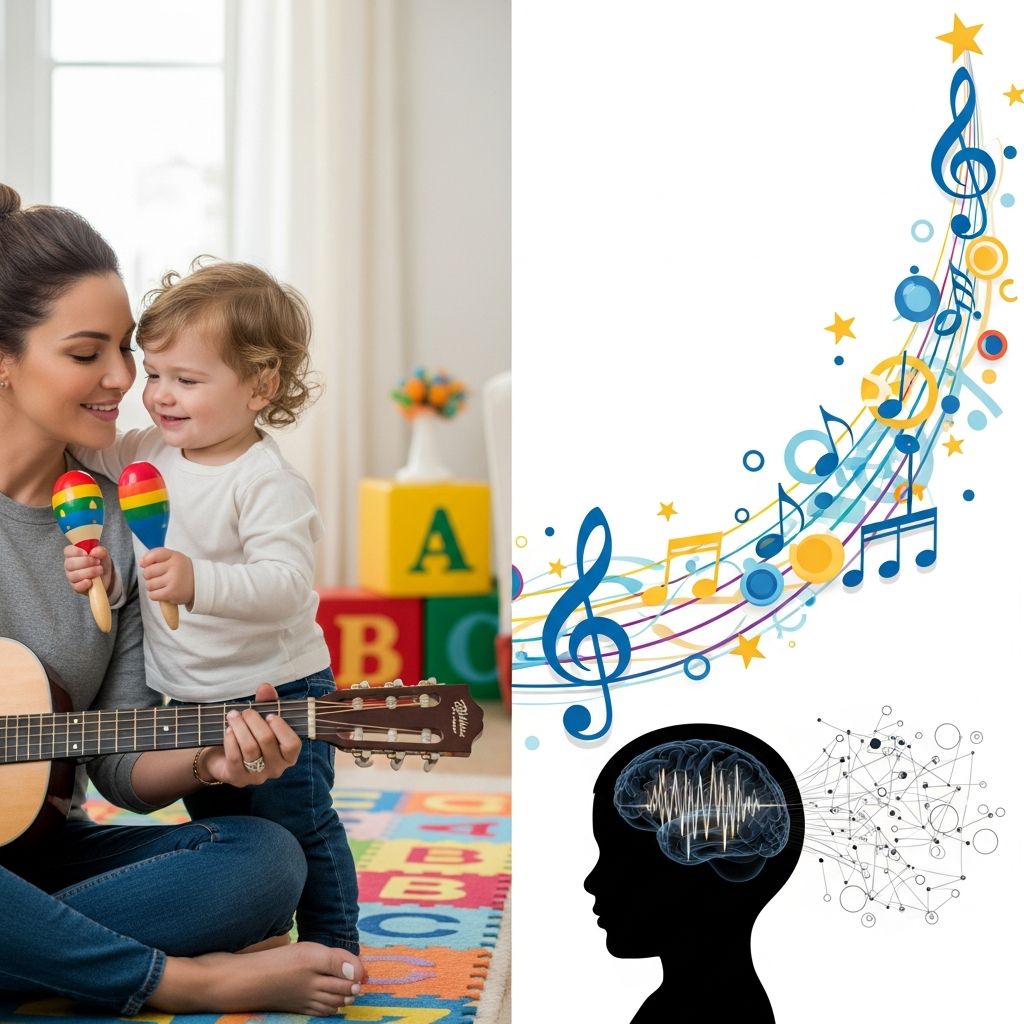
Toddlers between ages 1 and 3 experience rapid brain development, making music an ideal tool for cognitive growth. Singing the alphabet song, for instance, reinforces letter recognition and phonetic awareness, key precursors to reading. Research from child development experts shows that repetitive songs build neural pathways associated with memory and sequencing.
Consider a busy actress mom capturing her two-year-old confidently belting out ‘Now I know my ABCs, next time won’t you sing with me.’ This isn’t just cute—it’s a testament to how parental involvement turns play into progress. Such moments remind us that even in high-profile households, the basics of nurturing curiosity remain universal.
Why Piano Play Pairs Perfectly with Parenting
Playing the piano while a child sings offers multisensory stimulation. The parent’s keys provide rhythm, while the child’s voice adds melody, creating a duet that strengthens emotional bonds. This interactive approach enhances fine motor skills in little ones as they mimic sounds and gestures.
- Rhythm Recognition: Steady beats help toddlers internalize patterns, aiding language acquisition.
- Emotional Connection: Shared singing releases oxytocin, fostering secure attachments.
- Confidence Building: Performing for family boosts self-esteem from an early age.
High-profile examples amplify these benefits, showing that celebrities prioritize quality time amid demanding schedules. A quick video of piano accompaniment during vacation highlights how music fits seamlessly into travel and downtime.
Family Dynamics: Grandmas, Partners, and Musical Support
Extended family involvement adds layers to these musical experiences. Grandmothers offering praise, like heartfelt comments overflowing with love, reinforce positive reinforcement. Partners holding toddlers steady during song sessions ensure safety and participation, turning duets into family affairs.
In blended families, these rituals bridge generations. A dad’s arms provide stability as a tot sings birthday tunes or alphabets, blending celebration with learning. Such support systems underscore that music is a communal activity, not a solo endeavor.
Developmental Science Behind Sing-Alongs
Pediatric guidelines emphasize music’s role in holistic development. The American Academy of Pediatrics notes that musical exposure before age 5 improves auditory processing and vocabulary by up to 20%. Songs like the ABCs introduce phonemes—basic sound units—preparing children for literacy.
| Age Range | Musical Activity | Key Benefits |
|---|---|---|
| 1-2 Years | Simple nursery rhymes | Language exposure, bonding |
| 2-3 Years | Alphabet songs with instruments | Memory, motor skills |
| 3+ Years | Group sing-alongs | Social skills, rhythm mastery |
These activities align with milestones where children transition from babbling to structured speech. Parents mimicking professional musicians at home demystify talent, proving anyone can lead the orchestra.
Inspiring Everyday Parents: Replicate the Celebrity Magic
You don’t need a Hollywood spotlight to recreate these moments. Start with free resources: download alphabet tracks or use household items as percussion. Dedicate 10 minutes daily to piano apps or keyboard play if a real instrument isn’t handy.
- Choose age-appropriate songs with clear lyrics.
- Accompany with claps, hums, or simple melodies.
- Record sessions to track progress and share joy.
- Involve siblings or grandparents for ensemble fun.
Vacations become teachable too—poolside or beachside sing-alongs maintain momentum. Consistency trumps perfection; a slightly off-key duet still sparks smiles and smarts.
Beyond ABCs: Expanding Musical Horizons
Once alphabets are mastered, progress to numbers, colors, or shapes via tunes. World Music Day celebrations, for example, introduce global rhythms, broadening cultural awareness. A mom kissing her singer post-performance seals the lesson with affection.
Birthdays add festive flair—imagine a two-year-old’s birthday serenade kicking off celebrations despite early mornings. These adaptable rituals fit any occasion, from holidays to homework breaks.
Challenges and Tips for Busy Families
Time constraints challenge even celebrities. Early call times or travel don’t halt progress; short, spontaneous sessions suffice. Tips include:
- Play audio loops during commutes.
- Use voice memos for on-the-go practice.
- Pair songs with routines like bedtime or meals.
Overstimulation risks exist, so balance with quiet play. Monitor engagement—if a child disengages, switch tunes to match moods.
Frequently Asked Questions (FAQs)
Can music really accelerate learning in toddlers?
Yes, studies confirm music enhances memory and language skills, with repetitive songs like ABCs proven effective for early literacy.
How often should parents sing with young children?
Daily 10-15 minute sessions yield optimal results without overwhelming schedules.
What if my child is shy about singing?
Start privately, praise efforts, and gradually include family to build comfort.
Are piano lessons necessary for these activities?
No—basic keyboard play or apps work; focus on fun over technique.
How does family involvement impact musical development?
Group participation strengthens social bonds and motivation, accelerating skill acquisition.
Long-Term Impacts: From Songs to Success
Early musical exposure correlates with better academic outcomes. Longitudinal data reveals musically trained kids excel in math and reading by elementary school. Celebrity anecdotes humanize this science, proving joyful origins lead to profound effects.
Imagine a tot’s confident ABC recital evolving into school performances or hobbies. These foundations equip children for lifelong learning, creativity, and resilience.
Parental modeling matters most. When stars prioritize piano duets over scripts, they model balance. Fans, in turn, adopt similar habits, rippling benefits across communities.
Cultural Celebrations Through Song
Events like World Music Day elevate family tunes to global stages. Duos harmonizing alphabets embody unity, inviting worldwide applause. Such shares transcend entertainment, promoting music’s universal language.
Grandma’s loving responses amplify reach, turning personal victories into communal inspirations. Love, as expressed wordlessly, underscores music’s emotional core.
In summary—though not a conclusion—these vignettes reveal music’s transformative power. From Greek getaways to home hearths, songs stitch families, fueling futures one note at a time.
References
- Kate Hudson’s Daughter Rani Rose Sings Her ABC’s — Access Hollywood via YouTube. 2021. https://www.youtube.com/watch?v=exlzaYvfmaY
- Kate Hudson’s daughter singing her ABC’s with conviction — Motherly. 2021. https://www.mother.ly/life/kate-hudson-daughter-sings-abcs/
- Kate Hudson shares video of 2-year-old daughter singing her ‘Happy Birthday’ — Good Morning America. 2023. https://www.goodmorningamerica.com/culture/story/kate-hudson-shares-video-year-daughter-singing-happy-77172473
- Kate Hudson’s Daughter Rani Rose, 2, Sings ABC Song under Mom’s Piano Accompaniment — AmoMama. 2021. https://news.amomama.com/266468-kate-hudsons-daughter-rani-rose-2-sings.html
- Kate Hudson and daughter celebrate World Music Day — Republic World. 2021. https://www.republicworld.com/entertainment/hollywood/kate-hudson-and-daughter-celebrate-world-music-day-as-the-duo-sing-abcs-watch