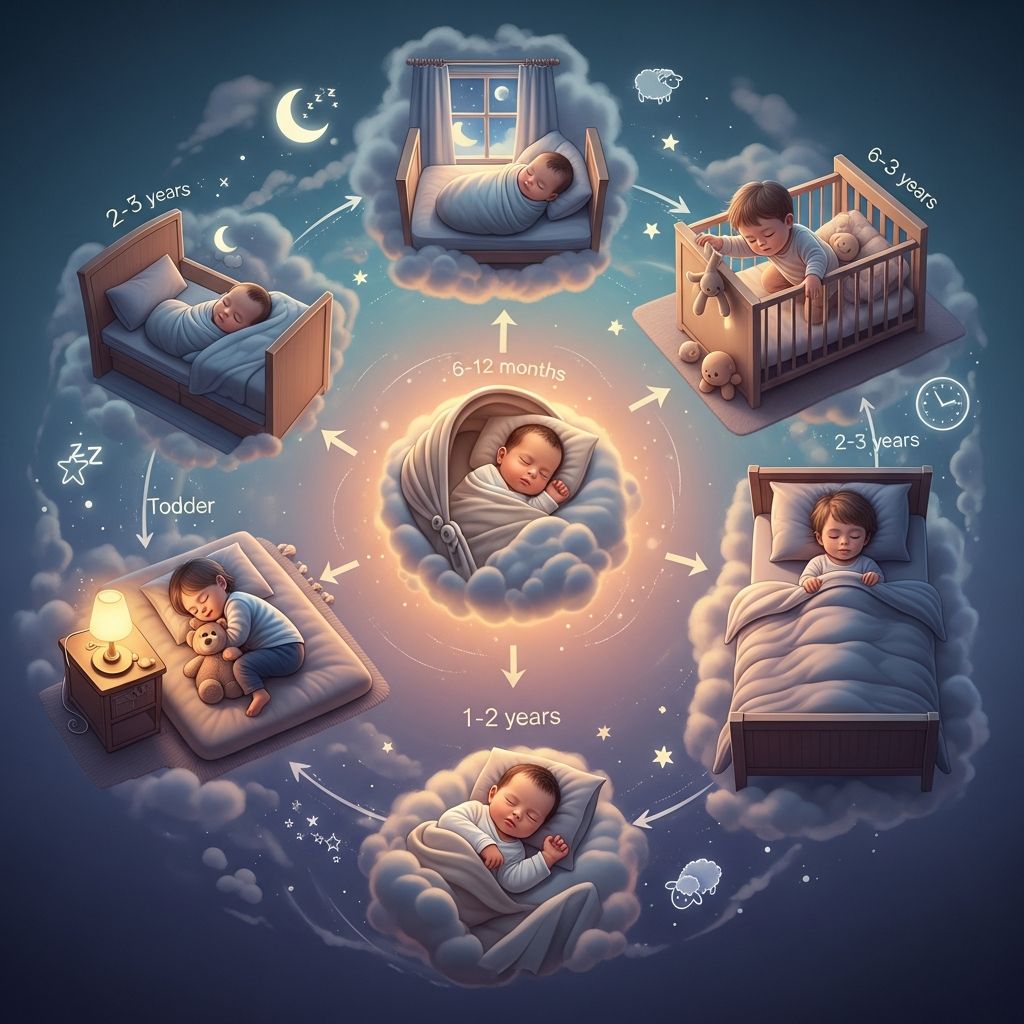
Gentle sounds and rhythmic songs have long been cherished tools for calming infants and easing them into slumber. Scientific studies confirm that exposing babies to carefully selected music not only promotes faster sleep onset but also supports vital physiological responses like stabilized oxygen levels and reduced stress.
Why Sound Waves Lull Infants into Rest
From the moment of birth, babies respond profoundly to auditory stimuli reminiscent of their prenatal world. In the womb, fetuses hear muffled heartbeats, maternal voices, and ambient rhythms, creating a foundation for comfort in melodic patterns post-birth. Research demonstrates that lullabies trigger relaxation by mimicking these familiar cadences, lowering heart rates and promoting endorphin release.
A key mechanism involves the parasympathetic nervous system activation, which counters fight-or-flight responses common in overstimulation. For preterm infants in neonatal intensive care units (NICUs), patterned sounds like Brahms’ Lullaby have shown significant improvements in oxygen saturation within minutes of exposure, rising notably 15 to 45 minutes post-intervention compared to silence.
These effects extend beyond preemies to full-term newborns. Singing activates oxytocin release during close-contact moments, fostering a sense of security that signals safety to the infant’s developing brain. Behavioral sleep experts note that such tunes reinforce positive sleep associations when integrated into routines, reducing crying and enhancing maternal-infant bonding.
Scientific Evidence Backing Musical Bedtime Rituals
Peer-reviewed investigations provide robust data on music’s efficacy. One randomized trial with preterm neonates compared recorded maternal lullabies and classical pieces against ambient noise, revealing sustained oxygen boosts without adverse effects like apnea. Participants showed no sensitivity reactions, underscoring music’s safety as a non-pharmacological aid.
Another analysis from Yale University highlights mood elevation in infants via caregiver singing, linking it to cross-cultural instinctive behaviors that evolved for emotional regulation. Metrics included decreased distress signals and heightened engagement, correlating with familial well-being improvements.
Studies on broader child cohorts, including hospital patients, report pain reduction and superior sleep quality with bedtime melodies over reading or quiet. Relaxing classical tracks diminished insomnia markers, with brain activity persisting in light sleep phases to absorb patterns, aiding cognitive growth.
| Study Focus | Key Finding | Population | Source |
|---|---|---|---|
| Oxygen Saturation | Significant increase post-lullaby (P=0.02) | Preterm infants | |
| Mood & Bonding | Crying reduced; oxytocin boosted | Infants 0-12 months | |
| Sleep Quality | Improved vs. silence/reading | Hospitalized children | |
| Physiological Calm | Lower heart rate, dilated pupils | Newborns |
Choosing the Perfect Tunes for Tiny Ears
Not all music suits slumber induction equally. Opt for slow tempos (60-80 beats per minute) mirroring resting heart rates, soft volumes below 50 decibels, and simple melodies without abrupt changes. Categories include:
- Classical Lullabies: Brahms’ compositions stabilize vitals effectively.
- Maternal Recordings: Personalized voices enhance familiarity and oxygen response.
- Nature-Inspired Sounds: Gentle waves or heartbeats paired with song for womb-like calm.
- Original Compositions: Repetitive rhymes build language skills alongside relaxation.
Avoid upbeat pop or erratic rhythms, which may overstimulate. Test volumes at arm’s length from the crib to ensure safety, per pediatric acoustic guidelines.
Practical Strategies to Integrate Music into Bedtime
Consistency transforms music into a potent sleep cue. Begin 20-30 minutes pre-bedtime during dimming lights and feeding wind-downs. Methods include:
- Singing live while rocking to vibrate the chest, amplifying soothing vibrations.
- Playing via soft speakers or white noise machines with timer functions.
- Creating playlists of 15-45 minute loops, matching intervention durations from studies.
- Combining with swaddling or gentle massage for multisensory calm.
For fussy periods, use as a ‘reward’ for quiet moments, conditioning positive associations as per recent trials. Track responses in a sleep diary to refine selections.
Special Considerations for Newborns and Toddlers
Preterm or NICU babies benefit most from brief, daily sessions (20 minutes), yielding weight gain and distress reduction. Full-term infants under 6 months thrive on vocalizations aiding language acquisition through rhythmic vocabulary exposure.
As toddlers emerge (12-24 months), interactive singing boosts problem-solving and emotional literacy via pattern recognition. Monitor for overstimulation signs like yawning aversion; adjust accordingly.
Safety first: Position devices away from bedding to prevent cord hazards, and consult pediatricians for medically fragile infants.
Long-Term Gains from Early Musical Exposure
Beyond immediate rest, habitual lullabies sculpt neural pathways. Infants exhibit advanced literacy, coordination, and pleasure responses from melody immersion. Familial sharing instills belonging, per early education standards.
Parental benefits include lowered stress from predictable routines and strengthened bonds, creating virtuous cycles of better family sleep hygiene.
Frequently Asked Questions
What age is best to start music for sleep?
From birth; even preemies respond positively without risks.
Should I sing or play recordings?
Both work—live singing adds oxytocin and vibration benefits.
How long should sessions last?
15-45 minutes aligns with peak physiological effects.
Can music help colicky babies?
Yes, by distracting and relaxing, reducing cry duration.
Is classical music superior?
It excels for vitals, but personal lullabies match closely.
Building Your Baby’s Soundtrack for Serenity
Embrace music as a cornerstone of nurturing rest. Experiment thoughtfully, drawing from evidence to tailor a symphony of sleep success. With patience, these melodies foster not just drowsy eyes but thriving development.
References
- The Effect of Recorded Mum’s Lullaby and Brahm’s Lullaby on Oxygen Saturation in Preterm Infants — NIH/PMC. 2016-03-01. https://pmc.ncbi.nlm.nih.gov/articles/PMC4794548/
- The Fascinating History and Science of Why Lullabies Work — Hatch. 2023-01-01. https://www.hatch.co/blog/science-of-lullabies
- Singing to Babies Improves Their Moods — Yale School of Medicine. 2021-05-28. https://medicine.yale.edu/news-article/singing-to-babies-improves-their-moods/
- The Benefits of Playing Music to Children at Bedtime — The Tabernacle Choir. 2023-01-01. https://www.thetabernaclechoir.org/articles/benefits-of-playing-music-to-children-at-bedtime.html?lang=eng
- What Are the Benefits of Singing Lullabies to Babies? — WebMD. 2023-01-01. https://www.webmd.com/parenting/what-to-know-lullabies