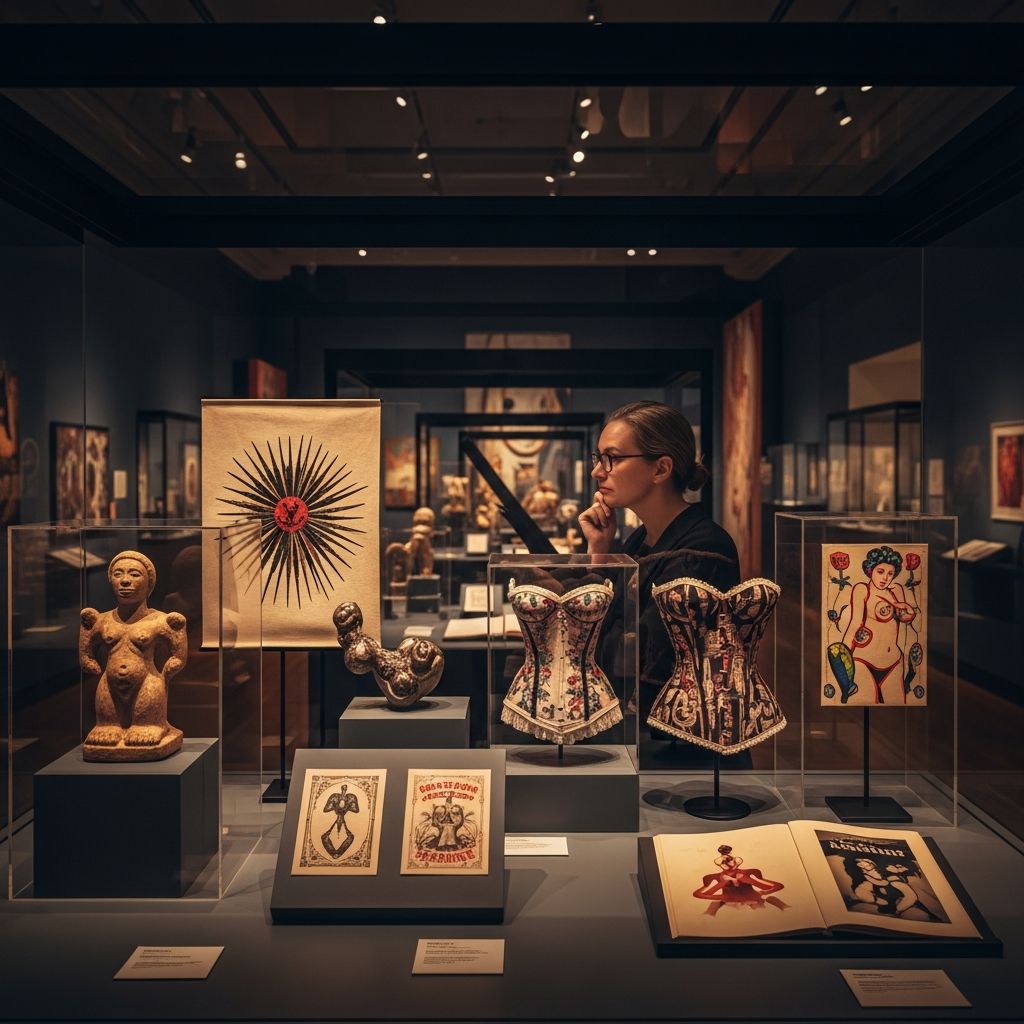
The Role of Cultural Institutions in Sexual Education
Museums serve as vital repositories of human history and culture, yet few institutions tackle subjects as complex and culturally sensitive as sexuality. The intersection of academic rigor, public accessibility, and educational mission creates unique challenges for curators working in this space. Contemporary museums dedicated to exploring sexual themes have emerged as important cultural landmarks, providing spaces where uncomfortable conversations become normalized and where historical artifacts tell stories often relegated to the margins of mainstream discourse.
Curation in this specialized field requires more than conventional expertise. It demands a particular combination of scholarly knowledge, cultural sensitivity, and an ability to translate complex anthropological concepts into engaging public exhibitions. The professionals who undertake this work serve as interpreters between academic disciplines and general audiences, transforming potentially provocative material into meaningful learning experiences.
Academic Foundations in Anthropological Study
The scholarly approach to understanding human sexuality provides essential grounding for museum professionals entering this field. Anthropology, as a discipline, offers frameworks for understanding sexuality across cultures, historical periods, and social contexts. Individuals with advanced training in anthropology—particularly with specializations in gender studies and cultural dynamics—bring empirical methods and theoretical depth to curatorial decisions.
A Master’s degree in Anthropology with focus areas in gender and sexuality prepares professionals to contextualize artifacts and exhibitions within broader cultural narratives. This academic background enables curators to distinguish between historical significance, cultural importance, and sensationalism. Through this lens, objects become educational tools rather than mere curiosities, each piece carrying narratives about human experience, social structures, and evolving attitudes.
The translation of academic knowledge into public-facing exhibitions represents a critical skill. Curators must distill research from specialized literature, peer-reviewed studies, and historical archives into formats that engage diverse audiences—from academic scholars seeking specialized knowledge to general visitors exploring unfamiliar territory. This intermediary role requires both intellectual honesty and communicative clarity.
Building Institutional Collections and Research Infrastructure
Establishing comprehensive museum collections focused on sexual culture requires systematic approaches to acquisition, preservation, and cataloging. Major institutions in this space maintain collections exceeding 15,000 artifacts, representing centuries of human cultural production. These collections encompass diverse materials including historical documents, artistic works, personal correspondence, commercial products, and contemporary creations.
Beyond physical artifacts, institutions develop robust research libraries and media archives that support both curatorial work and public inquiry. These resources provide foundation for exhibitions, educational programming, and scholarly research. The infrastructure supporting such collections demands specialized knowledge in conservation, archival management, and digital preservation.
Collectors of specialized sexual memorabilia often contribute significantly to institutional collections. Understanding collector motivations, negotiating acquisitions, and contextualizing private collections within broader historical narratives represent important aspects of curatorial responsibility. The relationship between individual collectors and institutions creates networks of expertise and resources that enhance public understanding.
Exhibition Development and Thematic Exploration
Curators working with sexual culture topics develop exhibitions addressing numerous interconnected themes. Rather than treating sexuality monolithically, thoughtful exhibitions explore specific historical moments, cultural practices, artistic traditions, and contemporary debates. This thematic approach allows visitors to engage with complexity while maintaining intellectual and emotional accessibility.
Exhibition topics might include historical perspectives on relationships and marriage, explorations of gender expression and identity, documentation of marginalized communities and their cultural production, analysis of commercial sex industries, artistic representations across media, and contemporary conversations about consent and sexuality. Each exhibition requires extensive research, careful artifact selection, and contextual interpretation.
The physical design of exhibitions serves educational purposes. Strategic arrangement, interpretive text, visual presentation, and interactive elements work together to create learning environments. Museums must balance presentation approaches that engage without exploiting, educate without preaching, and provoke thoughtful reflection rather than mere shock value.
Navigating Public Perception and Museum Advocacy
Institutions dedicated to sexual culture education often serve as public spokespeople for their subject matter. Museum leadership regularly addresses media inquiries, participates in public discussions, and advocates for the importance of sexual literacy in broader culture. This advocacy role extends beyond institutional promotion to encompass defense of curatorial decisions and articulation of educational value.
The mission of such institutions typically centers on expanding public horizons while dispelling myths and misconceptions. Curators often report that visitors arrive with preconceived notions about both museum content and sexuality generally. Exhibitions provide opportunities to challenge assumptions, present historical evidence, and facilitate more nuanced understanding.
Professional curators in this field frequently note the privilege of discussing sensitive subjects candidly in a society where sexual topics generate discomfort for many. Museums create sanctioned spaces where questions emerge, where awkwardness transforms into curiosity, and where educational conversations occur without judgment. This environmental permission enables visitors to engage more authentically with material and ideas.
Career Trajectories and Professional Development
Individuals entering museum curation related to sexual culture typically begin with research roles, often immediately after completing relevant academic training. Early responsibilities frequently involve foundational work like archival organization, collection assessment, and preliminary research. These positions provide essential grounding in institutional operations and collection management.
Career progression in curatorial positions moves from assistant roles toward independent exhibition design and oversight. As professionals gain experience, they assume greater responsibility for exhibition conception, artifact selection, interpretive frameworks, and public engagement. Senior curators may oversee multiple simultaneous projects, manage teams, and represent institutions publicly.
Long careers in this field reflect sustained engagement with evolving scholarship, changing cultural contexts, and emerging methodologies. Professionals who dedicate over a decade to institutional curation develop deep knowledge of collection strengths, exhibition potential, and visitor engagement patterns. This accumulated expertise becomes invaluable for institutional leadership and strategic planning.
Curatorial Decision-Making and Artifact Selection
Selecting artifacts for exhibition involves multiple considerations beyond simple historical or artistic merit. Curators evaluate objects for their capacity to illustrate specific themes, their historical authenticity, their physical condition and preservation requirements, and their potential to generate meaningful visitor engagement. Rare and distinctive pieces often anchor exhibitions, providing focal points around which complementary materials organize.
Exceptional artifacts tell particularly compelling stories. A Braille edition of adult publications illustrates accessibility and inclusion within sexual culture. Garments constructed from unconventional materials—such as thousand-piece condom dresses or specialized performance wear—demonstrate creativity and cultural expression within sexual contexts. Such distinctive pieces generate visitor interest while supporting broader educational narratives.
Personal engagement with artifacts represents an interesting dimension of curatorial work. Trying on historical garments or handling specific objects provides curators with experiential understanding that informs interpretation and presentation. This hands-on engagement connects professional knowledge with embodied experience, enriching the stories curators tell about objects.
Discourse Development and Cultural Contribution
Museums dedicated to sexual culture aim toward broader cultural impacts extending beyond individual visitor experiences. By mounting thoughtful exhibitions and facilitating conversations, institutions contribute to expanded public discourse about sexuality. This contribution occurs through direct visitor engagement, media coverage of exhibitions, educational programming, and professional dialogue with other cultural institutions.
The act of institutional legitimation—placing sexual culture topics within respected museum contexts—carries significance beyond entertainment or curiosity. Museums operate as cultural authorities in most societies, and their curatorial choices send messages about what subjects merit serious consideration. Dedicating institutional resources to sexual culture education implicitly argues for its cultural importance and educational value.
Contemporary exhibitions increasingly reflect diverse perspectives, including historically marginalized voices and contemporary artistic responses to sexual topics. This inclusive approach demonstrates that sexual culture encompasses far more than commercial industries or heteronormative relationships; it encompasses human identity, artistic expression, historical experience, and ongoing cultural negotiation.
Professional Challenges and Personal Impact
Professionals working extensively with sexual culture topics navigate unique social dynamics. The intimate association between professional identity and subject matter can create interesting tensions in personal contexts, particularly in social situations or dating scenarios. Colleagues describe the distinctive experience of having one’s professional expertise become conversation topic or joke fodder among acquaintances.
The emotional and psychological demands of sustained engagement with potentially disturbing historical material warrant recognition. Curators examine artifacts and documents reflecting exploitation, violence, and human suffering. Processing this material while maintaining professional objectivity requires emotional resilience and often benefits from institutional support and peer community.
Despite challenges, professionals in this field consistently describe their work as meaningful and energizing. The opportunity to contribute to cultural understanding, to challenge stigma, and to present historical complexity creates professional satisfaction. The growing recognition of sexual culture as legitimate academic and curatorial subject matter reflects broader cultural shifts toward more open discussion of sexuality.
The Curatorial Vision and Institutional Future
The trajectory of museums focused on sexual culture demonstrates growing institutional confidence in their educational mission. Early exhibitions often emphasized historical distance or academic framing as protective strategies against criticism. Contemporary institutions increasingly present material directly, trusting audiences to engage maturely with complex content.
Future directions for such institutions likely include expanded digital programming, increased community partnerships, and deepened engagement with contemporary sexual culture questions. As society continues evolving in its relationship to sexual topics, museums position themselves as spaces where thoughtful conversation occurs and where historical and cultural perspective informs contemporary understanding.
The professionals who dedicate their careers to this work become essential cultural interpreters, transforming discomfort into curiosity and taboo into teachable material. Their contributions extend far beyond individual exhibitions, influencing how society collectively thinks about human sexuality across historical periods and cultural contexts.
Frequently Asked Questions
Q: What qualifications do museum curators need for this specialized field?
A: Advanced degrees in Anthropology, History, Art History, or related fields with specialization in gender and sexuality studies provide strong preparation. Practical experience in museum work, research skills, and public communication abilities are essential.
Q: How do museums decide which artifacts to acquire for their collections?
A: Acquisition decisions involve evaluating historical significance, educational potential, physical condition, connection to existing collections, and alignment with institutional mission. Museums may receive donations, purchase pieces, or arrange long-term loans.
Q: What makes exhibitions about sexual culture different from typical museum presentations?
A: These exhibitions require careful attention to contextual interpretation, balancing educational content with visitor comfort, and presenting material that society often treats as taboo in respectful, scholarly ways.
Q: How do museums address potential controversy around sexual culture exhibitions?
A: Professional institutions establish clear educational missions, provide contextual interpretation, engage with community stakeholders, and position material within historical and cultural frameworks that emphasize learning over sensationalism.
Q: Can visiting these exhibitions contribute to personal education about sexuality?
A: Yes, museums provide accessible introduction to historical perspectives, cultural variations, and scholarly approaches to understanding human sexuality and gender expression.
References
- An Interview with Sarah Forbes, the Curator of Sex — LELO. https://www.lelo.com/blog/an-interview-with-sarah-forbes-curator-of-sex
- New Yorker Spotlight: Curator Sarah Forbes on the Museum of Sex — 6sqft. https://www.6sqft.com/new-yorker-spotlight-curator-sarah-forbes-on-the-museum-of-sex-its-not-exactly-what-you-think-it-is
- Interview with Sarah Forbes, the Curator of Sex — Luna Luna Magazine. http://www.lunalunamagazine.com/blog/sarah-forbes
- Museum of Sex Curator Sarah Forbes Dishes on the Exhibitions Sexiest Artifacts — Observer. 2016-04. https://observer.com/2016/04/museum-of-sex-curator-sarah-forbes-dishes-on-the-exhibitions-sexiest-artifacts
- The Interview: Sarah Forbes Curator, Author, Sexual Culturalist — Sable Beauty. https://www.sablebeauty.com/pages/the-interview
- Curator Greg Pierce On How the Museum of Sex’s Warhol Show Came to Be — Observer. 2024-10. https://observer.com/2024/10/interview-curator-greg-pierce-warhol-museum-of-sex-exhibition