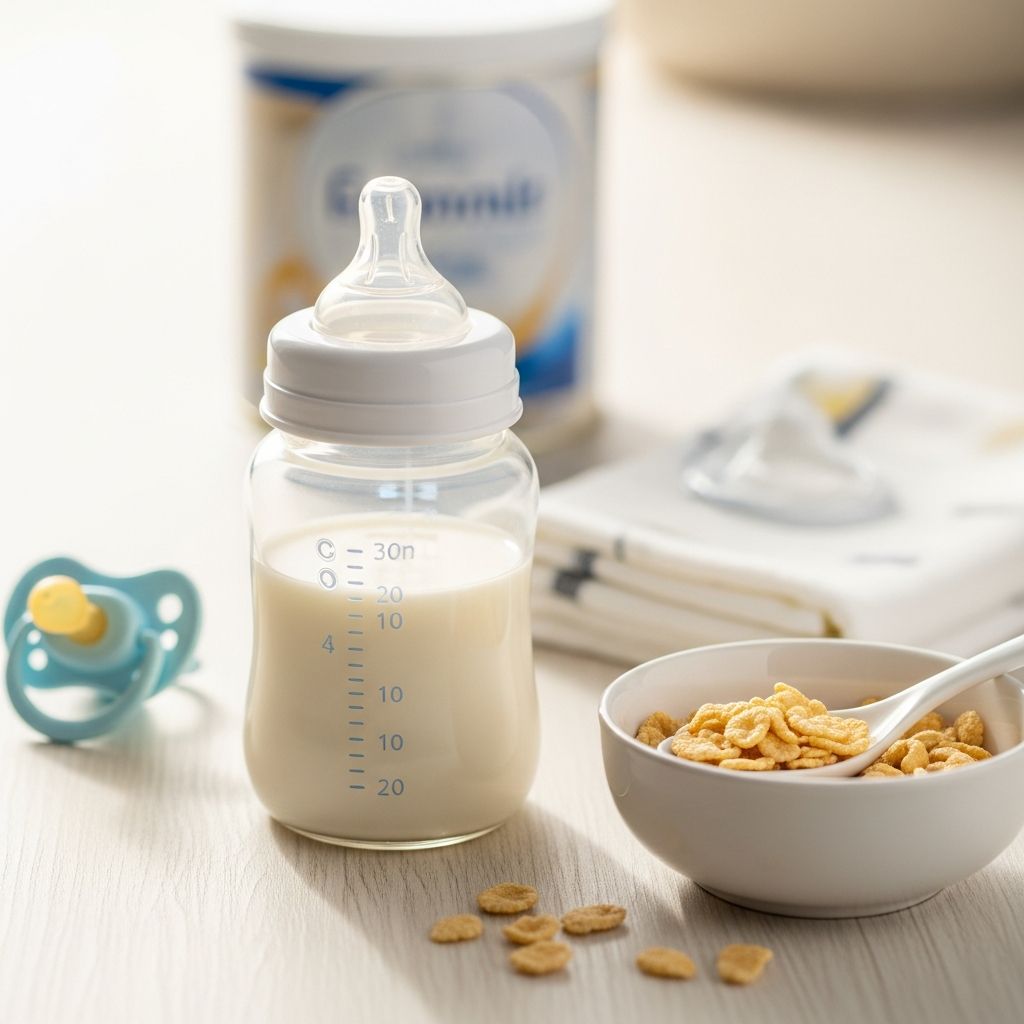
Understanding Your Newborn’s Nutritional Needs
One of the most critical responsibilities for new parents is ensuring their infant receives adequate nutrition to support healthy growth and development. During the first year of life, milk—whether breast milk or formula—serves as the sole source of nutrition for babies, providing essential proteins, fats, carbohydrates, vitamins, and minerals needed for rapid physical and cognitive development. Understanding how much milk your newborn should consume is fundamental to establishing healthy feeding patterns and monitoring your baby’s growth trajectory.
The amount of milk a newborn requires varies significantly based on age, weight, and individual appetite. Rather than following a rigid schedule, modern pediatric recommendations emphasize responsive feeding, which means watching for your baby’s hunger and fullness cues to guide feeding decisions. This approach respects your infant’s natural appetite regulation and promotes a healthier relationship with food from infancy.
Establishing Your Feeding Foundation: The First Month
During the initial weeks after birth, newborns have tiny stomachs and feed frequently throughout the day and night. In the first month of life, most formula-fed newborns consume approximately 2 to 3 ounces every 2 to 3 hours, which typically translates to 8 to 10 feedings per day. Breastfed infants may feed somewhat more frequently, with 8 to 12 feedings in a 24-hour period, as breast milk digests more quickly than formula.
It’s important to note that these are average amounts, and individual babies may require slightly more or less based on their birth weight and metabolic needs. Your pediatrician can provide personalized guidance based on your baby’s specific growth pattern. Some newborns are more efficient feeders and require slightly less per feeding, while others may need slightly more.
Progressive Growth: Formula Intake From One to Six Months
As your baby grows, so does their stomach capacity and their ability to consume larger volumes at each feeding. This natural progression allows for gradual increases in the amount of formula offered while simultaneously reducing the frequency of feedings.
One to Two Months
Between one and two months of age, infants typically consume 2 to 4 ounces per feeding, feeding 7 to 10 times daily. By the second month specifically, babies may take approximately 4 to 5 ounces every 3 to 4 hours. This represents a noticeable increase from newborn consumption, reflecting the baby’s expanding stomach and increasing nutritional demands.
Three Months Old
At three months, most formula-fed infants consume 4 to 5 ounces per feeding, spaced approximately 4 to 5 hours apart, resulting in 6 to 8 daily feedings. At this stage, your baby begins to show more predictable feeding patterns, and you may notice longer stretches between feedings, particularly as nighttime sleep duration increases.
Four Months of Age
Four-month-old babies typically drink 4 to 6 ounces at each feeding, with feedings occurring roughly every 4 to 6 hours. By this point, many babies have naturally extended the intervals between feedings to approximately 3 to 4 hours during the day, though some variation is completely normal.
Five to Six Months
As your baby approaches the six-month milestone, formula consumption typically reaches 5 to 8 ounces per feeding, with 5 to 6 daily feedings. Some babies in this age range may consume as much as 6 to 8 ounces per feeding, approximately 4 to 5 times per day. This is an important period as many families begin introducing complementary foods alongside continued formula or breast milk feeding.
Daily Milk Intake Guidelines
A helpful metric for assessing whether your baby is receiving adequate nutrition is total daily milk consumption. The American Academy of Pediatrics recommends that most infants consume 24 to 32 ounces of breast milk or formula daily during their first year of life. However, this range represents a general guideline, and individual babies’ needs may fall slightly above or below this target based on their growth rate and metabolism.
Important Upper Limit: The maximum daily formula intake recommended by pediatricians is 32 ounces (approximately 1 liter) per day. Exceeding this amount may lead to overfeeding, which can result in vomiting, diarrhea, or excessive weight gain. If your baby consistently needs more than 32 ounces daily, consult your pediatrician about introducing appropriate solid foods.
Responsive Feeding: Reading Your Baby’s Hunger and Fullness Cues
Rather than adhering to strict schedules, pediatricians now recommend responsive feeding based on your individual baby’s needs. This approach involves watching for physical and behavioral signs that your baby is hungry or satisfied.
Signs Your Baby Is Hungry
- Putting hands to mouth or rooting (turning head when you touch their cheek)
- Increased alertness and activity level
- Fussiness or crying (typically a late hunger sign)
- Sucking on fingers, pacifier, or clothing
Signs Your Baby Is Full
- Slowing of sucking pace or reduced enthusiasm
- Pulling away from the bottle or breast
- Closing mouth or turning head away
- Relaxed body posture and drowsiness
Allowing your baby to control feeding amounts helps establish healthy appetite regulation and reduces the risk of overfeeding. If your baby demonstrates disinterest at several consecutive feedings, you may consider extending the time between feedings slightly rather than forcing additional intake.
Special Considerations: Water and Other Liquids
Parents often wonder whether babies need water in addition to breast milk or formula. Current pediatric guidance is clear on this matter: babies under 6 months of age should not be given any extra water, as regular infant formula is approximately 85% water and provides adequate hydration. Additionally, giving water to very young infants can be harmful, potentially causing water intoxication.
For infants between 6 and 12 months of age, small amounts of plain water may be introduced, particularly after starting solid foods or during very hot weather. However, water intake should be limited to no more than 4 ounces (120 milliliters) daily under normal conditions, or up to 8 ounces (240 milliliters) on particularly hot days.
It’s equally important to note that before 12 months of age, the only appropriate beverages are breast milk, infant formula, and—after 6 months—small amounts of plain water. Cow’s milk, fruit juice, and other liquids are not recommended during this critical first year of development.
Transitioning from Formula: When to Introduce Other Foods
Around the six-month mark, many families begin introducing complementary foods alongside continued milk feeding. This typically starts with iron-fortified infant cereal, gradually progressing to pureed vegetables, fruits, and other appropriate foods. However, milk remains the primary source of nutrition throughout the first year, with solid foods serving primarily for developmental exposure and sensory experience rather than substantial caloric contribution.
The introduction of solid foods does not mean reducing milk intake abruptly. Instead, milk feeding continues at similar volumes while small amounts of complementary foods are gradually added. Your pediatrician can guide the appropriate pace and types of foods for your individual infant.
Monitoring Growth and Development
The most reliable indicator that your baby is receiving adequate nutrition is consistent growth and development. Pediatricians track growth through regular weight checks, length measurements, and head circumference assessments at well-baby visits. Your healthcare provider will plot these measurements on standardized growth charts to ensure your baby is progressing appropriately for their age and genetic background.
Beyond growth metrics, you can monitor your baby’s milk intake adequacy through other signs, including adequate wet diapers, regular bowel movements, alertness, and active behavior. Newborns typically have at least 6 to 8 wet diapers daily and produce regular stools, indicating they are consuming sufficient milk.
Important Safety Practices in Bottle Feeding
While understanding milk quantities is essential, equally important are proper feeding practices to ensure your baby’s safety and health.
- Discard Unused Formula: Any formula remaining in the bottle after a feeding should be discarded immediately. This leftover formula may contain harmful bacteria that can multiply rapidly and cause illness. Never reuse formula from a previous feeding.
- Proper Storage: Follow manufacturer instructions for preparing and storing infant formula to maintain its safety and nutritional integrity.
- Bottle Hygiene: Wash bottles, nipples, and caps in hot, soapy water or use a dishwasher before each use.
- Temperature Considerations: Feed formula at room temperature or slightly warmed, according to your baby’s preference.
Frequently Asked Questions About Infant Milk Intake
Q: How do I know if my newborn is getting enough milk?
A: Adequate milk intake is indicated by consistent weight gain, 6 to 8 wet diapers daily, regular bowel movements, alertness, and active behavior. Your pediatrician monitors growth at regular checkups to confirm your baby is receiving sufficient nutrition.
Q: Should I wake my sleeping baby to feed them?
A: In the first few weeks, you may need to wake your baby for feedings to ensure adequate intake. However, once your baby establishes a healthy weight gain pattern, you can generally allow them to sleep and respond to hunger cues.
Q: Can I feed my baby cow’s milk before one year of age?
A: No. Cow’s milk should not be introduced before 12 months of age because it lacks certain nutrients and contains too much sodium and protein for developing kidneys. Additionally, cow’s milk increases the risk of iron deficiency anemia in infants.
Q: What’s the difference in feeding frequency between breastfed and formula-fed babies?
A: Formula-fed babies typically feed every 2 to 4 hours, with 6 to 10 feedings daily depending on age, while breastfed babies often feed more frequently (every 2 to 3 hours) because breast milk digests more quickly. However, individual variation is normal in both groups.
Q: Is it normal for my baby’s feeding amounts to vary throughout the day?
A: Yes, absolutely. Babies’ appetites naturally fluctuate throughout the day, and some feedings may involve larger or smaller volumes than others. This variation is normal and healthy, as long as your baby is gaining weight appropriately and showing signs of adequate intake.
Q: When can I introduce juice to my baby’s diet?
A: Juice is not recommended before 6 months of age. After six months, you may offer small amounts of 100% pasteurized fruit juice in a sippy cup, not a bottle. Daily juice intake should not exceed 4 ounces.
References
- Bottle-Feeding (Formula) Questions — Seattle Children’s Hospital. 2025. https://www.seattlechildrens.org/conditions/a-z/bottle-feeding-formula-questions/
- Formula Feeding FAQs: How Much and How Often — KidsHealth (Nemours Children’s Health). 2024. https://kidshealth.org/en/parents/formulafeed-often.html
- Baby Feeding Chart: A Simple Guide for New Parents — Norton Children’s. 2024. https://nortonchildrens.com/news/babyfeedingchart/
- The First 12 Months: What and When to Feed Your Baby — UC Davis Health. 2013. https://health.ucdavis.edu/media-resources/children/documents/general/First%2012%20Months_rev.pdf
- Nutrition Information for Infants — MyPlate (USDA). 2025. https://www.myplate.gov/life-stages/infants
- Feeding Your Baby in the First Year — Cleveland Clinic. 2024. https://my.clevelandclinic.org/health/articles/9693-feeding-your-baby-the-first-year
- Baby Feeding Chart & Schedule: From 0 to 12 Months — Bobbie. 2024. https://www.hibobbie.com/pages/feeding-guide