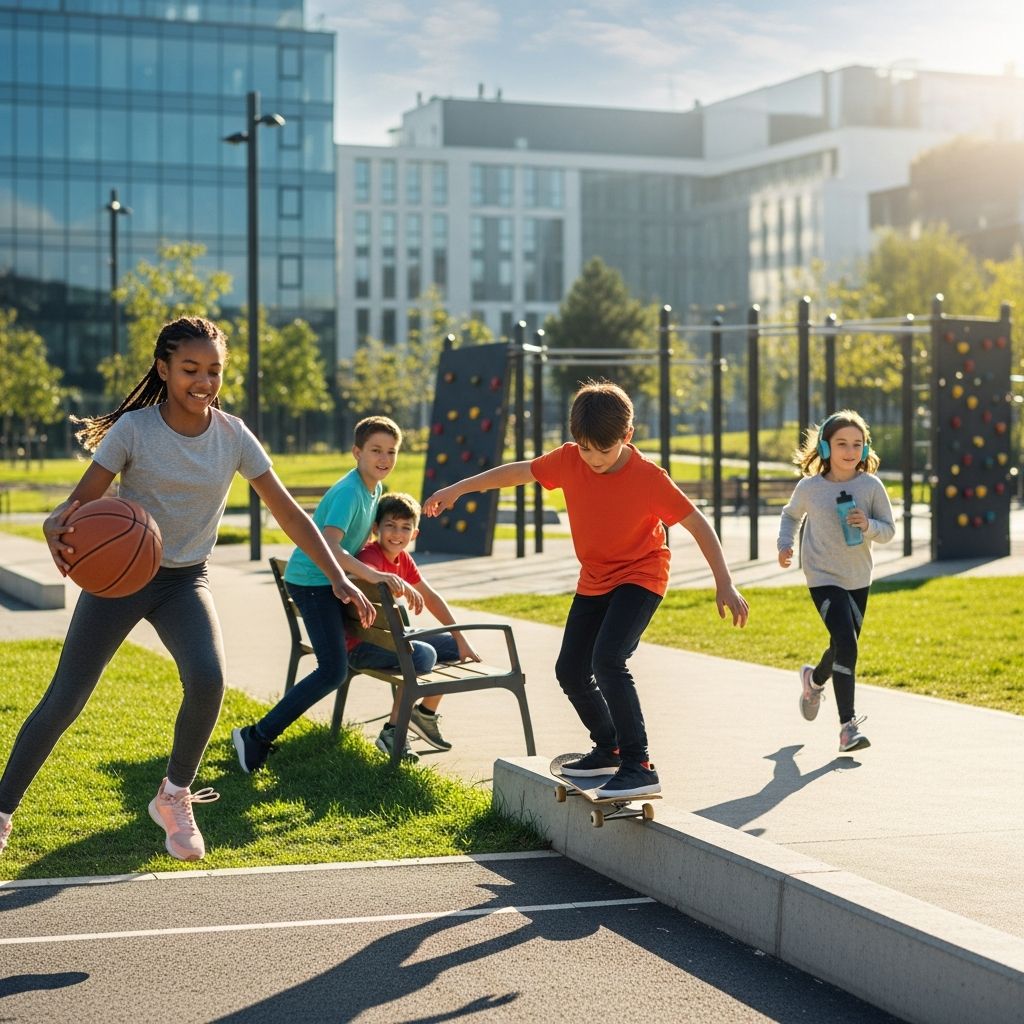
Age 12 is a turning point. Kids are bigger, busier, and often more attached to screens than playgrounds, yet their bodies and brains still rely on daily movement to grow, learn, and feel good. This guide helps parents understand what healthy activity looks like for a 12-year-old and how to make it part of everyday life in realistic, fun ways.
Why Movement Matters So Much at 12
At 12, kids are entering early adolescence, a stage when bones grow rapidly, muscles strengthen, and the brain is wiring new skills related to focus, memory, and emotional control. Regular movement acts like a natural booster for all these changes, supporting strong bodies and resilient minds.
Staying active can help manage weight, improve heart health, build strong bones, and support healthy sleep patterns. Just as importantly, physical activity gives preteens a powerful outlet for stress, social connection, and confidence at a time when schoolwork, friendships, and body image may start to feel more complicated.
- Movement helps growing bones become denser and stronger over time.
- Regular activity improves mood and can reduce feelings of stress or anxiety.
- Active kids tend to focus better in school and have more consistent energy.
How Much Activity Does a 12-Year-Old Need?
Experts in child health and fitness generally recommend that school-aged children and young teens aim for about an hour of moderate to vigorous physical activity most days of the week. That hour does not need to be done all at once; it can be broken into shorter chunks throughout the day.
Movement can include brisk walking, biking, active play, organized sports, or structured exercise. What matters most is that the total time adds up and that at least some of it challenges the heart, lungs, muscles, and bones on a regular basis.
Daily Activity Snapshot
| Activity Type | Goal for a Typical 12-Year-Old | Practical Examples |
|---|---|---|
| Aerobic (heart-pumping) | Most of the 60 minutes per day | Fast walking, biking, running games, swimming, dance |
| Muscle-strengthening | On several days each week | Climbing, body-weight exercises, gymnastics, some sports drills |
| Bone-strengthening | On several days each week | Jumping rope, hopping, running, certain court and field sports |
The goal is variety over the course of a week rather than perfection every day. Some days will be more active than others, and that is normal as long as the overall pattern leans toward consistent movement.
Types of Movement Preteens Need
Not all movement serves the same purpose. A healthy 12-year-old benefits from a mix of activities that work the heart, build strength, and challenge coordination and balance. This balanced approach protects against injury and supports full-body development.
You do not need a gym membership or specialized equipment to cover these needs. Everyday play, home routines, and community programs can easily provide a wide range of movement experiences.
Aerobic Activities: Fuel for Heart and Lungs
Aerobic activities are those that raise breathing and heart rate for a sustained period. At this age, most of the daily hour of movement should be aerobic, ranging from moderate (brisk but comfortable) to vigorous (harder effort where talking is more difficult).
- Moderate aerobic examples: brisk walking, casual cycling, playground games, light jogging.
- Vigorous aerobic examples: running, energetic dance sessions, competitive games like soccer or basketball, swimming laps.
Muscle-Strengthening Activities: Building Power and Support
Muscle-strengthening activities work major muscle groups in the legs, core, shoulders, and arms. For 12-year-olds, body-weight and play-based options are usually best, focusing on proper form and fun rather than heavy loads or bodybuilding goals.
- Climbing play structures or indoor climbing walls.
- Body-weight exercises like push-ups, planks, wall sits, and squats.
- Gymnastics, martial arts, or dance styles that include jumping and controlled holds.
Bone-Strengthening Activities: Protecting the Future Skeleton
Bone-strengthening activities involve impact or loading that gently stresses bones, prompting them to become denser and more resilient. This is especially valuable during the preteen and early teen years, when bones respond strongly to these demands.
- Jumping rope, hopping games, and skipping.
- Running on varied surfaces, especially in court and field sports.
- Short bursts of jumping or bounding incorporated into play or practice.
Turning Ordinary Days into Active Days
Busy schedules and homework can make formal exercise feel unrealistic. The key is to layer movement into moments that already exist in your child’s day, so activity becomes the default rather than an extra task.
When families treat movement as part of daily life—like brushing teeth or eating dinner—it stops feeling like a chore and starts becoming a routine your 12-year-old expects and accepts.
Simple Ways to Add Movement Without Rearranging Your Life
- Walk or bike short distances instead of driving whenever it is safe.
- Turn after-school screen time into an active break by starting with a quick walk or game.
- Encourage active chores, such as sweeping, raking, carrying groceries, or walking the dog.
- Use commercial breaks or transitions between homework subjects for short movement breaks.
- Create family routines, like an evening stroll, weekend hike, or regular visit to a park.
Example of an Active School Day
Below is an illustrative schedule that shows how movement can naturally fit into a typical weekday without extensive planning. It is only an example; each family’s version will look different.
| Time of Day | Potential Activity | Approximate Minutes |
|---|---|---|
| Morning | Walk or bike to school, or indoor movement before leaving | 10–15 |
| School hours | Physical education, active recess, or movement-based classes | 20–30 |
| After school | Outdoor play, sports practice, dance, or active free time | 20–30 |
| Evening | Family walk, active video game, or stretching routine | 10–15 |
Balancing Screens, Schoolwork, and Sleep
Modern 12-year-olds juggle school, homework, social media, streaming, and gaming. Without boundaries, screens can quietly take over hours that could support movement, face-to-face connection, and rest. Helping kids find balance is one of the most important roles parents can play.
Healthy routines do not eliminate screens; instead, they place screens in a thoughtful context where schoolwork, outdoor time, and sleep remain protected. When kids know the expectations and see adults modeling similar habits, resistance often softens over time.
Strategies for Healthy Screen Habits
- Set daily limits for recreational screen time and discuss them openly with your child.
- Require movement breaks after a set amount of time spent on homework or entertainment.
- Keep devices out of bedrooms overnight to protect sleep quality.
- Create screen-free zones, such as the dinner table or family outings.
- Encourage active alternatives like biking with a friend or playing a backyard game first, then screens afterward.
Supporting Sleep Through Movement
Regular physical activity often helps preteens fall asleep more easily and sleep more deeply. However, intense exercise right before bed may be too stimulating for some kids, so aim to schedule vigorous play earlier in the day when possible.
Consistent bedtimes, calming pre-sleep routines, and turning off devices well before lights-out can work together with daily movement to help your 12-year-old wake up more rested and ready to learn.
Motivating a 12-Year-Old Who Is Not Naturally Active
Not every child loves sports or energetic play, and some may feel self-conscious about their changing bodies. Motivation at this age often depends on social connection, a sense of competence, and the feeling that they have some control over their choices.
Pressuring or shaming a preteen rarely works and can backfire, making them resist movement even more. Instead, focus on curiosity, encouragement, and finding activities that match your child’s interests and personality.
Motivation Tips That Respect Independence
- Offer several activity options and let your child choose which to try first.
- Emphasize fun, friendship, and mood benefits over appearance or weight.
- Celebrate effort and persistence rather than wins, scores, or rankings.
- Set small, realistic goals, such as taking a daily 10-minute walk for a week.
- Join in when possible so activity feels like shared time, not a command.
Ideas for Kids Who Do Not Like Traditional Sports
Many 12-year-olds decide that team sports are “not for them” but still enjoy movement in other forms. The key is to expand the definition of “exercise” beyond uniforms and scoreboards so that multiple paths to activity feel legitimate.
- Dance classes, video-guided dance, or casual dance parties at home.
- Skateboarding, scootering, or biking around the neighborhood.
- Geocaching, nature walks, or photography walks that involve plenty of steps.
- Active video games that require full-body movement.
- Yoga or beginner fitness sessions that focus on stretching and strength.
Safety, Growth, and Listening to the Body
As preteens grow, their limbs lengthen quickly and coordination may lag. This natural awkwardness makes safety and gradual progression especially important. Parents can reduce injury risk by ensuring appropriate supervision, gear, and realistic expectations.
Teaching kids to notice their bodies’ signals—such as sharp pain, extreme fatigue, or dizziness—helps them learn to protect themselves. Open communication is essential; children should feel comfortable speaking up if something does not feel right.
Core Safety Principles for Active Preteens
- Encourage a few minutes of warm-up and stretching before intense activity.
- Ensure age-appropriate protective gear for activities like biking or skating.
- Promote hydration before, during, and after active play or practice.
- Increase intensity and duration gradually, especially after long breaks.
- Seek medical advice if pain is persistent or if your child has a health condition.
Understanding Aches Versus Injuries
Some muscle soreness after a new or more intense activity is normal, especially one or two days later. This usually improves with rest, gentle movement, and hydration. However, pain that is sharp, localized, or worsens with use may signal a more serious problem.
Encourage your child to describe exactly where and when discomfort occurs, and do not hesitate to pause activities while you watch for improvement or seek professional advice. Learning to balance effort with care is part of becoming a lifelong mover.
Involving the Whole Family in Active Living
Kids pay close attention to what adults do. When parents and caregivers are consistently active, 12-year-olds receive a powerful, silent message that movement is normal and worthwhile. When busy schedules make personal exercise time scarce, family-based movement can be a practical and bonding alternative.
Family activities do not have to be elaborate or expensive. Even small traditions, repeated regularly, can become anchors that support both connection and health over time.
Family Habits That Support an Active Lifestyle
- Plan weekend outings that involve walking, biking, or exploring.
- Rotate who gets to choose the family’s active activity each week.
- Use step counters or movement trackers as a playful challenge, not a pressure tool.
- Pair active time with enjoyable routines, such as listening to favorite music.
- Talk positively about your own movement goals and progress.
Frequently Asked Questions About 12-Year-Olds and Exercise
1. What if my 12-year-old is not very athletic?
Being active does not require being athletic. Focus on non-competitive activities like walking, swimming, dance, biking, or active video games. The aim is steady movement and enjoyment, not performance or perfection. Over time, many kids discover skills they did not know they had once the pressure to “be good” is removed.
2. Is it safe for a 12-year-old to use weights?
Light resistance training with good technique and supervision is generally considered safe for preteens, but heavy lifting and unsupervised gym workouts are not appropriate. Body-weight movements and resistance bands are usually enough to build strength at this age. If your child is interested in more formal strength training, look for programs led by professionals experienced with youth.
3. How can I help if my child feels embarrassed about exercising?
Many preteens are self-conscious about how they look or perform in front of others. Offering private or small-group activities, being supportive rather than critical, and emphasizing health and mood over appearance can ease these worries. Sharing your own experiences with learning new skills or feeling awkward at first can also normalize their feelings.
4. What if homework leaves little time for activity?
Short movement bursts are still valuable. Ten minutes before homework, a few minutes between subjects, and a brief family walk after dinner can add up quickly. If heavy workloads are consistent, consider speaking with teachers about realistic expectations and explaining that physical activity supports focus and learning.
5. How do I know if my 12-year-old is getting enough exercise?
Look at the overall week rather than any single day. If your child accumulates around an hour of movement on most days, including activities that make them breathe harder and use their muscles, they are likely on the right track. Notice how they sleep, focus, and feel; improvements in these areas often signal that activity levels are appropriate.
Supporting a 12-year-old’s active lifestyle is an ongoing process, not a one-time project. By offering choices, setting gentle boundaries around screen time, modeling movement yourself, and keeping the focus on health and enjoyment, you can help your preteen build habits that benefit them for years to come.