Becoming a mother marks one of the most significant turning points in a woman’s life, initiating a cascade of changes that touch every facet of her existence. This transition, often termed matrescence, parallels adolescence in its intensity, reshaping physical form, emotional landscape, cognitive processes, and social connections. Far from a mere biological event, motherhood sparks a holistic evolution, demanding adaptation, resilience, and growth. Women navigate hormonal surges, identity redefinition, and new relational dynamics, emerging with enhanced empathy, intuition, and purpose.
Physical Metamorphosis: Body and Brain in Flux
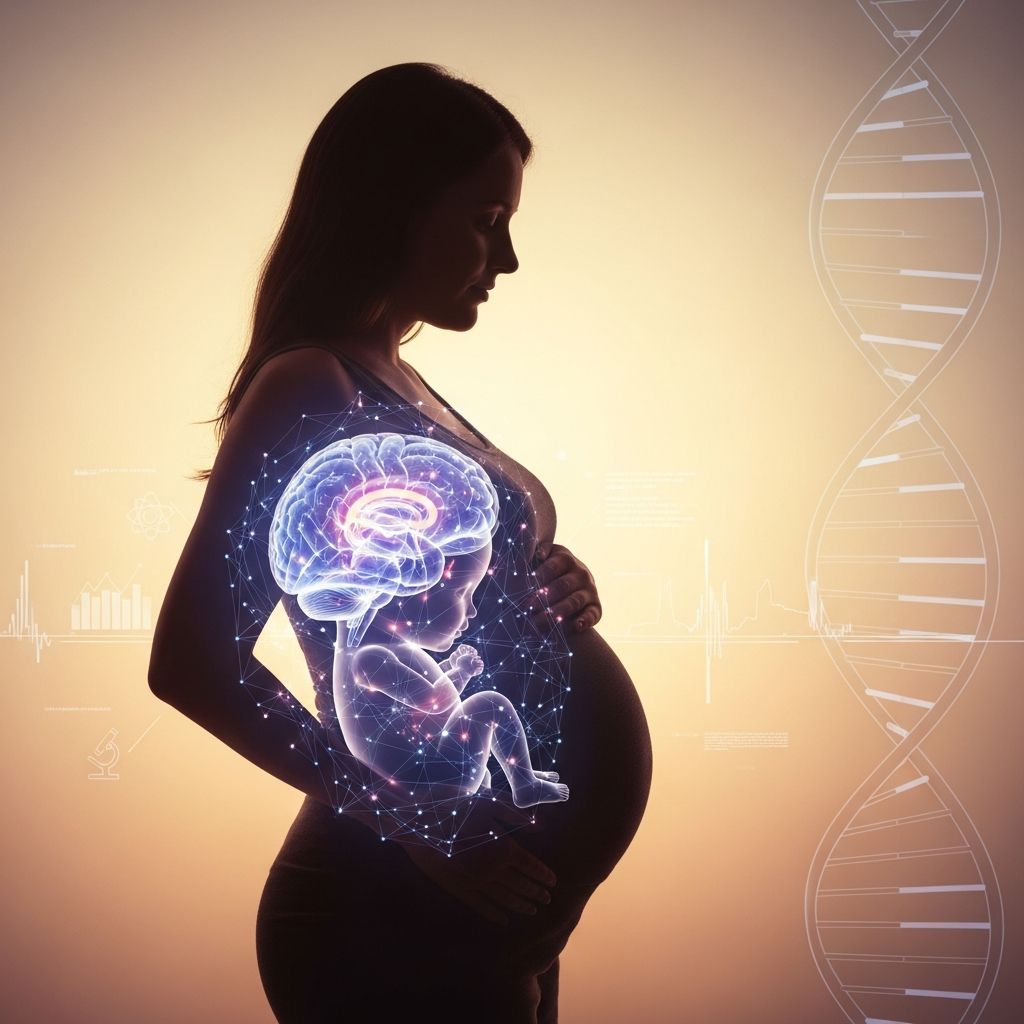
The body undergoes dramatic alterations during pregnancy, birth, and postpartum recovery, setting the stage for motherhood’s physical transformation. Hormonal floods—oxytocin, prolactin, and estrogen—prime the brain for caregiving, enhancing regions linked to nurturing and threat detection. Postpartum, women adapt to sleep deprivation, weight fluctuations, and healing from delivery, which can strain physical resilience but foster remarkable endurance.
- Hormonal Reprogramming: Pregnancy triggers neuroplasticity, expanding brain areas for social cognition and bonding while pruning less essential connections.
- Post-Birth Recovery: Physical demands like breastfeeding and constant vigilance build stamina, though challenges like diastasis recti or pelvic floor issues require targeted care.
- Long-Term Shifts: Many report sustained changes in metabolism and energy levels, reflecting a new bodily baseline attuned to maternal demands.
These changes are not deficits but adaptations, equipping women for motherhood’s rigors. Research highlights how the maternal brain becomes hyper-vigilant, scanning for infant cues with laser focus.
Psychological Shifts: Embracing the Maternal Mindset
Psychologically, motherhood dismantles and rebuilds the self. The “birth of a mother” involves a profound mindset shift, where autonomy yields to interdependence. New mothers often grapple with anxiety, overwhelm, and a sense of loss for their pre-baby identity, yet this turmoil births heightened emotional intelligence.
| Pre-Motherhood Traits | Maternal Evolution |
|---|---|
| Individual focus and spontaneity | Attuned to baby’s needs and rhythms |
| Structured independence | Flexible responsiveness amid chaos |
| Self-prioritized goals | Expanded purpose through caregiving |
This table illustrates core psychological pivots, drawn from studies on matrescence. Women report intensified intuition, a “sixth sense” for their child’s well-being, rooted in evolved neural pathways. Challenges like postpartum mood disorders affect up to 20% of mothers, underscoring the need for mental health validation during this phase.
Redefining Identity: From Woman to Mother
Identity reconstruction lies at motherhood’s heart. The shift from “woman” to “mother” involves integrating new roles without erasing the old self. Many feel disoriented, mourning lost freedoms while forging a richer, multifaceted persona. This process, multidimensional, encompasses cognitive reevaluation—prioritizing family over career ambitions—and behavioral adjustments like instinctive soothing.
- Self-Concept Overhaul: Women redefine body image, embracing stretch marks as badges of creation rather than flaws.
- Role Integration: Balancing professional identities with maternal ones demands boundary-setting and self-compassion.
- Empowerment Through Adversity: Overcoming sleep loss and isolation cultivates resilience, boosting self-efficacy.
Successful navigation yields confidence, transforming vulnerability into strength. As one study notes, this integration fosters maternal attachment and personal growth.
Relational Dynamics: Bonds That Bind and Bend
Motherhood ripples through relationships, forging unbreakable infant bonds while testing partnerships and friendships. The mother-baby dyad forms via skin-to-skin contact and responsive care, laying attachment foundations critical for child development. Partners must adapt to shared parenting, often renegotiating intimacy and household roles.
Friendships evolve too; some fade as priorities shift, while “mom tribes” emerge for mutual support. Family ties deepen or strain based on involvement levels. Key to thriving: open communication and equitable load-sharing.
- Partner Realignment: Couples benefit from intentional check-ins to prevent resentment.
- Infant Attachment: Early bonding enhances emotional security for both.
- Social Networks: Seeking community combats isolation.
Social and Cultural Layers: Navigating Expectations
Society’s lens amplifies motherhood’s transformation. Cultural narratives glorify the “perfect mother,” clashing with real exhaustion and doubt. Women shift from individual achievers to communal nurturers, facing judgment on choices like work returns or feeding methods. Yet, this era empowers advocacy—pushing for parental leave and mental health resources.
Global perspectives vary: collectivist cultures emphasize extended family support, easing transitions, while individualistic ones heighten isolation. Modern mothers leverage online communities for solidarity, democratizing experiences once shrouded in silence.
Navigating Challenges: Strategies for Smooth Sailing
Though transformative, motherhood’s early days brim with hurdles: sleep regression, identity fog, relational friction. Proactive strategies mitigate these:
- Build a Support Ecosystem: Enlist partners, doulas, or therapists early.
- Practice Self-Care Rituals: Micro-moments like deep breathing preserve sanity.
- Reframe the Narrative: View changes as growth, not loss.
- Seek Professional Insight: Therapy normalizes matrescence struggles.
- Cultivate Patience: Transformation unfolds gradually, peaking around 6-12 months postpartum.
Evidence shows supported transitions yield better outcomes: stronger attachments, improved well-being.
Long-Term Harvest: Growth Beyond the Diapers
Years on, motherhood’s imprints endure positively. Enhanced empathy spills into careers, relationships, and self-awareness. Brain scans reveal lasting structural changes, amplifying emotional regulation and multitasking prowess. Women often report purpose-driven lives, channeling maternal instincts into mentorship or activism.
Challenges persist—empty nest pangs loom—but the core gift is expansion: a self more compassionate, resilient, connected.
Frequently Asked Questions (FAQs)
Is matrescence a recognized developmental stage?
Yes, matrescence describes the profound transition from woman to mother, akin to adolescence, involving identity, physical, and emotional shifts.
How long does the transition to motherhood last?
It varies but often intensifies in the first year, with integration continuing for 2-3 years as roles solidify.
Can fathers experience similar transformations?
Yes, though differently; paternal brain changes occur via caregiving hormones, fostering bonding and protectiveness.
What if I feel like I’ve lost myself after birth?
This is common; reconnect via journaling, therapy, or mom groups to reclaim and expand your identity.
Does motherhood always change the brain?
Research confirms structural and functional adaptations in most women, enhancing nurturing circuits.
References
- Concept analysis of transition to motherhood: a methodological study — PMC/NCBI. 2022-07-20. https://pmc.ncbi.nlm.nih.gov/articles/PMC9334210/
- The Birth of a Mother: A Psychological Transformation — Association for Prenatal and Perinatal Psychology and Health. 2020. https://www.birthpsychology.com/wp-content/uploads/journal/published_paper/volume-34/issue-5/vwmfBdzE.pdf
- The Transition to Motherhood — Psychology Today. 2024-07. https://www.psychologytoday.com/us/blog/parenting-matters/202407/the-transition-to-motherhood
- Matrescence: when a woman becomes a mother — Woman Unclouded. N/A. https://www.womanunclouded.com/all-articles/matrescence-when-a-woman-becomes-a-mother
- What No One Tells You About Becoming a Mother — Greater Good Magazine, UC Berkeley. N/A. https://greatergood.berkeley.edu/article/item/what_no_one_tells_you_about_becoming_a_mother
- How Motherhood Transforms a Woman’s Brain — Motherly. N/A. https://www.mother.ly/health-wellness/womens-health/report-motherhood-changes-our-brains-chelsea-conaboy/