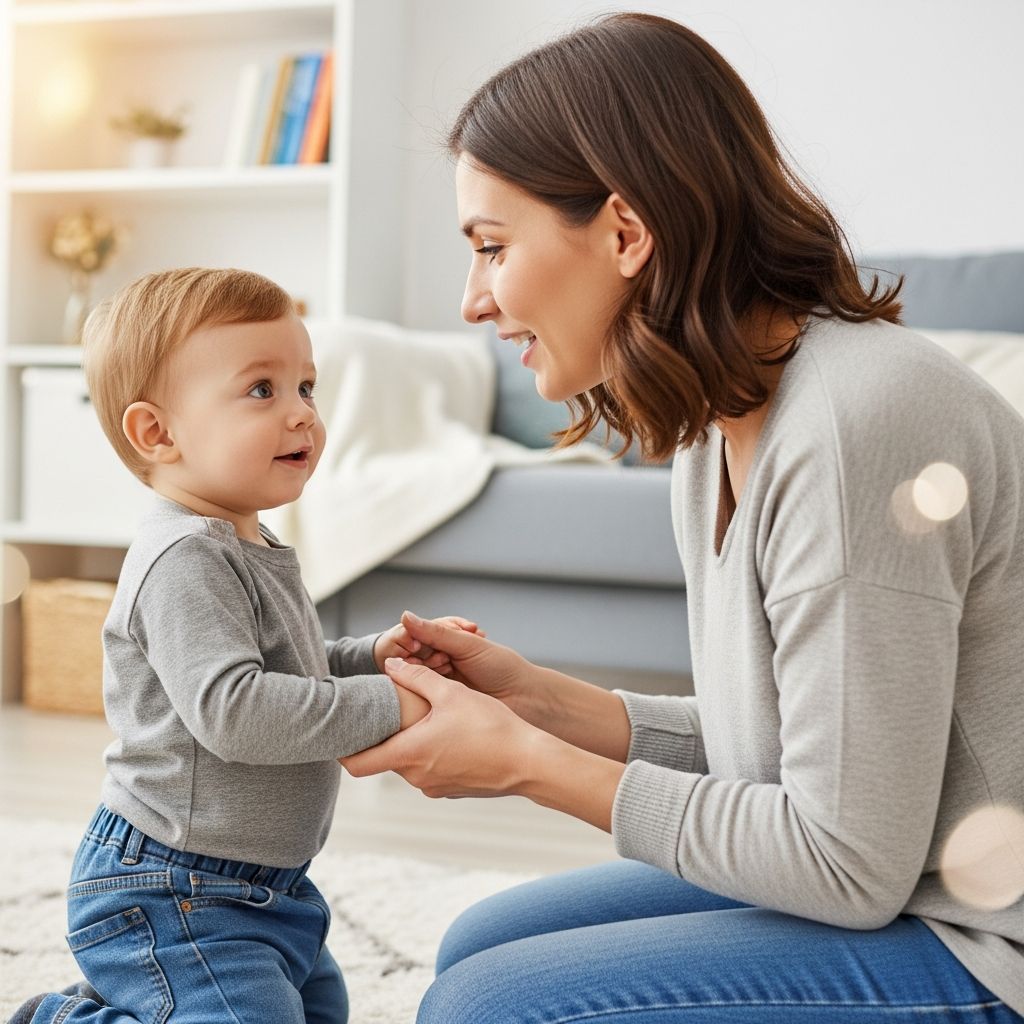
How Becoming a Mother Reshapes Your Entire World
The transition to motherhood represents one of life’s most significant turning points. While many women anticipate the emotional and logistical changes that accompany raising children, few fully grasp the depth and breadth of transformation that occurs across virtually every dimension of daily life. From the way you celebrate personal milestones to how you relate to your own body, motherhood fundamentally rewires your existence in ways both profound and unexpected. Understanding these shifts can help new and expectant mothers prepare for and navigate the remarkable journey ahead.
The Reimagining of Personal Celebrations and Milestones
Before entering motherhood, many women treat their birthdays and personal celebrations as extended events worthy of comprehensive planning and execution. The pre-motherhood birthday might involve weeks of anticipation, multiple celebratory gatherings with different friend groups, preparatory salon visits, special shopping expeditions for occasion-appropriate attire, and follow-up social events. These celebrations center entirely on the individual, allowing for indulgence and social recognition.
Once motherhood arrives, the approach to personal milestones undergoes dramatic revision. Birthdays transform from week-long festivals into hurried acknowledgments squeezed between school pickups and meal preparations. The elaborate preparations give way to practicality. Rather than salon appointments, you celebrate with a hasty shower. Instead of dinner reservations at trendy restaurants, you might grab takeout after the children are asleep. The focus necessarily shifts from self-centered celebration to integrating your milestone into the existing family schedule. This adjustment reflects a deeper reorientation of identity—from viewing yourself as the central character in your narrative to understanding yourself as part of a larger family constellation.
Recreation and Weekend Activities: A Complete Recalibration
Weekend leisure time undergoes perhaps one of the most jarring transformations. Pre-motherhood weekends provided unstructured freedom—sleeping until noon, spontaneous outings, leisurely brunches with friends, entertainment choices based entirely on personal preference, or simply doing nothing at all. The weekend represented a reprieve from weekday obligations, a space for authentic relaxation and social connection.
Motherhood introduces an entirely different weekend paradigm. Rather than representing freedom, weekends become orchestrated around children’s activities, schedules, and needs. Saturday mornings that once meant sleeping in now begin at dawn with children’s demands. What were once unstructured hours transform into carefully coordinated logistics—soccer matches, dance recitals, birthday parties, playdates, and errand runs. The concept of spontaneity largely evaporates. Instead of asking “What do I want to do this weekend?” mothers typically ask “What needs to happen this weekend, and how will we fit it all in?” This shift reflects the expansive nature of parental responsibility, which extends regardless of whether it is a weekday or weekend.
Dietary Preferences and Eating Habits Undergo Transformation
The way mothers eat changes substantially once children enter the picture. Pre-motherhood dining allows for meal timing flexibility, sophisticated flavor preferences, and leisurely eating experiences. Meals can be skipped, delayed, or extended based on personal inclination. Nutritional choices reflect personal taste without accommodation for picky palates.
Motherhood introduces the reality of eating in fragmented segments. Meals often become fuel consumed hurriedly between managing children’s needs rather than experiences to be savored. Mothers frequently find themselves eating cold food, consuming meals standing up, or finishing their plate while simultaneously addressing children’s requests. The menu necessarily expands to include child-friendly options, often reducing the sophistication or novelty of meals. Additionally, mothers frequently discover that their own meals come last—they ensure their children eat adequately before attending to their own nutrition. This fundamental shift in eating patterns reflects the broader displacement of personal needs that characterizes motherhood.
Bodily Changes That Extend Beyond Physical Recovery
Women anticipate that pregnancy and childbirth will transform their bodies, but the full extent of these changes often surprises new mothers. Beyond the immediate postpartum period, permanent alterations occur. The body never quite returns to its pre-motherhood state. Weight distribution shifts, muscle composition changes, skin texture may alter, and the overall physical architecture of the body reflects its reproductive experience. Additionally, the physical demands of motherhood—constant lifting, carrying, bending, and physical exertion—create their own wear and tear that compounds over years.
Beyond visible physical changes, mothers experience transformation in their relationship with their bodies. The body becomes primarily functional, viewed through the lens of its capacity to care for others rather than as a source of personal pleasure or aesthetic consideration. Energy becomes a precious commodity, measured in how much physical stamina remains after managing household and child-related demands. Many mothers report feeling disconnected from their bodies, particularly when their physical identity becomes secondary to their parental role.
Sleep Patterns: From Luxury to Fragmented Necessity
The sleep transformation represents one of the most immediate and dramatic shifts. Pre-motherhood sleep operates on a personal schedule—retiring when tired, sleeping until naturally awakened, with total control over sleep quality and duration. Sleep represents restoration and personal wellbeing.
Motherhood demolishes this luxury. Sleep becomes fragmented, interrupted, and insufficient. Infants demand night feedings, toddlers call out with nightmares, older children wake with illness or anxiety. Even when not actively disrupted, mothers often experience the hypervigilance that prevents deep sleep—remaining partially conscious, monitoring for children’s sounds or needs. Over years, this sleep deprivation accumulates, affecting cognitive function, emotional regulation, and physical health. Sleep transforms from a personal indulgence to a scarce resource constantly competed for amid competing demands.
The Development of Unexpected Capabilities and Skills
Motherhood unexpectedly reveals capabilities that might never have emerged otherwise. Many mothers discover they possess talents for creative entertainment, whether through vocal performances of animal sounds, dance moves choreographed to children’s songs, or theatrical mime performances. These skills develop not through deliberate study but through the practical necessity of engaging children and managing their entertainment.
Beyond entertainment skills, mothers develop remarkable practical competencies. The ability to change diapers with speed and efficiency, to soothe distressed infants, to locate specific toys among mountains of possessions, to prepare meals accommodating various dietary restrictions, or to install complex equipment becomes second nature. These skills represent genuine expertise developed through repetition and necessity. Many mothers report feeling capable of accomplishing nearly anything their children require—a confidence born from solving countless problems and managing complex situations daily.
The Perpetual State of Incompleteness
Perhaps one of the most challenging aspects of motherhood involves confronting the impossibility of achieving perfection or completion. Many women enter motherhood with idealized visions of the mothers they will become—the particular tone they will use, the media they will allow, the meals they will prepare. The reality of motherhood quickly dispels these aspirations. Perfection proves impossible when managing the constant demands of developing humans with their own personalities, preferences, and challenges.
Mothers learn to accept imperfection not merely as an unfortunate reality but as an inevitable aspect of the role. You will lose patience with your children. You will serve quick meals rather than nutritious home-cooked options. You will allow screen time you swore against. You will discover that the idealized version of motherhood bears little resemblance to the messy, complicated, beautiful reality. This acceptance of imperfection, while liberating in some ways, also represents a loss of the perfectionism many women maintained in their pre-motherhood lives.
The Endless Nature of Motherhood
Unlike most roles or projects in life, motherhood never truly concludes. Even when children reach adulthood and establish independence, the maternal bond and sense of responsibility persist. Mothers continue to worry about their adult children, celebrate their achievements, and want to support them through challenges. The emotional connection established through motherhood proves enduring and foundational.
This endless quality distinguishes motherhood from other life experiences. You complete projects, graduate from programs, move beyond jobs—but you never graduate from motherhood. The intensity and day-to-day demands may diminish as children age, but the fundamental relationship persists. Many adult women report that their mothers remain the first person they want to call with news—whether good or devastating. This perpetual quality can feel both comforting and overwhelming, particularly for those accustomed to clear endpoints and measurable conclusions.
The Shifting Landscape of Personal Identity
While not explicitly one of the daily changes, perhaps the most profound transformation involves identity reconstruction. Women who previously centered their identity around professional accomplishments, social roles, personal interests, or individual characteristics find these dimensions of self subordinated to their maternal identity. You become “someone’s mother” in ways that overshadow other identifying characteristics.
This identity shift carries both loss and gain. Many women experience grief over aspects of their pre-motherhood selves that recede into the background. The spontaneity, the personal ambition, the self-centered focus—these seem to evaporate. Yet simultaneously, many mothers discover depths of resilience, patience, and capacity for love they did not know they possessed. The identity transformation, while often challenging to navigate, frequently produces a more complex, nuanced version of self that integrates motherhood alongside other dimensions of personhood.
Frequently Asked Questions About Motherhood Transitions
Is it normal to mourn the loss of pre-motherhood life?
Yes, this is a common and valid experience. Many mothers experience complex emotions about the fundamental changes motherhood brings, even when they wanted and planned for children. Acknowledging this grief while simultaneously embracing the joys of motherhood is entirely healthy.
When do the daily disruptions (sleep deprivation, fragmented eating) improve?
This varies significantly by family. As children age and become more independent, many daily disruptions ease. However, different life stages introduce new challenges. The intensity typically decreases over time, though motherhood remains demanding across childhood and into adolescence.
How can mothers maintain their sense of self amid these transformations?
Prioritizing small moments of personal time, maintaining at least some pre-motherhood interests or friendships, and explicitly protecting aspects of personal identity helps. Many mothers find that accepting the identity transformation rather than fighting it reduces internal conflict, though maintaining some separate sense of self remains important.
Do these changes affect all mothers equally?
No. Individual temperament, family structure, cultural background, support systems, and personal values all influence how dramatically motherhood transforms daily life. While certain changes (like sleep disruption in early years) are nearly universal, the specific constellation of changes varies considerably.
References
- 14 Things That Are Totally Different Now That You’re A Mom — Motherly. 2024. https://www.motherly.com/life/14-things-totally-different-mom/
- 14 Things No One Ever Told Me About Motherhood — Moms Beyond. 2024. https://momsbeyond.com/magazine/14-things-no-one-ever-told-me-about-motherhood
- A Dozen (or so) (Somewhat) Shocking Revelations About Motherhood — Alpha Mom. 2024. https://alphamom.com/your-life/postpartum/a-dozen-or-so-somewhat-shocking-revelations-about-motherhood/
- The Intersection of Motherhood and Identity Development — American Psychological Association. 2023. https://www.apa.org/science/about/psa/motherhood
- Sleep Deprivation in Mothers: Health Implications and Management Strategies — National Institute of Child Health and Human Development (NICHD). 2023. https://www.nichd.nih.gov/health/topics/infant/conditioninfo