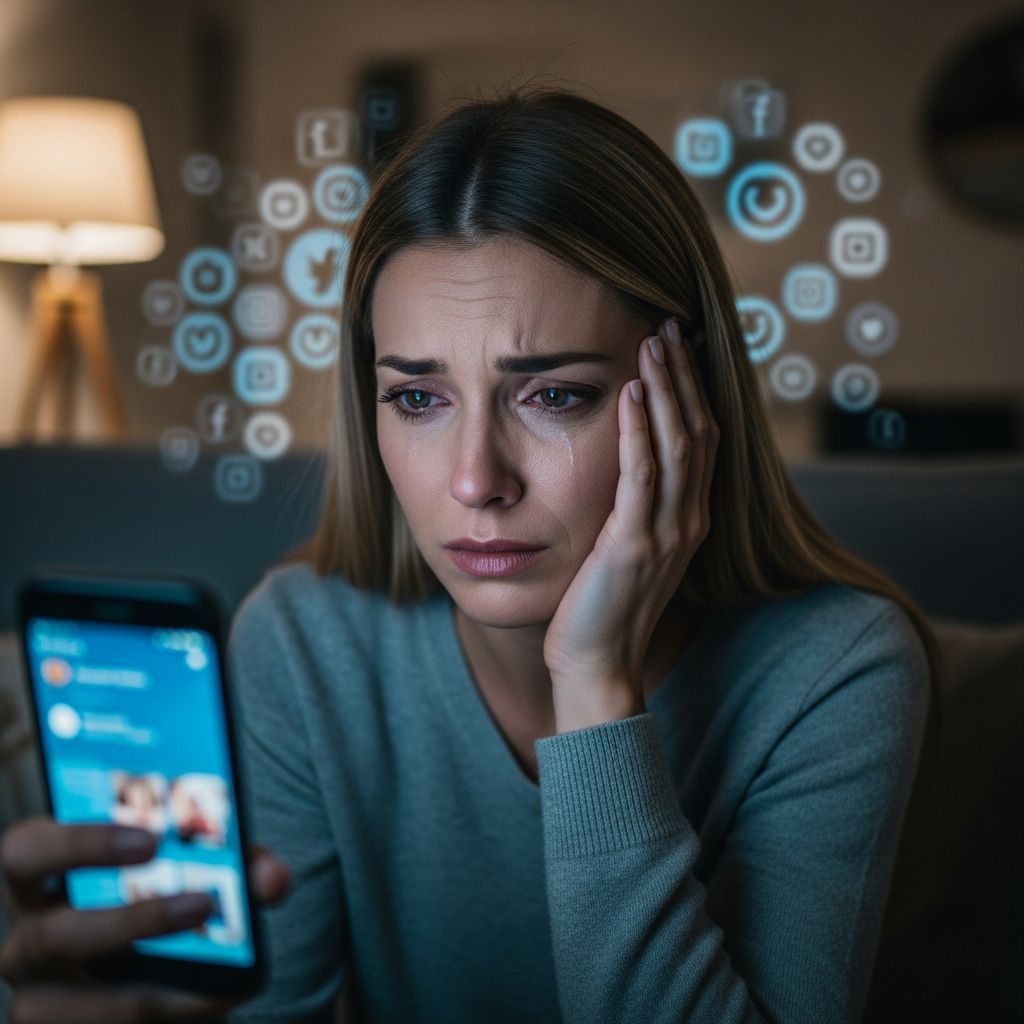
Mom shaming on social media inflicts deep emotional wounds on mothers, amplifying feelings of inadequacy, anxiety, and isolation through constant comparison and criticism.
Understanding the Rise of Online Parental Judgment
Social platforms have transformed parenting discussions into arenas of intense scrutiny. Mothers sharing everyday moments often face harsh comments questioning their choices, from feeding methods to discipline styles. This phenomenon, known as mom shaming, thrives due to the anonymity and reach of digital spaces, where opinions spread rapidly without accountability.
The curated nature of posts exacerbates the issue. Filtered images and highlight reels create unrealistic benchmarks, leading 72.5% of surveyed mothers to compare themselves to others online. This comparison fuels a cycle of self-doubt, as real-life parenting messiness contrasts sharply with polished feeds.
Psychological Impacts on Mothers’ Well-Being
Exposure to mom shaming correlates strongly with mental health declines. Studies link heavy social media use to elevated anxiety and depression scores, particularly when compounded by shaming. Mothers report heightened stress from fearing judgment, which disrupts sleep, confidence, and parenting efficacy.
- Anxiety and Depression: Constant criticism triggers self-criticism loops, with nearly 60% of moms associating guilt directly to online influences.
- Isolation: Fear of backlash discourages authentic sharing, fostering loneliness as primary social interactions become digital.
- Parenting Confidence Erosion: Shaming undermines decision-making, leading 18.8% to alter styles based on negative feedback.
Postpartum hormones and sleep deprivation intensify these effects, turning minor comments into major emotional burdens.
Real-Life Stories: Voices from Shamed Mothers
Many mothers recount transformative negative experiences. One parent described hiring help for cleaning and childcare, only to face accusations of laziness despite transparency. Such disclosures, meant to normalize support, invite backlash, perpetuating a culture where vulnerability is punished.
Surveys reveal 61% of moms have endured shaming, often over benign choices like swim aids or daily routines. These narratives highlight a toxic undercurrent: judgment not just from strangers, but peers enforcing rigid norms.
How Platforms Amplify the Problem
Social media algorithms prioritize engaging—often controversial—content, boosting shaming threads. Idealized momfluencer lifestyles pressure 35% of mothers to fabricate perfection, deepening collective discontent.
| Platform Feature | Impact on Shaming | Statistic |
|---|---|---|
| Curated Feeds | Promotes comparison | 72.5% compare often/sometimes |
| Comment Sections | Enables anonymous attacks | Amplifies rapid spread |
| Algorithm Boosts | Favors outrage | Leads to isolation |
This table illustrates how design choices inadvertently fuel negativity, turning support networks into judgment zones.
Strategies to Protect Yourself from Digital Criticism
Reclaiming control starts with boundaries. Limit scroll time to avoid overload, especially during vulnerable periods like postpartum recovery.
- Curate Your Feed: Unfollow or mute accounts triggering guilt; prioritize diverse, realistic voices.
- Respond Mindfully: Before replying to critics, ask: Does this align with my values? Would my loved ones approve?
- Seek Offline Support: Build real-world communities to counter digital isolation.
- Practice Self-Compassion: Remind yourself that no parenting style is perfect; focus on your child’s unique needs.
Experts recommend professional help if shaming exacerbates anxiety or depression, as early intervention prevents long-term harm.
Building Supportive Online Communities
Positive change requires collective action. Mothers can foster empathy by celebrating varied approaches rather than critiquing. Share ‘behind-the-scenes’ realities to humanize motherhood, reducing pressure for perfection.
Platforms thrive when users call out unkindness constructively, evaluating follows for mental health benefits. Initiatives like empathy-focused groups demonstrate that supportive spaces enhance well-being over shaming ones.
Long-Term Effects on Families and Society
Shaming ripples beyond individuals, straining family dynamics through withdrawn communication and modeled insecurity. Children sense parental stress, potentially internalizing perfectionism.
Societally, it perpetuates outdated norms, hindering progressive parenting evolutions like shared responsibilities. Addressing this demands cultural shifts toward validation over validation.
Frequently Asked Questions (FAQs)
What percentage of moms experience social media comparison?
72.5% of mothers compare themselves to others on social media, with many linking it to guilt.
Does mom shaming affect mental health?
Yes, it heightens anxiety, depression, and isolation, especially with heavy platform use.
How can I stop feeling guilty after shaming?
Curate feeds, limit time online, and affirm your unique parenting path.
Why do people shame moms online?
Anonymity, comparison culture, and rigid expectations drive unsolicited judgments.
Can positive communities counter shaming?
Absolutely; empathy-building groups reduce isolation and boost confidence.
References
- Social Media Has Taken Mom Shaming to a New Level — Danielle Moss. Accessed 2026. https://www.danielle-moss.com/mom-shaming/
- Survey Shows Momfluencers Make Regular Moms Feel Bad — Motherly. Accessed 2026. https://www.mother.ly/news/viral-trending/momfluencers-negative-impact-on-moms/
- Combating Mom Shaming: Fostering Empathy And Support — The Motherhood Center. Accessed 2026. https://www.motherhoodcenter.com/combating-mom-shaming/
- How to deal with online mom-shaming — Medical Xpress. 2018-07. https://medicalxpress.com/news/2018-07-online-mom-shaming.html
- Mom Shaming: Why it hurts more than it helps — Intermountain Healthcare. Accessed 2026. https://intermountainhealthcare.org/blogs/article/mom-shaming-why-it-hurts-more-than-it-helps
- How to Handle Mom-Shaming on Social Media — DFW Child. Accessed 2026. https://dfwchild.com/responding-to-mom-shaming-on-social-media/
- Stopping the Mom-Shame on Social Media — New Mom Health / 4th Trimester Project. Accessed 2026. https://newmomhealth.com/selfcare/stopping-the-mom-shame-on-social-media/