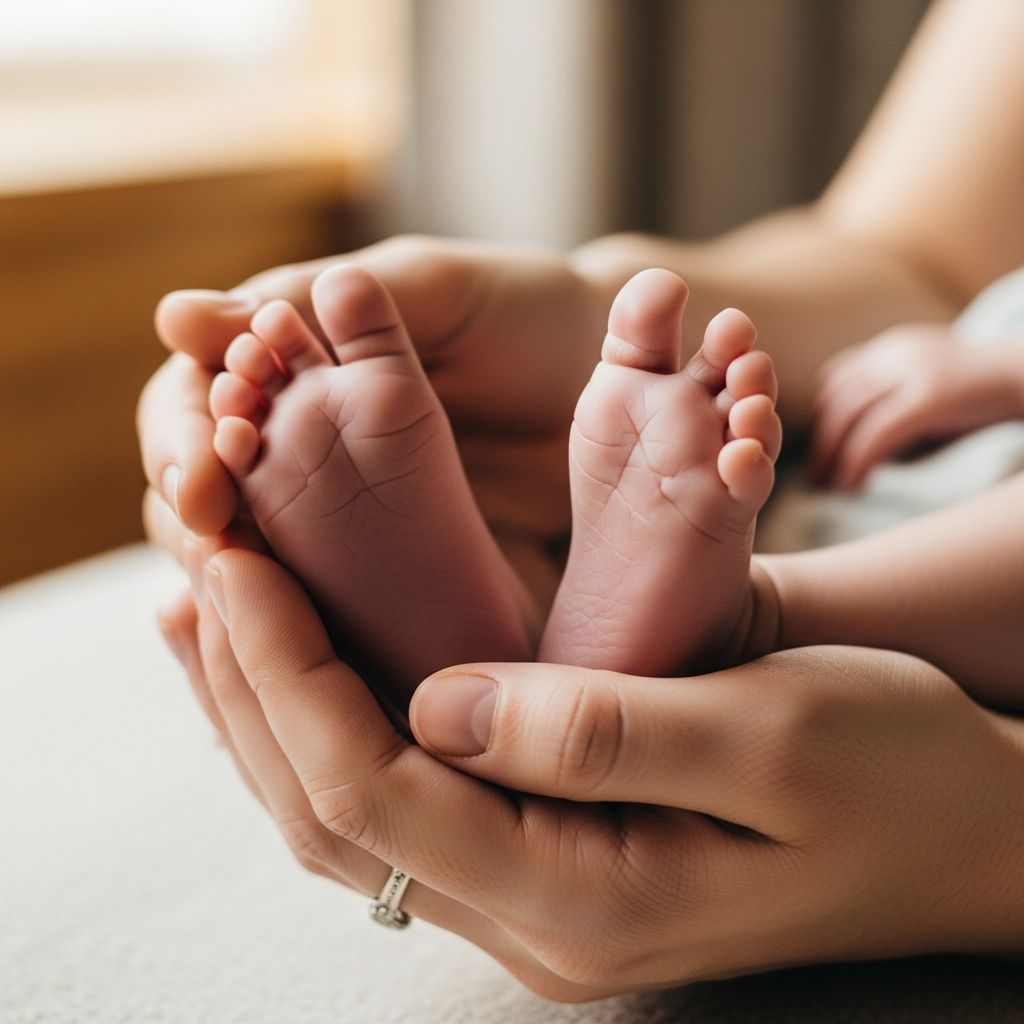
A mother’s emotional state serves as a cornerstone for family health, influencing everything from infant attachments to teenage mental resilience. Research consistently demonstrates that when mothers prioritize their own happiness, their children experience measurable benefits in cognitive, emotional, and physical domains.
The Science of Emotional Transmission in Families
Emotions spread within households much like a contagion, with maternal mood setting the primary tone. Studies from Harvard and the University of California reveal that positive affect propagates through social networks, amplifying happiness across generations and peers. Children, highly attuned to parental cues, mirror these patterns, adopting habits that sustain well-being into adulthood.
This transmission occurs via daily interactions. Happy mothers engage more warmly, fostering secure attachments that buffer against stress. In contrast, maternal distress correlates with heightened child anxiety and developmental delays, as disengagement disrupts bonding essential for brain growth.
Long-Term Impacts on Child Development
Maternal joy predicts superior outcomes across life stages. Longitudinal data indicate that mothers satisfied in early parenting roles are more likely to maintain family unity over 14 years, outperforming even happy fathers in stability metrics. Their teens exhibit fewer mental health issues, regardless of gender, ethnicity, or socioeconomic factors.
- Reduced psychiatric disorders and conduct problems in offspring.
- Enhanced cognitive performance and emotional regulation.
- Stronger parent-child bonds persisting into adolescence.
Mechanisms include constructive conflict resolution and enriched home environments. Happier mothers invest more in stimulating activities, directly boosting noncognitive skills like resilience.
Mental Health Risks Tied to Maternal Struggles
Conversely, maternal unhappiness amplifies family vulnerabilities. Over 90% of new mothers report loneliness, linking to anxiety in 55% and severe stress in 47%. Such isolation rivals obesity in health detriment, eroding social connections vital for mental wellness.
Clinical depression in mothers weakens child brain development, elevating risks for learning impairments and later disorders. Offspring face higher incidences of anxiety, low academic achievement, and behavioral challenges due to inconsistent caregiving.
| Maternal State | Child Outcomes | Evidence Source |
|---|---|---|
| Happy/Satisfied | Fewer mental health problems; stable relationships | |
| Depressed/Lonely | Anxiety, cognitive delays, disorders | |
| Grateful/Positive | Improved well-being, empathy |
Positive Parenting as a Happiness Multiplier
Authoritative parenting—balancing warmth with structure—amplifies maternal happiness effects. High relationship satisfaction correlates with offspring’s emotional stability, lower obesity risks, and reduced substance use. Regular family dinners further enhance life satisfaction and curb risky behaviors like early sexual activity.
Gratitude practices offer a simple lever. Parents expressing thanks daily report fewer negative emotions and greater empathy, spilling over to warmer child interactions and family cohesion. This ‘cup-filling’ approach replenishes parental resources without demanding extra time.
Practical Strategies for Maternal Well-Being
Building personal happiness yields family-wide gains. Christine Carter emphasizes modeling joy through self-care, as neglecting it invites chronic anxiety that harms children.
- Cultivate optimism: Focus on positives to rewire neural pathways for resilience.
- Nurture connections: Combat isolation via playdates or support groups.
- Practice gratitude: Journal three daily thanks to boost mood and modeling.
- Prioritize rest and movement: Sleep and exercise as ‘oxygen masks’ for emotional health.
- Engage in family rituals: Shared meals to strengthen bonds and health.
Financial supports like cash transfers also elevate maternal hope, slashing postpartum depression by 14% and stabilizing homes.
Family Dynamics and Gender-Specific Effects
Mothers’ happiness uniquely shapes trajectories. It forecasts sustained marital bonds more than fathers’ and predicts teen mental health universally. Sons and daughters alike benefit, with added closeness in mother-child ties.
Fathers contribute, but maternal effects dominate, possibly via primary caregiving roles. Happy mothers select supportive partners, curating constructive environments that transmit via genes and observation.
Broader Societal Implications
Investing in maternal joy promises public health dividends. Policies promoting positive parenting could lower population-level mental illness, obesity, and behavioral risks. Programs like Rx Kids demonstrate how resources enhance trust, nutrition, and birth outcomes in vulnerable communities.
Communities thrive when mothers do. Happiness cascades outward, touching extended networks and fostering resilient societies.
Frequently Asked Questions
Does maternal happiness affect children more than paternal?
Yes, studies show maternal satisfaction stronger predicts family stability and teen mental health over 14 years, across demographics.
How does loneliness impact new mothers?
Over 90% feel isolated, leading to anxiety and stress comparable to major health risks like smoking.
Can gratitude practices help families?
Daily gratitude boosts parental well-being, empathy, and child relationships without extra effort.
What role do family dinners play?
Frequent dinners link to better emotional health, fewer depressive symptoms, and reduced risky behaviors.
Are there interventions for maternal mental health?
Cash supports reduce depression, evictions, and improve birth outcomes significantly.
References
- Positive Parenting Improves Multiple Aspects of Health and Well-Being — PMC. 2019-07-26. https://pmc.ncbi.nlm.nih.gov/articles/PMC6625866/
- Mom’s Happiness and Family Well-Being — Institute for Family Studies. N/A. https://ifstudies.org/blog/moms-happiness-and-family-well-being
- If You Practice Gratitude, Your Children Can Benefit, Too — Greater Good Science Center. N/A. https://greatergood.berkeley.edu/article/item/if_you_practice_gratitude_your_children_can_benefit_too
- New Research Shows Cash for Moms and Babies Improves Health — University of Michigan Poverty Solutions. 2025-09-15. https://poverty.umich.edu/2025/09/15/new-research-shows-cash-for-moms-and-babies-improves-health-stabilizes-families-and-saves-millions/
- Happy Mothers, Successful Children: Effects of Maternal Life Satisfaction — Ohio State University Economics. N/A. https://economics.osu.edu/sites/economics.osu.edu/files/Happiness&ChildOutcomes_JMP_Nikolaou.pdf