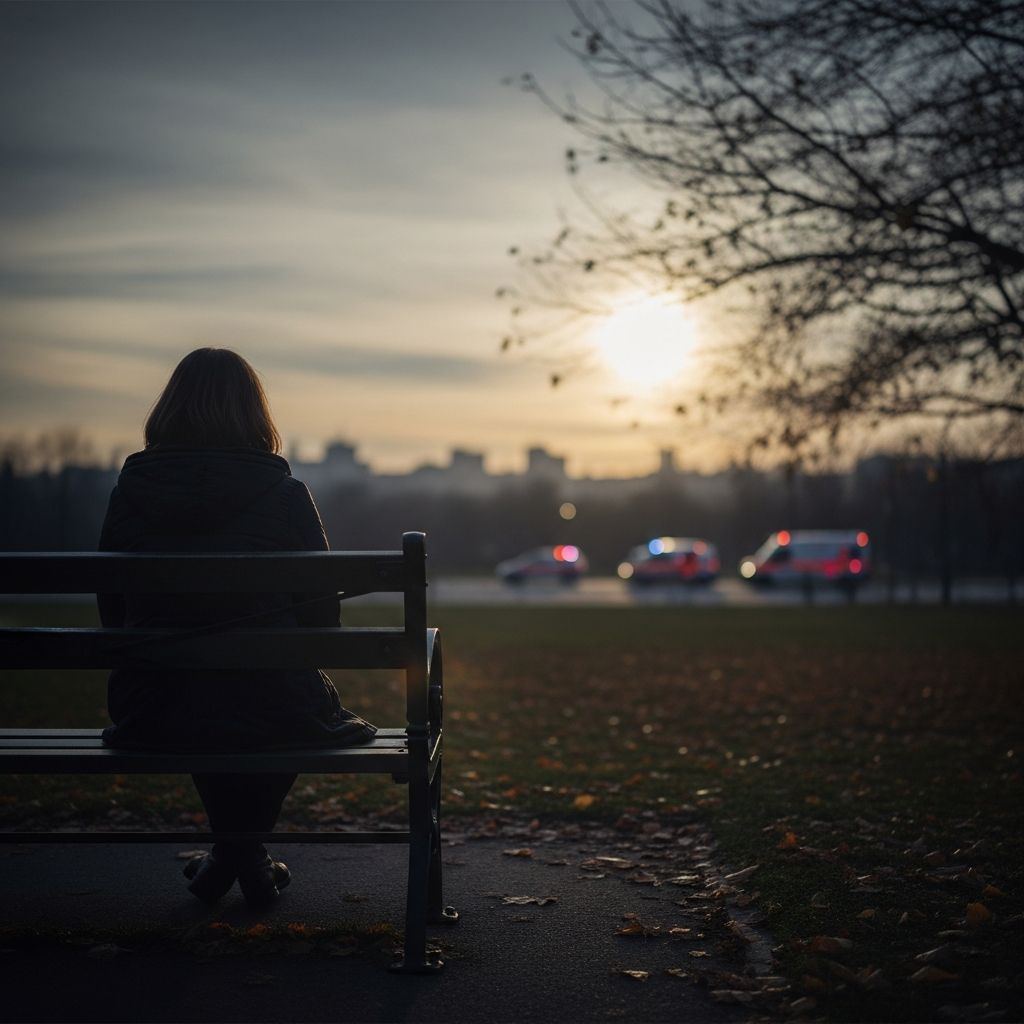
Mass shootings shatter the sense of security in communities, leaving parents grappling with fear, grief, and uncertainty about how to shield their children from the fallout. When violence strikes close to home, the emotional ripples extend far beyond the immediate victims, affecting daily life, mental health, and family dynamics.
The Hidden Emotional Toll on Families
Proximity to a mass shooting triggers a cascade of psychological responses, from acute anxiety to long-term trauma. Families in nearby areas often experience heightened vigilance, disrupted sleep, and a pervasive sense of dread that permeates everyday routines. Children, in particular, may exhibit regression in behavior, such as bedwetting or clinginess, as their developing minds struggle to process the threat.
Research highlights that even indirect exposure—through news coverage or community discussions—can lead to collective trauma. Adults report increased stress levels, while adolescents face elevated risks of depression and substance use. This shared burden dulls compassion over time, making it harder for communities to rally support.
- Immediate reactions: Shock, denial, and hyperarousal, where normal sounds trigger fight-or-flight responses.
- Mid-term effects: Intrusive thoughts, avoidance of public spaces, and strained relationships due to emotional exhaustion.
- Long-term challenges: Persistent PTSD symptoms, with some individuals facing setbacks like suicides in the years following events.
Protecting Children’s Developing Minds
Young minds are especially vulnerable to the terror of nearby violence. School-aged children may develop fears of attending classes or participating in extracurriculars, leading to absenteeism and academic decline. A study on school shootings revealed decreased graduation rates and lower earnings into adulthood for those exposed.
Parents play a crucial role in mitigation. Open, age-appropriate conversations help demystify the event without overwhelming details. For instance, reassuring younger kids that safety measures are in place can restore a sense of control.
| Age Group | Common Reactions | Parental Strategies |
|---|---|---|
| Preschool (3-5) | Fear of separation, nightmares | Use simple language, maintain routines, offer comfort objects |
| Elementary (6-12) | Anxiety about safety, questions about death | Answer honestly, limit media exposure, encourage expression through play |
| Teens (13+) | Anger, withdrawal, risk-taking | Listen without judgment, connect to counseling, monitor social media use |
Communities must prepare educators and coaches with psychological first aid training to identify and support affected youth promptly.
Building Community Resilience Post-Tragedy
Healing begins with collective action. After mass shootings, communities often see an initial surge in unity, but this fades as ‘business as usual’ resumes, leaving the most impacted feeling isolated. Faith leaders, counselors, and survivors from prior events can serve as ‘second responders’ to bridge this gap.
Successful recovery models emphasize sustained support. Programs like violence interruption initiatives have reduced shootings by 32% in targeted areas through outreach, deterrence, and social services, while reforming policing practices.
- Establish resiliency centers for ongoing mental health access.
- Foster social networks to combat alienation and promote anti-violence norms.
- Invest in community violence intervention (CVI) with state funding, now supporting 15 states with $690 million.
Navigating Unique Challenges in Vulnerable Areas
Not all communities respond the same way. Rural areas and tribal lands face exacerbated issues due to limited resources and pre-existing struggles like poverty and addiction. The Red Lake shooting, for example, intensified mental health crises without adequate external aid, leading to ongoing suicides.
Hate-motivated attacks add layers of complexity, targeting racial or religious groups and eroding trust. In such cases, cultural sensitivity in trauma care is vital, balancing community cohesion with individual needs.
Urban community gun violence, comprising most firearm homicides, demands tailored interventions like hospital-based programs offering wraparound support to at-risk individuals.
Practical Steps for Family Recovery
Parents can take proactive measures to reclaim normalcy:
- Monitor media intake: Set boundaries on news consumption to prevent sensitization.
- Seek professional help: Early therapy prevents chronic issues; look for trauma-informed providers.
- Rebuild routines: Consistent schedules provide stability and predictability.
- Engage in activism: Channel grief into advocacy for prevention and policy change.
- Prioritize self-care: Parents’ well-being models resilience for children.
Evidence shows that connected communities—where residents oppose violence and support each other—see faster recovery and lower recidivism of trauma-related issues.
Long-Term Societal Ramifications
The broader impacts are staggering. Gun violence costs escalate health and economic burdens, with school survivors showing higher antidepressant use and employment gaps. Yet, tiered interventions—from family talks to societal policy—can mitigate these.
Experts advocate for collaboration across teachers, police, and families to screen for exposure and provide emotional buffers. Rural and high-crime areas benefit from focused CVI, proving that investment yields measurable reductions in violence.
Frequently Asked Questions (FAQs)
What should I tell my child after a nearby shooting?
Be honest but reassuring: ‘Something sad happened, but help is there to keep us safe.’ Tailor to their age and follow up on their questions.
How long do trauma effects last?
Varies; acute symptoms may fade in weeks, but some persist years without intervention. Early support shortens recovery.
Can communities prevent future trauma?
Yes, through CVI programs, mental health infrastructure, and anti-violence norms that unite residents.
Is therapy essential for everyone exposed?
Not always, but screening is key. Those with ongoing symptoms benefit most from professional care.
How do hate crimes differ in impact?
They deepen division and fear in targeted groups, requiring culturally attuned support.
Steps Toward Hope and Prevention
While no community is immune, proactive healing transforms tragedy into strength. By prioritizing mental health, forging connections, and advocating for change, families emerge resilient. The path forward lies in unity, support systems, and evidence-based strategies that honor the lost while safeguarding the living.
References
- Supporting Survivors and Communities after Mass Shootings — Rockefeller Institute of Government. 2025-03. https://rockinst.org/wp-content/uploads/2025/03/Mass-Casualty-Commission-Report-Supporting-Survivors-and-Communities-after-Mass-Shootings.pdf
- Stress of mass shootings causing cascade of collective traumas — American Psychological Association. 2022-09. https://www.apa.org/monitor/2022/09/news-mass-shootings-collective-traumas
- The Impact of Gun Violence on Children, Families, & Communities — Child Welfare League of America. N/A. https://www.cwla.org/the-impact-of-gun-violence-on-children-families-communities/
- In-Depth – Community Gun Violence — Johns Hopkins Center for Gun Violence Solutions. N/A. https://publichealth.jhu.edu/center-for-gun-violence-solutions/in-depth-community-gun-violence
- Effects of School Shootings — Children’s Hospital of Philadelphia Center for Violence Prevention. N/A. https://violence.chop.edu/school-shootings
- How Communities Can Begin to Heal After a Mass Shooting — Sandy Hook Promise. N/A. https://www.sandyhookpromise.org/resources/ways-to-help/community-healing-mass-shooting-support/