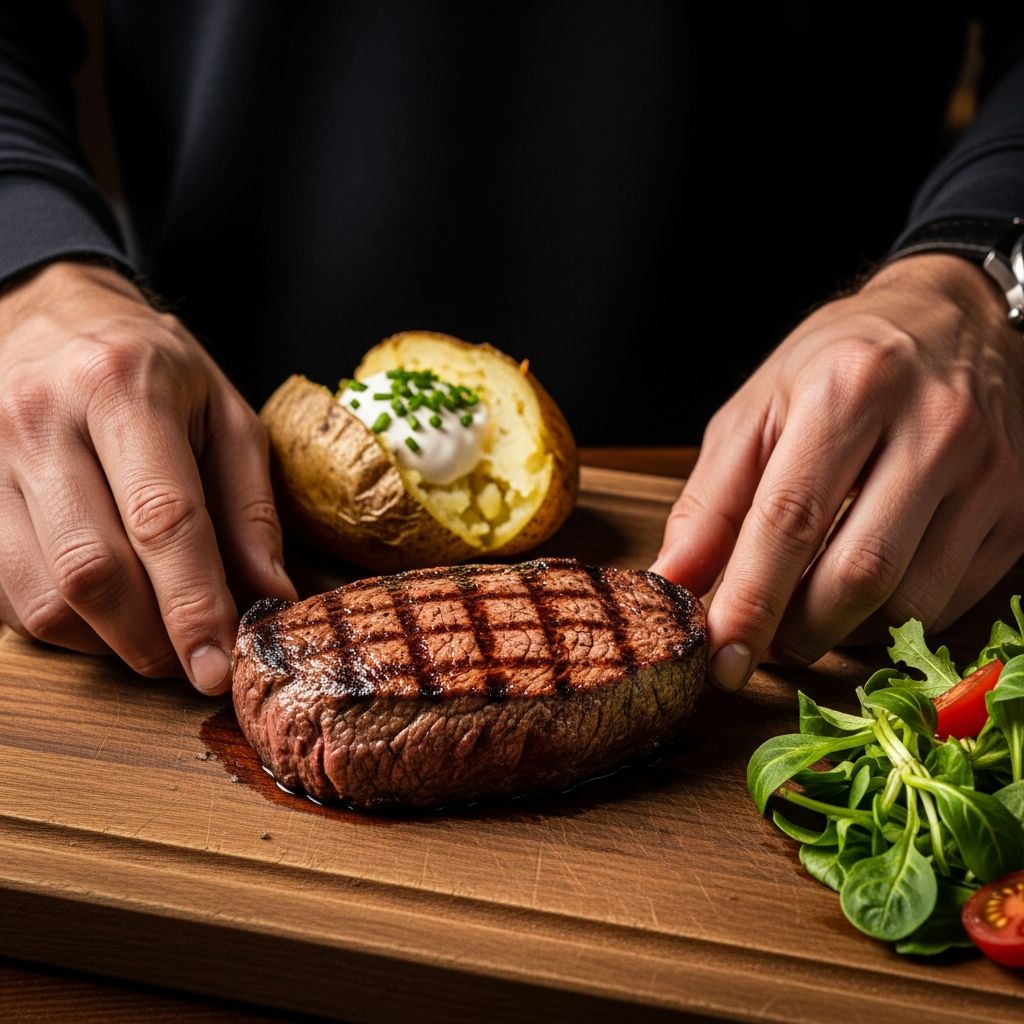
The Intersection of Consumption and Self-Expression
Food serves as far more than simple fuel for the body. Throughout human history and across virtually all cultures, the act of eating has functioned as a powerful vehicle for communicating identity, social status, and personal values to the world around us. The choices we make regarding what to consume—from the types of proteins we prefer to portion sizes we select—relay meaningful information about who we are and how we wish to be perceived. This phenomenon becomes particularly pronounced when examining how men navigate their dietary decisions, where food selections carry layered meanings that extend well beyond nutritional considerations.
Research demonstrates that eating represents a heavily identity-infused behavior, with food preferences functioning as visible markers of social identity to observers. For men in particular, these dietary choices carry heightened significance, as the foods consumed communicate messages about gender identity and masculine status. The symbolic associations attached to various foods have become deeply embedded in cultural consciousness, shaping preferences and choices in ways that operate largely outside conscious awareness.
Understanding Gendered Food Associations
Across Western cultures and many other societies worldwide, foods have acquired distinctly gendered characteristics. These associations are neither random nor accidental; rather, they reflect deeply rooted cultural narratives about what it means to embody masculinity or femininity. Red meat, particularly beef and steak, stands as the quintessential masculine food, consistently linked with strength, power, and traditional male identity. Similarly, calorie-dense and high-fat foods carry masculine connotations, as do larger portion sizes and unrestricted eating patterns that emphasize abundance and indulgence.
Conversely, an extensive array of foods have become coded as feminine through cultural messaging and social convention. Vegetables and fruits, particularly when presented as components of weight-conscious meal plans, carry associations with feminine dietary restraint. Low-fat and low-calorie foods are similarly feminized in the cultural imagination. Sour milk products, sweets consumed in moderation, and restricted eating patterns—whether through being a picky eater or adopting vegetarian diets—all carry feminine signifiers in contemporary culture. This categorical division extends beyond individual food items to encompass entire dietary philosophies and eating patterns, with restrictive diets becoming labeled as feminine pursuits.
The Psychology of Masculinity Threats
One of the most significant discoveries in research examining men’s eating behaviors concerns the concept of masculinity threat. Because masculinity exists as a more precarious and socially valued gender status compared to femininity, men demonstrate heightened sensitivity to behaviors or choices that might call their masculine identity into question. Engaging in dietary practices culturally coded as feminine—whether consuming vegetables, adopting plant-based eating patterns, or participating in weight loss programs—can activate psychological threat responses.
When confronted with situations that challenge their masculine identity, men tend to engage in compensatory behaviors that reassert and reinforce their gender status. This psychological mechanism means that a man who adopts a healthy but culturally feminine diet may simultaneously increase his identification with traditionally masculine activities and values. He might emphasize his engagement with male-dominated pursuits or distance himself from anything perceived as threatening to his gender status. This dynamic creates a counterintuitive situation where health-promoting behaviors can trigger defensive masculine reassertion.
Portion Size as a Masculine Marker
The quantity of food consumed holds particular significance in how men construct and communicate masculine identity. Large portions and unrestricted eating patterns have become culturally associated with strength, power, and traditional masculinity, particularly among working-class men. Conversely, smaller portions and attempts to make foods “lighter” or more nutritionally balanced are perceived as feminine in nature. This association creates substantial resistance among men toward dietary modifications that involve portion restriction or caloric awareness.
The cultural equation of large consumption quantities with masculine prowess extends beyond simple nutrition into the realm of symbolic communication. Eating substantial amounts becomes a demonstration of appetite, indulgence, and freedom from dietary constraints—qualities coded as masculine. A man who can consume a large steak, oversized burger, or multiple portions without apparent concern demonstrates a certain masculine nonchalance toward health optimization and dietary discipline, presenting an image of unrestrained masculine confidence.
The Role of Cultural Narratives in Food Selection
Cultural narratives surrounding food and eating carry tremendous power in shaping actual dietary behaviors. Research examining online healthy eating advice and media representations reveals how contemporary culture constructs “real men” through depictions of food and eating practices. These narratives typically position men as fundamentally disinterested in and unknowledgeable about healthy eating, while simultaneously celebrating their preferences for hearty, meat-centered, calorie-dense meals.
When men do engage with health-conscious eating information, cultural narratives encourage them to frame these choices through distinctly masculine lenses. Rather than adopting the emotional or pleasure-based reasoning sometimes associated with feminine approaches to food, men are encouraged to rationalize dietary choices through scientific evidence, expert discourse, and logical calculation. This allows men to pursue healthier eating patterns while maintaining alignment with hegemonic masculine values of rationality and control.
Key Points About Cultural Messaging:
- Media representations typically depict “male diets” as inherently unhealthy and unrestrained
- Masculine eating is positioned as disinterested and disconnected from nutritional awareness
- Food is frequently framed as fuel for more important masculine activities rather than a source of pleasure
- Expert discourse and scientific rationalization provide socially acceptable frameworks for health-conscious eating
- Barbecuing and outdoor meat preparation emerge as distinctly masculine food-related activities
Neurological and Behavioral Differences in Food Preferences
Beyond cultural factors, research suggests that neurological differences may contribute to observed gender variations in food preferences and eating behaviors. Men demonstrate a greater tendency toward selecting high-calorie foods when neural reward systems are stimulated, suggesting different neuro-cognitive reward patterns compared to women. Additionally, men show distinct preferences for high-fat, strongly flavored meals, often driven by the hedonic pleasure of consumption. These neural differences may interact with cultural narratives to produce observable patterns in dietary choices.
Behavioral patterns also distinguish men’s eating from women’s approaches. Men more frequently skip snacks and demonstrate different meal frequency patterns compared to women, who tend to eat more regularly throughout the day. Men more commonly engage in eating sweets while watching television and patronize fast food establishments with greater frequency. These behavioral patterns reflect the intersection of both neurological predispositions and cultural scripts surrounding masculine eating practices.
Health Implications of Gendered Eating Patterns
The cultural scripts surrounding masculinity and food choices carry significant health consequences. Because men avoid foods coded as feminine—which frequently include the most nutritionally dense and health-promoting options—they experience higher rates of diet-related health conditions. The consistent preference for red and processed meat consumption among men exceeds that of women by substantial margins, contributing to increased cardiovascular disease risk, certain cancer types, and metabolic disorders.
Research indicates that men’s lower consumption of vegetables, whole grains, and plant-based foods correlates with reduced nutritional knowledge and awareness. The cultural positioning of health-conscious eating as fundamentally feminine discourages men from developing sophisticated nutritional literacy. Additionally, the resistance to portion control and dietary modification limits men’s ability to address weight-related health concerns effectively. Men’s participation in weight loss programs historically remains dramatically lower than women’s, despite comparable health needs.
Breaking the Pattern: Reframing Healthy Eating for Men
Recognizing the cultural and psychological mechanisms that shape men’s eating behaviors opens pathways for meaningful intervention. Rather than adopting approaches that reinforce existing masculine-feminine food associations, public health efforts might reframe healthy eating through explicitly masculine frameworks. Presenting plant-based proteins as fuel for athletic performance, for instance, or emphasizing the scientific basis for cardiovascular benefits from vegetable consumption, allows men to pursue healthier diets while maintaining alignment with masculine identity.
Additionally, expanding cultural recognition of diverse masculine food practices can reduce the sense that healthy eating inherently threatens male identity. Celebrating men who demonstrate knowledge about nutrition, skill in food preparation, and conscious dietary choices as embodying a more evolved form of masculinity provides alternative models to the restrictive definition of manhood currently encoded in food preferences. When influential male figures—athletes, celebrities, and public personalities—openly embrace plant-based eating or discuss their nutritional considerations, they disrupt narratives positioning health-conscious eating as exclusively feminine.
The Future of Food and Gender Identity
As societal understandings of masculinity continue evolving, the relationship between men’s eating practices and gender identity will likely shift accordingly. Younger generations increasingly question rigid gender categorizations, including those attached to food choices. However, existing research demonstrates that gendered associations with foods remain surprisingly persistent across cultural contexts and time periods. Changing these deeply embedded cultural narratives requires sustained effort and multifaceted approaches that acknowledge both the psychological significance of food choices and the social meanings attached to various dietary patterns.
Understanding why men take pride in eating substantial quantities of food—or conversely, why they may resist healthier eating practices—requires moving beyond simplistic explanations about personal preference or appetite. The phenomenon reflects complex interactions between cultural narratives, psychological mechanisms of identity threat, neurological reward patterns, and social communication through food. By recognizing these multiple layers, we can develop more effective strategies for supporting men’s health while respecting the genuine significance food holds in identity construction and social relationships.
Frequently Asked Questions
Why do men tend to consume more red meat than women?
Red meat carries strong cultural associations with masculinity and strength in Western societies. Additionally, men demonstrate higher preferences for high-fat, strongly flavored foods, and neural reward patterns that favor calorie-dense options. These factors combine to create both cultural and biological predispositions toward higher red meat consumption.
Can men adopt vegetarian or plant-based diets without threatening their masculine identity?
Yes, research demonstrates that men who endorse counter-stereotypical diets can successfully maintain their masculine identity by emphasizing scientific and rational justifications for their choices and compensating through increased identification with other masculine pursuits. Reframing plant-based eating through explicitly masculine frameworks—such as athletic performance or scientific health benefits—allows men to pursue these diets without perceived gender threats.
How do portion sizes relate to masculine identity?
Large portions and unrestricted eating patterns are culturally coded as masculine, particularly among working-class men, because they symbolize abundance, strength, and freedom from dietary constraints. Smaller portions and attempts to make foods lighter are conversely perceived as feminine, creating resistance among many men toward portion-conscious eating practices.
What can be done to encourage healthier eating among men?
Public health approaches should reframe healthy eating through masculine frameworks, emphasizing scientific evidence and rational justification rather than emotional or pleasure-based reasoning. Additionally, expanding cultural models of masculinity to include nutritional knowledge and conscious food choices can help men adopt healthier patterns without perceived identity threats.
References
- Healthful Eating as a Manhood Threat — Joseph A. Vandello et al., Journal of Men’s Health. 2024-02-04. https://oss.jomh.org/files/article/20240204-196/pdf/JOMH2023100401.pdf
- Real Men & Real Food: The Cultural Politics of Male Weight Loss — Nursing Clio. 2017-08-15. https://nursingclio.org/2017/08/15/real-men-real-food-the-cultural-politics-of-male-weight-loss/
- Masculinity in Online Media Focused on Healthy Eating — National Center for Biotechnology Information. 2024. https://pmc.ncbi.nlm.nih.gov/articles/PMC10748639/
- Assessing Gender Differences in Food Preferences and Eating Behaviors — National Center for Biotechnology Information. 2024. https://pmc.ncbi.nlm.nih.gov/articles/PMC10912473/
- The Social and Cultural Value of Meat — Alimentarium. https://www.alimentarium.org/en/story/social-and-cultural-value-meat