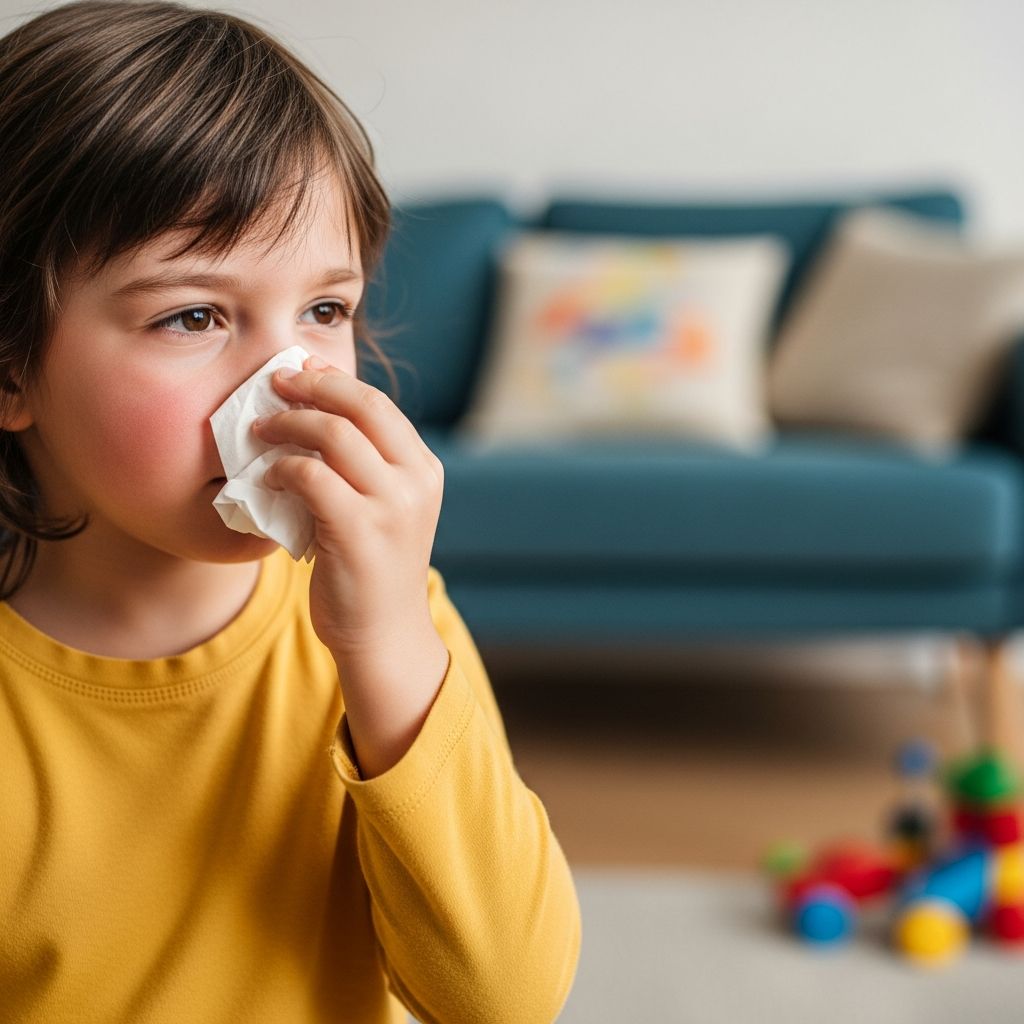
Common colds represent one of the most frequent illnesses in childhood, affecting kids multiple times each year due to their developing immune systems and frequent group interactions. Knowing the contagious window helps parents make informed choices about school attendance, playdates, and family gatherings. Children typically shed viruses starting days before symptoms emerge and continue until signs fully resolve, which can span 1-2 weeks.
Understanding the Lifecycle of a Child’s Cold
Colds progress through distinct phases in children, each with varying contagion risks and symptom profiles. This timeline informs when isolation measures are most critical.
Incubation: The Hidden Spread Phase
After exposure to rhinoviruses or other culprits—often over 200 types total—children enter an incubation period of 12 hours to 3 days, sometimes extending to 14 days. During this asymptomatic window, viral shedding begins, meaning kids can infect others via respiratory droplets or contaminated surfaces without showing signs. A tickle in the throat or mild fatigue might hint at onset, but transmission risk remains high.
Peak Symptoms: Heightened Infectiousness
Symptoms escalate 2-3 days post-exposure, marking the peak contagious period of 3-4 days when viral loads are highest. Runny noses, sneezing, coughing, sore throats, and low-grade fevers dominate, especially in young ones whose immune responses trigger more noticeable fever. Parents observe congested breathing, irritability, and disrupted sleep as kids expel droplets prolifically.
Recovery: Lingering Transmission Risk
By days 7-10, most symptoms wane, but coughs or nasal congestion can persist up to 2-3 weeks, sustaining contagion. Full clearance occurs once all signs vanish, typically 1-2 weeks total, longer in infants. Medications ease discomfort but do not shorten infectiousness.
| Stage | Duration | Key Symptoms | Contagion Risk |
|---|---|---|---|
| Incubation | 1-3 days (up to 14) | None or mild tickle/fatigue | High (pre-symptomatic shedding) |
| Peak | Days 2-5 | Runny nose, cough, fever, aches | Highest (3-4 days max viral load) |
| Late/Recovery | Days 6-14+ | Lingering cough, congestion | Moderate until resolved |
Recognizing Cold Symptoms in Kids
Distinguishing colds from allergies or flu aids timely management. Primary indicators include:
- Respiratory signs: Stuffy/runny nose, frequent sneezing, persistent cough.
- Throat and general discomfort: Scratchy throat, headaches, fatigue.
- Child-specific: Fever (common in kids), mouth breathing, feeding/sleep issues, irritability.
Unlike flu’s abrupt high fever and body aches, colds build gradually without severe respiratory distress. Mucus shifts from clear to thick/greenish signals immune response, not always bacterial complication.
How Colds Spread Among Children
Transmission occurs via direct droplet contact from coughs/sneezes, or indirect via hands, toys, doorknobs where viruses survive hours. Preschoolers and school-age kids amplify spread in close quarters, rarely covering mouths or washing hands adequately. Sharing utensils or face-touching post-contact accelerates chains. Babies mouth objects touched by peers, heightening vulnerability.
Duration and Contagion Benchmarks for Kids
- Total length: 7-10 days average, up to 2-3 weeks for cough.
- Contagious span: From 1-2 days pre-symptoms through resolution; peak first 3 days symptomatic.
- Children vs. adults: Kids contagious longer (up to 2 weeks+), fevers more frequent.
Even improving symptoms warrant caution, as clearer mucus or energy rebound does not end shedding.
School and Daycare Guidelines
Health experts recommend excluding children with fever, heavy coughing, or unwell appearance to curb outbreaks. Return once fever-free 24 hours (no meds), cough minimal, and energy restored—often day 5-7. Alberta guidelines specify home if fever/cough prominent; CDC advises precautions 5 days post-onset.
Supporting Recovery at Home
Focus on symptom relief and rest:
- Hydration: Plenty of fluids thin mucus.
- Humidification: Cool-mist humidifiers ease congestion.
- Saline drops: Nasal irrigation for infants.
- Elevation: Raised head during sleep reduces post-nasal drip.
- Comfort: Honey (over 1 year) for cough, OTC per age.
Monitor for escalation: fever >5 days, breathing trouble, ear pain signaling secondary infections (5-10% cases). Antibiotics ineffective against viral colds; reserve for bacterial complications.
Prevention Strategies for Families
Minimize introduction and spread:
- Hand hygiene: Soap 20+ seconds, especially post-nose wipe.
- Respiratory etiquette: Cover coughs into elbow/tissue, dispose promptly.
- Surface sanitation: Disinfect high-touch areas daily.
- Isolation: Separate sick child, no shared items.
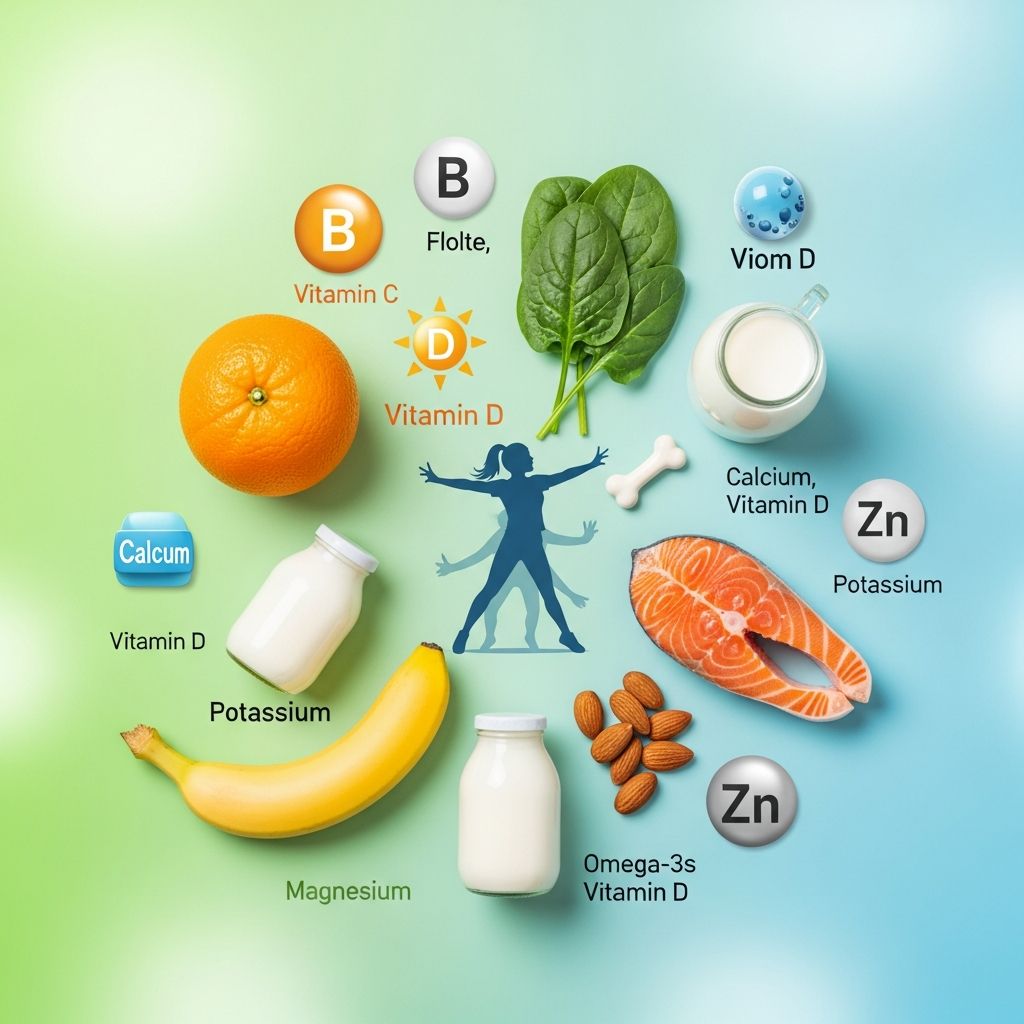
- Boost immunity: Balanced diet, sleep, flu shots reduce overlap.
Avoid blame on weather; viruses thrive indoors year-round.
When to Consult a Pediatrician
Seek care for:
- High/persistent fever (>102°F/39°C >3 days).
- Wheezing, rapid breathing, chest retractions.
- Dehydration (dry diapers, no tears).
- Ear tugging, prolonged irritability.
- No improvement after 7-10 days.
High-risk kids (asthma, prematurity) merit earlier evaluation.
Frequently Asked Questions About Kids’ Colds
Are children contagious before showing cold symptoms?
Yes, shedding starts 1-2 days prior during incubation.
How long after a cold starts is a child most contagious?
Peak at 3-4 days post-onset, when symptoms intensify.
Can a child with a cold go to school?
No if feverish, coughing excessively, or unwell; wait until improved.
Do colds last longer in babies?
Yes, symptoms and contagion can extend beyond 2 weeks.
Is green mucus a sign of bacterial infection?
Not necessarily; indicates immune activity. Persistent fever warrants check.
Can colds be prevented entirely?
Not fully, but hygiene slashes transmission by 20-50%.
This comprehensive guide empowers parents to navigate colds confidently, balancing recovery with community safety. Early vigilance prevents wider spread.
References
- Common Cold | Colorado Department of Public Health and Environment — Colorado Department of Public Health & Environment. 2023. https://cdphe.colorado.gov/child-care-school-settings/common-cold
- How long is a cold contagious? — Quest Diagnostics. 2023. https://www.questdiagnostics.com/patients/blog/articles/how-long-is-a-cold-contagious
- Common Cold (Rhinovirus): Symptoms, Causes & Treatment — Cleveland Clinic. 2023-10-23. https://my.clevelandclinic.org/health/diseases/12342-common-cold
- How Long Are You Contagious After Being Sick? — Scripps Health. 2023-10-17. https://www.scripps.org/news_items/7936-how-long-are-you-contagious-after-being-sick
- Common cold in children: HEAL — MyHealth Alberta. 2023. https://myhealth.alberta.ca/Health/Pages/conditions.aspx?hwid=custom.ab_heal_commoncold_child_inst
- Common cold — NHS. 2023-01-23. https://www.nhs.uk/conditions/common-cold/
- Preventing Spread of Respiratory Viruses When You’re Sick — Centers for Disease Control and Prevention (CDC). 2024. https://www.cdc.gov/respiratory-viruses/prevention/precautions-when-sick.html