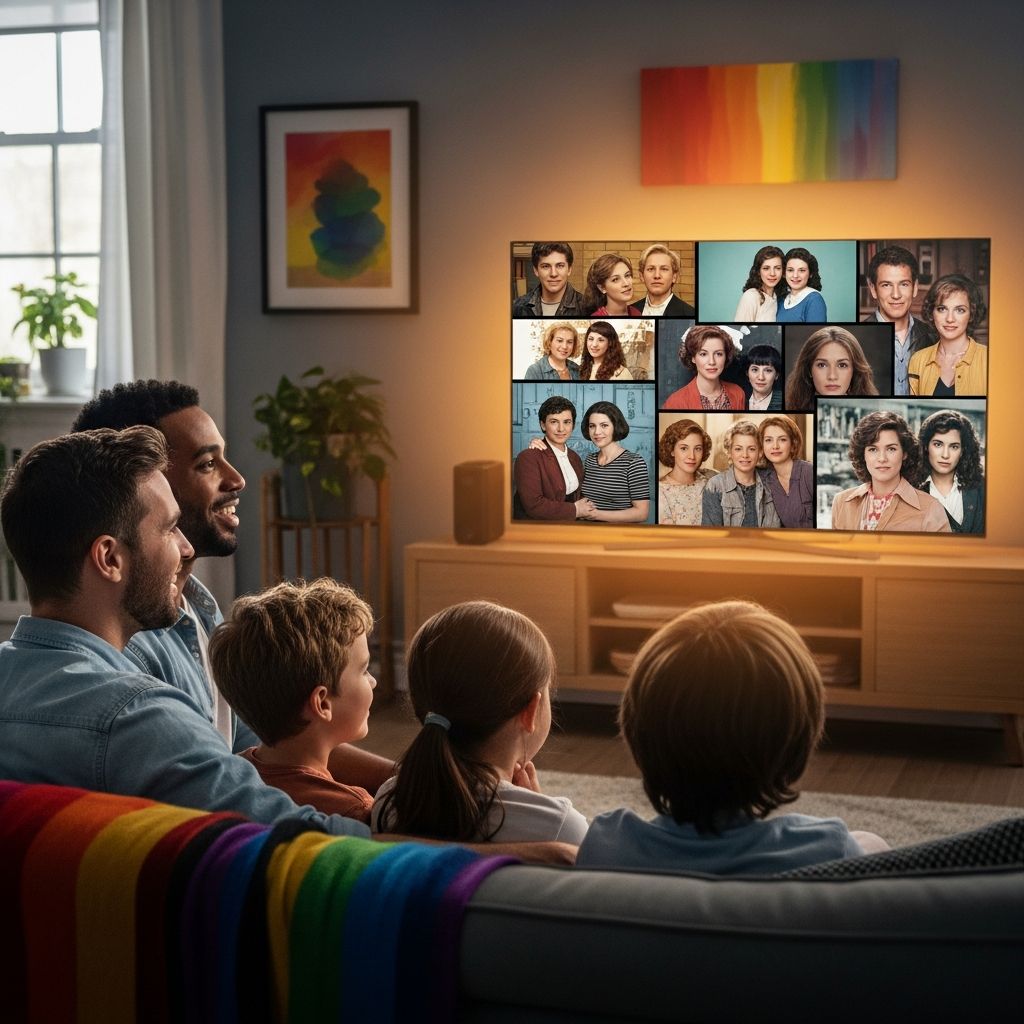
Television has long served as a mirror to society, reflecting evolving norms around family structures. In recent decades, shows featuring LGBTQ+ families have moved from marginal representations to central narratives, fostering greater understanding and acceptance. These portrayals highlight not just romantic relationships but the full spectrum of parenting, adoption, and community bonds, often termed “chosen families.”
The Rise of Normalized LGBTQ+ Parenthood on Screen
The depiction of gay and lesbian parents in mainstream TV marks a significant shift from earlier stereotypes. Prior to the 2010s, queer characters were often sidelined or portrayed negatively. Today, series showcase stable, loving households that parallel traditional ones, humanizing these families and bridging gaps with broader audiences.
Statistics underscore the real-world relevance: approximately 19% of gay or bisexual men and 49% of lesbian or bisexual women are parents. TV’s focus on these dynamics helps normalize such households, potentially increasing societal acceptance.
Iconic Sitcoms Redefining Family Dynamics
Sitcoms have been instrumental in introducing queer families to prime-time viewers. One landmark series follows three interconnected suburban households, including a committed same-sex couple raising an adopted daughter. Their story arcs through everyday challenges like weddings, school events, and generational clashes, presenting their life as utterly ordinary yet profoundly affirming.
This normalization was groundbreaking, especially pre-legalization of same-sex marriage in the US. The couple’s enduring popularity even sparked spin-off rumors, demonstrating lasting impact.
Blended Families and Generational Acceptance
These narratives often explore tensions and triumphs across generations. Homophobic relatives evolve through exposure to authentic queer parenting, mirroring real societal shifts. Such plots emphasize resilience and love as family cornerstones.
Drama Series Spotlighting Chosen Kinship
Beyond sitcoms, dramas delve deeper into the concept of chosen families—vital support networks for many in the LGBTQ+ community, particularly those rejected by biological kin. Set against historical backdrops like the 1980s HIV/AIDS crisis, one acclaimed series portrays “houses” in New York’s ballroom culture. These are surrogate families led by maternal figures, providing refuge, competition, and unconditional support.
The House of Evangelista exemplifies this: dancers and artists unite amid adversity, competing in balls while nurturing one another. The show addresses trans identities, political violence, and survival, blending glamour with gritty realism.
From Ballrooms to Modern Neighborhoods
Revivals and spin-offs extend these themes into contemporary settings. A New Orleans friend group forms a tight-knit unit through shared traumas like shootings, evolving into a familial bond. Even 23 years on, the need for community persists amid fluid identities.
Transgender Narratives and Family Transitions
Shows featuring transgender parents capture the emotional complexities of late-life transitions. One poignant series tracks a family after the patriarch comes out as a trans woman. Inspired by the creator’s personal experience, it portrays chaos, tenderness, and growth as relatives adjust, highlighting queerness at every level.
This representation validates late-blooming identities and the ripple effects on loved ones, emphasizing empathy over judgment.
Lesbian-Led Households in Youth-Focused Dramas
Teen-oriented series often center lesbian couples as pillars of stability. A foster family headed by a police officer and a school principal welcomes biological, adopted, and foster children, including queer youth navigating identity.
From supporting a gender-nonconforming teen through first loves and heartbreaks to expanding their home endlessly, these parents model boundless love. Their story underscores adoption’s role in queer family-building.
| Show | Family Type | Key Themes | Impact |
|---|---|---|---|
| Modern Family | Gay dads with adopted daughter | Everyday parenting, marriage equality | Normalized prime-time queer couples |
| Pose | Ballroom houses (chosen families) | HIV crisis, trans visibility, community | Emmy-winning authentic representation |
| The Fosters | Lesbian moms with foster kids | Adoption, queer youth support | Big-hearted family expansion |
| Transparent | Trans parent and adult children | Late transition, family adaptation | Personalized emotional depth |
Historical Milestones in Queer TV Parenting
Earlier shows laid groundwork. A musical dramedy featured a teen diva raised by two gay dads—supportive, Broadway-obsessed parents navigating her ambitions. This countered promiscuity stereotypes with devoted fatherhood.
Likewise, an HBO family drama showed a gay couple adopting siblings amid personal ups and downs, blending grief with hope. Even comedies like a certain bunch subtly influenced via actors’ real lives, though not overtly queer.
Musical and Animated Takes on Queer Dads
Animation and musicals broaden reach. One kids’ cartoon includes loving gay fathers, making inclusivity accessible to young viewers. Meanwhile, high school glee clubs depict supportive dads for queer performers, drawing from creators’ wished-for realities.
Challenges and Progress in Representation
Despite advances, critiques persist: early portrayals risked one-dimensionality, but modern ones prioritize depth. Experts note this evolution counters deviant tropes, promoting monogamous, family-oriented images.
Public figures credit such shows for attitude shifts, akin to past sitcoms sparking gay acceptance.
Societal Impact of Queer Family TV
By humanizing LGBTQ+ parents in relatable settings, TV fosters empathy. Viewers see shared struggles—diapers, school runs, rebellions—dissolving “otherness.” This visibility correlates with policy wins like marriage equality.
- Increased Relatability: Family contexts make characters accessible.
- Counter-Stereotyping: Shifts from deviance to devotion.
- Youth Guidance: Models allyship and self-acceptance.
Future Directions for Inclusive Storytelling
Upcoming series promise deeper dives into polyamory, non-binary parenting, and global queer families. As tech like streaming expands reach, representation will likely diversify further, reflecting fluid modern kinship.
Frequently Asked Questions (FAQs)
What was the first major TV show with gay parents?
Modern Family prominently featured a happy gay couple adopting in 2009, normalizing it for prime time.
How do chosen families differ from biological ones in TV?
Chosen families, like Pose’s houses, form from shared experiences and rejection, offering chosen support networks.
Do these shows accurately reflect real LGBTQ+ parenting stats?
Yes, aligning with data: nearly half of lesbian women parent, mirrored in diverse portrayals.
Why are lesbian moms common in foster care stories?
Series like The Fosters highlight real adoption trends and supportive parenting styles.
Has queer family TV influenced public opinion?
Absolutely; figures like Joe Biden credit similar shows for shifting attitudes toward acceptance.
References
- TV’s Chosen Families: 14 Shows That Embrace LGBTQ+ Kinship — Amex Essentials, Victoria Luxford. 2023. https://www.amexessentials.com/lgbtq-tv-chosen-families-gold/
- LGBT Parents on American Television — University of Southern Mississippi Honors Thesis. 2014-10-01. https://aquila.usm.edu/cgi/viewcontent.cgi?article=1230&context=honors_theses
- Who’s Gay On TV? Dads, Journalists, Investigators And Footmen — KUNC, Neda Ulaby. 2013-01-02. https://www.kunc.org/2013-01-02/whos-gay-on-tv-dads-journalists-investigators-and-footmen
- 7 Shows Featuring Queer Families — Gaysi Family. N/A. https://gaysifamily.com/lifestyle/7-shows-featuring-queer-families/
- These shows introduced our favorite gay TV dads of all time — Out.com. N/A. https://www.out.com/gay-tv-shows/show-with-gay-dads
- 15 Excellent LGBTQ TV Parents — Autostraddle. N/A. https://www.autostraddle.com/15-excellent-lgbtq-tv-parents-because-i-started-watching-succession-and-yikes/