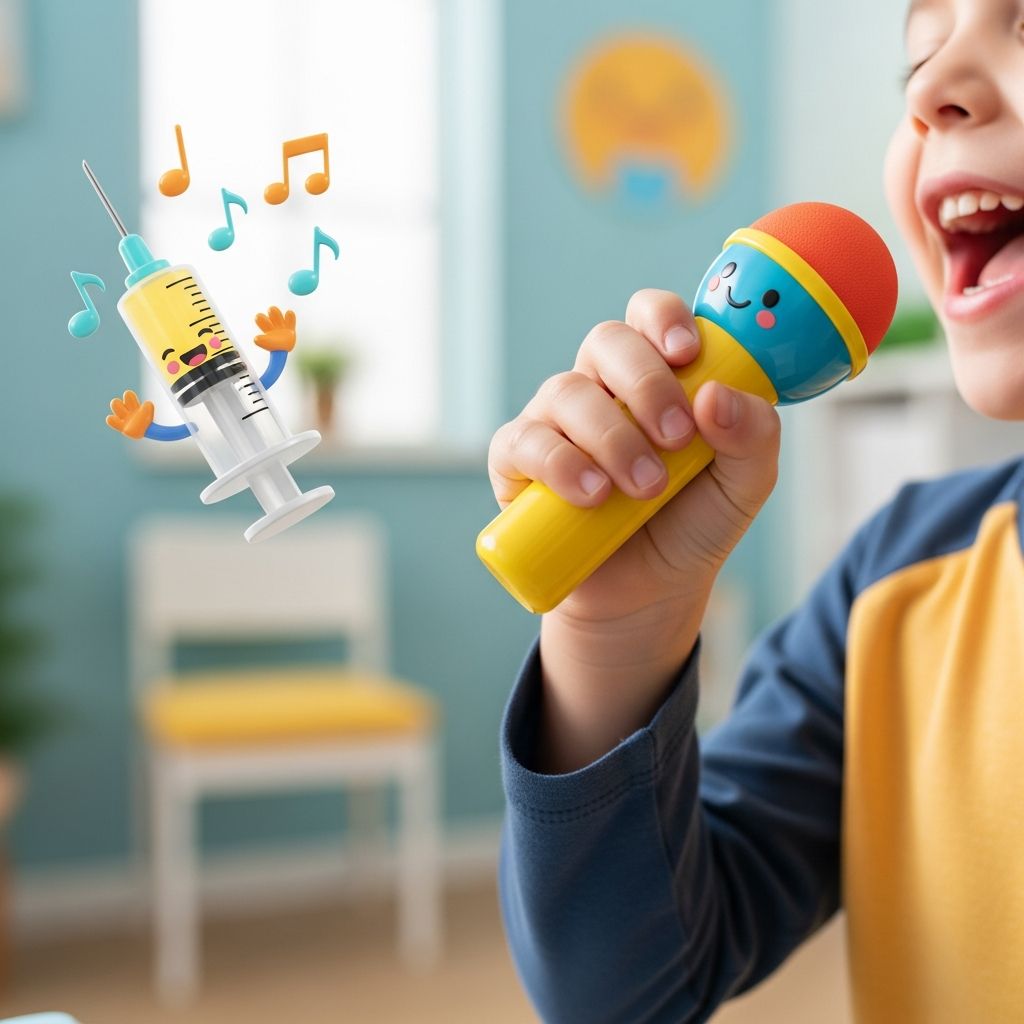
For many kids, the word “shot” instantly brings up fear, tears, and a strong desire to hide behind a parent’s legs. Vaccines are a routine part of childhood, but the emotions they trigger rarely feel routine. Musical memes, playful kids’ songs, and lighthearted nicknames for vaccines have become one surprising tool that helps families turn a moment of anxiety into something kids can handle—and even laugh about.
This article explores how music and silliness can make vaccine appointments less scary, and offers concrete, evidence-informed strategies you can use before, during, and after the visit to help your child feel safe, respected, and brave.
Why Shots Feel So Big To Small Humans
To adults, vaccines are quick and practical. To kids, they are loud on every level—sensory, emotional, and social. Understanding this helps you respond with empathy rather than frustration when your child panics in the exam room.
- Kids’ brains are still learning to regulate fear, so anticipation can be worse than the brief pain.
- Medical offices layer stressors: bright lights, new smells, masked faces, and unfamiliar tools.
- Children often feel a loss of control, especially if they don’t know what is happening or when it will end.
When adults downplay this—“It’s no big deal” or “Don’t be a baby”—kids learn that their fear is not taken seriously, which can make the next visit even harder. Instead, the goal is to acknowledge the fear and then offer tools for coping.
The Psychology Behind Singing Away Fear
There’s a reason silly vaccine songs and rhymes spread so quickly: they tap into how children naturally process the world. Music, rhythm, and repetition help transform something mysterious and scary into something more familiar and predictable.
- Music regulates emotion: Singing can slow breathing, focus attention, and interrupt spirals of worry.
- Humor lowers threat: When kids laugh, their bodies shift out of fight-or-flight, making it easier to tolerate brief discomfort.
- Repetition builds mastery: A catchy chorus kids can repeat gives them a sense of control in a situation they don’t fully control.
By wrapping vaccines in storytelling and song, you give your child a script that is bigger than the needle: a small hero facing a quick challenge to protect themselves and their community.
Reframing Vaccines As A Hero Mission
Many popular kids’ vaccine songs cast the shot as a tiny superhero helper or a special shield upgrade. That framing works because it speaks to children’s sense of justice and adventure, not just their fear of pain.
- Explain vaccines as “training your body’s army” rather than “putting a virus in you.”
- Use imagery kids recognize, like shields, force fields, or power-ups from their favorite stories.
- Emphasize the kindness angle—getting vaccinated helps protect babies, grandparents, and friends.
When kids see vaccines as a mission they are brave enough to complete, they are less likely to feel tricked and more likely to feel proud.
Planning Ahead: A Calm-First Strategy
The calmer you are, the easier it is for your child to borrow that calm. Preparing a few days in advance lets you shape the mood instead of reacting to a meltdown in the waiting room.
Before The Appointment
- Tell your child in advance, in age-appropriate language, that a vaccine is coming—avoid surprise shots.
- Explain what will happen in simple steps: check-in, wait, talk to the doctor, quick poke, then home.
- Introduce a fun song or chant about staying strong or helping your body fight germs.
- Offer choices where possible (which comfort toy to bring, which sleeve to roll up) to increase their sense of control.
During The Appointment
- Stay physically close—sit with your child on your lap or beside you if allowed.
- Use grounding tools like counting breaths, squeezing a stress ball, or looking at a picture on the wall.
- Sing quietly, hum a familiar tune, or repeat a simple, playful phrase you practiced at home.
- Validate feelings: “It’s okay to be scared. I’m right here, and it will be very quick.”
After The Shot
- Label what happened: “You did something brave that helps your body stay safer.”
- Offer a planned reward, like a sticker, extra story, or special park visit, without calling it a bribe.
- Ask for your child’s version of the story—then gently highlight their strengths and coping skills.
Sample Storylines And Songs You Can Adapt
Instead of copying any particular kids’ vaccine song word-for-word, you can create your own simple, goofy version tailored to your child’s age and interests. Aim for short, repeatable lines with a light rhythm your child already knows.
- Use a tune your family sings often and swap in new lyrics about “strong arms” and “helper shots.”
- Create a call-and-response format where you say a line and your child echoes a word or sound.
- Include your child’s name and favorite characters to make it feel personal and empowering.
You don’t need to be musical. Kids care far more about connection than pitch. Off-key, original, and silly is perfect.
Table: Age-by-Age Coping Ideas For Vaccine Visits
| Age Group | How They Experience Shots | Helpful Approaches |
|---|---|---|
| Toddlers (1–3) | Overwhelmed by new sensations, limited words for fear, seek comfort from caregivers. | Lap holds, simple phrases (“small poke, big hug”), favorite stuffed animal, short humming or gentle singing. |
| Preschoolers (3–5) | Imaginative, literal, sensitive to tone; fear often focused on “the needle.” | Play-acting doctor at home, drawing “super shields,” catchy rhymes, choices about bandage color. |
| Early Elementary (6–8) | Curious, ask many questions, may exaggerate danger in their minds. | Honest explanations, simple science metaphors, co-writing a “bravery song,” counting games during the shot. |
| Older Kids (9–12) | More aware of social image, may hide anxiety or make jokes. | Respectful collaboration, agreeing on a coping plan, humor, giving them a role in helping younger siblings. |
| Teens | Concerned with autonomy, may resent feeling forced or talked down to. | Direct conversations, sharing trusted medical information, letting them choose music or distraction on a phone. |
Honesty Without Overload: What To Say (And Avoid)
Children cope best with clear, calm, and truthful information that matches their developmental level. Too many details can be as unhelpful as too few.
- Avoid vague reassurances like “You won’t feel anything”; instead say “It will pinch for a moment, then it’s done.”
- Skip graphic descriptions of needles, germs, or side effects that fuel anxious imagination.
- Give a simple “why”: vaccines help your body recognize germs so you don’t get as sick if you meet them later.
If your child asks hard questions—about safety, side effects, or why vaccines are needed—you can admit what you don’t know and offer to look it up together or ask the doctor directly.
Addressing Common Fears About Vaccine Safety
Kids often echo adult worries they overhear, even when they don’t fully understand them. Separating rumor from reality in age-appropriate language helps your child feel secure and teaches them how to think critically about health information.
- Emphasize that vaccines are tested carefully and used for many children before they are recommended widely.
- Explain that minor side effects—like a sore arm or feeling tired—are signs the immune system is learning.
- Reassure your child that serious side effects are rare and that medical teams watch closely for them.
Workers in children’s hospitals and clinics design schedules and doses specifically with kids’ bodies in mind, which can be reassuring for both parents and children.
When Anxiety Runs High: Extra Support Strategies
Some children have more intense fears than others. That doesn’t mean you’ve done anything wrong—it simply means they may need more structure and support.
- If your child has fainted with shots before, let the clinic know so they can offer lying-down positions or extra observation.
- Ask if numbing creams or cold sprays are available to reduce the sting.
- Practice coping skills like deep breathing, counting backwards, or squeezing a parent’s hand in a “brave squeeze” rhythm.
For older kids with strong medical anxiety, a brief consultation with a pediatric mental health professional can provide a tailored plan that turns future visits from traumatic to tolerable.
Building A Family Culture Of Bravery
One playful song can help in the moment, but long-term ease with vaccines grows out of the stories your family tells about health, courage, and community. Small rituals around shot days can make a big difference.
- Create a “bravery wall” at home with drawings, certificates, or photos after each vaccine visit.
- Share your own childhood stories of being afraid and getting through hard things.
- Let siblings cheer each other on and celebrate everyone’s efforts, not just the absence of tears.
Over time, kids begin to view vaccines as one more challenge they know how to handle, not an unpredictable monster to dread.
Simple Do’s And Don’ts For Parents
- Do stay calm and speak slowly; your tone sets the emotional temperature of the room.
- Do acknowledge fear and praise specific coping behaviors (“You took three big breaths even though you were scared”).
- Do prepare ahead with songs, stories, and choices.
- Don’t shame your child for crying or comparing them to braver siblings or friends.
- Don’t threaten shots as punishment in everyday life—it increases dread.
- Don’t promise “no pain”; promise support and quick endings instead.
Frequently Asked Questions About Kids, Songs, And Shots
1. Will making jokes about vaccines make my child take them less seriously?
Lighthearted songs and nicknames don’t minimize the importance of vaccines; they soften the emotional impact of the experience. You can hold both truths at once: “This is important for your health, and we’re allowed to use silly songs to make it easier.” Kids understand tone and context, especially when you pair humor with clear respect for medical staff and rules.
2. What if my child refuses to sing or play along?
Not every child will want to sing at the clinic, and that’s okay. The point of songs and stories is to offer options, not to force performance. You can still quietly hum, remind them of the “story” you created together, or lean on non-musical tools like deep breathing, counting, or a favorite video while keeping the overall tone warm and accepting.
3. Are there kids for whom these playful strategies don’t work?
Children with significant sensory sensitivities, trauma histories, or strong needle phobias may need more structured approaches, such as step-by-step desensitization or professional support. Even then, elements of play—gentle humor, simple rhythms, predictable scripts—can be layered in carefully, as long as the child remains in charge of the pace and can say when something feels like too much.
4. How can I talk to skeptical relatives in front of my child?
If relatives express doubts about vaccines, try to shift detailed debates to a private setting. Around your child, keep the focus on feeling safe and supported: “In our family, we follow our doctor’s advice to help keep everyone healthy.” That preserves your child’s sense of security without turning them into the audience for adult arguments they’re not ready to process.
5. My child had a rough last visit. Can we repair the experience?
Yes. Talk openly afterward about what was hard and what might help next time. Invite your child to help design a new “shot day plan,” including a fresh song, a comfort item, and a clear reward. When kids see their feedback shaping the next visit, they regain a sense of power and are more willing to try again.
From Ouch To Anthem
Vaccines will probably never be your child’s favorite activity, and they don’t need to be. The goal is not to erase all fear, but to surround a brief, necessary discomfort with enough connection, humor, and preparation that your child discovers a deeper truth: feeling scared and being brave can happen at the same time.
With a simple song, a steady presence, and a story that casts them as the hero of their own health journey, your child can walk into the clinic anxious and walk out knowing they did something important—not just for themselves, but for the people they love.