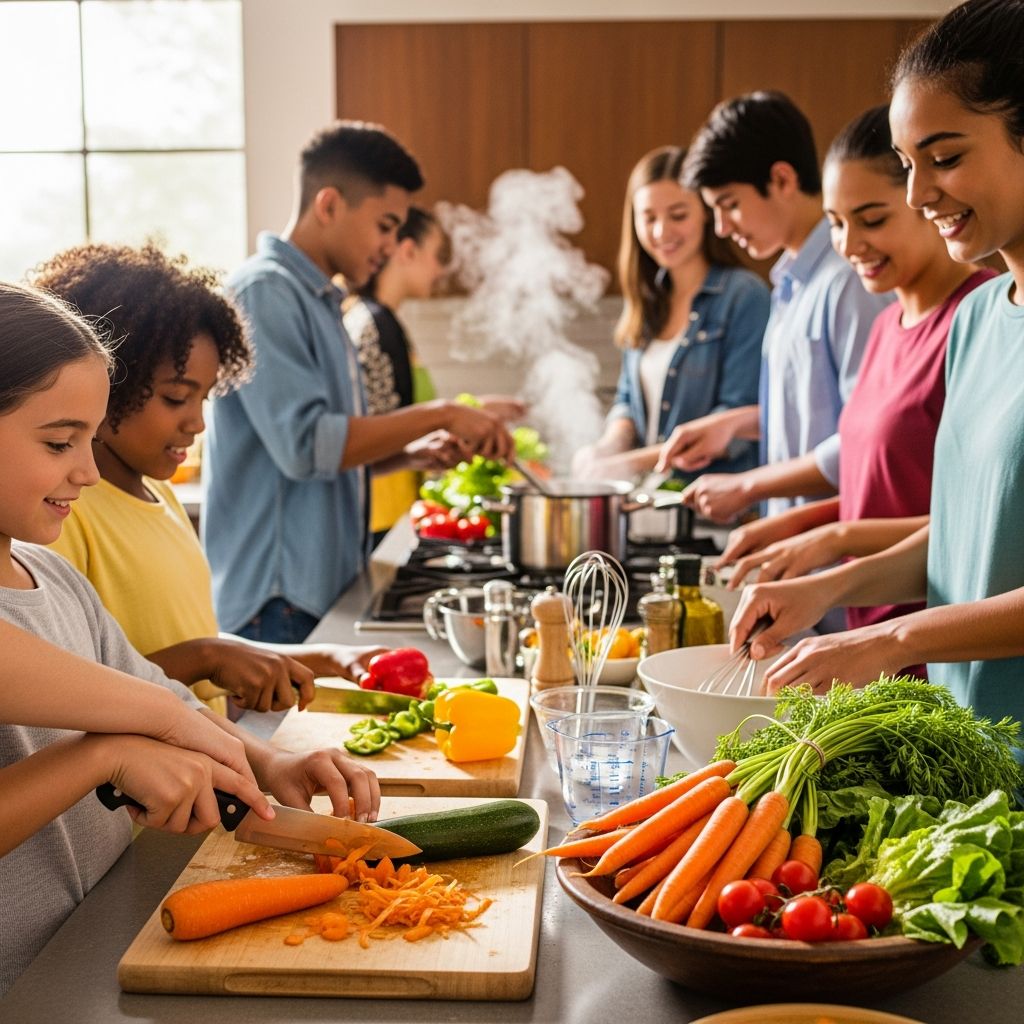
Carrots are one of the easiest vegetables for kids and teens to learn to cook, and they fit into almost any meal. They are inexpensive, naturally sweet, and forgiving if the timing is not perfect, which makes them ideal for new cooks who are still learning their way around the kitchen.
This guide walks through simple, reliable ways to cook carrots on the stove and in the oven, with kid-friendly flavors, safety reminders, and practical tips for building independence in the kitchen. By the end, a young cook will know how to turn a plain bag of carrots into a side dish they can be proud to serve.
Why Carrots Are Great for New Cooks
Before getting into specific methods, it helps to understand why carrots are such a smart starting point. Knowing the “why” behind an ingredient builds confidence and makes following any recipe easier.
- They are sturdy and forgiving, so they will not fall apart easily if cooked a few minutes longer than planned.
- They are naturally sweet, which appeals to picky eaters and makes simple seasoning taste special.
- They store well in the fridge for weeks, so kids can practice several times with the same bag.
Kitchen Safety Basics for Young Cooks
Safety comes before any recipe. Parents and guardians should supervise until a child has shown they can follow rules carefully. Going over these points together makes the kitchen feel less intimidating and more like a place to explore.
- Always wash hands with soap and water before and after cooking.
- Use a stable cutting board and keep fingers curled under (a “claw” grip) when using a knife.
- Turn pot handles inward on the stove so they are not bumped accidentally.
- Keep towels, paper, and plastic away from hot burners and open flames.
- Never walk away from a lit burner or a pan in the oven without a timer set.
Choosing and Prepping Carrots
Good results start with good prep. Once a young cook learns how to choose, wash, and cut carrots, every cooking method becomes easier and quicker.
Selecting Carrots
- Look for firm carrots without soft spots or slimy areas.
- Avoid carrots that are bendy, cracked, or very dry at the tips.
- For beginners, full-size carrots are easier to cut than very thin baby carrots.
Washing and Peeling
Carrots grow under the ground, so they often arrive with a little dirt. That is normal, but it does need to be removed.
- Rinse carrots under cold running water and gently scrub with a vegetable brush if you have one.
- Peel if desired, using a vegetable peeler pointed away from the body to avoid slips.
- Trim off the stem end and the thin root tip with a knife.
Basic Cutting Shapes
Cutting carrots into even pieces helps them cook at the same speed. Kids can start with simple shapes and move to more creative cuts later.
- Rounds: Slice across the carrot into coins, roughly the same thickness.
- Sticks: Cut the carrot in half, then into long pieces about the size of thick fries.
- Half-moons: Slice the carrot lengthwise, then cut across to make half circles.
Boiled Carrots: The Simpler Starter Method
Boiling carrots is a great first lesson because it uses only water, heat, and time. Once this method feels comfortable, adding flavors becomes second nature.
How to Boil Carrots
- Place cut carrots in a small pot and add enough water to cover them by about one inch.
- Set the pot on the stove and turn the heat to medium-high until the water begins to bubble steadily.
- Reduce heat to medium so the water is gently boiling, not splashing everywhere.
- Cook until the carrots are tender when poked with a fork, usually between 8 and 12 minutes depending on size.
- Turn off the heat carefully, pour the carrots into a colander in the sink, and let the water drain away.
Simple Flavor Ideas for Boiled Carrots
Once the carrots are drained, they are ready for seasoning. This step is where kids can experiment and discover what they like.
- A small spoonful of butter and a pinch of salt.
- A drizzle of olive oil with dried herbs like parsley or thyme.
- A tiny bit of honey or maple syrup for extra sweetness, especially if the carrots are very plain.
Sautéed Carrots: Learning Heat Control
Sautéing (cooking in a small amount of fat in a pan) helps kids learn how to manage stove heat and stir food without burning it. Carrots become tender but hold their shape, and the surface develops extra flavor.
Basic Sautéed Carrot Technique
- Place a medium pan on the stove and add a spoonful of butter or oil.
- Turn the heat to medium and wait until the butter melts or the oil looks shiny.
- Add sliced carrots to the pan and stir to coat them in the fat.
- Cook, stirring every couple of minutes, until the carrots soften and brighten in color.
- If the carrots start to brown too quickly, slightly lower the heat and continue stirring.
Flavor Boosts for Sautéed Carrots
Once the carrots are almost tender, small additions can completely change the taste. Kids can try a few and pick a favorite.
- A squeeze of lemon juice and a pinch of salt.
- A sprinkle of dried basil, oregano, or Italian seasoning.
- A small spoonful of soy sauce for a lightly savory twist.
Oven-Roasted Carrots: Hands-Off and Flavorful
Roasting carrots in the oven is perfect for busy evenings because most of the cooking is hands-off. The dry heat of the oven concentrates their natural sugars, giving them a deeper, slightly caramelized flavor.
Roasted Carrot Fries
- Preheat the oven to a medium-high temperature, such as 200°C or 400°F.
- Cut carrots into thick sticks, similar in size to French fries.
- Toss the sticks with a little oil, salt, and optional mild spices like paprika.
- Spread them in a single layer on a baking sheet so they roast instead of steam.
- Bake until the edges are browned and the centers are tender, turning once halfway through.
Honey-Kissed Roasted Carrots
For kids who enjoy a bit of sweetness, a light honey glaze turns roasted carrots into a side dish that feels almost like a treat.
- Whisk together a small amount of oil, honey, and a pinch of salt.
- Toss partially roasted carrots with this mixture during the last few minutes of cooking.
- Return the tray to the oven briefly so the glaze thickens and clings to the carrots.
Glazed Carrots on the Stove
Glazed carrots are cooked gently in a small amount of liquid and fat until the liquid reduces to a shiny coating. This method teaches patience and attention to texture, which are important skills for any recipe.
Simple Stovetop Glazed Carrots
- Place sliced carrots in a shallow pan with a bit of butter or oil, a splash of water, and a tiny pinch of salt.
- Cover the pan and cook over low to medium-low heat until the carrots begin to soften.
- Remove the lid and let the remaining liquid bubble gently until it thickens.
- Stir occasionally so the carrots become lightly coated and glossy.
- Turn off the heat when the carrots are tender and the pan looks almost dry.
Creative Glaze Ideas
Once the basic technique is mastered, changing the flavor is as easy as swapping a few ingredients.
- Use a bit of orange juice plus water for a citrus note.
- Add a small touch of honey or brown sugar for extra sweetness.
- Stir in a pinch of dried herbs at the very end for color and aroma.
Quick Carrot Cooking Comparison
| Method | Best For | Approximate Time | Texture |
|---|---|---|---|
| Boiling | Absolute beginners and simple sides | 8–12 minutes after water boils | Soft and moist |
| Sautéing | Learning heat control and quick dinners | 10–15 minutes | Tender with light browning |
| Roasting | Deep flavor with little stirring | 20–30 minutes | Soft inside, browned edges |
| Stovetop glazing | Special-occasion feel and shiny appearance | 15–20 minutes | Tender with a light coating |
Helping Kids Build Independence in the Kitchen
Cooking carrots is not only about vegetables; it is also about teaching responsibility and planning. Small kitchen tasks can grow into full meal preparation as skills improve.
- Start by assigning easy steps like washing and peeling, then move to cutting and using the stove under supervision.
- Encourage kids to taste as they cook and adjust seasoning, explaining that recipes are guides, not strict rules.
- Ask them to choose which carrot method to use on certain nights so they feel ownership of the meal.
Simple Ways to Use Cooked Carrots
Once carrots are cooked, they can be enjoyed on their own or combined with other foods. Teaching kids how to repurpose leftovers saves money and cuts down on food waste.
- Stir leftover carrots into cooked rice or pasta with a bit of butter or oil.
- Add them to lunchboxes as an easy reheatable side in a small container.
- Mash very soft carrots with a fork and mix into mashed potatoes for extra color and nutrients.
Frequently Asked Questions About Cooking Carrots
Do I have to peel carrots before cooking them?
Peeling is optional as long as the carrots are washed very well. Many people peel them for appearance and because the skin can feel a little tougher, but keeping the peel on is safe and saves time.
How can I tell when carrots are done?
A simple test is to poke a piece with a fork. If the fork slides in easily without the carrot falling apart, it is usually ready. The exact level of softness can be adjusted based on family preference.
Can cooked carrots be reheated?
Yes, cooked carrots reheat well. They can be warmed in the microwave with a splash of water or gently reheated in a pan with a little extra butter or oil.
What if my carrots taste bland?
Bland flavor usually means they need more seasoning or fat. Adding a pinch of salt, a bit of butter or oil, and perhaps an herb or acid like lemon juice often makes a big difference.
Are raw carrots better than cooked?
Both raw and cooked carrots have benefits, so there is no need to choose only one. Raw carrots are crunchy and refreshing, while cooked carrots are easier to chew and can be more appealing to younger children.
Teaching kids and teens to cook carrots gives them a practical, everyday skill that they will use long after they leave home. With a few simple techniques and flavor ideas, a basic vegetable becomes a way to learn confidence, creativity, and independence in the kitchen.