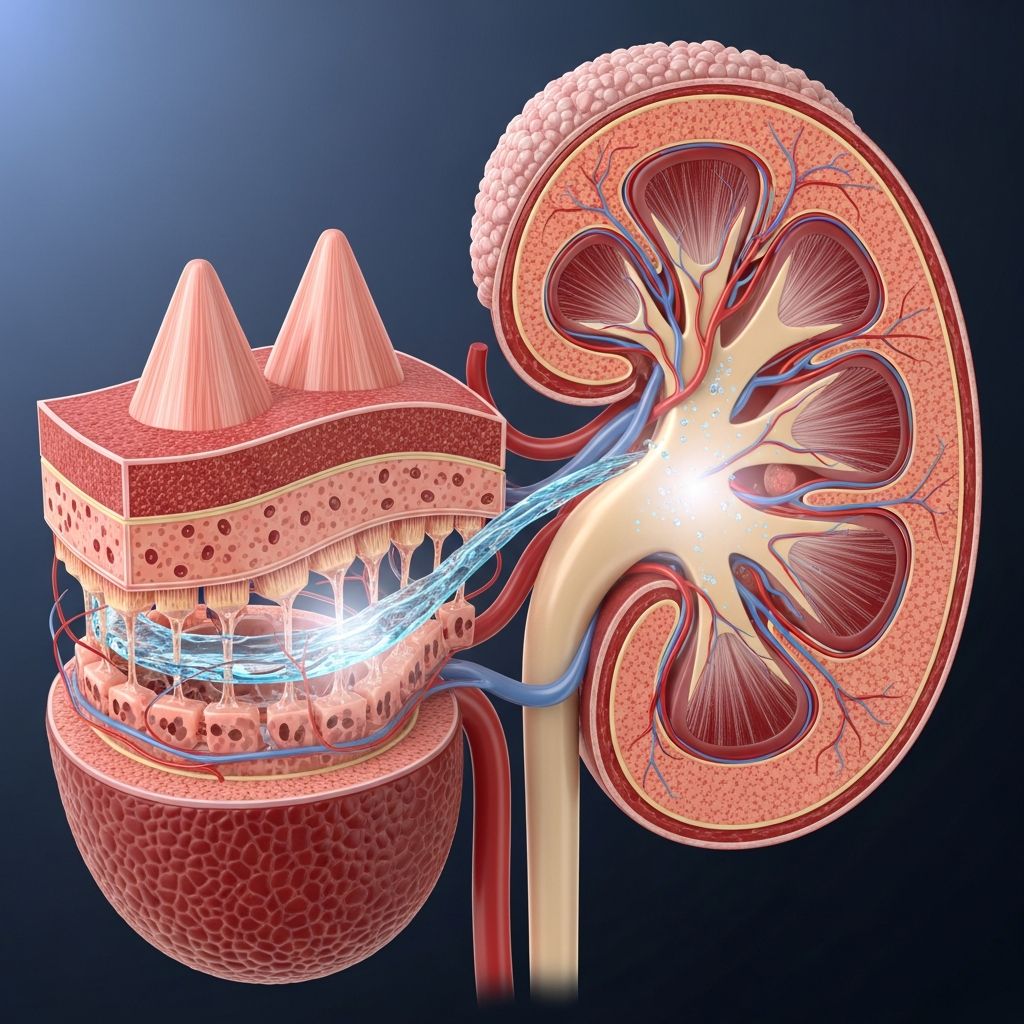
The Vital Role of Your Kidneys in Daily Health
Your kidneys are among the most important organs in your body, working tirelessly to maintain your health and well-being. These bean-shaped organs, typically about the size of your fist, perform numerous critical functions that keep your body functioning properly. Understanding how your kidneys work and why they matter is essential for appreciating the complexity of human biology and recognizing the importance of taking care of these vital organs.
Located on either side of your spine, just below the ribcage, your kidneys process enormous amounts of blood every single day. In fact, every few minutes, all the blood in your body passes through these remarkable filters. This continuous process ensures that harmful substances are removed while beneficial components are retained, maintaining the delicate balance your body needs to thrive.
How Your Kidneys Filter Blood and Create Urine
The primary function of your kidneys is to filter waste products and excess water from your bloodstream, transforming them into urine that your body can eliminate. This process is remarkably sophisticated, involving millions of tiny structures working in concert to protect your health.
Inside each kidney are approximately one million microscopic units called nephrons. Each nephron functions as an individual filtration system, containing delicate networks of blood vessels and tiny tubules. When unfiltered blood enters a kidney through specialized blood vessels called arteries, it branches into progressively smaller vessels that eventually reach these nephrons.
Within the nephron, a structure called the glomerulus acts as the primary filter. Here, the blood pressure forces water and small waste molecules through the vessel walls while keeping blood cells and larger, beneficial molecules inside the bloodstream. The filtered fluid then travels through a series of tiny tubes, where additional filtering occurs. During this secondary filtration, your body retrieves valuable substances like glucose, amino acids, and specific ions that need to remain in your circulation. The remaining fluid, now containing only waste and excess water, becomes urine.
The urine travels from your kidneys through tubes called ureters into your bladder, where it accumulates until you use the bathroom. When you urinate, the urine exits your body through another tube called the urethra, carrying away waste products that would otherwise accumulate to dangerous levels.
Beyond Filtration: The Multiple Functions of Healthy Kidneys
While filtering waste is the most visible function of your kidneys, these organs perform numerous other critical roles that many people don’t realize. A comprehensive understanding of kidney function reveals just how essential they are to your overall health.
Maintaining Chemical and Fluid Balance
Your kidneys carefully regulate the levels of important chemicals and minerals in your blood, including sodium, potassium, calcium, and phosphorus. By controlling the amount of fluid your body retains or eliminates, your kidneys maintain the precise chemical composition your blood needs. This balancing act is crucial because even small deviations from normal levels can disrupt other body systems and lead to serious health consequences.
Regulating Blood Pressure
Your kidneys play a significant role in controlling blood pressure by adjusting the volume of fluid in your bloodstream. They accomplish this through multiple mechanisms, including the production of hormones that influence blood vessel function and salt retention. When your kidneys function properly, they help ensure that your heart can pump blood efficiently to all parts of your body.
Supporting Red Blood Cell Production
Your kidneys produce a hormone called erythropoietin, which stimulates your bone marrow to create red blood cells. Red blood cells are absolutely essential because they carry oxygen to every cell in your body and remove waste products. Without adequate red blood cell production, you would develop anemia, characterized by fatigue and weakness.
Activating Vitamin D for Bone Health
Your kidneys activate vitamin D from foods and sunlight exposure, transforming it into a form your body can use. This active vitamin D is necessary for your intestines to absorb calcium, which is essential for building and maintaining strong bones and teeth. Without properly functioning kidneys, your body cannot effectively process vitamin D, potentially leading to weak bones and other skeletal problems.
Maintaining Acid-Base Balance
Your kidneys help maintain your body’s pH level, which is critical for the proper functioning of enzymes and cellular processes. They regulate the balance between acids and bases in your blood, ensuring that your internal environment remains stable enough to support life.
How Your Body Determines Kidney Health
When doctors want to assess how well your kidneys are working, they look for specific indicators in your blood. The most common markers are blood urea nitrogen (BUN), which comes from protein metabolism, and creatinine, which results from muscle metabolism.
Creatinine levels vary depending on a person’s size and muscle mass. In infants, normal creatinine might be as low as 0.3, while in large adults it could reach 1.5. For children, specialized kidney doctors called pediatric nephrologists determine what creatinine level is appropriate for their size. By monitoring these values over time, healthcare providers can detect whether kidney function is declining and intervene appropriately.
What Happens When Kidneys Don’t Function Properly
When kidneys cannot filter blood effectively, serious complications develop throughout the body. Understanding these consequences emphasizes why kidney health is so important.
- Acid Buildup: Without proper kidney function, acids accumulate in the bloodstream, disrupting normal body processes.
- Bone Deterioration: Kidney dysfunction prevents vitamin D activation and calcium regulation, leading to weak and deformed bones.
- Anemia: The kidneys cannot produce enough erythropoietin, resulting in insufficient red blood cells and causing fatigue and weakness.
- High Blood Pressure: Without proper fluid and chemical regulation, blood pressure rises, increasing strain on the heart.
- Fluid Retention: When urine production decreases, dangerous fluid buildup occurs in tissues and organs.
- Waste Accumulation: Blood urea nitrogen can reach toxic levels, causing nausea, confusion, seizures, or even coma.
The Remarkable Adaptability of Your Kidneys
Your kidneys demonstrate remarkable intelligence in responding to your body’s changing needs. If you don’t drink enough water, your kidneys produce concentrated urine in smaller quantities, preserving your body’s fluid level and preventing dehydration. Conversely, if you consume more fluid than your body needs, your kidneys increase urine production to eliminate the excess, maintaining proper hydration levels. This automatic adjustment happens without any conscious effort on your part, demonstrating the elegant design of your body’s regulatory systems.
The Journey of Waste Through Your Urinary System
Understanding the complete pathway that waste takes from your kidneys to elimination helps you appreciate the integrated nature of your urinary system. After your kidneys filter blood and produce urine, the liquid waste begins its journey. Drop by drop, urine moves from the nephrons into the renal pelvis, the funnel-shaped structure that collects filtered waste. From there, the urine travels down the ureters, muscular tubes that contract rhythmically to propel the urine toward the bladder. The bladder stores urine until you feel the need to urinate, at which point the urine flows through the urethra and leaves your body. This entire system works seamlessly to ensure that harmful waste products are efficiently removed while beneficial substances are conserved.
Key Facts About Kidney Structure and Function
| Aspect | Details |
|---|---|
| Shape and Size | Bean-shaped organs, approximately the size of a fist |
| Location | On either side of the spine, below the ribcage |
| Number | Most people have two kidneys |
| Filtering Units | Approximately one million nephrons per kidney |
| Blood Processing | All body blood passes through kidneys every few minutes |
| Daily Urine Production | 1-2 liters in adults; smaller amounts in children |
| Development Timeline | Formed early during pregnancy |
Common Questions About Kidney Function
Why are kidneys important for children’s health?
Growing children need properly functioning kidneys to maintain the chemical balance necessary for development, support bone growth through vitamin D activation, produce red blood cells for oxygen delivery, and remove metabolic waste products generated during growth and activity.
What does it mean if kidney function is declining?
Declining kidney function means the kidneys are losing their ability to filter blood effectively. If creatinine levels double, it indicates a 50% reduction in kidney function. Doctors monitor these trends carefully because continued decline can lead to serious complications requiring dialysis or transplantation.
How can you keep your kidneys healthy?
Maintaining kidney health involves staying hydrated, eating a balanced diet, maintaining healthy blood pressure, avoiding excessive salt intake, limiting sugary drinks, not smoking, and getting regular physical activity. Regular check-ups allow doctors to monitor kidney function through blood tests.
Can you live with only one kidney?
Yes, people can live healthy lives with one functioning kidney. The remaining kidney can often compensate and maintain adequate filtration, though individuals should take extra care to protect their kidney health through proper hydration and monitoring.
What is the difference between kidneys and the urinary bladder?
Kidneys filter blood and produce urine continuously, while the bladder stores urine until it’s time to eliminate it from the body. Both are essential components of the urinary system but perform different functions.
How often should kidney function be tested?
Healthy individuals typically have kidney function assessed during routine physical exams. People with diabetes, high blood pressure, or family history of kidney disease may need more frequent testing to catch any problems early.
Conclusion: Appreciating Your Body’s Filtration System
Your kidneys represent one of nature’s most elegant solutions to maintaining internal balance. These remarkable organs filter waste continuously, regulate crucial chemical processes, support red blood cell production, activate vitamin D for bone health, and control blood pressure—all while you go about your daily activities without conscious thought. By understanding how your kidneys work and why they matter, you can better appreciate the importance of protecting these vital organs through healthy lifestyle choices. Taking care of your kidneys means taking care of your entire body’s ability to thrive and maintain optimal health throughout your life.
References
- How Kidneys Work — Children’s Hospital Colorado. https://www.childrenscolorado.org/doctors-and-departments/departments/kidney/how-kidneys-work/
- How the Kidneys Work — Seattle Children’s Hospital. https://www.seattlechildrens.org/clinics/transplant/kidney/how-the-kidneys-work/
- Kidney Health Knowledge Guide — Indiana University School of Medicine, Pediatric Nephrology. https://medicine.iu.edu/pediatrics/specialties/nephrology/kidney-health-knowledge-guide
- Kidneys for Kids — Arkana Laboratories. https://www.arkanalabs.com/kidneys-for-kids/
- Kidney — Kids Britannica. https://kids.britannica.com/kids/article/kidney/353337
- Your Kidneys (for Kids) — Nemours KidsHealth. https://kidshealth.org/en/kids/kidneys.html
- Kidney Functions in Human Body — Learning Junction. https://www.youtube.com/watch?v=rT_vjf5fMw4