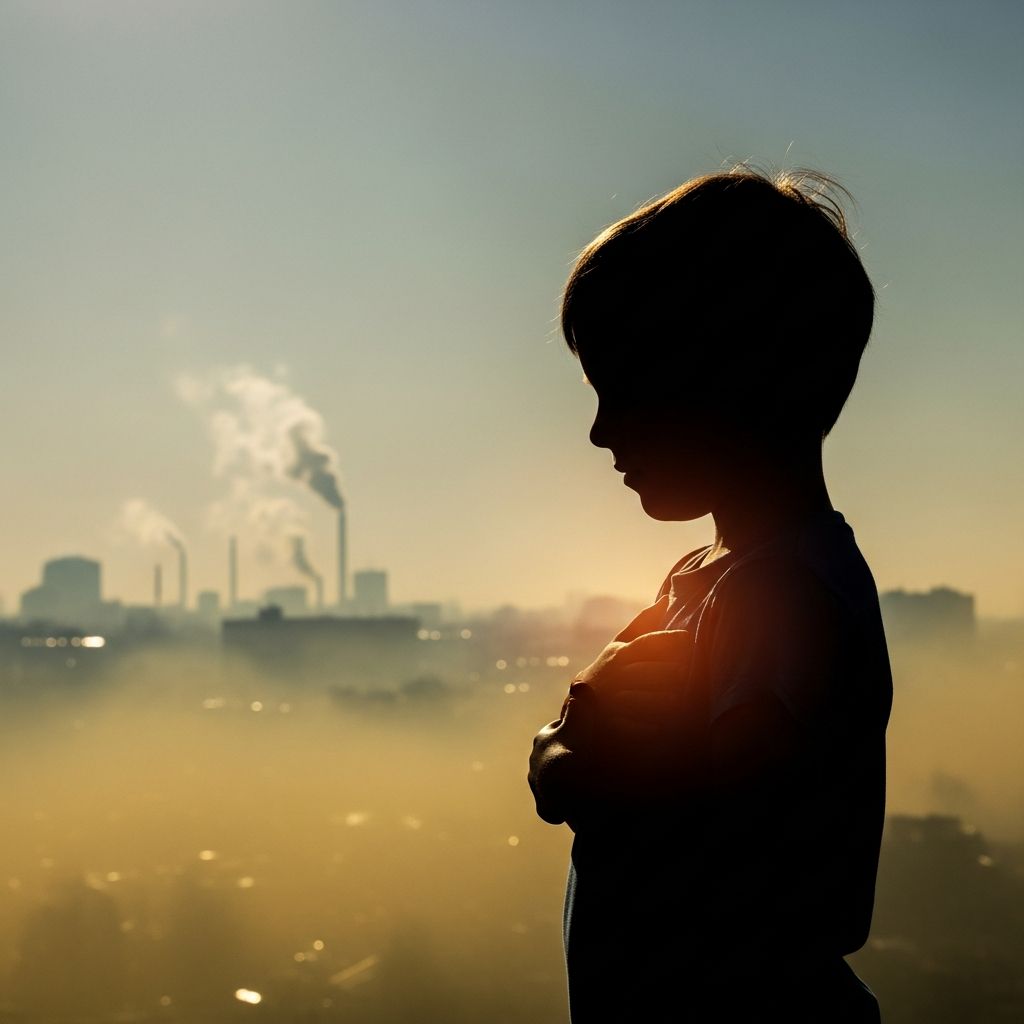
Ground-level ozone, a key component of smog, significantly impacts children’s respiratory health, particularly those with asthma. Even moderate exposure levels can provoke symptoms, reduce lung function, and elevate the risk of acute attacks, making awareness crucial for parents and caregivers.
Understanding Ground-Level Ozone as an Air Pollutant
Ozone at ground level forms through chemical reactions between sunlight and emissions from vehicles, power plants, and industrial sources. Unlike the protective ozone layer high in the atmosphere, this tropospheric ozone acts as a potent irritant to lung tissues. Children inhale more air per body weight than adults and breathe faster, increasing their vulnerability. Peak concentrations often occur on hot, sunny days, aligning with outdoor playtime when kids are most active outdoors.
Regulatory bodies like the U.S. Environmental Protection Agency (EPA) set standards for ozone, yet research shows health effects below these thresholds. For instance, concentrations above 80 μg/m³ have been linked to heightened asthma risks in children, with effects persisting even at lower levels around 25-28 ppb when combined with other pollutants.
How Ozone Triggers Asthma Symptoms in Kids
Ozone irritates airways, causing inflammation and tightening of lung muscles, which leads to coughing, wheezing, shortness of breath, and chest tightness. In asthmatic children, this can escalate to severe attacks requiring medical intervention. Studies demonstrate that short-term exposure decreases lung function, particularly in those on maintenance medications.
- Coughing and throat irritation: Common initial responses to ozone inhalation.
- Wheezing and breathlessness: Indicators of airway constriction, more pronounced during physical activity.
- Chest pain or tightness: Signals increased respiratory effort.
- Reduced lung capacity: Measured by spirometry tests showing transient declines post-exposure.
Children with asthma experience amplified effects because their airways are already hypersensitive. Ozone worsens inflammation, heightens responses to allergens, and promotes oxidative stress via reactive oxygen species (ROS).
Scientific Evidence: Ozone’s Impact on Young Lungs
Recent peer-reviewed studies confirm ozone’s role in pediatric asthma. A Frontiers in Pediatrics analysis found that ozone levels exceeding 80 μg/m³ (about 40 ppb) over 8-hour periods significantly raise acute asthma attack risks, with stronger effects above 100 μg/m³. Multi-pollutant models reinforce this, showing consistent associations even when adjusting for PM2.5, NO2, and others.
A University of Washington study of early-life exposure revealed that children facing higher ozone in their first two years had a 31% increased odds of asthma diagnosis and 30% higher wheeze risk by ages 4-6. This held true above 25 ppb, especially with elevated fine particulate matter.
| Study Source | Key Finding | Exposure Level | Outcome |
|---|---|---|---|
| Frontiers in Pediatrics (2022) | Ozone >80 μg/m³ increases attack risk | 80-100+ μg/m³ | Acute asthma exacerbations |
| UW News (2025) | 2 ppb increase in early life | >25 ppb with PM2.5 | 31% higher asthma odds at 4-6 yrs |
| NIH Cohort (Recent) | Early O3 linked to wheeze | Low ambient levels | OR 1.31 for asthma at 4-6 yrs |
| HEI Report | Transient lung function drop | Elevated ozone | Symptoms in asthmatics & healthy kids |
These findings highlight vulnerability during critical developmental windows, with effects waning by ages 8-9 but underscoring the need for early intervention.
Early-Life Exposure: A Critical Window for Asthma Development
Infants and toddlers face heightened risks from ozone due to developing lungs. Cohort studies show exposure from birth to age 2 correlates with asthma onset by school age, independent of other factors. Animal models support this, demonstrating developmental toxicity from ozone, including altered airway growth.
In low-pollution U.S. areas, a 2 ppb rise in early ozone yielded odds ratios of 1.31 for asthma and 1.30 for wheeze at ages 4-6. Mixture analyses indicate synergistic effects with NO2 and PM2.5, where ozone drives risk above median pollutant levels.
Recognizing When Ozone Levels Are High
Forecasts predict high-ozone days based on temperature, sunlight, and emissions. Common indicators include:
- Hazy, smoky skies or smog visibility.
- High temperatures above 80°F (27°C) with low wind.
- Air quality alerts from apps or local news.
- Strong odors from traffic or industry.
Parents can check daily Air Quality Index (AQI) via EPA tools; categories of 101-150 (unhealthy for sensitive groups) warrant caution for asthmatic kids.
Daily Strategies to Shield Children from Ozone
Minimizing exposure requires proactive steps:
- Limit outdoor time: Stay inside during afternoon peaks (noon-7 PM) on high-ozone days.
- Choose indoor activities: Use fans or AC to circulate clean air; avoid opening windows.
- Monitor medications: Ensure rescue inhalers are handy; consult doctors for adjustments.
- Postpone vigorous play: Opt for morning outings when levels are lower.
For school-age kids, coordinate with teachers to keep them indoors during alerts. Encourage hydration to thin mucus and ease breathing.
Long-Term Protection: Advocating for Cleaner Air
Beyond daily habits, support policies reducing emissions: carpooling, using public transit, and maintaining vehicles cut precursors. Community advocacy for green spaces and renewable energy helps lower regional ozone.
Home environments matter too—avoid indoor pollutants like smoke or strong cleaners that mimic ozone irritation. Regular asthma check-ups track lung function and tailor plans.
Frequently Asked Questions
Can low levels of ozone affect my child with asthma?
Yes, studies show even concentrations below EPA standards, like under 70 ppb or 80 μg/m³, can decrease lung function and trigger symptoms in asthmatic children.
Is ozone risk higher for young children?
Absolutely; early-life exposure (birth-2 years) raises asthma odds by up to 31% per 2 ppb increase, with lasting effects into early school years.
How do I know if it’s an unsafe ozone day?
Check AQI forecasts; hazy skies, heat, and alerts signal high levels. Apps from EPA provide real-time data.
Does ozone affect healthy kids too?
Yes, it can cause temporary lung function drops and symptoms like cough in all children, but asthmatics are most vulnerable.
What if my child has an asthma attack from ozone?
Use their rescue inhaler, move indoors, and seek medical help if symptoms persist. Always have an action plan.
Empowering Parents for Healthier Futures
By grasping ozone’s dangers and implementing safeguards, parents can drastically cut asthma flare-ups. Combining vigilance with science-backed habits fosters resilient respiratory health amid urban challenges. Ongoing research drives stricter standards, promising cleaner air for generations.
References
- Ozone Exposure and Asthma Attack in Children — Frontiers in Pediatrics. 2022-04-29. https://www.frontiersin.org/journals/pediatrics/articles/10.3389/fped.2022.830897/full
- Children exposed to higher ozone levels early in life are more likely to develop asthma — University of Washington News. 2025-04-02. https://www.washington.edu/news/2025/04/02/children-exposed-to-higher-ozone-levels-early-in-life-are-more-likely-to-develop-asthma/
- Early-Life Ozone Exposure and Asthma and Wheeze in Children — National Institutes of Health (PMC). Recent. https://pmc.ncbi.nlm.nih.gov/articles/PMC11966328/
- Acute Effects of Ambient Ozone on Asthmatic, Wheezy, and Healthy Children — Health Effects Institute. N/A. https://www.healtheffects.org/system/files/Research-Report-82.pdf
- Health Effects of Ozone in Patients with Asthma and Other Chronic Lung Disease — U.S. EPA. Recent. https://www.epa.gov/ozone-pollution-and-your-patients-health/health-effects-ozone-patients-asthma-and-other-chronic