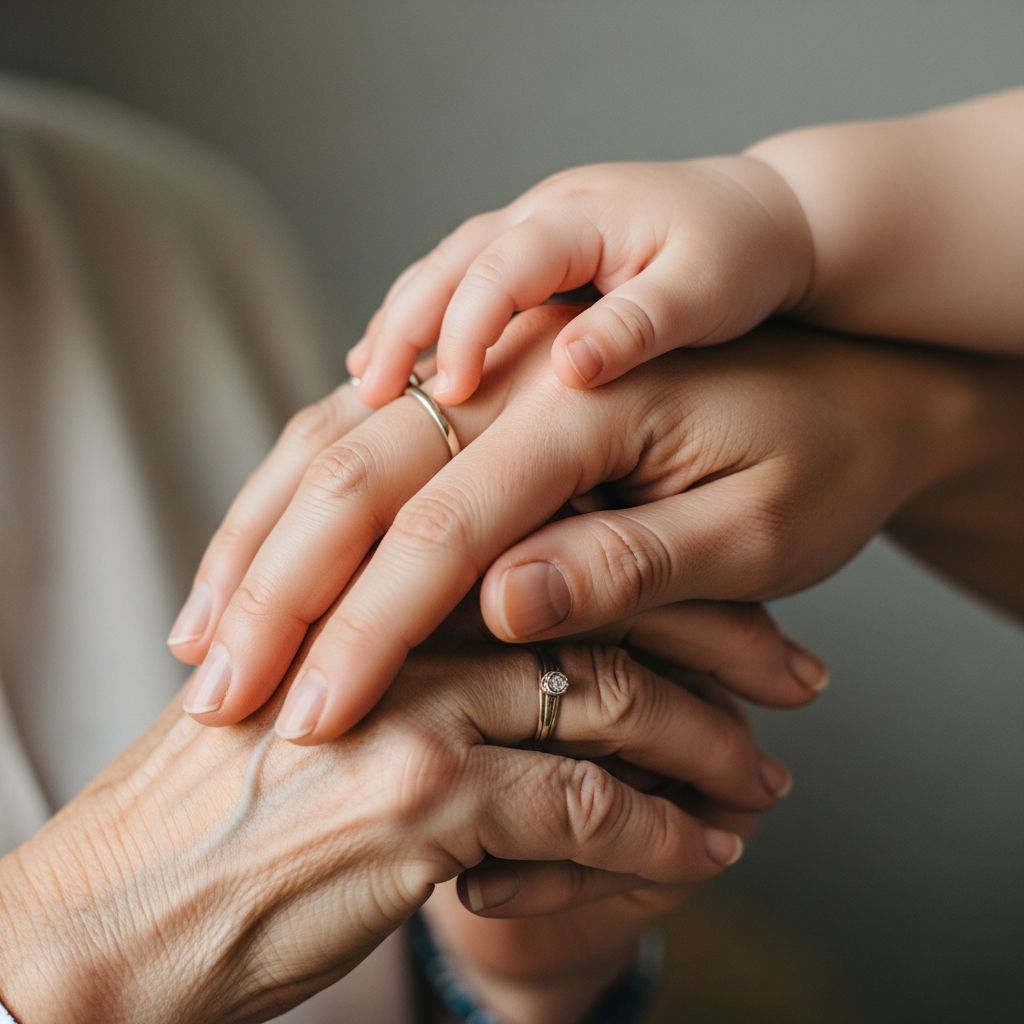
The human body holds profound intergenerational connections, particularly during pregnancy. A grandmother’s womb doesn’t just nurture her daughter—it lays the foundation for her grandchildren’s health through cellular exchanges, nutritional influences, and environmental exposures. This article delves into the biology linking three generations, revealing how past conditions echo into the future.
The Cellular Bridge Across Generations
During pregnancy, a remarkable exchange occurs: cells from the fetus migrate into the mother’s body, and some maternal cells travel into the fetus. These persistent cells, known as microchimeric cells, can linger for decades, influencing immune responses and tissue repair.
In females, this exchange extends further. A developing female fetus forms all the eggs she will ever produce while still in her mother’s womb—meaning those eggs reside temporarily in the grandmother’s body. Thus, every woman spends part of her life inside her grandmother, exposed to her environment.
Research in mice demonstrates how these grandmother-derived cells protect certain fetuses. Maternal microchimeric cells in a daughter manipulate her immune system, promoting tolerance for fetuses sharing the grandmother’s genes. This involves boosting regulatory T cells that suppress attacks on genetically similar offspring, while potentially rejecting those that differ.
- Key Mechanism: Microchimeric cells stimulate regulatory T cells, calming immune responses to familiar genetics.
- Protection Example: Fetuses with the grandmother’s ovalbumin gene survived immune challenges and infections like Listeria in mouse models.
- Implication: This may favor mates with genetics similar to the grandmother, enhancing lineage survival.
Human applications remain complex due to genetic diversity, but hints from blood type studies since the 1950s suggest similar protective roles.
Egg Formation: The Origin of Future Generations
Female egg development begins early. By the second trimester of gestation, a female fetus has generated her complete set of oocytes—primitive eggs that will mature decades later. These cells, formed in the womb, carry the potential for the next generation.
This timeline means a pregnant woman’s nutrition and exposures directly affect not only her child (F1) but also her grandchildren’s precursors (F2). The grandmother (F0) influences the F1 daughter’s health and the viability of F2 eggs.
| Generation | Location During Pregnancy | Key Influences |
|---|---|---|
| F0 (Grandmother) | Womb hosts F1 fetus and F2 eggs | Nutrition, toxins, immune environment |
| F1 (Mother) | Carries F2 fetus | Inherited cells, epigenetics from F0 |
| F2 (Child) | Develops in F1 | Grandmaternal microchimerism effects |
Such overlaps explain why prenatal conditions have outsized impacts. Poor nourishment in the grandmother’s womb can predispose grandchildren to metabolic issues like diabetes.
Nutritional Echoes from Grandmothers
A woman’s diet before and during pregnancy shapes two lifetimes: her child’s and her grandchildren’s. Studies from Southampton and India link fetal undernutrition to adult-onset diabetes, amplified if gestational diabetes alters placental structure.
Grandmaternal nutrition programs metabolism across generations. Eggs formed in a nutrient-scarce womb may lead to offspring prone to obesity or insulin resistance, even if later environments improve. Breastfeeding reinforces these transfers, passing cells and bioactive factors.
- High-sugar maternal diets during pregnancy cause oversized or undersized babies, with lasting cord and placental changes.
- Public health focus: Balancing nutrition to support fetal growth while managing conditions like diabetes.
Environmental Toxins and Multigenerational Risks
Prenatal exposures can reverberate through generations. The Child Health and Development Studies (CHDS) cohort tracks effects from the 1950s-60s, using stored biospecimens to measure chemicals like cotinine (nicotine metabolite).
Grandmaternal smoking correlates with autism symptoms in grandchildren, per the Avon Longitudinal Study (ALSPAC). Diethylstilbestrol (DES), a synthetic estrogen given to pregnant women, links to ADHD in grandchildren of exposed daughters (7.7% vs. 5.2% in unexposed).
These findings underscore direct F0-to-F2 transmission, as female eggs absorb exposures in utero.
Immune Manipulation for Reproductive Success
Microchimeric cells don’t just protect—they strategize. In mice, grandmother cells bias daughters toward successful pregnancies with genetically compatible partners, akin to evolutionary kin selection.
Regulatory T cells induced by these cells recognize grandmother-matched antigens as “self,” shielding fetuses. Conversely, they may heighten rejection of dissimilar ones, promoting inbreeding for genetic continuity—a mother’s cells whispering, “Choose like me.”
Breast milk amplifies this, transferring more cells postnatally.
Real-World Health Implications
Understanding these links informs preventive care. Clinicians observe diabetes-altered umbilical cords slipping during delivery, signaling risks carried forward.
Multigenerational cohorts like CHDS confirm toxin legacies, urging biomonitoring. For families, it means grandmaternal health history matters—smoking cessation, balanced diets benefit descendants.
Frequently Asked Questions
What is fetal microchimerism?
Microchimerism is the presence of a small number of cells from one individual in another, often persisting lifelong after pregnancy. Grandmother cells in daughters aid fetal protection.
Do all grandchildren carry grandmother’s cells?
Through matrilineal lines, yes—female fetuses inherit and retain maternal cells, passing influences to their offspring.
Can grandmaternal diet affect my child’s weight?
Yes, poor prenatal nutrition links to metabolic disorders in grandchildren, like diabetes risk from fetal undernourishment.
Are there human studies on these effects?
Ongoing cohorts like CHDS and ALSPAC show smoking and DES exposures increasing ADHD and autism risks in F2.
How does breastfeeding factor in?
It reinforces cell transfer, enhancing immune programming from mother to child.
Practical Advice for Expectant Families
To optimize generational health:
- Prioritize nutrient-dense diets pre-pregnancy.
- Avoid toxins like smoking; test environments.
- Monitor gestational conditions like diabetes.
- Review family histories for patterns.
These steps break negative cycles, harnessing biology for thriving lineages.
References
- Cells from grandma help keep fetus safe — Science News. 2014-07-23. https://www.sciencenews.org/article/cells-grandma-help-keep-fetus-safe
- Research Journeys: You are what your grandmother ate — University of Leeds Spotlight. N/A. https://spotlight.leeds.ac.uk/research-journeys-you-are-what-your-grandmother-ate/index.html
- Exploring the “Three Generations in One” Phenomenon — MINDplexcity. N/A. https://www.mindplexcity.com/blog/exploring-the-three-generations-in-one-phenomenon-the-maternal-nest
- All in the Family: What Multigenerational Cohorts Are Revealing — PMC (NIH). 2019-10-01. https://pmc.ncbi.nlm.nih.gov/articles/PMC6791571/