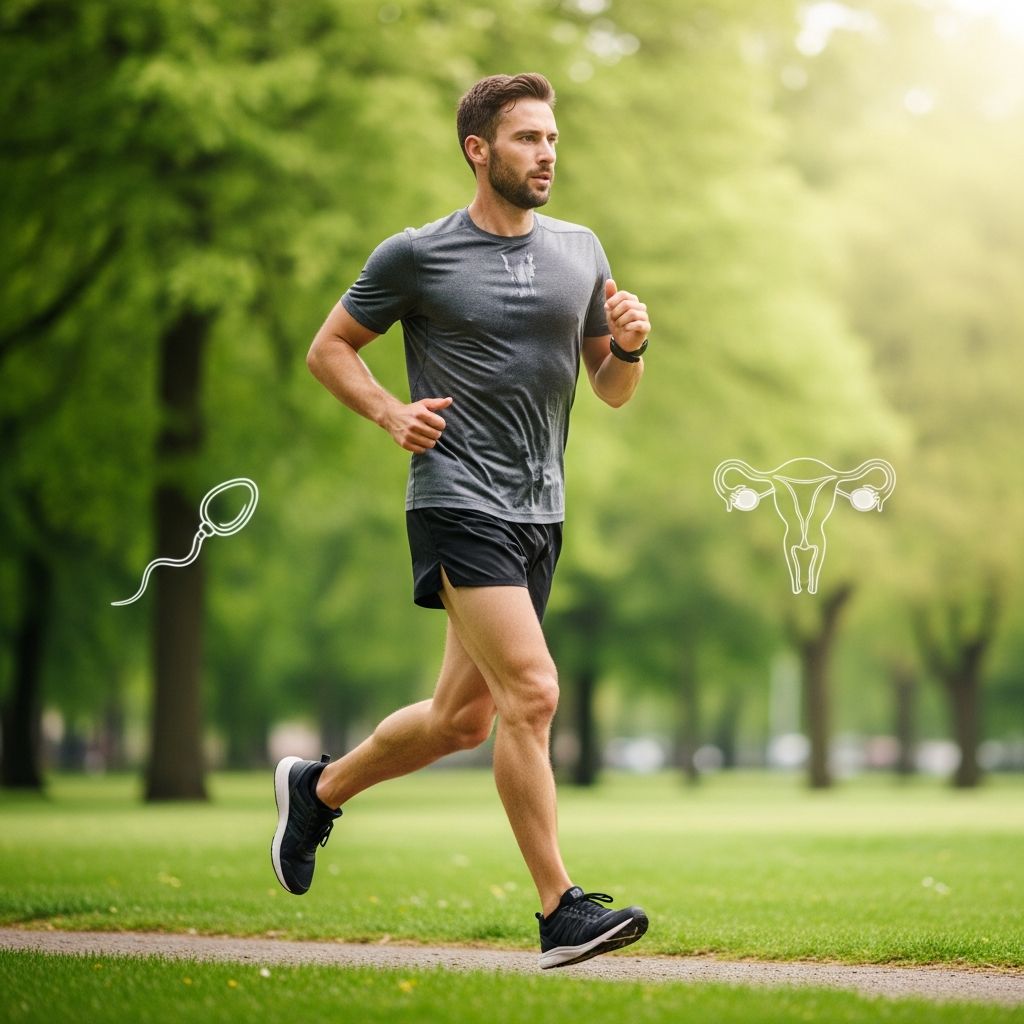
Physical activity plays a pivotal role in overall health, but its effects on male reproductive anatomy and function are nuanced. While moderate exercise often boosts vitality, excessive or high-intensity training can lead to temporary changes in penis and testicle size alongside fertility impacts, primarily through hormonal shifts and oxidative stress.
Understanding the Anatomy: Penis and Testicles Under Physical Stress
The male genitalia are sensitive to physiological changes induced by exercise. Testicles, responsible for sperm production and testosterone synthesis, can experience atrophy or reduced volume with overtraining due to suppressed hormone levels. Similarly, penile size perceptions arise from blood flow alterations and tissue responses to stress hormones.
During intense workouts, the body prioritizes energy allocation to muscles, potentially diverting resources from reproductive tissues. This leads to observable reductions in scrotal size and flaccid penile length, often reversible with rest.
- Testicular volume decrease: Linked to lowered gonadotropins like FSH and LH.
- Penile shrinkage effect: Temporary vasoconstriction and cold exposure in gym environments exacerbate appearance changes.
- Hormonal cascade: Elevated cortisol competes with testosterone production.
Hormonal Shifts: How Workouts Alter Testosterone and Beyond
Testosterone, crucial for genital maintenance and libido, fluctuates with exercise type. Acute bouts elevate it briefly, but chronic high-volume endurance training suppresses the hypothalamic-pituitary-testicular (HPT) axis, reducing GnRH, LH, FSH, and free testosterone levels.
Studies on rowers and cyclists show testosterone-to-cortisol (T/C) ratios dropping below optimal thresholds during heavy training phases, correlating with genital tissue changes. Recovery periods of 1-3 weeks typically restore balance.
| Exercise Type | Testosterone Response | Cortisol Impact | Genital Effect |
|---|---|---|---|
| Moderate Aerobic (60% VO2max) | Increase in free T | Minimal rise | Neutral/Positive |
| High-Intensity Endurance (80% VO2max) | Suppression post-training | Significant elevation | Size reduction, atrophy risk |
| Resistance Training | Acute spike | Balanced | Enhancement potential |
Resistance exercises involving large muscle groups provoke greater testosterone surges, supporting testicular function better than prolonged cardio.
Semen Quality and Sperm Parameters: Endurance vs. Strength Training
High-load endurance activities impair spermatogenesis, leading to lower sperm count, motility, and increased abnormal morphology. Up to 10% of elite endurance athletes exhibit oligospermia, with elevated round cells indicating inflammation.
High-intensity training correlates with sperm DNA fragmentation via oxidative stress markers like 8-isoprostane and malondialdehyde. Cyclists with high weekly mileage show direct links between training volume and DNA damage.
- Motility decline: Reduced by 16-20% in overtrained athletes.
- Morphology issues: Higher abnormal forms due to germinal epithelium stress.
- Concentration drop: Subclinical in most, severe in competition peaks.
Conversely, moderate resistance training improves these parameters by enhancing antioxidant capacity and hormone profiles.
Oxidative Stress: The Hidden Culprit in Reproductive Decline
Intense exercise generates reactive oxygen species (ROS) exceeding antioxidant defenses, damaging testicular mitochondria and sperm membranes. Testes, rich in unsaturated fatty acids, are particularly vulnerable.
Studies confirm elevated ROS, MDA, and reduced superoxide dismutase (SOD) in endurance athletes’ semen. Long-term moderate exercise, however, boosts SOD, catalase, and total antioxidant capacity, mitigating inflammation via lowered IL-6 and TNF-α.
In obese males, high-intensity routines fail to alleviate testicular oxidative stress, underscoring intensity’s role over mere fat loss.
Genital Size Myths and Realities: What Science Reveals
Perceived penile shrinkage often stems from scrotal contraction during/after workouts, not permanent loss. Testicular atrophy from overtraining is subclinical for most, reversing with detraining. Elite athletes in rowing or cycling report measurable volume decreases tied to T/C ratio drops.
No evidence supports permanent size reduction from balanced routines; benefits like improved vascular health enhance erectile function long-term.
Optimal Exercise Regimens for Reproductive Wellness
To safeguard genital health and fertility:
- Moderation key: Aim for 150 minutes weekly moderate aerobic + 2 strength sessions.
- Intensity balance: Cap endurance at 60-70% VO2max; incorporate HIIT sparingly.
- Recovery focus: Include rest days; monitor T/C via symptoms like fatigue/libido drop.
- Diet synergy: Antioxidants (vitamins C/E, zinc) counter ROS.
Physically demanding jobs surprisingly boost sperm concentration by 46%, suggesting adaptive benefits from non-exhaustive labor.
Fertility Recovery: Detraining and Interventions
Hormonal and semen parameters normalize within days to weeks post-overtraining. A 24-week moderate program reduced ROS and boosted antioxidants, effects lingering post-detraining.
HIIT shows promise for infertile men, improving DNA integrity without endurance risks.
Frequently Asked Questions
Does gym exercise permanently shrink the penis?
No, changes are temporary due to blood flow and temperature; permanent effects require chronic hormonal suppression.
Can cycling cause testicle shrinkage?
Yes, prolonged cycling elevates saddle pressure and heat, compounding endurance training effects on atrophy.
Is weightlifting better for fertility than running?
Generally yes; it elevates testosterone without suppressing the HPT axis like endurance does.
How much exercise is too much for sperm health?
Over 10-15 hours weekly high-intensity endurance risks subclinical declines; monitor volume.
Can supplements reverse exercise-induced fertility issues?
Antioxidants like CoQ10 aid, but prioritize training adjustment and recovery.
Long-Term Strategies for Balancing Fitness and Fatherhood
Men planning families should prioritize moderate, varied routines. Track biomarkers if elite training; consult urologists for persistent issues. Exercise enhances fertility via stress reduction and circulation when dosed correctly.
In summary, while extreme workouts may transiently reduce genital size and impair sperm via hormones and ROS, balanced programs optimize reproductive potential. Tailor intensity to lifestyle for peak performance in gym and bedroom.
References
- Impact of physical activity and exercise on male reproductive potential — Vaamonde D et al. World J Mens Health. 2018-03-09. https://pmc.ncbi.nlm.nih.gov/articles/PMC5897111/
- Exploring the dynamics of exercise intensity on male fertility — Alizadeh S et al. Andrology. 2024-08-14. https://pmc.ncbi.nlm.nih.gov/articles/PMC11291361/
- How exercise impacts fertility: Benefits for men and women — Carrot Fertility Blog. 2023-01-15. https://www.get-carrot.com/blog/exercise-and-fertility
- Physically Demanding Work Tied to Male Fertility — Harvard Medical School. 2024-11-12. https://hms.harvard.edu/news/physically-demanding-work-tied-male-fertility