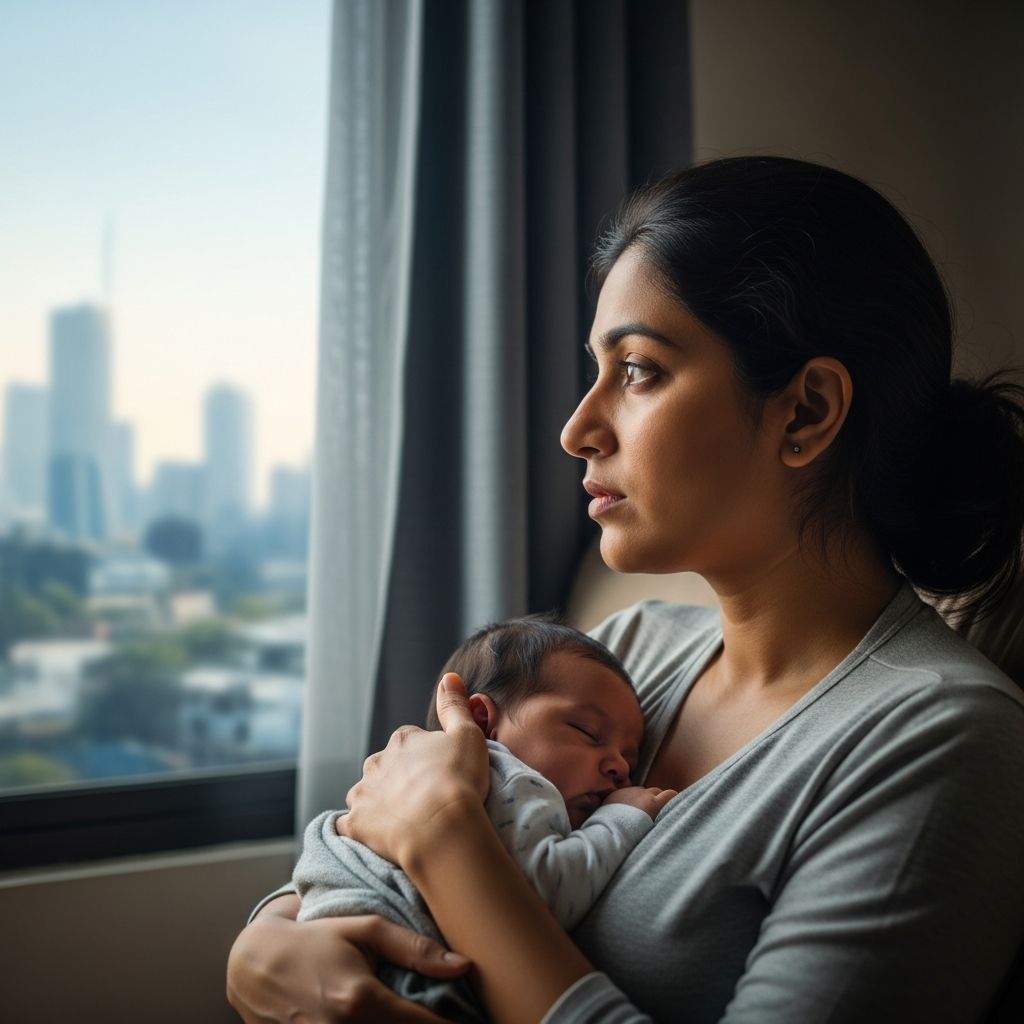
New mothers entering the postpartum phase during the COVID-19 pandemic encountered unprecedented hurdles that intensified the already demanding transition to parenthood. Isolation emerged as a core challenge, compounded by restricted access to support networks and shifts in healthcare delivery.
The Weight of Isolation in Early Parenthood
The postpartum period naturally involves adjustment, but the pandemic amplified feelings of loneliness for many. Studies from British Columbia, Canada, during the first year of the crisis (March 2020 to April 2021) revealed that new mothers frequently described their experiences as ‘stuck’ or ‘trapped,’ with the lack of physical interactions exacerbating emotional strain. This sentiment echoed globally, as social distancing measures severed traditional support from family and friends.
Without the expected influx of visitors, meals, or hands-on help, many reported a profound loss of instrumental support. Childcare unavailability meant no breaks from constant parenting, heightening exhaustion. Immigrants and single parents faced these issues most acutely, lacking nearby networks to lean on.
- Social distancing prevented family gatherings and baby showers, leading to heightened guilt and depression.
- Virtual connections via calls or online platforms offered some solace but often fell short of fulfilling the need for in-person bonding.
- Postpartum support groups, vital for peer validation, were largely inaccessible during initial lockdown waves.
Mental Health Strains Amplified by Crisis
Mental health deteriorated markedly for new mothers amid the pandemic. Research indicated that one in three new moms experienced postpartum depression in early COVID phases, potentially tripling pre-pandemic rates. In a U.S. study, 58.1% of postpartum respondents reported moderately worse stress and mental health, with 17.4% describing it as significantly worse.
Symptoms included acute anxiety, distress, and disrupted sleep—25-38.5% noted worsened energy levels and rest. Factors like masks during delivery, partner exclusions from birthing rooms, and canceled celebrations contributed to mourning ‘what should have been.’
| Impact Area | Pre-Pandemic Baseline | Pandemic Shift | Source |
|---|---|---|---|
| Postpartum Depression Rate | ~10% | Up to 33% | |
| Reported Stress Increase | Moderate | Moderate to Significant (75.5%) | |
| Sleep/Energy Disruption | Variable | 25-38.5% Worsened |
These shifts underscore how public health measures, while necessary, inadvertently deepened emotional distress.
Disrupted Healthcare and Birthing Realities
Pandemic protocols transformed prenatal and postpartum care. Virtual appointments became standard, receiving mixed reviews: appreciated for accessibility but criticized as impersonal, potentially overlooking subtle health cues. In the UK, similar feedback labeled them ‘checkbox’ interactions.
Hospital policies fluctuated, with support person bans altering birth plans. This led to unanticipated solitude during labor, fueling anxiety. Postpartum check-ins suffered too; 10% couldn’t discuss mood changes, and 18% sought better mental health access.
- Rapid response to concerns rated ‘very important’ by 68.1% of postpartum individuals.
- One-on-one provider talks desired by 44%.
- Pediatric info on COVID and child health crucial for 57%.
Coping Mechanisms: Adaptation and Resilience
Despite adversities, new mothers demonstrated remarkable adaptability. Common strategies included taking life ‘one day at a time,’ limiting news exposure, meditation, outdoor time, and virtual family calls. Talking with partners or friends topped coping lists at 76.3%.
Some found unexpected silver linings: quieter bonding time with babies and reduced external pressures. However, barriers like gym closures limited physical outlets, pushing some toward alcohol as a maladaptive cope.
Healthcare reliance grew, with providers becoming key emotional anchors during isolation. Calls for affordable counseling, peer groups, and validation intensified.
Vulnerable Groups and Equity Gaps
Not all mothers fared equally. People of color, those with prior mental health histories, and limited-support individuals bore heavier burdens. Socioeconomic advantages offered some buffer, yet even privileged groups reported disruptions in social activities and care.
Prenatal disruptions early in the pandemic rippled into postpartum, with changing guidelines on PPE and visitor rules heightening uncertainty. This highlights needs for targeted support in future crises.
Lessons for Future Maternal Care
The pandemic exposed systemic gaps, urging integrated coping counseling and robust perinatal support during emergencies. Priorities include no-cost mental health services, hybrid care models blending virtual and in-person, and community-building initiatives.
Enhanced provider training for empathetic, comprehensive check-ins could bridge isolation. Policymakers should prioritize high-risk groups with tailored interventions.
Frequently Asked Questions
What were the most common emotional challenges for new moms during COVID-19?
Isolation, loss of support, heightened anxiety, and depression were prevalent, with many feeling trapped without family help or peer groups.
How did virtual healthcare impact postpartum experiences?
It provided access but felt impersonal to some, raising fears of missed issues; hybrid models are recommended.
Did the pandemic increase postpartum depression rates?
Yes, up to one-third of new moms reported it, triple pre-pandemic levels, linked to restrictions and stress.
What coping strategies proved effective?
Daily mindfulness, limiting media, outdoor activities, partner talks, and virtual connections helped many manage strains.
How can healthcare systems better support future crises?
Offer affordable mental health, rapid responses, peer support, and equity-focused care for vulnerable mothers.
This comprehensive view draws from rigorous studies, emphasizing resilience amid adversity. New motherhood in crisis forged pathways to stronger, more empathetic systems.
References
- Postpartum people’s experiences of and responses to the COVID-19 pandemic — Perinatal Public Health Research Group, PMC. 2023-02-15. https://pmc.ncbi.nlm.nih.gov/articles/PMC9971703/
- A third of new moms had postpartum depression during early COVID — Michigan Medicine. 2021-05-18. https://www.michiganmedicine.org/health-lab/third-new-moms-had-postpartum-depression-during-early-covid
- Impact of the COVID-19 Pandemic on Prenatal and Postpartum Experiences — PMC. 2024-01-10. https://pmc.ncbi.nlm.nih.gov/articles/PMC10843728/
- My Experience Having a Baby During the COVID-19 Pandemic — American College of Obstetricians and Gynecologists (ACOG). 2020-08-01. https://www.acog.org/womens-health/experts-and-stories/the-latest/my-experience-having-a-baby-during-the-covid19-pandemic